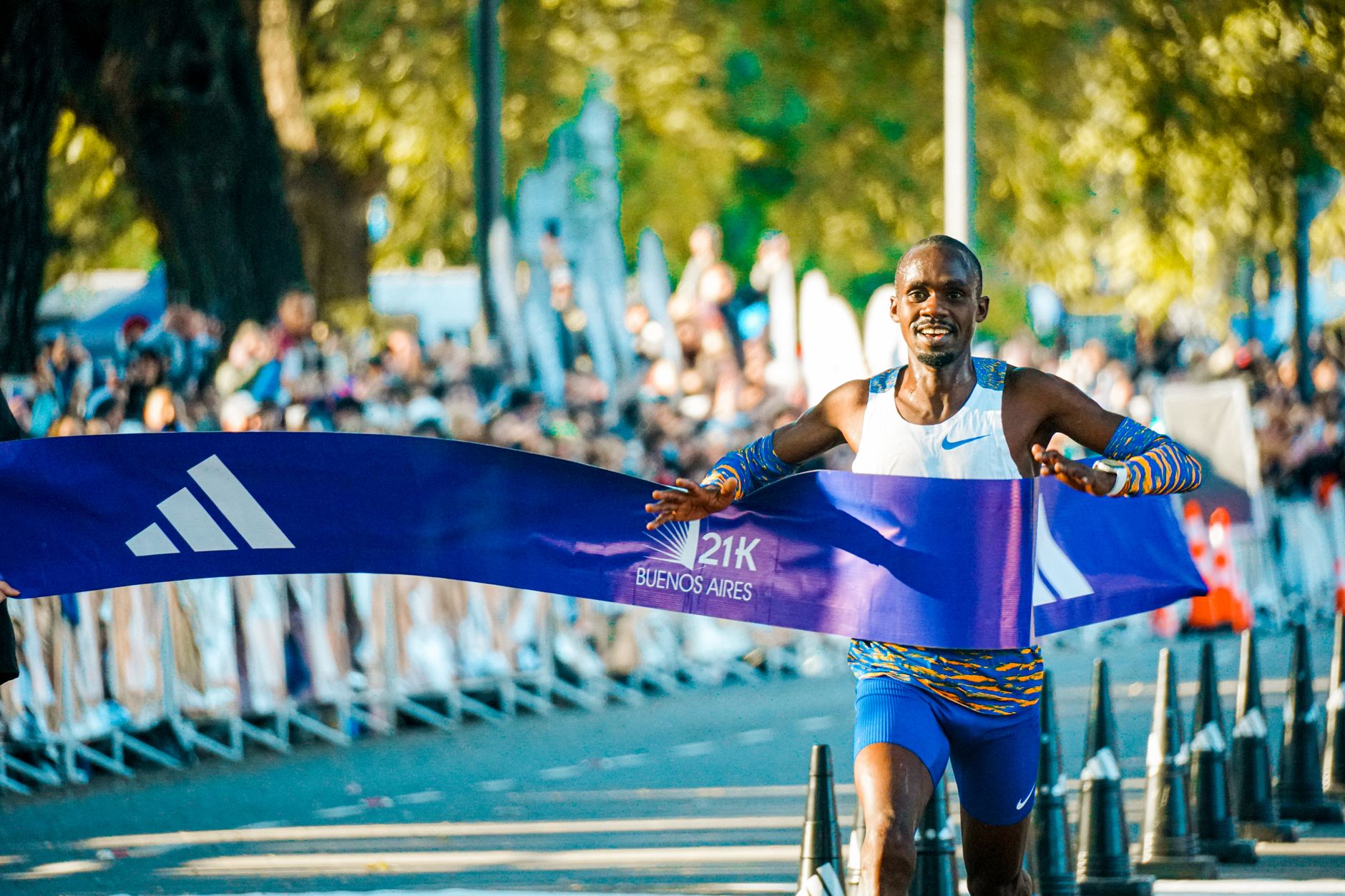
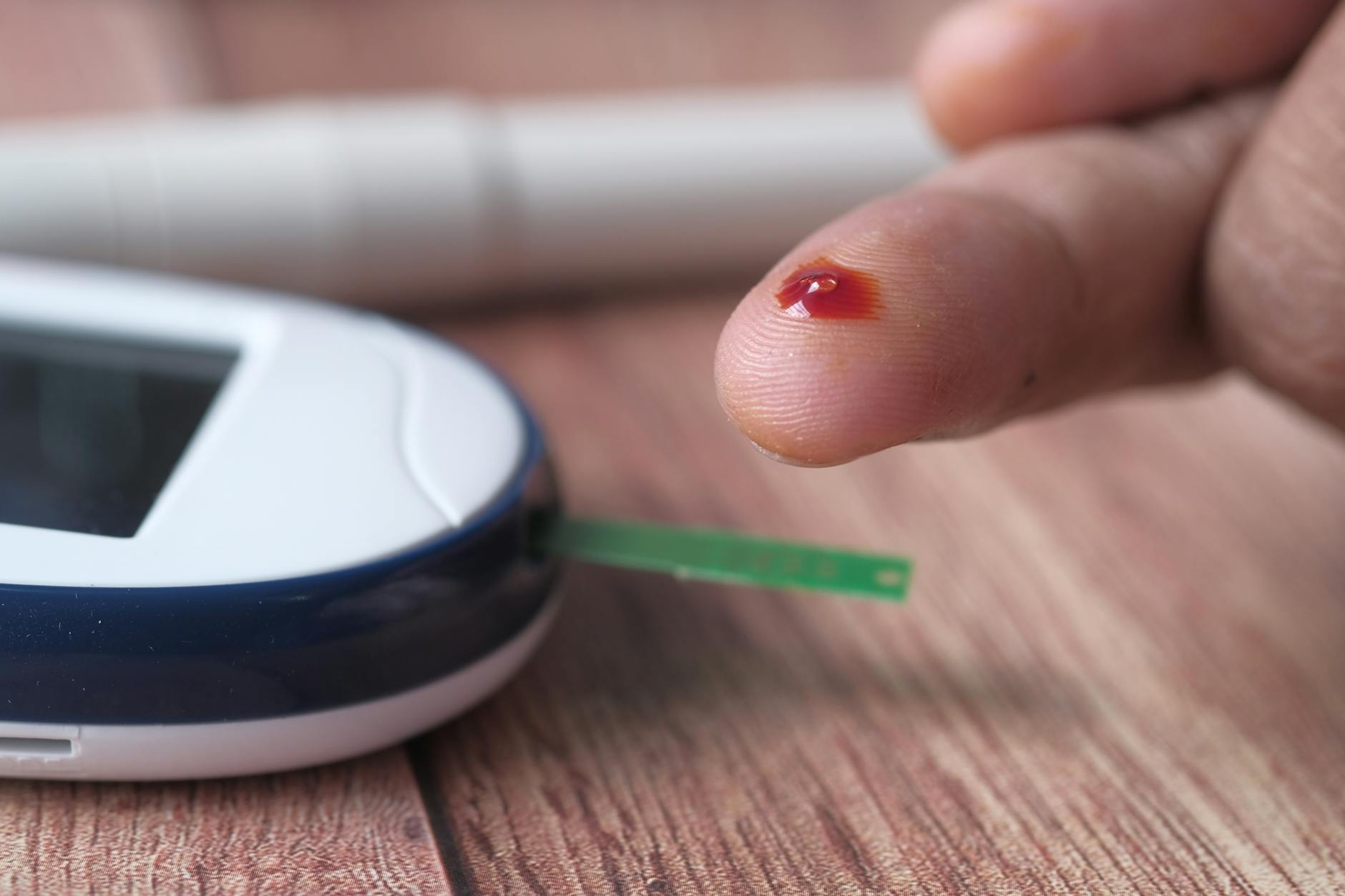
The latest EASD 2026 data on continuous glucose monitoring during marathons reveals a stark contrast: while runners with type 1 diabetes perform well, their reliance on devices designed for shorter bursts of activity falters significantly over four hours on the road. This gap between patient outcomes and device accuracy demands a closer look at how we interpret CGM data in high-endurance scenarios.
1. **CGM Drift in Endurance Exercise**, A study presented at EASD 2026 showed that CGM sensors behave very differently over a full marathon compared to short clinic sessions. This challenges the assumption that current CGM accuracy holds up during prolonged, intense physical activity.
2. **Sex and Hypoglycaemia**, Across 110 events in 12 adults with type 1 diabetes, sexual intercourse caused no clinically significant hypoglycaemia. Glucose moved in both directions, indicating a low risk for patients.
3. **Ovarian Cancer Detection**, Decades of research into ovarian cancer screening have not yielded effective early detection methods. The disease continues to be diagnosed at advanced stages, meaning our approach to this malignancy requires re-evaluation.
This week's evidence cluster highlights a recurring theme: the limitations of our diagnostic and monitoring tools in real-world, complex physiological contexts. From CGM accuracy during extreme exertion to the persistent challenge of early ovarian cancer detection, we are seeing the boundaries of current clinical certainty.
Clinicians must question the generalisability of data derived from controlled settings to the unpredictable reality of their patients' lives.
I read every reply.