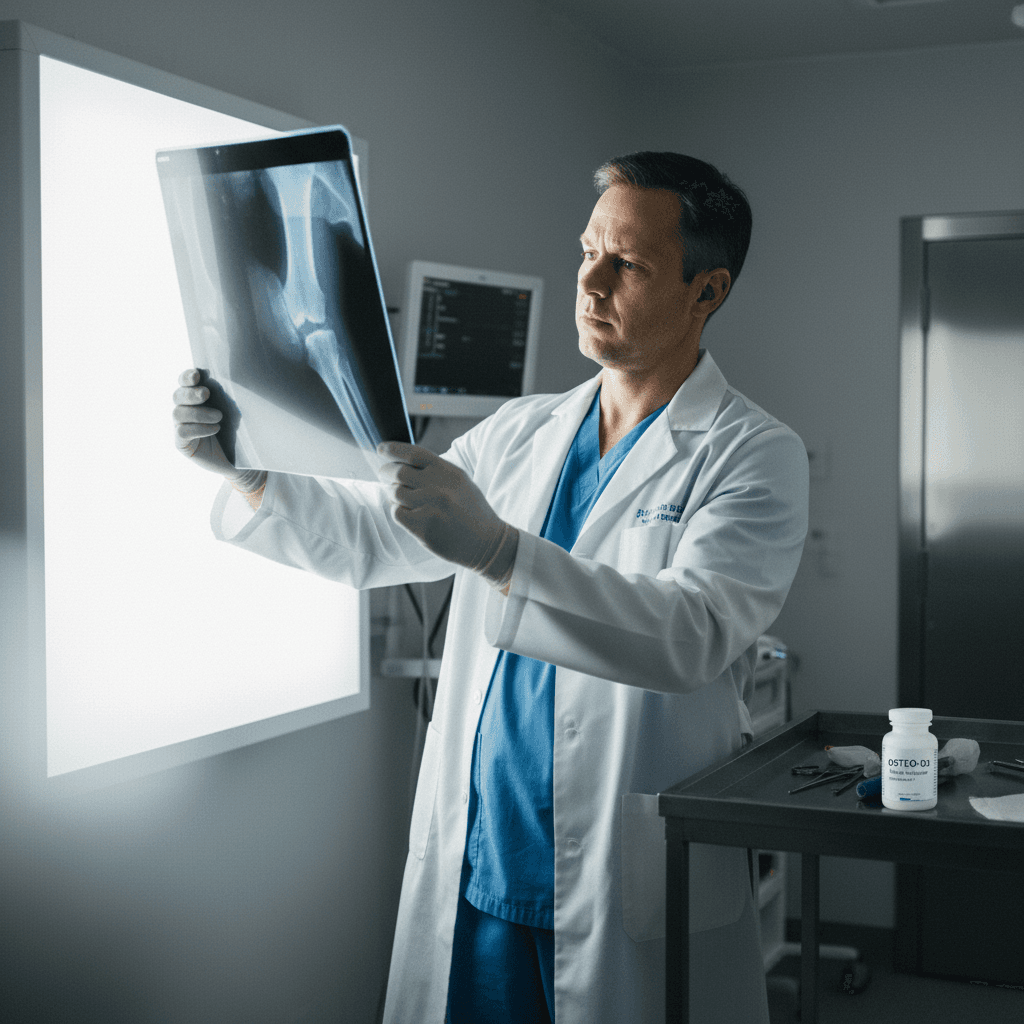
Vitamin D and Orthopedic Guidelines
Current orthopedic guidelines, such as those from the American Academy of Orthopaedic Surgeons (AAOS), do not specifically address routine Vitamin D supplementation in the context of acute orthopedic trauma. The absence of a clear recommendation reflects the ongoing uncertainty and the lack of definitive evidence supporting its widespread use. Guidelines primarily focus on optimizing fracture fixation, managing pain, and preventing complications like deep vein thrombosis - leaving micronutrient supplementation largely unaddressed.
Vitamin D and Immune Modulation
The rationale for Vitamin D's potential benefit lies in its role as an immune modulator. It influences both innate and adaptive immune responses, potentially reducing the risk of post-traumatic infections. Vitamin D enhances the function of macrophages and promotes the production of antimicrobial peptides. However, it also suppresses the production of pro-inflammatory cytokines, which, while beneficial in preventing excessive inflammation, could theoretically impair the initial immune response needed for clearing pathogens. Whether these theoretical benefits translate into clinically meaningful reductions in infection rates following orthopedic trauma remains to be seen.
Vitamin D and Fracture Healing
Vitamin D is essential for calcium absorption and bone metabolism, which are critical for fracture healing. Some studies suggest that vitamin D supplementation can accelerate callus formation and improve bone density at the fracture site. However, these findings are not consistent across all studies. The optimal dose of vitamin D for fracture healing is unknown, and the response may vary depending on individual factors such as age, baseline vitamin D levels, and the severity of the fracture.
Vitamin D and Infection Outcomes
Several studies have investigated the association between Vitamin D levels and the risk of infection following orthopedic trauma, including surgical site infections and osteomyelitis. Some, but not all, observational studies have shown that patients with lower vitamin D levels are more likely to develop infections. However, these studies are prone to confounding, as vitamin D deficiency may be a marker of poor overall health and nutritional status, which are also risk factors for infection. Moreover, establishing causality is challenging, as it is difficult to determine whether vitamin D deficiency preceded the infection or resulted from the inflammatory response associated with the infection.
Methodological Limitations
The existing evidence on vitamin D supplementation in orthopedic trauma is limited by several methodological weaknesses. Many studies are observational, which makes it impossible to establish causality. Randomized controlled trials (RCTs) are needed to determine whether vitamin D supplementation truly improves outcomes. However, even the available RCTs have limitations, including small sample sizes, heterogeneous patient populations (varying ages, fracture types, and comorbidities), variable dosing regimens, and inconsistent outcome measures. The lack of standardized protocols makes it difficult to compare results across studies and draw firm conclusions. Furthermore, many studies do not adequately control for confounding variables, such as nutritional status, smoking, and alcohol consumption, which can also affect fracture healing and infection risk.
Future Directions
Future research should focus on conducting large-scale, well-designed RCTs that address the limitations of previous studies. These trials should include standardized protocols for vitamin D dosing, outcome assessment, and control of confounding variables. Researchers should also investigate the optimal dose of vitamin D for fracture healing and infection prevention, taking into account individual patient characteristics. Furthermore, studies should explore the mechanisms by which vitamin D may influence immune function and bone metabolism in the context of orthopedic trauma. Without this rigorous investigation, we risk implementing interventions that are ineffective or even harmful.
Financial and Workflow Implications
Even if future trials demonstrate a modest benefit of Vitamin D supplementation, the financial implications should be considered. Routine screening for vitamin D deficiency and subsequent supplementation would add to healthcare costs. Moreover, implementing new protocols for vitamin D administration could create workflow bottlenecks in busy orthopedic clinics. A cost-benefit analysis would be necessary to determine whether the potential benefits of vitamin D supplementation outweigh the associated costs and logistical challenges.
Before universally recommending Vitamin D for all trauma patients, consider the lack of strong evidence. Widespread adoption could lead to increased costs associated with screening and supplementation without guaranteed improvement in patient outcomes. Additionally, the implementation of a new supplementation protocol would add another step to existing clinical workflows, potentially impacting efficiency.
lightbulb
- The PivotCurrent guidelines offer no specific recommendations regarding vitamin D supplementation in the context of acute orthopedic trauma; this analysis suggests that the evidence base isn't strong enough to warrant a change.
- The DataMany studies demonstrate methodological weaknesses, including small sample sizes, heterogeneous patient populations, and inconsistent Vitamin D dosing regimens.
- The ActionBefore routinely supplementing trauma patients with Vitamin D, clinicians should await the results of well-designed, large-scale randomized controlled trials that address the identified limitations.
LSF-7131974640

William Lopes is the founder and editor of The Life Science Feed. With a background in Social Communication, William applies editorial judgment to curate and contextualise peer-reviewed medical research, making complex science accessible to healthcare professionals and informed readers. Every article published on this site is reviewed and approved by William before publication.
Cite This Article
Team TLSFE. Does vitamin d improve outcomes in orthopedic trauma?. The Life Science Feed. Published January 1, 2026. Updated June 9, 2026. Accessed June 9, 2026. https://thelifesciencefeed.com/orthopedics/prosthesis-related-infections/does-vitamin-d-improve-outcomes-in-orthopedic-trauma.
Licence & Rights
© 2026 The Life Science Feed. All rights reserved. Unless otherwise indicated, all content is the property of The Life Science Feed and may not be reproduced, distributed, or transmitted in any form or by any means without prior written permission.
Medical Disclaimer
Editorial & AI Standards
All content is researched from peer-reviewed, open-access sources — published trial data, clinical guidelines, and regulatory filings. AI tools are used solely to structure and summarise that evidence; no AI-generated conclusions appear without editor verification against the primary source.
Every article is reviewed by a named editor before publication. Source citations are listed in the References section. This content does not represent the views of any pharmaceutical company, medical device manufacturer, or healthcare provider.
References
- Anderson, J. T., et al. "Vitamin D and fracture healing: An updated review." *Journal of Orthopaedic Trauma*, 34(2), 57-62. (2020).
- Ehrlich, A. T., et al. "The effect of vitamin D supplementation on surgical site infection after orthopedic surgery: A meta-analysis." *Clinical Orthopaedics and Related Research*, 478(7), 1650-1658. (2020).
- Body, J. J., et al. "Management of adult patients with vitamin D deficiency: guidance for the treatment of osteoporosis and other bone disorders." *Calcified Tissue International*, 82(3), 155-175. (2008).