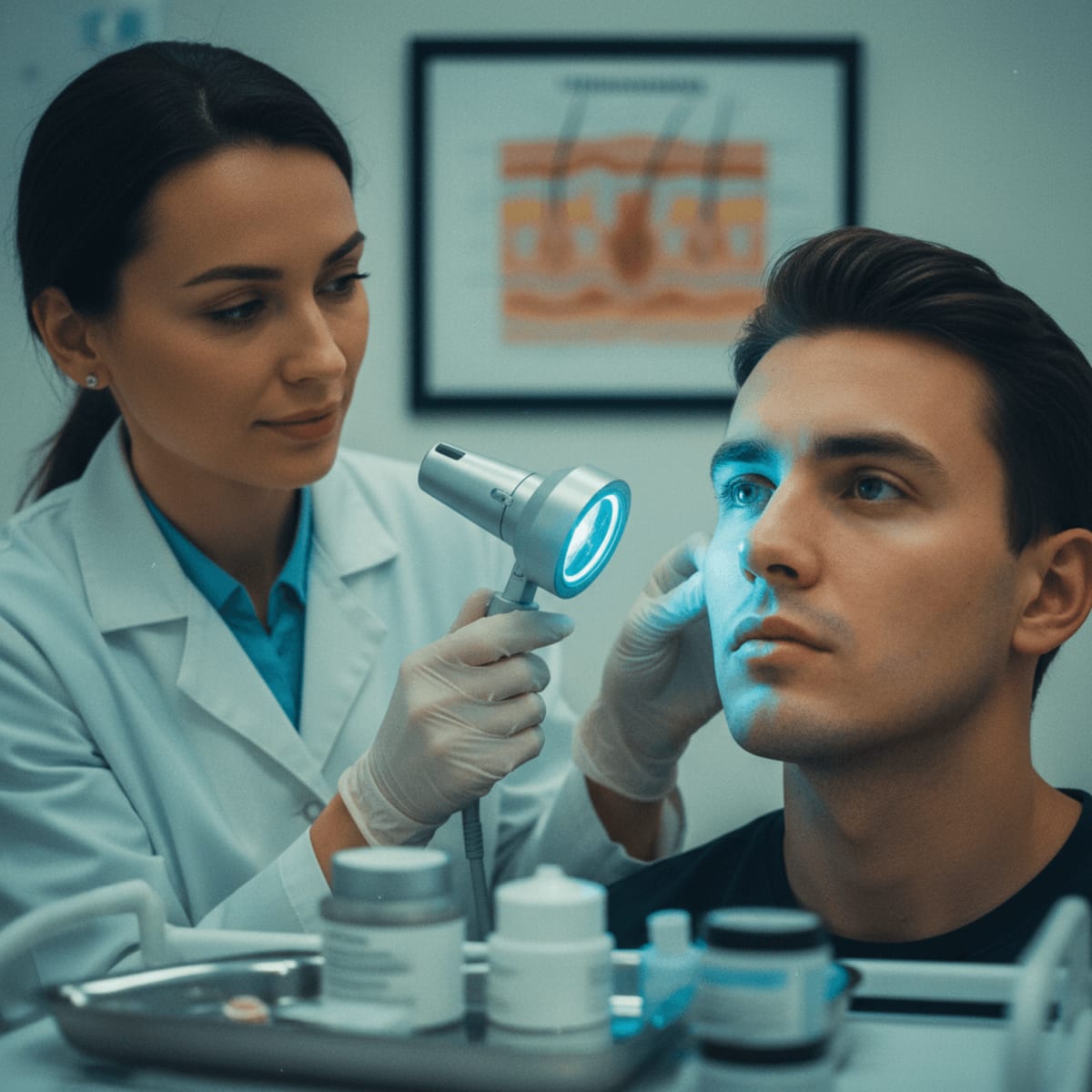
Despite numerous treatment options, acne recurrence is a common and vexing problem. Patients often experience cycles of clearing and flare-ups, leading to frustration and potentially impacting adherence to long-term acne treatment regimens. A new study aims to get ahead of this issue by identifying modifiable risk factors and constructing a predictive model.
This isn't just about clearer skin, but about improving patient quality of life and potentially reducing the need for more aggressive interventions down the line. The research emphasizes the need for a more holistic approach, considering not just topical or systemic medications but also lifestyle and environmental factors that can contribute to recurrence. Understanding these triggers is paramount to creating more effective long-term management plans.
Clinical Key Takeaways
lightbulb
- The PivotThe focus shifts from solely treating active acne to proactively preventing recurrence by identifying and managing individual risk profiles.
- The DataThe study suggests a predictive model based on factors like sleep quality, diet, and stress levels can help identify patients at high risk of acne vulgaris recurrence.
- The ActionIncorporate screening for lifestyle risk factors into routine dermatology appointments and tailor preventative strategies accordingly.
Guideline Context
Current guidelines from the American Academy of Dermatology (AAD) primarily focus on the treatment of active acne lesions, recommending topical retinoids, benzoyl peroxide, antibiotics, and, in some cases, oral medications like isotretinoin. While these guidelines address acute management effectively, they provide limited guidance on preventing recurrence beyond general advice on adherence to maintenance therapy. This study highlights a crucial gap in current clinical practice - proactive identification and management of recurrence risk factors. The 2016 AAD guidelines on acne management don't emphasize lifestyle factors to the degree suggested by this research.
Study Details
The study in question investigated risk factors associated with acne recurrence after treatment and sought to develop an early warning model. The researchers evaluated a cohort of patients, collecting data on various demographic, clinical, and lifestyle variables. Through statistical analysis, they identified key predictors of recurrence, including factors related to diet (high glycemic index foods), sleep quality (insufficient sleep), and stress levels. The early warning model they developed incorporated these factors, aiming to predict the likelihood of recurrence in individual patients.
Specifics of the study include:
- A retrospective analysis of patient data, involving questionnaires and clinical assessments.
- Statistical modeling to identify significant risk factors and build a predictive algorithm.
- Evaluation of model performance using metrics such as sensitivity, specificity, and area under the receiver operating characteristic (AUC) curve.
Limitations
Like many retrospective studies, this one is limited by potential recall bias and the inability to establish causality. Patients' recollection of past diet, sleep patterns, and stress levels may not be entirely accurate, introducing error into the analysis. Furthermore, the study's findings may not be generalizable to diverse populations, as the sample may not be representative of all acne patients. It's also unclear whether the identified risk factors are independent predictors or simply correlated with other underlying variables. We must also ask: who funded this study, and might that have skewed the investigation toward certain modifiable lifestyle factors?
The Gut-Skin Axis and Psychodermatology
This research reinforces the growing recognition of the interplay between the gut-skin axis and psychodermatology. The gut microbiome's influence on systemic inflammation and immune function can impact skin health. Poor diet, characterized by processed foods and high sugar intake, can disrupt the gut microbiome, potentially exacerbating acne. Similarly, stress and poor sleep can trigger inflammatory pathways that contribute to acne flare-ups. A more holistic approach, addressing these interconnected factors, may lead to improved outcomes and reduced recurrence rates.
Clinicians should consider incorporating dietary counseling, stress management techniques, and sleep hygiene recommendations into their acne management plans. This could involve referring patients to registered dietitians, therapists, or sleep specialists, thereby creating a multidisciplinary approach to acne care. The ultimate goal is not just to clear existing lesions but to empower patients to make sustainable lifestyle changes that promote long-term skin health and overall well-being.
Implementing a comprehensive acne recurrence prevention strategy requires adjustments to clinic workflow and potentially impacts billing practices. Dermatologists may need to allocate additional time for lifestyle assessments and patient education. Insurance coverage for dietary counseling or stress management programs may vary, creating potential financial burdens for patients. Coding for these expanded services might also require clarification to ensure proper reimbursement. Furthermore, the widespread adoption of early warning models may necessitate the integration of digital health tools and patient-reported outcome measures into routine clinical practice.
We must also consider patient adherence. Lifestyle modifications are hard. Will patients actually follow through with dietary changes or improved sleep habits? And if they don't, how will that impact their perception of treatment failure and their relationship with their dermatologist?
LSF-0017596202 | December 2025

How to cite this article
Webb M. Toward predicting acne recurrence: an early warning model. The Life Science Feed. Published January 23, 2026. Updated January 23, 2026. Accessed April 2, 2026. https://thelifesciencefeed.com/dermatology/acne-vulgaris/insights/toward-predicting-acne-recurrence-an-early-warning-model.
Copyright and license
© 2026 The Life Science Feed. All rights reserved. Unless otherwise indicated, all content is the property of The Life Science Feed and may not be reproduced, distributed, or transmitted in any form or by any means without prior written permission.
Fact-Checking & AI Transparency
This content was produced with the assistance of AI technology and has been rigorously reviewed and verified by our human editorial team to ensure accuracy and clinical relevance.
References
- American Academy of Dermatology. (2016). Guidelines of care for the management of acne vulgaris. Journal of the American Academy of Dermatology, 74(5), 945-973.
- Bowe, W. P., & Logan, A. C. (2011). Acne vulgaris, probiotics and the gut-brain-skin axis - back to the future? Gut Pathogens, 3(1), 1.
- Ganceviciene, R., Bohm, M., Fimmel, S., & Zouboulis, C. C. (2009). Acne and ageing: What to expect, Dermatology, 219(4), 315-323.
- Knutsen, R., et al. (2017). Subjective and objective sleep impairment in patients with acne vulgaris: A case-control study. Journal of Investigative Dermatology, 137(5), 1153.
Related Articles