Life science news and medical media coverage for healthcare professionals







Neurology23 Sept 2026
Alzheimer's blood tests: Why are unverified claims spreading so fast?Read article
Brain metastases: Why less radiation, more often, improves outcomes
Multi-fraction stereotactic radiotherapy reduces local failure and radiation necrosis in resectable brain metastases compared to single-fraction approaches.

Chemo hair loss: Why some patients feel it more deeply
Distress from chemotherapy-induced hair loss is disproportionately higher among younger women and Black women, highlighting an unmet need for targeted support.

Salivary gland cancer: Is HER2-low the new HER2-positive?
Trastuzumab rezetecan demonstrated antitumor activity in advanced salivary gland carcinoma, particularly in HER2-high disease, with a 50% objective response rate.
Olaparib: Why HRD in breast and ovarian cancer goes beyond BRCA
Multicancer tests: Can we screen without knowing the outcome?
Breast cancer home injections: Convenient for patients, complex for insurers
Multicancer early detection: Can we screen for what we can't treat?
Lung cancer in never smokers: The 60x risk factor you might be missing
Why are we still treating cancer prevention as adjunctive care?

Liver disease: Is coffee a daily dose of prevention?
Regular coffee consumption is associated with a reduced risk of liver disease, with a specific daily intake range appearing most beneficial. The protective effect extends across various liver conditions, including fibrosis and cirrhosis.

Cholangiocarcinoma Surveillance: What Interval, What Modality in PSC?
Annual surveillance for cholangiocarcinoma in primary sclerosing cholangitis patients should include noninvasive imaging and serum CA 19-9, according to expert recommendations.

Chronic hepatitis B: Is PD-1 blockade the key to T-cell revival?
A 24-week anti-PD-1 antibody regimen reduced HBsAg and enhanced HBV-specific T cell responses in patients with chronic hepatitis B, offering a potential functional cure strategy.
Why primary sclerosing cholangitis remains a therapeutic graveyard
Seladelpar and elafibranor: second-line options for PBC
MASH: Why diabetes management now demands a liver-first approach?
ACLF: Why G-CSF works for some, but fails others
Seladelpar and Elafibranor: The Second-Line Options for PBC After Ursodeoxycholic Acid Fails
Pruritus in primary biliary cholangitis: the symptom that drives quality of life
LAA occlusion: Less bleeding, but is stroke risk truly equal?
Left atrial appendage occlusion (LAAO) reduces nonprocedural bleeding in AF patients but shows no difference in stroke or mortality compared to medical therapy.

Endocarditis: Why fixed-dose ampicillin often misses the mark
A personalized antibiotic strategy, guided by therapeutic drug monitoring, optimizes ampicillin regimens in enterococcal bloodstream infections and endocarditis.

Peripheral arterial disease: Why early detection still eludes us
Peripheral arterial disease often goes undiagnosed until advanced stages, leading to preventable complications. Early detection is critical for improving patient outcomes.
Beyond diagnosis: ECG waveforms predict MI-E treatment response
GLP-1s: Is eligibility missing half your high-risk patients?
Hypertension: Do shorter wall squats work as well for older women?
Evolocumab: Is LDL-C reduction finally translating to lives saved?
Tactical athletes need more than a sports physical
Rethinking xylitol: Is this 'healthy' sugar substitute a cardiac threat?

Type 1 diabetes screening: Why one protocol worked across 8 nations
EDENT1FI tested 140,568 young people and found early-stage type 1 diabetes in about 1 in 45 with a relative and 1 in 350 without, across 8 countries.

Bariatric surgery: The hidden hernia risk you're missing
Up to 20% of bariatric surgery candidates present with pre-existing ventral hernias, a significant comorbidity often overlooked in surgical planning.

Amylin plus tirzepatide: Is 23% weight loss the new benchmark?
Eloralintide combined with tirzepatide cut body weight by up to 23.3% at 48 weeks in adults with obesity and type 2 diabetes, phase 2b data show.
CBL-514: Is visceral fat reduction the real story?
Low-carb diets in kids with type 1 diabetes: safe, but not standard?
Rotavirus vaccine and T1D: Is an 11% rise cause for alarm?
Survodutide: Is 9.8% weight loss enough for its GI cost?
The 2026 ADA/EASD consensus: Why early SGLT2/GLP-1 works
Marathon running with type 1 diabetes: Is it finally safe?

Epilepsy: Is art the missing piece in holistic patient care?
A new exhibit showcases artists living with epilepsy, aiming to reframe public perception of the condition beyond its clinical manifestations.

Fibromyalgia: Is the pain real if the tissue damage isn't?
Fibromyalgia is increasingly understood as a central nervous system disorder, not a peripheral tissue disease, challenging traditional diagnostic approaches.

Routine childhood vaccines: Less coverage means more than just infections
Routine childhood vaccination coverage has stagnated globally, with persistent inequities amplified by the COVID-19 pandemic, raising concerns for future health outcomes.
Parkinson's cognitive decline: Is Juvmo the answer we overlooked?
Brexpiprazole for Alzheimer's agitation: Antidepressants don't change efficacy
Tau: Why its 'knockout' effect is a clue to Alzheimer's
Can mice learn to control their own brains? A new neurofeedback system
Lifelong odor sensitivity: What early exposure means for your patients?
Spike sorting: Is your 'black box' holding back neural insights?
 Leukemia
Rusfertide and hepcidin mimetics: a different way to control erythrocytosis
Get the full storyHaematocrit targets: Is 45% still the right threshold for phlebotomy?
Get the full storyWhy molecular response in polycythemia vera remains an elusive endpoint
Get the full storyPNH: Beyond Eculizumab, How Proximal Inhibition Reshaped Treatment Goals
Get the full storyWhen complement inhibitors fail: Recognizing breakthrough haemolysis
Get the full storyOral factor B inhibition: a new path for PNH management?
Get the full storyMyelofibrosis: Why transplant timing dictates survival, not just symptoms
Get the full storyChoosing a JAK Inhibitor in Myelofibrosis: Beyond Ruxolitinib
Get the full storyMomelotinib and anaemia in myelofibrosis: a new calculus for treatment?
Get the full storyGene therapy for thalassemia: Approval is one hurdle, access is the next
Get the full storySjögren's Disease: Bridging the 5-Year Diagnostic Gap to Emerging Therapies
Get the full storySjögren's Disease: New Therapies Target Underlying Immune Pathways
Get the full storyCrystal Arthritis: The ICU Fever You Keep Missing
Get the full storyWhen Joint Pain Strikes: Distinguishing Gout, Pseudogout, and Septic Arthritis
Get the full storyCalcium Pyrophosphate Deposition Disease: What the 2023 Criteria Enable
Get the full storyAntiphospholipid Antibody Testing: When to Trust the Results
Get the full storyWhy triple-positive antiphospholipid syndrome defies direct oral anticoagulants
Get the full storyStatin-associated myopathy: rare, real, and reversible?
Get the full storyMyositis-Specific Autoantibodies: Predicting Prognosis and Guiding Screening
Get the full storyAutologous Stem Cell Transplant in Scleroderma: Who Justifies the Risk?
Get the full story Idiopathic Pulmonary Fibrosis
IPF: Why new therapies are still missing the mark
Get the full storyAlpha-1 Antitrypsin Deficiency: Why fragmented care costs lives
Get the full storyRespiratory care: Why neurology's long-acting therapies could be key
Get the full storyRethink PDE inhibition in COPD: Not all isoforms are equal
Get the full storySevere asthma: Why targeted therapies miss some Type 2 patients
Get the full storyPH-ILD: Why current vasodilators fall short, and what's next
Get the full storyBeyond rescue inhalers: What really keeps COPD patients out of hospital?
Get the full storyCOPD exercise limits: Is your oxygen therapy doing enough?
Get the full storyChronic lung disease: Why early diagnosis still isn't enough
Get the full storySleep Apnea: Why AHI Misses What Matters Most
Get the full story Clostridioides difficile
Natural spring water: Why 'pure' can still mean peril for patients
Get the full storyFoodborne outbreaks: Are we seeing more, or just reporting better?
Get the full storyRSV and COVID-19 vaccines: Why are we still underestimating their impact?
Get the full storyBixlenvo: Is the smallest HIV pill also the biggest advantage?
Get the full storyDolutegravir for HIV in newborns: A new option for an urgent need
Get the full storyUndiagnosed TB deaths in England highlight diagnostic failures
Get the full storySerology and PCR: Optimising COVID-19 Episode Identification
Get the full storyAsymptomatic bacteriuria: The treatment decision that fuels antibiotic resistance
Get the full storyWhy syphilis rates keep climbing in high-income countries
Get the full storyCongenital Syphilis: The Missed Opportunities Behind Rising Case Counts
Get the full story Acne Vulgaris
Epithelial health: more than a symptom of chronic inflammation?
Get the full storyDermatomyositis: Why an oral JAK inhibitor changes everything
Get the full storyCould immune system modulation be the next frontier in skincare?
Get the full storyWhy rosacea flushing resists standard therapy: a neurovascular disconnect
Get the full storyMatching rosacea therapy to dominant features: A phenotype-led approach
Get the full storyDoes targeting Demodex mites improve rosacea outcomes?
Get the full storyAntihistamine-refractory urticaria: when standard care falls short
Get the full storyChronic Urticaria: The Diagnostic Tests That Rarely Help
Get the full storyRemibrutinib: A New BTK Inhibitor for Chronic Urticaria Beyond Omalizumab
Get the full storyAlopecia Areata: What happens when patients stop treatment?
Get the full storyA scientific first is approved for sickle cell disease; understanding the path to scale is now critical.
R-CHOP has been standard of care for 20 years. frontMIND may be the beginning of the end
An epidemiological shift in T2D is reshaping drug development and market access for oncology and metabolic portfolios.
The most resistant cancer is finally responding, and the pipeline is accelerating
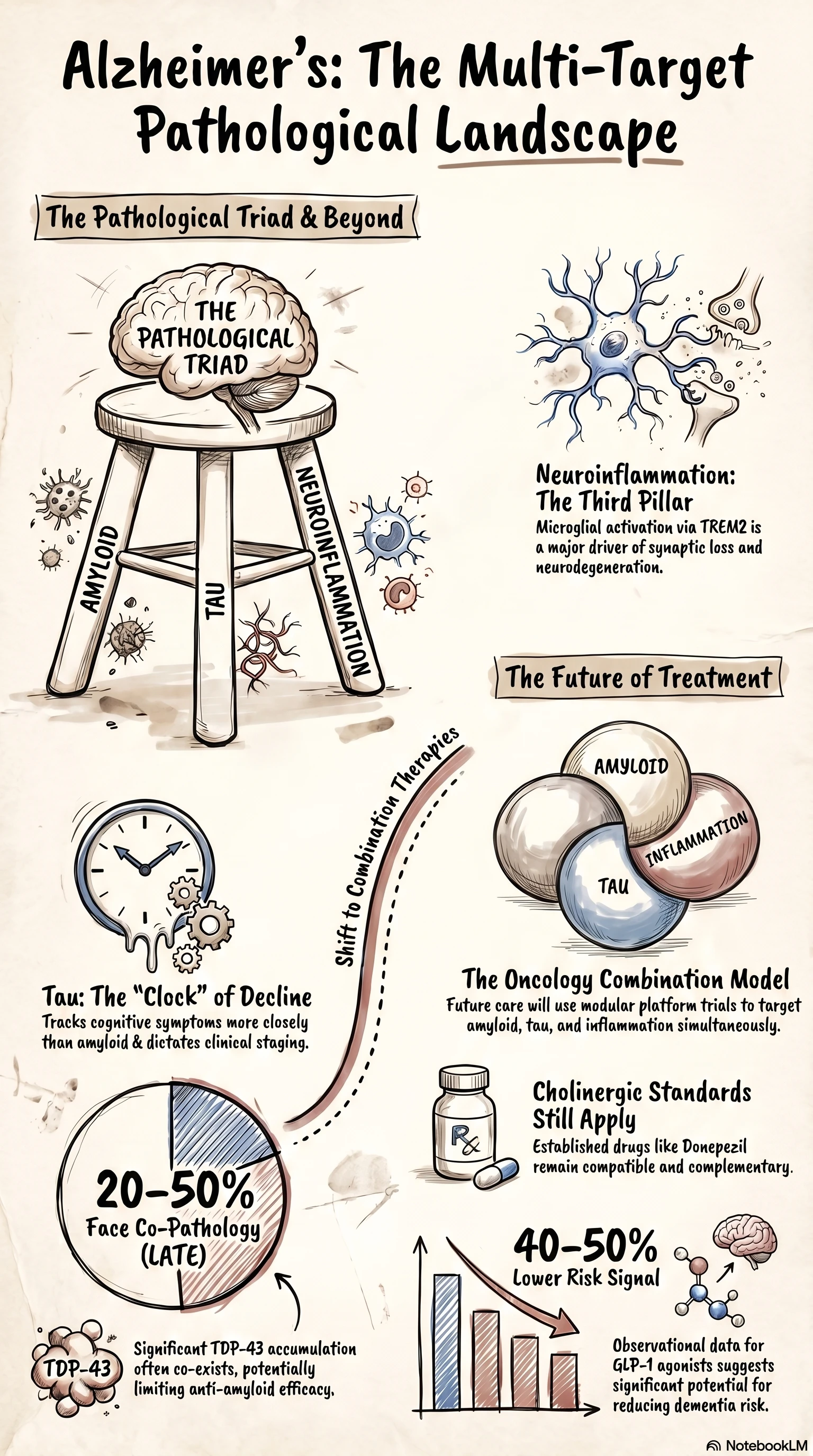
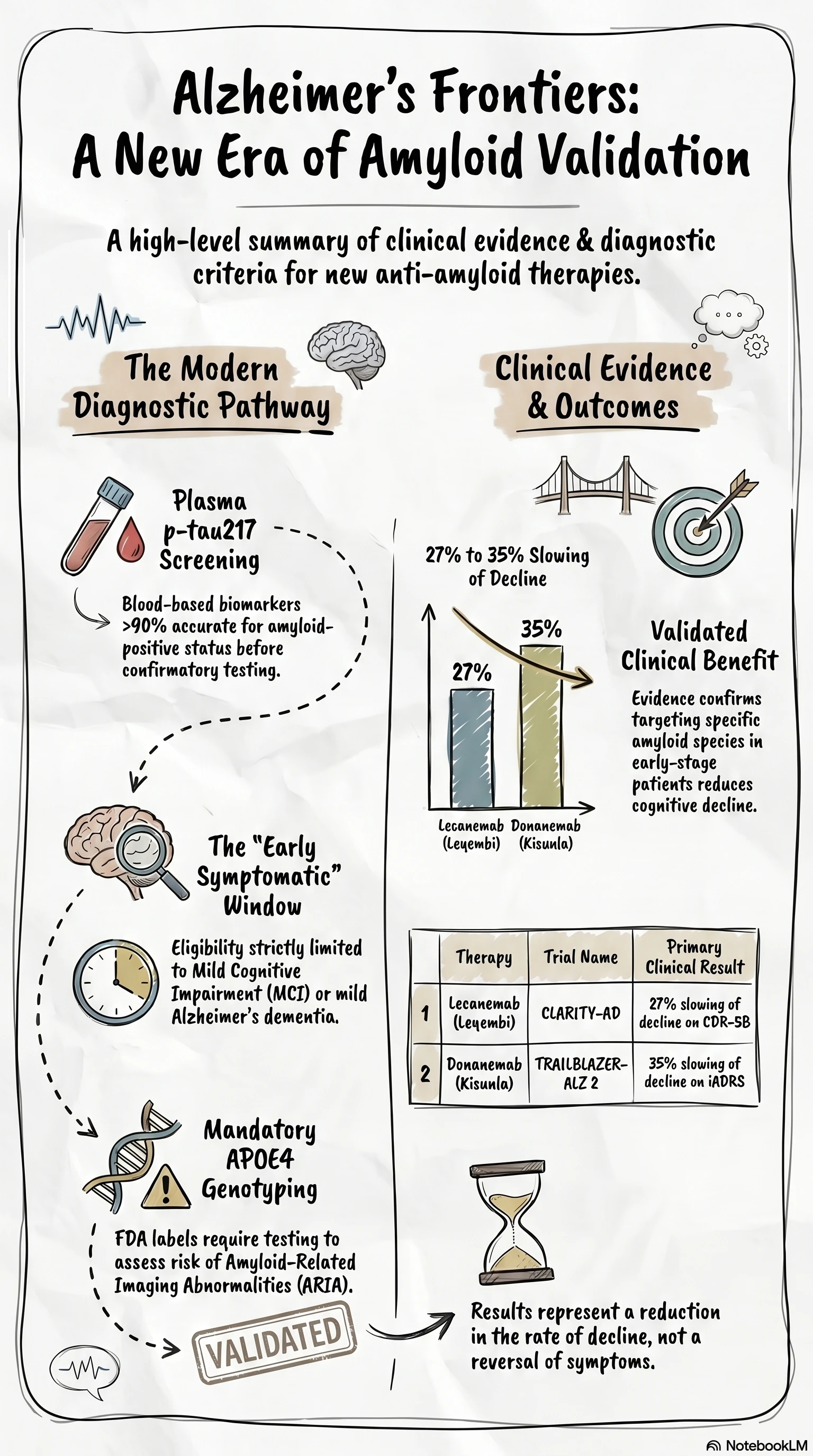
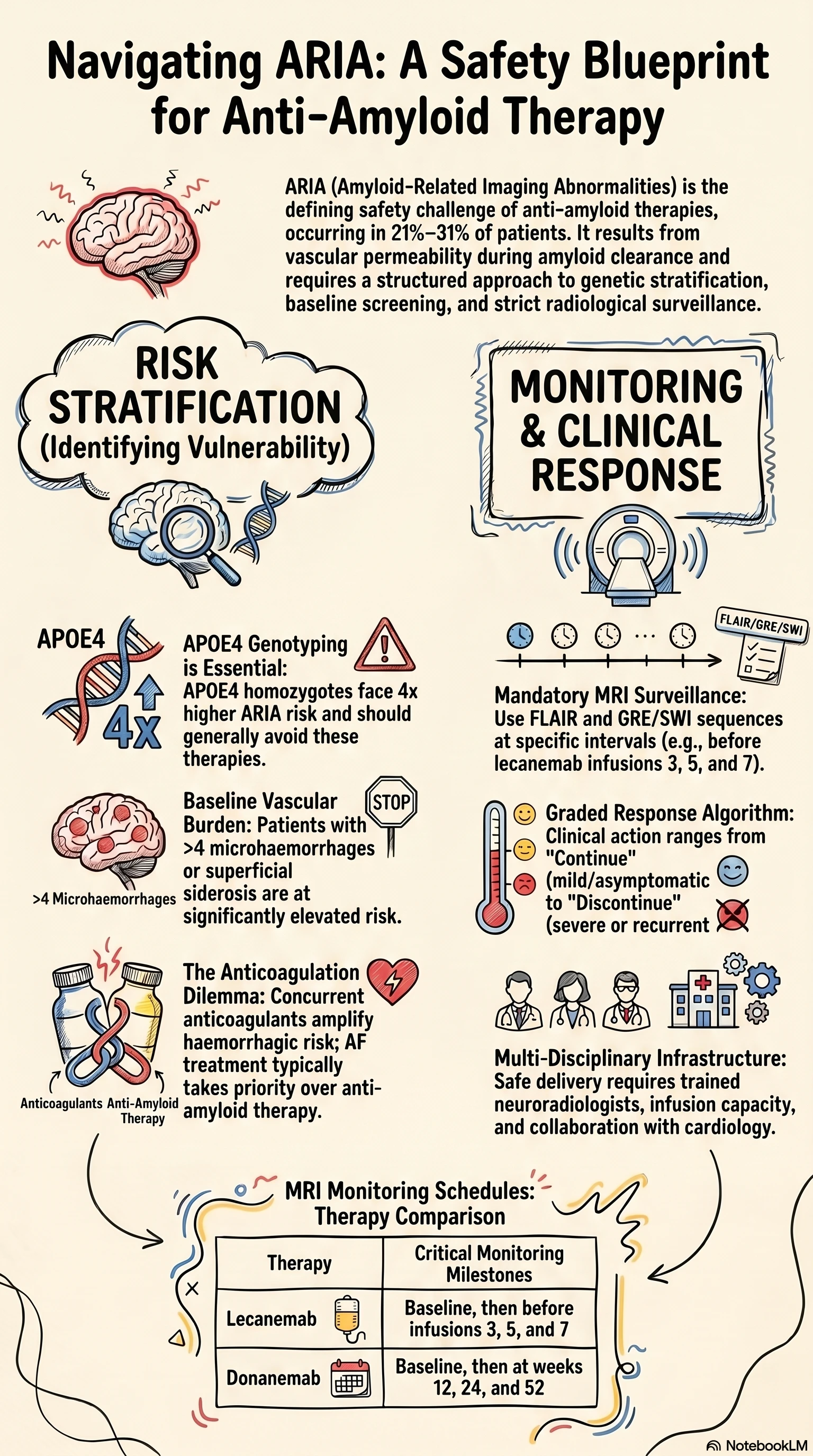
Lecanemab and donanemab are approved. The harder question is who gets them and how
 AdvertisementAdvertisementAdvertisement
 • Oct 23 – 27ACR 2026 • Orlando, US
  • Nov 6 – 11AHA 2026 • Chicago, US • Nov 6 – 9ASH 2026 • New Orleans, US • Dec 12 – 15ACC.27 Together With WCC • Houston, US • Apr 10 – 12LIVEESMO 2026 • Madrid, ES • Oct 23 – 27ACR 2026 • Orlando, US • Nov 6 – 11AHA 2026 • Chicago, US • Nov 6 – 9ASH 2026 • New Orleans, US • Dec 12 – 15ACC.27 Together With WCC • Houston, US • Apr 10 – 12
 Advertisement
 MadridOct 23 – 27 2026
Get on-site reporting the moment it publishes.
MadridAttending ESMO 2026?
Get our free prep guide: key sessions by day, satellite symposia listings, and recommended spots near the venue.
Free. No spam. Unsubscribe anytime.