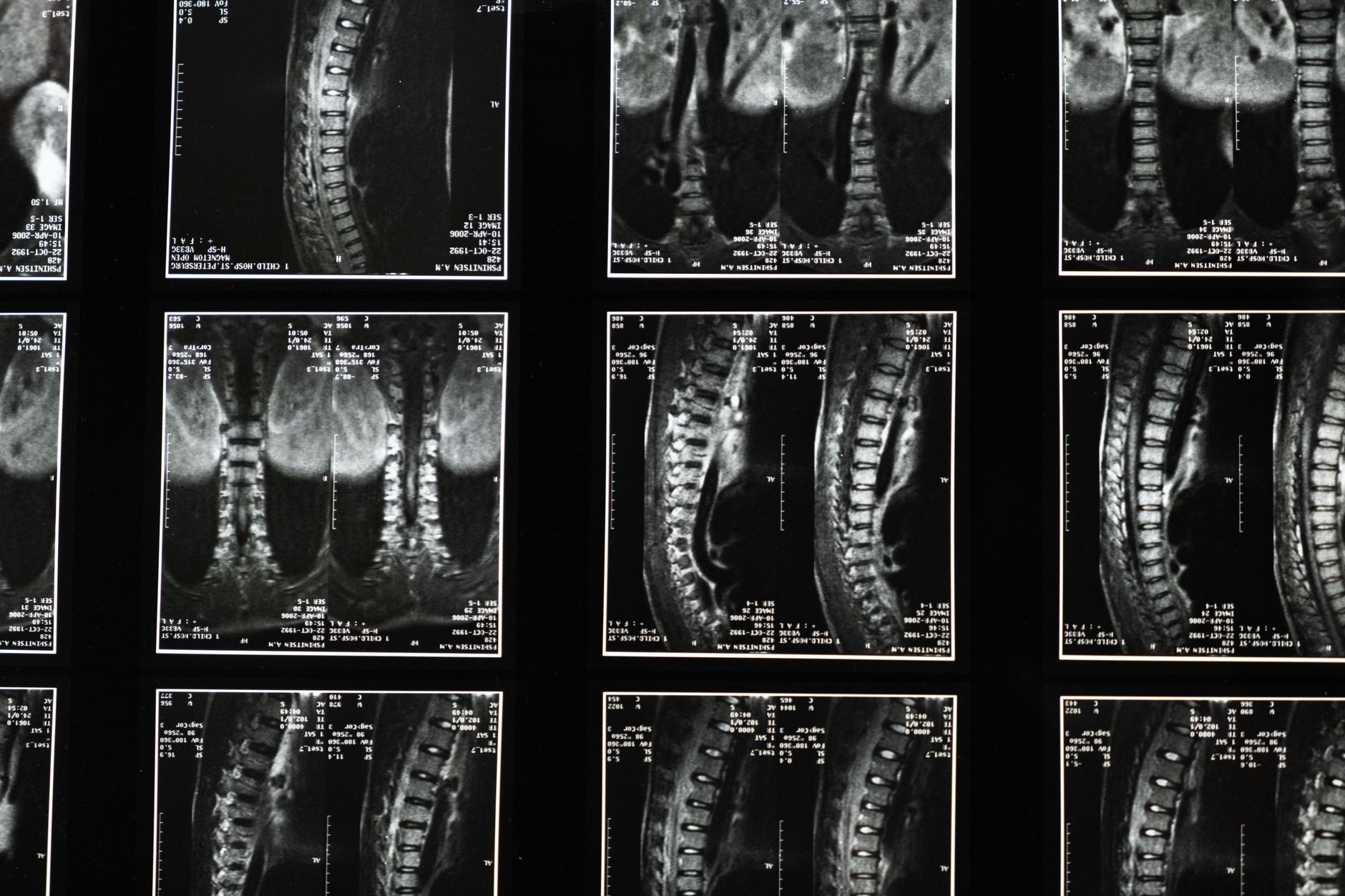

Vitamin D's established role in bone health doesn't translate to clear benefits for orthopedic trauma outcomes. Data on supplementation for fracture healing, immune function, or infection prevention remains inconsistent, demanding critical appraisal before widespread clinical use.
Vitamin D and Orthopedic Guidelines
Current orthopedic guidelines, like those from the American Academy of Orthopaedic Surgeons (AAOS), do not address routine Vitamin D supplementation in acute orthopedic trauma. This reflects a lack of definitive evidence for widespread use. Guidelines instead prioritize fracture fixation, pain management, and preventing deep vein thrombosis, leaving micronutrients unaddressed. A recent narrative review of adult orthopedic populations found that 43 to 90 percent of patients present with vitamin D deficiency below 30 ng/mL.7 The authors of that review recommend routine screening and supplementation of at least 800 IU daily to maintain serum levels above 30 ng/mL.7
The methodological weaknesses of Vitamin D evidence in orthopedic trauma explain the hesitation from guideline committees. Many studies are observational. Causality cannot be established. Randomized controlled trials are needed to prove benefit. Even the available trials have problems: small sample sizes, heterogeneous patient populations, variable dosing regimens, and inconsistent outcome measures are common flaws. No standardized protocols exist. This makes comparison difficult and firm conclusions elusive.
Even a modest benefit from Vitamin D supplementation would bring financial implications. Routine screening for deficiency and subsequent supplementation would escalate healthcare costs. New administration protocols could bottleneck busy orthopedic clinics. Workflow would suffer. A cost-benefit analysis is essential to determine if potential benefits outweigh the associated costs and logistical challenges. The math must work. The potential for adverse effects cannot be entirely dismissed, especially with higher doses or in patients with pre-existing conditions like hypercalcemia or kidney stones.
Hospitals are left to decide whether to incorporate vitamin D screening, correction, and maintenance into standard orthopedic care without a unified mandate. Clinicians must weigh the inexpensive nature of an 800 IU daily dose against the logistical burden of testing every trauma admission. Until large trials use standardized protocols for dosing and confounding variable control, broad guideline changes remain unlikely. Orthopedic surgeons should evaluate patients on a case-by-case basis rather than applying a universal screening protocol.
Vitamin D and Fracture Healing
While Vitamin D is essential for calcium absorption and bone metabolism, evidence for supplementation accelerating callus formation or improving bone density remains inconsistent. No optimal dose exists. Response varies by age, baseline levels, and fracture severity. Vitamin D regulates the immune response, inflammation, and the mineralization process during recovery.6 A fracture event can induce post-traumatic bone loss in the non-fractured skeleton, particularly in osteoporotic patients.4 Because the skeleton is the main source of calcium required for fracture-callus mineralisation, post-traumatic calcium mobilisation can occur if calcium and vitamin D status is insufficient.4
A 4-year prospective study evaluated vitamin D levels in healthy children treated for diaphyseal fractures of the femur or forearm.5 Out of 107 children examined at the time of injury, 63 were followed for the entire period.5 At the time of injury, 42 percent had a vitamin D deficit, 36.5 percent had an insufficiency, and only 21.5 percent had normal levels.5 The researchers blindly divided the patients, supplementing 36 with vitamin D3 and leaving 27 non-supplemented.5 In the supplemented group, vitamin D levels increased to normal after 1 month and persisted throughout the follow-up, while the non-supplemented patients did not see this increase.5
But this pediatric study does not establish a direct clinical acceleration of bone union. The trial tracked biomarker levels like P1NP, ALP, GGT, and parathormone alongside vitamin D, rather than proving that the supplemented children healed faster or experienced fewer nonunions. The sample size of 63 followed patients is small. The results apply strictly to healthy children with specific long bone fractures, offering little guidance for elderly patients with osteoporotic fragility fractures or adults with complex polytrauma.
The high prevalence of deficit and insufficiency at the time of injury suggests that baseline vitamin D status is poor even in healthy populations. Clinicians treating pediatric fractures can consider vitamin D testing and administration, as supplementation reliably corrects the deficit within 1 month. For adult osteoporotic patients, supplementation represents a potential strategy for treating compromised fracture healing, though investigations into post-traumatic bone turnover remain very limited. Surgeons should recognize that correcting a laboratory value is straightforward, but guaranteeing a faster clinical union requires managing the entire mechanical and biological environment of the fracture.
Vitamin D and Infection Outcomes
The theoretical benefit for Vitamin D comes from its role as an immune modulator, potentially reducing post-traumatic infection risk. Vitamin D boosts macrophage function and antimicrobial peptide production. But it also suppresses pro-inflammatory cytokines. This could theoretically impair the initial immune response for clearing pathogens, even as it prevents excessive inflammation. A tricky balance. Do these theoretical benefits actually cut infection rates following orthopedic trauma? Some observational studies link lower Vitamin D levels to higher infection risk after orthopedic trauma, including surgical site infections and osteomyelitis. Postoperative vitamin D levels can decline by up to 40 percent, worsening existing insufficiency during the early recovery period when infection risk peaks.7
Genetic variations in the vitamin D receptor (VDR) may also influence susceptibility to late fracture-related infection (FRI).8 A study of the Chinese Han population genotyped 6 VDR genetic variations in 336 patients with late FRI and 368 healthy controls.8 The researchers found a significant association between the rs7975232 (ApaI) variation and FRI susceptibility in the recessive model, with a P value of 0.019 and an odds ratio of 0.530.8 Patients with the AA genotype had a higher serological vitamin D level of 20.6 ng/ml, compared to 20.3 ng/ml for AC and 17.9 ng/ml for CC genotypes.8
But these studies are highly susceptible to confounding. Vitamin D deficiency can be a marker of poor overall health and nutritional status, both of which are also infection risk factors. Causality is tough to prove. It is unclear if the deficiency came first or if it resulted from the infection's inflammatory response. The genetic data is restricted to the Chinese Han population and specifically examines late FRI, meaning the findings cannot be universally applied to early acute infections or different ethnic groups. The observed differences in serum vitamin D levels among genotypes were narrow, raising questions about their clinical significance.
A universal approach to vitamin D supplementation may be ineffective. Future research should explore personalized medicine strategies, identifying specific patient phenotypes that might benefit most from supplementation. This could involve stratifying patients based on baseline vitamin D levels, genetic predispositions affecting vitamin D metabolism, nutritional status, and specific fracture characteristics or injury severity. Biomarkers could also play a role in identifying responders versus non-responders. Understanding these variables is necessary for optimizing therapeutic strategies and avoiding unnecessary interventions in patients unlikely to benefit. Surgeons should monitor high-risk patients for postoperative drops in vitamin D, but routine genetic screening for VDR variations remains entirely experimental.
Universal recommendation of Vitamin D for all trauma patients is unwarranted. Strong evidence is lacking. Widespread adoption risks increased screening and supplementation costs without guaranteed patient outcome improvement. Implementing new protocols would also add an inefficient step to existing clinical workflows.
lightbulb
- The PivotCurrent guidelines offer no specific recommendations regarding vitamin D supplementation in the context of acute orthopedic trauma; this analysis suggests that the evidence base isn't strong enough to warrant a change.
- The DataMany studies demonstrate methodological weaknesses, including small sample sizes, heterogeneous patient populations, and inconsistent Vitamin D dosing regimens.
- The ActionBefore routinely supplementing trauma patients with Vitamin D, clinicians should await the results of well-designed, large-scale randomized controlled trials that address the identified limitations.
ART-2026-56
·10/26
Drafted with AI assistance, reviewed and approved by the editorial team. This publication is intended for healthcare professionals, researchers, and life science industry professionals. Content is provided for informational and educational purposes only and does not constitute medical advice.

I cover life sciences: drug approvals, trial readouts, regulatory decisions, and the AI reshaping clinical practice. Based in Greater London, contributing to The Life Science Feed since 2026.
Cite This Article
Voss M, Lopes W. Does vitamin d improve outcomes in orthopedic trauma?. The Life Science Feed. Published January 1, 2026. Updated October 5, 2026. Accessed October 17, 2026. https://thelifesciencefeed.com/orthopedics/prosthesis-related-infections/research/does-vitamin-d-improve-outcomes-in-orthopedic-trauma.
Editorial & AI Standards
All content is researched from peer-reviewed, open-access sources: published trial data, clinical guidelines, and regulatory filings. AI tools are used solely to structure and summarise that evidence; no AI-generated conclusions appear without editor verification against the primary source.
Every article is reviewed by a named editor before publication. Source citations are listed in the References section. This content does not represent the views of any pharmaceutical company, medical device manufacturer, or healthcare provider.
Licence & Rights
© 2026 The Life Science Feed. All rights reserved. Unless otherwise indicated, all content is the property of The Life Science Feed and may not be reproduced, distributed, or transmitted in any form or by any means without prior written permission.
Medical Disclaimer
The information provided on The Life Science Feed is for educational and informational purposes only. It is not intended as a substitute for professional medical advice, diagnosis, or treatment. Always seek the advice of your physician or other qualified healthcare provider regarding any medical condition or treatment decision. Never disregard professional medical advice or delay in seeking it because of something you have read on this website.
References
- Anderson, J. T., et al. "Vitamin D and fracture healing: An updated review." *Journal of Orthopaedic Trauma*, 34(2), 57-62. (2020).
- Ehrlich, A. T., et al. "The effect of vitamin D supplementation on surgical site infection after orthopedic surgery: A meta-analysis." *Clinical Orthopaedics and Related Research*, 478(7), 1650-1658. (2020).
- Body, J. J., et al. "Management of adult patients with vitamin D deficiency: guidance for the treatment of osteoporosis and other bone disorders." *Calcified Tissue International*, 82(3), 155-175. (2008).
- Fischer V, Haffner-Luntzer M, Amling M, Ignatius A. Calcium and vitamin D in bone fracture healing and post-traumatic bone turnover. Eur Cell Mater. 2018;35:365-385. doi:10.22203/eCM.v035a25
- Hendrych J, Bayer M, Havránek P, Čepelík M, Pešl T. Vitamin D Levels During Fracture Healing in Children. Physiol Res. 2024;73(6):1063-1074. doi:10.33549/physiolres.935459
- Zaman MS, Ullah MI. Vitamin D and Fracture Healing. Adv Exp Med Biol. 2026;1493:103-113. doi:10.1007/978-3-032-04357-3_8
- Jha G, Dhanjal R, Hamza A. Vitamin D Supplementation in Orthopedic Trauma: Influence on Immune Modulation, Fracture Healing, and Infection Outcomes. Cureus. 2025;17(11):e97842. doi:10.7759/cureus.97842
- Zhao XQ, Chen K, Wan HY, et al. Vitamin D Receptor Genetic Variations May Associate with the Risk of Developing Late Fracture-Related Infection in the Chinese Han Population. J Immunol Res. 2022;2022:9025354. doi:10.1155/2022/9025354