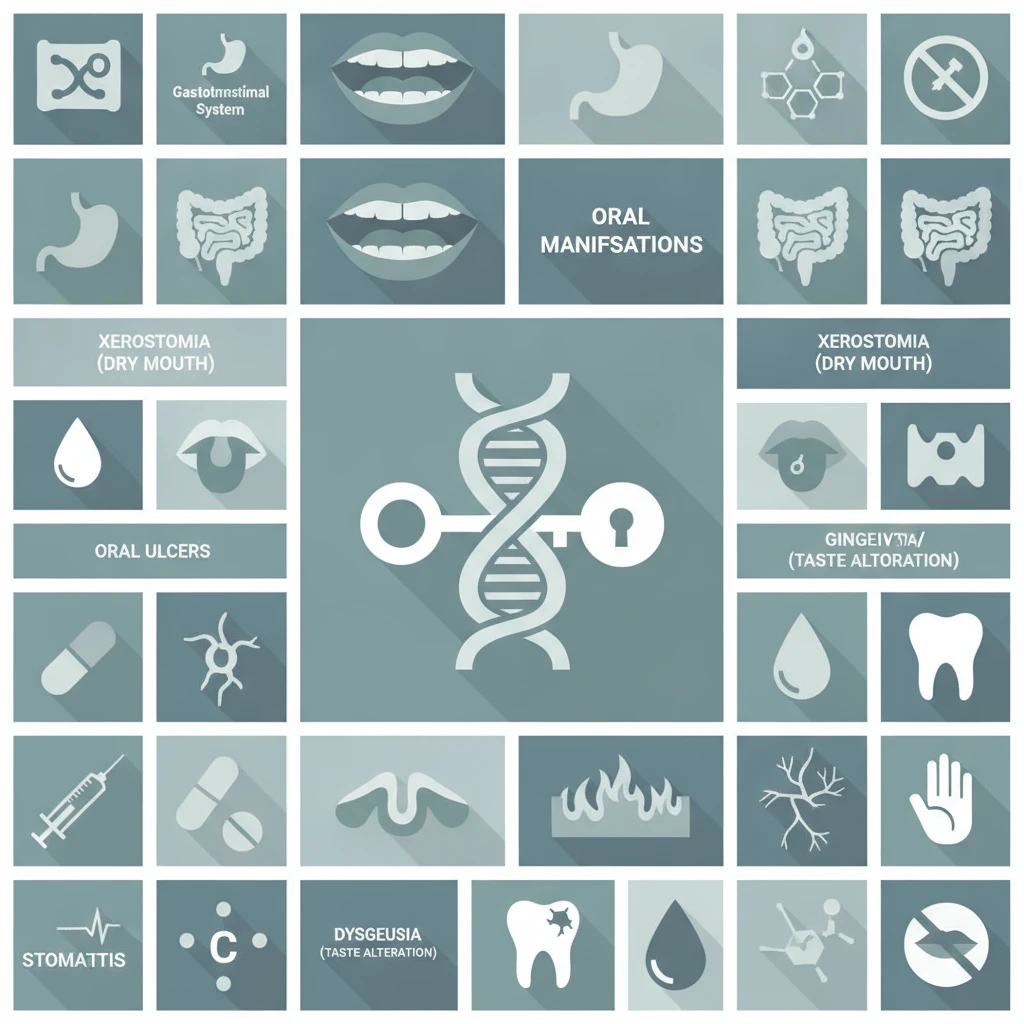

The widespread adoption of glucagon-like peptide-1 (GLP-1) receptor agonists for type 2 diabetes and weight management has brought increased attention to their systemic effects. While their efficacy in glycaemic control and weight reduction is well-established, clinicians should be aware of emerging reports concerning oral health manifestations, colloquially termed 'Ozempic Mouth', which primarily involve xerostomia and its sequelae.
GLP-1 receptor agonists, including semaglutide and liraglutide, function by mimicking the endogenous incretin hormone GLP-1, thereby enhancing glucose-dependent insulin secretion, suppressing glucagon secretion, slowing gastric emptying, and promoting satiety.1 These mechanisms contribute to their therapeutic benefits in managing type 2 diabetes and obesity. However, the slowing of gastric emptying, a key mechanism of action, is also associated with common gastrointestinal adverse effects such as nausea, vomiting, and constipation.2
Beyond gastrointestinal effects, a less frequently discussed but clinically relevant adverse effect is xerostomia, or dry mouth.3 While not universally reported in initial pivotal trials as a primary endpoint, post-marketing surveillance and anecdotal reports have highlighted its prevalence. Xerostomia can arise from various causes, including medication side effects, systemic diseases, and salivary gland dysfunction.4 In the context of GLP-1 receptor agonists, the exact pathophysiology of drug-induced xerostomia is not fully elucidated, but it is hypothesised to be related to altered autonomic nervous system activity or direct effects on salivary gland function.5
Oral Manifestations and Management Strategies
Chronic xerostomia can have significant implications for oral health. Saliva plays a critical role in maintaining oral homeostasis by lubricating oral tissues, aiding in food bolus formation, facilitating taste, and providing antimicrobial protection.6 A reduction in salivary flow and changes in salivary composition can lead to several adverse outcomes. Patients experiencing xerostomia are at an increased risk of dental caries due to reduced buffering capacity and impaired clearance of food debris and acids from the tooth surface.7 Furthermore, the lack of salivary lubrication can result in discomfort, difficulty speaking and swallowing (dysphagia), and an increased susceptibility to oral mucosal infections, such as candidiasis.8 Periodontal disease progression may also be exacerbated in individuals with chronic dry mouth.9
Management of GLP-1 receptor agonist-associated xerostomia involves a multi-faceted approach focused on symptom relief and prevention of sequelae. Patients should be advised to maintain meticulous oral hygiene, including regular brushing with fluoride toothpaste and daily flossing.10 Frequent sips of water throughout the day can help alleviate dryness. Over-the-counter salivary substitutes, such as artificial saliva sprays or gels, can provide temporary relief.11 Sugar-free chewing gum or lozenges can stimulate salivary flow, provided they do not contain ingredients that could exacerbate dental erosion.12 For patients with severe or persistent symptoms, prescription medications such as pilocarpine or cevimeline, which stimulate salivary gland secretion, may be considered, though their use should be weighed against potential systemic adverse effects.13 Regular dental check-ups, ideally every three to six months, are crucial for early detection and management of dental caries or periodontal issues.14 Dental professionals may recommend topical fluoride applications or high-fluoride toothpastes to enhance remineralisation and reduce caries risk.15
The emergence of 'Ozempic Mouth' as a recognised adverse effect of GLP-1 receptor agonists underscores the importance of a holistic approach to patient care. While the metabolic benefits of these agents are substantial, clinicians must integrate potential oral health consequences into their prescribing discussions. It is insufficient to merely focus on HbA1c or weight reduction; patient quality of life, including oral comfort and dental health, warrants equal consideration.
For primary care physicians and endocrinologists, this means proactively inquiring about oral dryness and associated symptoms during follow-up appointments. A simple question can prompt a discussion that leads to early intervention, potentially preventing significant dental morbidity. Collaboration with dental professionals is also paramount. Establishing clear referral pathways and encouraging patients to inform their dentists about their medication regimen can facilitate tailored preventive strategies. The pharmaceutical industry, in turn, should ensure that comprehensive information regarding oral adverse effects, including management strategies, is prominently featured in prescribing information and patient education materials. This is not merely a matter of regulatory compliance but of ethical responsibility to the millions of patients now using these therapies.
Ultimately, the long-term success of GLP-1 receptor agonists hinges not only on their efficacy but also on the effective management of their adverse effect profile. Neglecting oral health concerns could diminish patient adherence and overall satisfaction, despite the profound metabolic improvements. A proactive, interdisciplinary approach is essential to ensure that the benefits of these innovative treatments are fully realised without compromising other aspects of patient well-being.
- The Pivot GLP-1 receptor agonists, while effective for metabolic conditions, are increasingly linked to specific oral health challenges.
- The Data Xerostomia, a common adverse effect, can lead to increased dental caries risk and periodontal disease.
- The Action Clinicians should proactively counsel patients on potential oral adverse effects and recommend preventive dental care strategies.
ART-2026-335
Cite This Article
Team TLSFE. Glp-1 receptor agonists: understanding oral manifestations. The Life Science Feed. Updated June 13, 2026. Accessed June 13, 2026. https://thelifesciencefeed.com/dentistry/oral-mucosal-lesions/insights/glp-1-receptor-agonists-understanding-oral-manifestations.
Editorial & AI Standards
All content is researched from peer-reviewed, open-access sources — published trial data, clinical guidelines, and regulatory filings. AI tools are used solely to structure and summarise that evidence; no AI-generated conclusions appear without editor verification against the primary source.
Every article is reviewed by a named editor before publication. Source citations are listed in the References section. This content does not represent the views of any pharmaceutical company, medical device manufacturer, or healthcare provider.
Licence & Rights
© 2026 The Life Science Feed. All rights reserved. Unless otherwise indicated, all content is the property of The Life Science Feed and may not be reproduced, distributed, or transmitted in any form or by any means without prior written permission.
Medical Disclaimer
The information provided on The Life Science Feed is for educational and informational purposes only. It is not intended as a substitute for professional medical advice, diagnosis, or treatment. Always seek the advice of your physician or other qualified healthcare provider regarding any medical condition or treatment decision. Never disregard professional medical advice or delay in seeking it because of something you have read on this website.
References
1. Nauck MA, Meier JJ. Glucagon-like peptide 1 receptor agonists in the treatment of type 2 diabetes: state-of-the-art. Diabetes Care. 2021;44(5):1251-1262.
2. Wilding JPH, Batterham RL, Calanna S, et al. Once-weekly semaglutide in adults with overweight or obesity. N Engl J Med. 2021;384(11):989-1002.
3. American Dental Association. Oral health considerations for patients on GLP-1 receptor agonists. J Am Dent Assoc. 2023;154(10):890-892.
4. Sreebny LM, Vissink A. Dry Mouth: The Malevolent Symptom. Wiley-Blackwell; 2010.
5. Guggenheimer J, Moore PA. Xerostomia: etiology, recognition and treatment considerations. J Am Dent Assoc. 2003;134(1):61-69.
6. Dawes C. Salivary flow rates and the composition of whole saliva in children and adults. Arch Oral Biol. 2008;53(7):679-684.
7. Zero DT, Fontana M, Lennon AM. Clinical application of caries risk assessment and prevention. Dent Clin North Am. 2009;53(1):1-25.
8. Scully C, Diz Dios P. Oral candidosis. Med Oral Patol Oral Cir Bucal. 2006;11(2):E145-152.
9. Pihlstrom BL, Michalowicz BS, Johnson NW. Periodontal diseases. Lancet. 2005;366(9499):1809-1820.
10. American Dental Association. Oral health topics: dry mouth. Accessed October 26, 2023. https://www.ada.org/resources/research/science-and-research-institute/oral-health-topics/dry-mouth
11. Furness S, Worthington HV, Bryan G, et al. Interventions for the management of dry mouth: topical therapies. Cochrane Database Syst Rev. 2011;(12):CD008934.
12. Newbrun E. The use of sugar alcohols in the prevention of dental caries. Pure Appl Chem. 1992;64(7):1001-1004.
13. Gorsky M, Epstein JB, Parry J, et al. The efficacy of pilocarpine in the treatment of radiation-induced xerostomia. Oral Surg Oral Med Oral Pathol Oral Radiol Endod. 2004;97(2):191-196.
14. American Academy of Periodontology. Periodontal disease. Accessed October 26, 2023. https://www.perio.org/for-patients/periodontal-disease/
15. Marinho VCC, Higgins JPT, Logan S, et al. Fluoride toothpastes for preventing dental caries in children and adolescents. Cochrane Database Syst Rev. 2003;(1):CD002278.