All articles1000

Bariatric surgery's decline: Is it more than GLP-1s?
Bariatric surgery rates saw a decline before the COVID-19 pandemic, a trend that predates the widespread adoption of GLP-1 receptor agonists for weight management.

Lung cancer in never smokers: The 60x risk factor you might be missing
A specific EGFR variant significantly increases lung cancer risk in individuals who have never smoked, challenging traditional views on lung cancer etiology. This genetic predisposition highlights a critical, often overlooked, pathway to disease development.

GLP-1s: Why higher BMI doesn't protect bones in diabetes
GLP-1 receptor agonists may reduce fracture risk in patients with type 2 diabetes and obesity, a population often vulnerable to bone fragility despite higher body mass.

GLP-1 'super responders' aren't who you think they are
GLP-1 receptor agonists have transformed obesity and type 2 diabetes management, but patient responses vary significantly. Identifying 'super responders' could optimize treatment strategies and resource allocation.

ACLF: Why G-CSF works for some, but fails others
Specific immune cell populations and inflammatory markers predict G-CSF treatment response and mortality in acute-on-chronic liver failure, a GRAFT sub-study shows.

Rethinking xylitol: Is this 'healthy' sugar substitute a cardiac threat?
Xylitol, a common sugar alcohol, has been linked to an elevated risk for major adverse cardiovascular events, raising concerns about its widespread use.

Hypertension: Do shorter wall squats work as well for older women?
Isometric wall squats reduced blood pressure in older women with hypertension, but a higher dose did not offer superior postexercise hypotension.

Alzheimer's blood tests: Why are unverified claims spreading so fast?
Unverified claims about a new Alzheimer's blood test are circulating online, creating confusion for patients and clinicians alike. These claims often overstate the test's diagnostic capabilities and clinical utility.

Hyperactivity and ID: It's not just genetics, it's O-GlcNAc dyshomeostasis
Pathogenic O-GlcNAc dyshomeostasis, driven by OGT gene variants, causes cortical malformations and hyperactivity in a rodent model, revealing neurodevelopmental defects.

Type 2 diabetes: Is early control a cancer shield or a red herring?
Poor glycaemic control soon after type 2 diabetes diagnosis correlates with increased cancer risk, particularly for pancreatic and colorectal cancers.

Semaglutide: Beyond weight loss, what's the real reason it works?
Semaglutide, a GLP-1 RA, shows promise beyond obesity and diabetes, with emerging data suggesting roles in orthopedics and heart failure with preserved ejection fraction.

Type 1 diabetes: Beyond insulin, what are we missing?
Early-stage type 1 diabetes care extends beyond insulin, requiring a comprehensive approach to manage glycaemia, prevent complications, and support patient well-being.

Beyond HbA1c: What integrated diabetes care really means for organs
Managing diabetes extends beyond glucose control, requiring a holistic approach to prevent heart, kidney, and liver complications.

Beyond statins: The counterintuitive path to cutting pancreatitis risk
ApoC-III inhibition with plozasiran reduced triglycerides by 53%-58% and showed a borderline 17% reduction in pancreatitis events in severe hypertriglyceridemia.

Lipohypertrophy: It's not just cosmetic for GLP-1 patients
Suboptimal injection practices contribute to lipohypertrophy, impairing drug absorption and glycemic control in patients using insulin and GLP-1 injectables. Correct technique is essential for therapeutic efficacy.

Metabolic health: Why weight loss isn't enough for your patients
Metabolic health extends beyond simple weight loss, requiring a focus on underlying biological mechanisms that drive dysfunction. Effective interventions target insulin resistance, inflammation, and adipocyte function.

Type 1 diabetes: Why managing insulin isn't enough anymore
Teplizumab represents a significant step in autoimmune type 1 diabetes management, moving beyond insulin replacement to target disease progression itself. Its mechanism offers a new approach to preserving beta-cell function.

CKD, T2D: Why RAASi isn't enough for cardiorenal protection?
Non-steroidal mineralocorticoid receptor antagonists offer a new therapeutic avenue for cardiorenal protection, particularly in patients with chronic kidney disease and type 2 diabetes. These agents mitigate inflammation and fibrosis, addressing residual risk beyond traditional renin-angiotensin-aldosterone system inhibition.

Sex and hypoglycaemia in type 1 diabetes: what CGM data now show
Across 110 events in 12 adults with type 1 diabetes, sexual intercourse caused no clinically significant hypoglycaemia. Glucose moved in both directions, shaped by the starting level, body mass index and time of day.

Why CGM readings drift during a marathon in type 1 diabetes
In a real marathon, CGM error reached 36.6% to 43.1%, several times the figures seen in short laboratory exercise tests. Runners with type 1 diabetes finished as fast as controls, but a fingerstick still earns its place.
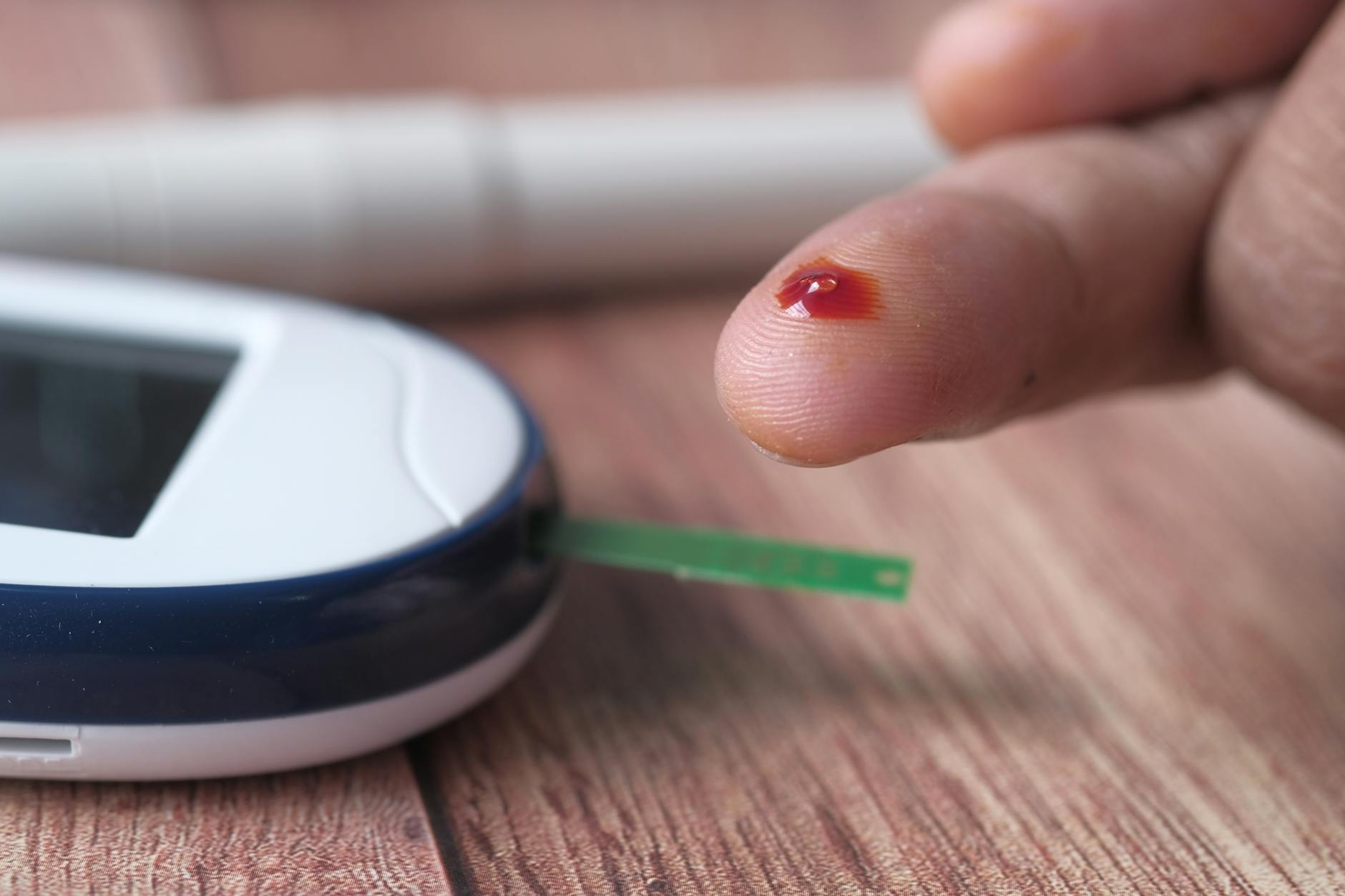
The enduring puzzle of diabetes remission after bariatric surgery
Bariatric surgery often leads to diabetes remission, but the mechanisms are complex and not solely due to weight loss. Understanding these pathways is essential for optimising patient outcomes.
Korlym (mifepristone) in Cushing's syndrome: why cortisol cannot guide treatment
Mifepristone blocks the glucocorticoid receptor rather than lowering cortisol, so ACTH and cortisol rise on treatment and cannot be used to judge response. Almost everything difficult about using this drug follows from that one fact.
Xiidra (lifitegrast) in dry eye disease: what the OPUS trials actually showed
Lifitegrast blocks LFA-1 binding to ICAM-1, interrupting T-cell adhesion before the inflammatory cascade begins. The OPUS programme is more nuanced than it is usually described: no single trial met both its sign and its symptom endpoint, and reading all three gives a different picture from reading one.

IPF: Why new therapies are still missing the mark
The TETON Phase 3 clinical program provides new insights into the management of idiopathic pulmonary fibrosis, highlighting both progress and persistent challenges.

Alpha-1 Antitrypsin Deficiency: Why fragmented care costs lives
Alpha-1 antitrypsin deficiency presents as both a respiratory and hepatic disease, often leading to diagnostic delays and suboptimal management due to fragmented care.

Air pollution: Why policies fail, and patients pay the price
Despite clear evidence linking air pollution to adverse health outcomes, effective implementation of protective policies remains a significant hurdle.

Respiratory care: Why neurology's long-acting therapies could be key
Insights from multiple sclerosis treatment paradigms offer a framework for developing ultra-long-acting therapies in respiratory care, addressing adherence and disease progression.

Rethink PDE inhibition in COPD: Not all isoforms are equal
Phosphodiesterase (PDE) inhibitors offer therapeutic potential in COPD, but adverse effects, particularly nausea with PDE4 inhibitors and cardiovascular risks with chronic PDE3 inhibition, limit their broader application.

RSV and COVID-19 vaccines: Why are we still underestimating their impact?
Vaccination against RSV and COVID-19 offers a critical strategy for mitigating the burden of respiratory diseases, particularly in vulnerable populations.

Severe asthma: Why targeted therapies miss some Type 2 patients
Emerging clinical insights suggest the distal airways play a more central role in Type 2 severe asthma pathophysiology than previously understood.

PH-ILD: Why current vasodilators fall short, and what's next
An inhaled sGC activator is under investigation for pulmonary hypertension associated with interstitial lung disease, a condition with significant unmet need.

Beyond rescue inhalers: What really keeps COPD patients out of hospital?
Preventing hospital admissions for COPD requires a comprehensive approach, moving beyond acute symptom management to address the underlying disease progression and comorbidities.

COPD exercise limits: Is your oxygen therapy doing enough?
High-flow humidified oxygen improved exercise endurance and reduced dyspnea in patients with advanced COPD compared to conventional low-flow oxygen.

Beyond diagnosis: ECG waveforms predict MI-E treatment response
Electrocardiogram waveforms offer insights into myocardial infarction with epicardial coronary artery disease (MI-E) efficacy, providing a non-invasive window into myocardial health.

Chronic lung disease: Why early diagnosis still isn't enough
Managing chronic lung diseases presents complex challenges, from accurate diagnosis to optimising long-term treatment strategies and addressing patient adherence.

Sleep Apnea: Why AHI Misses What Matters Most
Traditional AHI metrics often miss the full impact of sleep apnea; hypoxic burden and specific phenotyping offer a clearer picture of patient risk and device efficacy.

COPD: Why one moderate exacerbation changes everything
One moderate COPD exacerbation should prompt clinicians to consider stepping up from dual bronchodilator therapy to a single-inhaler triple therapy.

COPD: Why focusing only on exacerbations misses the bigger picture?
COPD management extends beyond preventing exacerbations, encompassing symptom burden, exercise capacity, and quality of life for a holistic patient approach.

Epithelial health: more than a symptom of chronic inflammation?
Maintaining epithelial barrier integrity is emerging as a critical factor in achieving disease remission, moving beyond traditional symptom management in chronic inflammatory conditions.

Chronic respiratory disease: Why diagnosis often comes too late
Understanding the patient journey for chronic respiratory diseases in resource-limited settings reveals significant diagnostic and treatment delays, impacting long-term outcomes.

Bronchiectasis: Why symptom control isn't enough anymore
Bronchiectasis management is evolving beyond symptomatic relief, with a focus on neutrophil-driven inflammation as a target for disease modification.

High-flow oxygen: The unexpected boost for COPD endurance?
High-flow humidified oxygen improved exercise endurance and reduced dyspnea in patients with advanced COPD compared to conventional low-flow oxygen.

Airway mucus: Is it a symptom or the disease driver in lung conditions?
Airway mucus obstruction is a central feature of many chronic lung diseases, contributing to inflammation, infection, and progressive lung damage.

Beyond the numbers: What your PFT results are really telling you
Pulmonary function tests require an approach beyond simple normal/abnormal classifications, integrating clinical context and patient demographics for accurate diagnosis.

Obesity hypoventilation: CPAP vs. NIV, the economic tension
Obesity hypoventilation syndrome (OHS) can be managed with either CPAP or NIV, with device choice impacting economics and operations.

COPD exacerbations: Why RSV's hidden role demands a new vaccine strategy
RSV infection significantly destabilizes COPD, driving exacerbations and hospitalizations. The adjuvanted RSV vaccine offers a new tool to mitigate this risk.

Pneumococcal disease: Your patients need updated protection now
Pneumococcal disease remains a significant global health burden, with new GBD 2023 data highlighting persistent mortality in vulnerable populations.

Rhinitis isn't just a nuisance: It's a key to managing asthma and COPD
Chronic inflammatory diseases of the upper and lower airways are often comorbid, sharing underlying pathophysiological mechanisms. Integrated management is essential for optimal patient outcomes.

NTM lung disease: Why are we still missing it?
Non-tuberculous mycobacterial lung disease presents significant diagnostic and therapeutic challenges, often leading to delayed intervention and suboptimal patient outcomes.

COPD: Why dual bronchodilation still isn't working for some patients
Dual bronchodilation remains a cornerstone in COPD management, focusing on symptom control and exacerbation reduction.

Pulmonary fibrosis: Why early diagnosis remains a clinical enigma
Pulmonary fibrosis presents significant diagnostic and treatment challenges, often leading to delayed intervention and poorer outcomes for patients.

Severe asthma: Why biologics aren't delivering remission
Severe asthma remission is rare, even with biologic treatments, according to a European registry study highlighting persistent disease burden.

Why targeting IL-33 could change how we manage COPD
Interleukin-33 plays a complex role in COPD pathogenesis, driving both inflammation and mucus production, which contributes to exacerbation risk.

Asthma care: Your patients need more than symptom relief
Current asthma management focuses on symptom control and exacerbation reduction, but patient-reported outcomes highlight persistent unmet needs.
Severe asthma, COPD: Why symptom control isn't enough
Managing severe asthma and COPD requires timely intervention, moving beyond symptomatic relief to address underlying inflammation and prevent exacerbations.

NIV adherence: Why patient engagement is the real determinant of outcomes
Engaging patients actively in their non-invasive ventilation (NIV) therapy improves adherence and clinical outcomes. Education, shared decision-making, and tailored support are critical for success.

Ventilation: Why static guidelines fail dynamic patients
Continuous-improvement ventilation relies on real-world data to refine protocols and enhance patient outcomes, moving beyond static guidelines.

OSA: Why AHI alone isn't predicting your patients' heart risk
The apnea-hypopnea index (AHI) remains the standard for obstructive sleep apnea diagnosis, but its limitations in predicting cardiovascular outcomes are clear.

OPEP therapy: Is your current mucus clearance falling short?
Oscillating positive expiratory pressure (OPEP) therapy offers a non-pharmacological approach to mucus clearance across various respiratory conditions.

Pulmonary alveolar proteinosis: It's not surfactant overproduction
Autoimmune pulmonary alveolar proteinosis (aPAP) results from impaired GM-CSF signaling, leading to surfactant accumulation. Management focuses on whole lung lavage, but targeted therapies are emerging.

Pulmonary alveolar proteinosis: Your patients deserve better
Pulmonary alveolar proteinosis (PAP) management across Europe faces significant disparities, driven by varied access to diagnostic tools and treatment modalities. A unified approach is critical for improving patient outcomes.

Pulmonary Hypertension: Why are we still going systemic?
Inhaled therapies are increasingly central to managing pulmonary arterial hypertension and pulmonary hypertension associated with interstitial lung disease, offering targeted delivery and reduced systemic side effects.

Pulmonary Hypertension: Your objective measures aren't telling the whole story
Patient-reported outcomes are essential for understanding the true burden of pulmonary arterial hypertension and guiding treatment decisions.

Alpha-1 Antitrypsin Deficiency: Beyond augmentation, a new path
Advancements in Alpha-1 Antitrypsin Deficiency (AATD) therapies focus on restoring functional AAT levels and achieving clinically meaningful endpoints beyond simple protein augmentation.

Why treating asthma and CRSwNP separately may fail your patients
Anosmia, or loss of smell, may serve as a crucial indicator of shared inflammatory pathways between asthma and chronic rhinosinusitis with nasal polyps (CRSwNP), suggesting a unified airway disease. Its presence signals a systemic type 2 inflammatory burden that impacts treatment decisions and patient quality of life.

Respiratory inhalers: The hidden climate cost of patient care?
Addressing the environmental impact of respiratory care, particularly inhaler use, is becoming a critical consideration for clinical practice.

COPD: Early aggressive therapy isn't just for lungs
Delayed optimisation of COPD management leads to significant adverse cardiopulmonary outcomes, underscoring the need for earlier, aggressive therapeutic strategies.

Severe asthma, CRSwNP: Why targeting TSLP upstream changes everything
Thymic stromal lymphopoietin (TSLP) inhibition offers a novel strategy for epithelial-driven inflammatory diseases like severe asthma and chronic rhinosinusitis with nasal polyps.

Pulmonary fibrosis: Is inflammation friend or foe?
Fibrotic interstitial lung diseases involve intertwined inflammation and fibrosis, with varying contributions that demand personalized treatment approaches.

Asthma, COPD: Why the 'right' drug often fails in the 'wrong' device
Matching the right inhaler device to a patient's needs remains a persistent challenge in respiratory care, despite a wide array of available options.

Stop missing ILD: AI reveals what the eye can't see
Integrating artificial intelligence with clinical expertise can accelerate the identification of interstitial lung disease, potentially improving patient outcomes.

Asthma: Why are we still guessing when omics can personalize care?
New reviews highlight how omics technologies and artificial intelligence are transforming asthma diagnosis, prognosis, and treatment decisions, moving beyond empirical approaches.

Long-term oxygen therapy: Are we missing the patient experience?
A new questionnaire, QuOTE, offers a simple, patient-reported method to evaluate the impact of long-term oxygen therapy on daily life. This tool provides a direct measure of patient experience, which has been historically difficult to quantify.

COPD & asthma: Why symptom control isn't enough anymore
Current management of COPD and asthma focuses on symptom control, but emerging strategies aim to alter disease progression itself.

Rethinking PCV: Not all conjugate vaccines are equal for chronic lung disease
Real-world evidence on pneumococcal conjugate vaccines (PCVs) highlights differential effectiveness in adults with chronic lung disease.

Personalized COPD care: Is your current approach missing the mark?
New approaches to chronic obstructive pulmonary disease (COPD) management focus on phenotype-guided therapies and early intervention strategies.

Rethinking COPD: Dupilumab shows type 2 inflammation matters
Dupilumab has demonstrated efficacy in both asthma and COPD, offering a new therapeutic avenue for patients with underlying type 2 inflammation.

Pulmonary hypertension: Are we missing a key driver of vascular remodeling?
The insulin-like growth factor (IGF) family contributes to vascular remodeling and endothelial dysfunction in PAH, suggesting potential as diagnostic biomarkers and therapeutic targets.

Eosinophil depletion: Why 'good enough' isn't enough anymore
Near-complete depletion of eosinophils is critical for optimal outcomes in eosinophil-driven diseases, moving beyond simple reduction to target the underlying pathogenic mechanism.

COPD: Why are we still missing early diagnoses?
Chronic obstructive pulmonary disease often goes undiagnosed until advanced stages, delaying interventions that could improve patient outcomes. Identifying at-risk individuals earlier is critical for effective management.
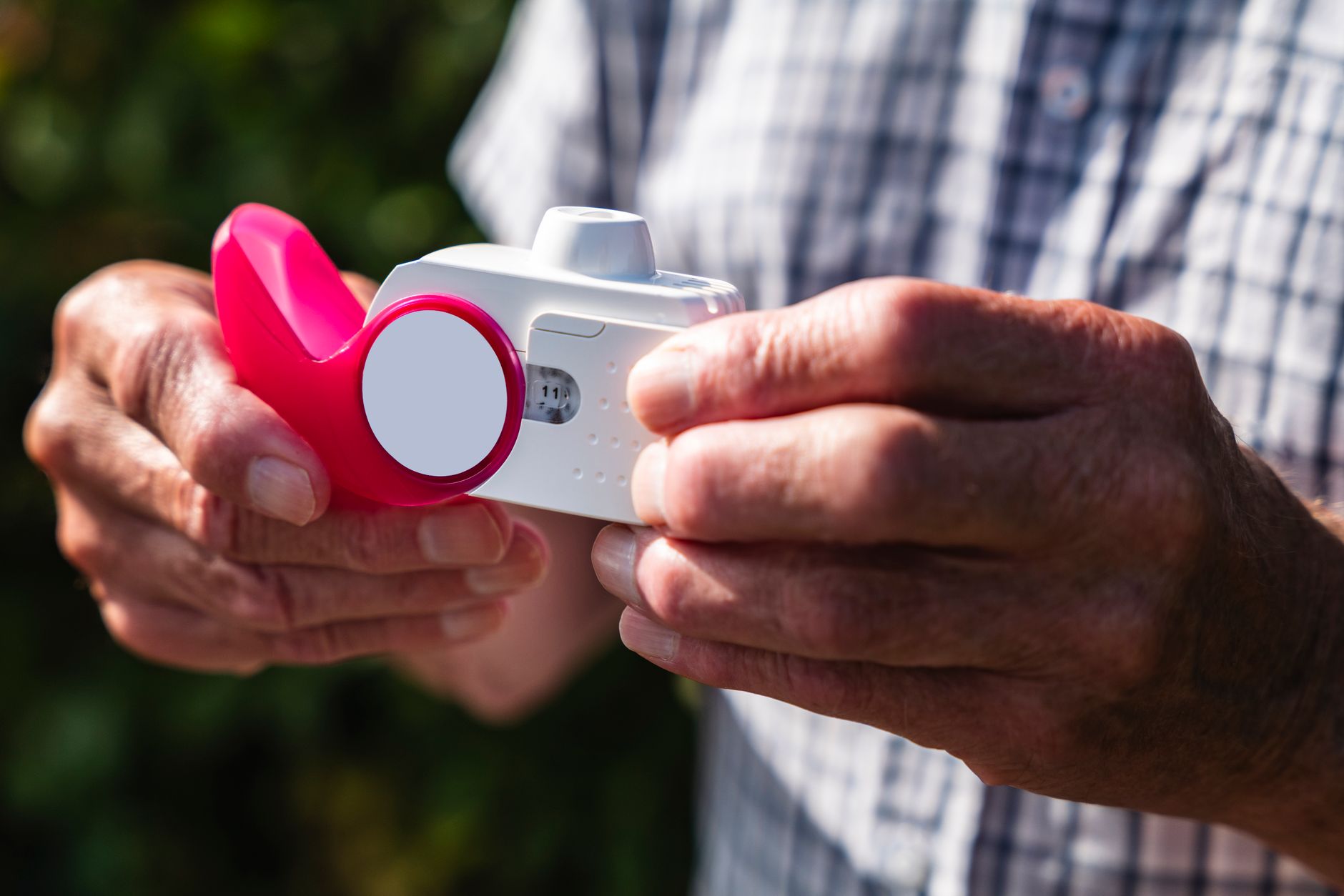
Rethinking asthma control: Why 'stable' isn't always enough
Achieving rapid and sustained control of asthma symptoms is critical for preventing exacerbations and improving long-term patient outcomes.

IPF, PPF: Why patient and clinician views on disease impact diverge
Idiopathic pulmonary fibrosis and progressive pulmonary fibrosis present unique challenges, with patient and pulmonologist perspectives often misaligned on disease impact and management.

Why CPAP success isn't about the device, but the patient experience
Optimising CPAP therapy requires a shift from device-centric views to patient-centred care, addressing comfort, education, and ongoing support.

Central sleep apnea: Why aren't we using ASV more?
Auto-servo ventilation (ASV) therapy is a guideline-recommended treatment for central sleep apnea (CSA), but its adoption in clinical practice remains inconsistent. Understanding ASV's mechanism and patient selection is important for optimal outcomes.

Bronchoscopy training: Why 'hundreds of procedures' may no longer be enough
AI integration into flexible bronchoscopy training aims to improve procedural proficiency and diagnostic accuracy for respiratory specialists.

CRRT: Is earlier liberation better for young patients?
Early liberation from continuous renal replacement therapy (CRRT) may offer benefits for younger patients, potentially reducing complications and improving outcomes.

Rheumatology care: Is lower drug cost worth limited access?
A new CMS drug pricing rule could lead to unintended consequences for patients with rheumatic diseases, according to the American College of Rheumatology.

Bariatric surgery: Why age changes substance use outcomes
Bariatric surgery reduced psychoactive substance use in young adult women but not adolescents, while improving depression and social anxiety in adolescents.

Graves' disease: Why less antithyroid drug may be more
Adding L-carnitine and selenium to methimazole in Graves' disease significantly reduced antithyroid drug requirements and accelerated TRAb negativity.

Early menopause: A hidden driver of hypertension risk?
Women experiencing menopause at a younger age face an elevated risk of developing hypertension, according to observational data.

Hearing aids: Why are patients still saying no?
Legato Frames, a new device integrating speakers into eyeglasses for hearing loss, will soon be available. This technology aims to offer an alternative to traditional hearing aids.

Why are more children ending up in ICU for asthma?
Intensive care unit admissions for asthma in children increased from 2013 to 2022, indicating a concerning shift in asthma severity.

Trikafta: Is lifelong therapy always necessary for CF lung function?
Discontinuing chronic Trikafta therapy does not appear to diminish lung function in patients with cystic fibrosis, challenging assumptions about long-term adherence.

Lead in tampons: Is there a hidden risk for your patients?
Recent reports of lead detection in tampons have raised concerns, but current data indicates no established safety signals for patients.

Mounjaro: Is a dual agonist the new standard for CV protection?
Mounjaro (tirzepatide) received approval to reduce major adverse cardiovascular events in adults with type 2 diabetes, adding a dual GIP/GLP-1 agonist to the CV risk reduction arsenal.

Fibromyalgia: Why vagal nerve stimulation is gaining traction
Non-invasive neuromodulation, specifically transcutaneous vagal nerve stimulation, shows promise in improving fibromyalgia pain, offering a new avenue for managing this complex chronic condition.

PPIs and cancer: Is CYP2C19 a friend or foe?
Genetic ancestry influences colorectal cancer risk through proton pump inhibitor metabolism, with CYP2C19 showing opposing roles in carcinogenesis versus precancerous states.

Endocarditis: Why fixed-dose ampicillin often misses the mark
A personalized antibiotic strategy, guided by therapeutic drug monitoring, optimizes ampicillin regimens in enterococcal bloodstream infections and endocarditis.

Dermatomyositis: Why an oral JAK inhibitor changes everything
The FDA approved Lisraya, the first oral Janus kinase inhibitor for dermatomyositis, offering a new systemic treatment option for this rare autoimmune disease.

Gender-affirming hormones: Bone density gains for some, losses for others?
Gender-affirming hormone therapy significantly increased lumbar spine bone mineral density in transgender teens assigned male at birth.

Dialysis costs: Medicare as primary payer could save $1 billion
The Medicare Secondary Payer Act modestly reduced federal dialysis spending, but only when private prices were less than 3.05 times Medicare rates.

LAA occlusion: Less bleeding, but is stroke risk truly equal?
Left atrial appendage occlusion (LAAO) reduces nonprocedural bleeding in AF patients but shows no difference in stroke or mortality compared to medical therapy.

Eplontersen for ATTR-CM: Why a promising therapy fell short
Eplontersen, when added to standard care, did not demonstrate additional cardiovascular benefit for patients with ATTR-CM. The therapy's impact on cardiac outcomes remains unconfirmed.

Bixlenvo: Is the smallest HIV pill also the biggest advantage?
The FDA has approved Bixlenvo, a new single-pill regimen for HIV, notable for its compact size. This approval offers a new option for treatment-naïve adults and adolescents.

E-scooter head injuries: Why are urban trauma centers seeing more?
Head injuries are the most common and severe trauma associated with e-scooter use in inner-city settings, according to a recent study.

Titration: Why 'Start Low, Go Slow' Isn't Always the Safest Path
Optimal drug titration balances efficacy and tolerability, but patient-reported signals and clinical plateaus often complicate dose adjustments. Understanding these dynamics is essential for achieving therapeutic goals.

Menopausal Hormone Therapy: A Cost-Effective Path to Better Health?
Menopausal hormone therapy may offer significant health benefits while simultaneously reducing healthcare costs, challenging some long-held perceptions about its value.

Your white coat isn't the authority it once was. What is?
The traditional white coat, once a universal symbol of medical authority, has seen its prominence wane in clinical settings, replaced by scrubs and the simple passage of time.

GLP-1s: Weight down, but steps down too? The paradox clinicians face
GLP-1 receptor agonists drive significant weight loss, but some patients experience a concurrent reduction in physical activity.

DOACs for AFib: Are intermediate-risk patients getting the protection they need?
Direct oral anticoagulants (DOACs) reduce clinical events in atrial fibrillation patients at intermediate stroke risk, challenging prior assumptions about optimal management in this group.

Beyond diabetes: Semaglutide's surprising signal in bipolar disorder
Semaglutide, a GLP-1 receptor agonist, shows an unexpected signal for mood stabilization in patients with bipolar disorder, raising questions about its broader therapeutic potential.

GLP-1s and hair loss: Is it the drug or the diet?
Rapid weight loss from GLP-1 receptor agonists can trigger telogen effluvium, a temporary hair shedding condition. Clinicians should counsel patients on this potential side effect and its management.

Dolutegravir for HIV in newborns: A new option for an urgent need
Dolutegravir, an integrase strand transfer inhibitor, has received FDA approval for treating HIV-1 infection in newborns and infants.

BPH: Why alpha-blockers aren't always enough
Benign prostatic hyperplasia management in primary care extends beyond initial pharmacotherapy, requiring a careful approach to diagnosis, patient selection, and advanced interventions.

For Everyday Shoulder Pain, Less Treatment Is Often More
Conservative management, emphasizing education and activity modification, frequently outperforms aggressive interventions for common shoulder pain.

When is that wilting produce still safe to eat, and when is it a hazard?
Knowing when to discard fruit and vegetables is essential for preventing foodborne illness. Visual cues and texture changes are reliable indicators of spoilage.

Is the global loneliness epidemic a real phenomenon or a perception problem?
Research into global loneliness reveals a complex picture, challenging the notion of a universal epidemic and highlighting regional and demographic variations.

Your unread medical textbooks aren't a failure, they're a psychological tool
The phenomenon of acquiring books without reading them, known as tsundoku, offers psychological benefits related to aspiration and potential.

Could immune system modulation be the next frontier in skincare?
Emerging research suggests that targeting immune pathways could offer novel strategies for managing chronic skin conditions, moving beyond symptomatic relief.

Perimenopause and chest pain: When to suspect cardiac causes
Chest symptoms in perimenopausal women often mimic cardiac events, complicating diagnosis. Clinicians must differentiate benign presentations from urgent cardiovascular concerns.

Why vaccine skepticism thrives despite overwhelming data
Vaccine skepticism often thrives on narrative structures that bypass scientific evidence, creating powerful, emotionally resonant messages that challenge public health efforts.

Undiagnosed TB deaths in England highlight diagnostic failures
Hundreds of individuals in England have died from tuberculosis without receiving a diagnosis, underscoring critical gaps in public health surveillance and clinical detection pathways.

Milvexian fails to cut ischemic risk in recent ACS, raising questions for FXIa inhibitors
Milvexian did not reduce ischemic events in patients with recent acute coronary syndrome, despite its mechanism as a factor XIa inhibitor.

ICD-11: What European GPs need to know about the new classification system
The ICD-11 system introduces significant changes to disease classification, impacting coding for conditions like hidradenitis suppurativa and neonatal encephalopathy.

Biomarkers predict early rhythm control benefit in AFib
Early rhythm control's benefit in atrial fibrillation varies by baseline biomarker levels, with higher NT-proBNP and hs-cTnT indicating greater risk reduction.

Serology and PCR: Optimising COVID-19 Episode Identification
Integrating serology with PCR and rapid antigen tests improves COVID-19 episode identification, particularly in vaccinated individuals, according to BRACE trial insights.

Navigating Dilated Cardiomyopathy: Beyond Standard Care
Dilated cardiomyopathy management focuses on symptom control, preventing disease progression, and reducing adverse cardiac events through guideline-directed medical therapy.

Noninvasive Ventilation: A Shift in End-of-Life Care for ALS?
Noninvasive ventilation may reduce requests for medical assistance in dying (MAiD) among patients with amyotrophic lateral sclerosis (ALS). This suggests a potential impact on end-of-life decisions.
Traditional Chinese Medicines Plus Metformin: An A1c Advantage?
Combining Traditional Chinese Medicines with metformin may offer additional A1c reductions for patients with type 2 diabetes.

Atorvastatin's CV Benefit in Older Adults: More Nonfatal Events Than Deaths?
Atorvastatin reduces major cardiovascular events in older adults, with the benefit primarily driven by a reduction in nonfatal events rather than mortality.

Statins: When to start primary prevention after age 70?
Statins can reduce the risk of first heart attack and stroke by approximately 30% in individuals over 70 years of age.

Bilateral Focused Ultrasound: A New Path for Parkinson's Motor Control?
Staged, bilateral MRgFUS pallidothalamic tractotomy significantly improved motor complications in Parkinson's disease, offering an incisionless alternative to DBS.

Dual-target gene therapy: Can it free Parkinson's patients from levodopa dependence?
A dual-target gene therapy, BBM-P002, demonstrated a favorable safety profile in a Phase 1 trial for moderate-to-advanced Parkinson's disease.
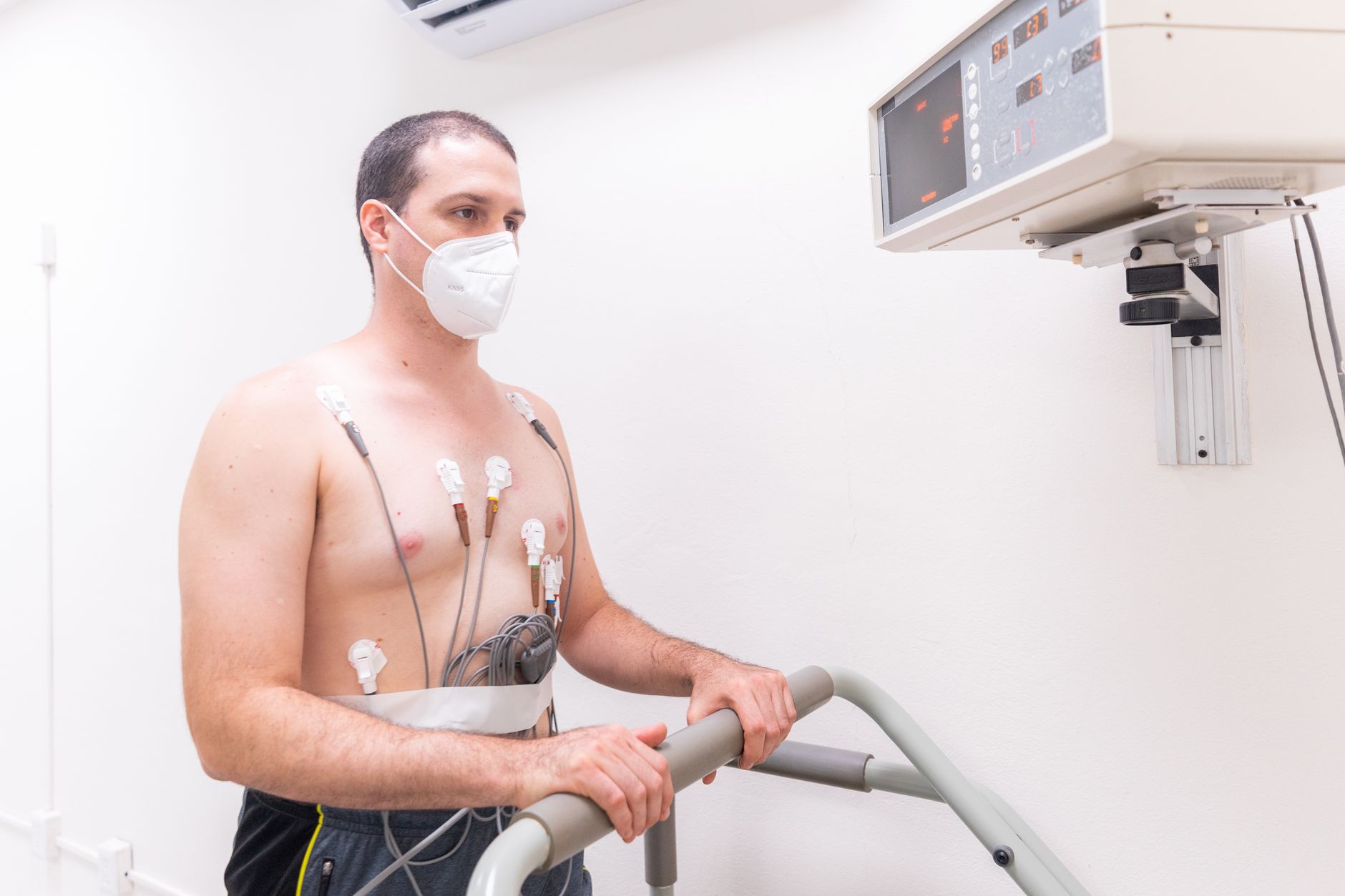
Repatha before PCI for acute MI: Better lipids, but no better outcomes
Pre-PCI Repatha improves lipid profiles in acute MI patients but does not translate into a reduction in major adverse cardiovascular events.

Olorofim shows promise against resistant invasive fungal disease
Olorofim, a novel orotomide antifungal, demonstrated efficacy and safety in a Phase 2b study for invasive fungal diseases with limited treatment options.
Duchenne Muscular Dystrophy: Why silent cardiac decline costs lives
Regular, proactive cardiac and respiratory monitoring is essential for Duchenne muscular dystrophy patients, directly impacting survival rates. Adherence to established guidelines for surveillance can mitigate the progression of life-limiting complications.

Duchenne gene therapy: Is micro-dystrophin enough for functional gains?
Delandistrogene moxeparvovec, an AAV micro-dystrophin gene therapy, gained US FDA approval but its clinical benefit against functional endpoints remains under scrutiny.

Pompe disease NBS: Is early diagnosis a false promise?
Newborn screening for Pompe disease identifies infants with acid alpha-glucosidase deficiency, but pseudodeficiency alleles complicate early diagnosis and treatment decisions.

Late-onset Pompe: Why respiratory distress often fools us
Late-onset Pompe disease often presents with respiratory compromise before limb weakness becomes overt, challenging diagnostic timelines and delaying enzyme replacement therapy.

Pompe disease ERTs: Are incremental gains enough for your patients?
New enzyme replacement therapies for Pompe disease, avalglucosidase alfa and cipaglucosidase alfa, offer incremental improvements over older treatments.

Low-risk thyroid cancer: Time to rethink radioactive iodine?
Forgoing radioactive iodine therapy in select low-risk thyroid cancer patients does not increase recurrence rates, challenging a long-held treatment paradigm.

Papillary thyroid microcarcinoma: When less is more
Active surveillance for low-risk papillary thyroid microcarcinoma shows comparable long-term oncological outcomes to immediate surgery, with significantly fewer interventions.

PD-L1 isn't just a biomarker for HNSCC, it's a treatment guide
PD-L1 expression guides immunotherapy selection in recurrent and metastatic head and neck squamous cell carcinoma, with varying efficacy across patient subgroups.

HPV-positive OPSCC: Are we overtreating excellent prognoses?
Treatment de-escalation strategies for HPV-positive oropharyngeal cancer aim to reduce toxicity while maintaining efficacy, with ongoing trials exploring various approaches.

Ovarian cancer: Early detection isn't the answer we thought
Ovarian cancer continues to be diagnosed at advanced stages, despite decades of research into effective screening methods. The disease's insidious nature and lack of reliable early detection tools contribute to poor outcomes.

Vertebral Fractures: Why Radiologists See Them, But Clinicians Miss Them
Vertebral fragility fractures are frequently visible on routine imaging but often go unrecognised by clinicians, leading to delayed diagnosis and treatment.

Why a first fracture often leads to another: The FLS gap in secondary prevention
Despite the known risk, many patients who experience a fragility fracture do not receive adequate secondary prevention, leaving a critical care gap.

Cemented fixation in hip fracture: Is the cardiopulmonary risk real?
Cemented fixation in hip fracture arthroplasty does not increase cardiopulmonary complications, a secondary analysis of the HIP ATTACK trial showed.

Why spinal stenosis imaging often fails to explain patient symptoms
Imaging findings in spinal stenosis frequently do not align with patient-reported symptoms, creating diagnostic and therapeutic challenges for clinicians.

Lumbar spinal stenosis: Why symptoms, not imaging, should guide surgery
Clinical symptoms, not radiographic findings, dictate surgical candidacy and outcomes in lumbar spinal stenosis, a review confirms. Imaging severity often poorly correlates with patient-reported disability.

Why 12-month biochemical response is the critical pivot in endocrine disease
Assessing biochemical response at 12 months is a key decision point across several endocrine conditions, setting the long-term prognostic trajectory for patients.

Fusion for Degenerative Spondylolisthesis: More Harm Than Help?
Lumbar decompression with fusion significantly increases mortality and morbidity compared to decompression alone in older adults with degenerative lumbar disease.

Why adults with severe hearing loss often miss out on cochlear implants
Cochlear implantation remains heavily underused in adults with severe-to-profound hearing loss, despite established benefits and guideline recommendations.

OTC hearing aids: When convenience isn't enough for hearing loss
Over-the-counter hearing aids offer accessibility but fall short for complex hearing loss, requiring careful patient counselling on their limitations.

Seladelpar and elafibranor: second-line options for PBC
For patients with primary biliary cholangitis (PBC) who do not respond adequately to ursodeoxycholic acid, seladelpar and elafibranor offer new therapeutic avenues.

Does treating hearing loss actually slow cognitive decline?
Addressing hearing loss with hearing aids or cochlear implants may reduce cognitive decline in older adults at higher risk.

Otitis media: Can shorter antibiotic courses truly deliver?
Shorter antibiotic courses for acute otitis media aim to reduce resistance, but their efficacy often falls short in specific patient populations, raising questions about optimal treatment duration.

Tympanostomy tube referrals: Why thresholds vary more than the evidence does
Referral criteria for tympanostomy tube insertion in children with recurrent acute otitis media or otitis media with effusion show significant variability across guidelines, despite a largely consistent evidence base. This disparity can lead to inconsistent patient care and unnecessary procedures.
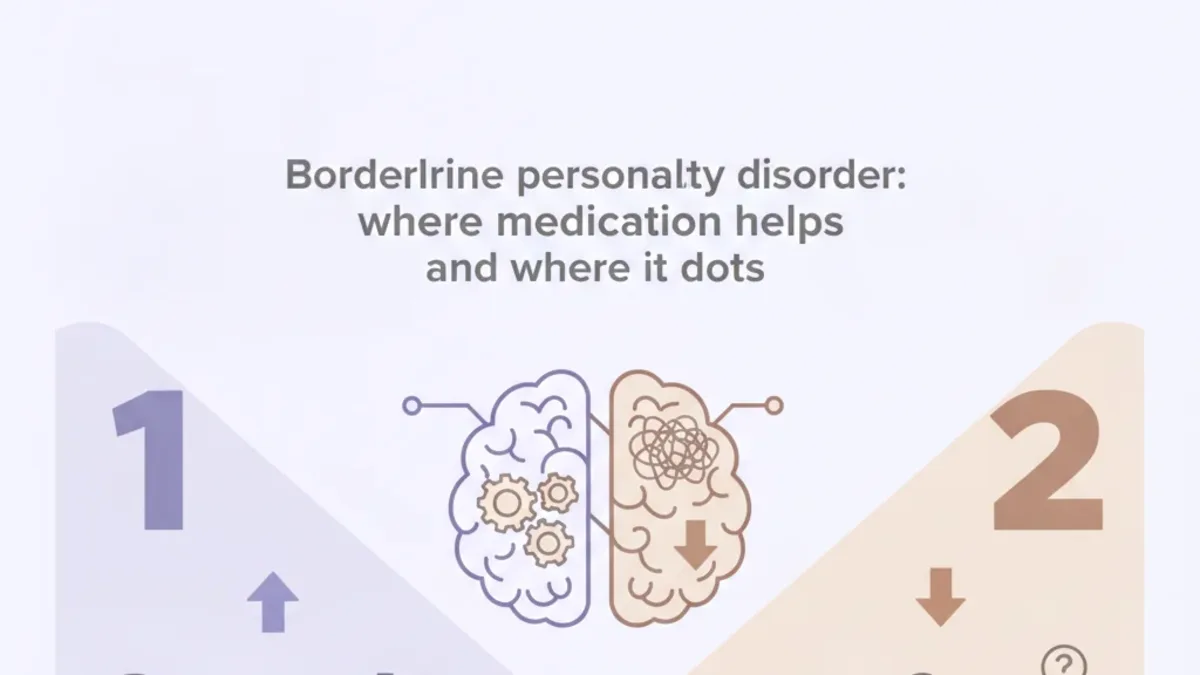
Borderline personality disorder: where medication helps and where it does not
Off-label prescribing for psychiatric inpatients with intellectual disability is common, with psychotropics frequently used for unlicensed indications.

Watchful Waiting in AOM: Which Children Can Safely Wait?
Watchful waiting is a safe strategy for acute otitis media in specific pediatric populations, reducing antibiotic exposure without increasing complications.

Why benign paroxysmal positional vertigo remains undertreated despite quick fixes
Benign paroxysmal positional vertigo (BPPV) is a common cause of dizziness, yet its effective, rapid treatments are frequently underutilised in clinical practice.

Why HINTS examination outperforms imaging for acute vertigo
The HINTS examination accurately differentiates central from peripheral vertigo, reducing unnecessary neuroimaging in emergency department patients.

Vestibular rehabilitation: Which protocols deliver lasting relief?
Vestibular rehabilitation protocols vary widely, but specific approaches focusing on adaptation, habituation, and substitution are critical for durable patient benefit.

Hypoglossal Nerve Stimulation: Beyond AHI for OSA Patient Selection
Patient selection for hypoglossal nerve stimulation in obstructive sleep apnea must extend beyond the apnea-hypopnea index, considering anatomical factors and broader health impacts.

Tirzepatide in OSA: What SURMOUNT-OSA means for management
Tirzepatide demonstrated a reduction in the apnea-hypopnea index in patients with obstructive sleep apnea, offering a new therapeutic avenue for a condition often linked to metabolic dysfunction.

Navigating SMA Treatment: What Parents Prioritise in Newborn Screening Decisions
Parents choosing spinal muscular atrophy treatments for infants diagnosed via newborn screening weigh efficacy, administration, and long-term impact.

Newborn screening: How much function can presymptomatic treatment truly preserve?
Presymptomatic treatment after newborn screening aims to mitigate disease progression, but the extent of preserved function varies significantly across conditions.

Esketamine vs. Quetiapine: Which Augmentation Strategy for TRD?
A head-to-head trial compared esketamine and quetiapine as augmentation strategies for treatment-resistant depression, offering insights into their relative efficacy and tolerability.

Fabry Disease: Why Women Were Left Behind in Diagnosis and Treatment
Women with Fabry disease have historically faced significant diagnostic delays and undertreatment, stemming from outdated genetic assumptions and a lack of recognition of their diverse clinical presentations.

Fabry Disease: Why Early Recognition in Cardiology and Nephrology Clinics Remains Elusive
Fabry disease often presents with non-specific cardiac and renal symptoms, leading to significant diagnostic delays. Increased awareness and targeted screening in high-risk populations are essential for timely intervention.

Migalastat vs. ERT: How Fabry Chaperone Therapy Stacks Up
Migalastat, an oral chaperone, demonstrated non-inferiority to enzyme replacement therapy (ERT) in Fabry disease patients with amenable GLA mutations, offering a potential oral alternative.

Givinostat: Targeting the Downstream Disease in Duchenne Muscular Dystrophy
Givinostat, a histone deacetylase inhibitor, offers a non-genetic approach to Duchenne muscular dystrophy by addressing downstream disease mechanisms.

Duchenne Muscular Dystrophy: The Cardiac and Respiratory Surveillance That Changes Survival
Regular, proactive cardiac and respiratory monitoring is critical for Duchenne muscular dystrophy patients, directly impacting survival and quality of life.

Delandistrogene Moxeparvovec: Are Functional Endpoints Meeting Duchenne Expectations?
Delandistrogene moxeparvovec, an AAV micro-dystrophin gene therapy, has US FDA approval for Duchenne muscular dystrophy, but clinical benefit remains a point of contention.

Deep TMS for OCD: How durable is the response in treatment-resistant patients?
Deep transcranial magnetic stimulation offers a non-invasive option for treatment-resistant OCD, but questions remain about the long-term durability of its effects.

Why the heart team model is non-negotiable as structural options multiply
The escalating complexity of structural heart disease management demands a robust, multidisciplinary heart team approach to optimise patient outcomes and navigate expanding therapeutic options.

RET-altered thyroid cancer: how selective inhibitors changed advanced disease
The advent of selective RET inhibitors has significantly improved outcomes for patients with advanced RET-altered thyroid cancer. These targeted therapies address a critical unmet need in a previously challenging disease landscape.

Radioactive iodine: Which low-risk thyroid cancer patients can safely skip it?
For low-risk differentiated thyroid cancer, selective use of radioactive iodine ablation is a viable strategy, sparing many patients unnecessary treatment.

Tricuspid regurgitation: Navigating the least settled valve decision
Selecting patients for tricuspid valve intervention remains a complex clinical challenge, with evolving understanding of disease progression and optimal timing.

Active Surveillance for Papillary Thyroid Microcarcinoma: A Decade of Data
Active surveillance for low-risk papillary thyroid microcarcinoma shows comparable long-term oncological outcomes to immediate surgery, with significantly fewer interventions.

TAVI in low-risk patients: How long will the valves actually last?
Transcatheter aortic valve implantation (TAVI) has expanded to younger, low-risk patients, but long-term durability data remains a critical question. Accumulating evidence suggests favorable outcomes, but ongoing monitoring is essential.
Endocarditis: Why a multidisciplinary team referral is a matter of life and death
A multidisciplinary team approach to infective endocarditis management is consistently associated with improved patient outcomes, particularly reduced mortality. Early referral to an 'endocarditis team' is a critical intervention.
PD-L1 as a compass for immunotherapy in head and neck cancer
PD-L1 expression levels guide selection for immunotherapy in recurrent and metastatic head and neck squamous cell carcinoma, impacting treatment efficacy.

Duke-ISCVID 2023: What changed for endocarditis diagnosis at the bedside?
The 2023 Duke-ISCVID criteria update refined diagnostic pathways for infective endocarditis, integrating advanced imaging and microbiological techniques to improve accuracy.

Managing the lasting damage of head and neck cancer treatment
Chemoradiation for head and neck cancers often leaves patients with chronic dysphagia and osteoradionecrosis, requiring complex, multidisciplinary management strategies.

Partial oral antibiotics for endocarditis: What POET proved, and what it did not
The POET trial established noninferiority for partial oral antibiotic therapy in stable left-sided endocarditis, but it did not compare outpatient strategies.
De-escalation in HPV-positive oropharyngeal cancer: What trials have settled
Treatment de-escalation strategies for HPV-positive oropharyngeal cancer aim to reduce toxicity while maintaining efficacy, with ongoing trials exploring various approaches.

Why patient-reported outcomes rarely make it onto drug labels
Despite their clinical relevance, patient-reported outcomes (PROs) face significant hurdles in gaining regulatory approval for inclusion on drug labels.

Why ovarian cancer is still diagnosed late, despite decades of screening research
Despite extensive research into screening methods, ovarian cancer continues to be diagnosed at advanced stages, limiting treatment efficacy.

Folate Receptor Alpha Testing: Why Timing Matters in Platinum-Resistant Ovarian Cancer
Folate receptor alpha expression in ovarian cancer can change over time, complicating treatment decisions for mirvetuximab soravtansine in platinum-resistant disease.

PARP Inhibitors in Ovarian Cancer: HRD Status Dictates Maintenance Benefit
PARP inhibitors have transformed ovarian cancer treatment, but homologous recombination deficiency status critically determines their long-term efficacy.

Do patient-reported outcomes actually improve survival?
Routine symptom monitoring with patient-reported outcomes does not improve survival, despite its perceived benefits in quality of life.

How regulatory guidance on real-world evidence changed drug submissions
Regulatory bodies have refined their expectations for real-world evidence, pushing sponsors to integrate these data earlier and more strategically into drug development programs.

Why do prediction models for prolonged air leak keep failing?
Existing prediction models for prolonged air leak after pulmonary surgery lack clinical utility and translation potential, a systematic review found.

Antibiotics for endodontic infection: when they add nothing but resistance
Antibiotic prescribing for endodontic infections often provides no additional clinical benefit over local treatment, contributing to antimicrobial resistance.

Root Canal Treatment: Does One Visit Really Compare to Two?
Single-visit root canal therapy delivers comparable postoperative pain and complication rates to multiple-visit protocols in mandibular molars.

Powered versus manual brushing: The real-world effect on oral health
Powered toothbrushes consistently outperform manual brushing in plaque removal and gingivitis reduction, with evidence suggesting superior long-term oral health outcomes.

Reversing gingivitis: What actually changes patient behaviour?
Gingivitis, if left untreated, progresses to periodontitis, a leading cause of tooth loss. Effective reversal hinges on sustained patient adherence to oral hygiene, a challenge often underestimated.

Chlorhexidine vs. essential oils: Which rinse actually cleans up gingivitis?
Chlorhexidine remains the gold standard for plaque and gingivitis reduction, outperforming essential oils and cetylpyridinium chloride in head-to-head comparisons.

Periodontitis and Heart Disease: What the Evidence Actually Supports
Periodontitis associates with cardiovascular disease through shared inflammatory pathways, but direct causality and intervention benefits remain unproven.

Applying the New Periodontitis Classification in General Practice
The 2017 classification system for periodontitis offers a more precise framework for diagnosis and management, moving beyond the traditional chronic versus aggressive dichotomy.

Periodontal Treatment: A Neglected Lever for Glycaemic Control in Type 2 Diabetes?
Nonsurgical periodontal therapy reduces inflammatory markers and improves clinical outcomes in type 2 diabetes patients with chronic periodontitis.
Do biosimilar switching studies show any real efficacy or immunogenicity signal?
Biosimilar switching studies consistently show no significant differences in efficacy or immunogenicity compared to reference biologics.

HPV-driven oropharyngeal cancer: When smoking complicates a 'good' prognosis
HPV-associated oropharyngeal squamous cell carcinoma carries a better prognosis than HPV-negative disease, but smoking history significantly worsens outcomes, complicating de-escalation strategies.

Europe's Cervical Cancer Elimination Targets: A Reality Check
Most European countries lack the robust screening registries needed to meet WHO cervical cancer elimination targets, hindering progress despite HPV testing and vaccination efforts.

HPV Self-Sampling: Is It Finally Ready for Prime Time in Cervical Screening?
HPV self-sampling demonstrates comparable accuracy to clinician-collected samples for detecting high-grade cervical lesions, significantly improving screening uptake among under-screened populations.

Which oral lesions demand biopsy, and which can wait for review?
Distinguishing oral potentially malignant disorders requiring immediate biopsy from those suitable for watchful waiting remains a clinical challenge.

Do adjunctive devices improve oral cancer detection over conventional examination?
Adjunctive optical imaging systems have not yet shown superior sensitivity or specificity over conventional oral examination for early oral cancer detection.

Direct-to-consumer orthodontics: When convenience becomes a clinical complication
Direct-to-consumer orthodontic treatments offer convenience but frequently lead to complex malocclusions and periodontal issues, requiring specialist intervention.
Early Orthodontic Intervention: When Does Two-Phase Treatment Truly Benefit?
Early interceptive orthodontic treatment, a two-phase approach, aims to correct developing malocclusions, but its genuine benefit is limited to specific clinical presentations.

Clear Aligners vs. Fixed Braces: Which Orthodontic Movements Are Truly Reliable?
Clear aligners offer aesthetic advantages, but their ability to achieve complex orthodontic movements reliably differs from traditional fixed appliances. Certain tooth movements remain more predictable with conventional braces.
Navigating dental trauma in children: How guidelines handle the immature apex
Managing dental trauma in children with immature apices presents unique challenges, requiring careful consideration of pulp vitality and root development.

Maternal Mortality: Which Interventions Actually Move the Numbers?
Addressing maternal mortality disparities requires targeted interventions. Evidence suggests that systemic changes, rather than isolated clinical efforts, drive meaningful reductions.

Avulsed Permanent Tooth: The Critical First Hour for Salvage
Immediate, precise management of an avulsed permanent tooth within the first 60 minutes dictates its prognosis. Replantation success hinges on rapid, correct handling and storage.

Maternal sepsis: why vital sign patterns in pregnancy often mislead
Recognising sepsis in pregnant patients is complicated by physiological changes that mask classic vital sign abnormalities, delaying critical intervention.

Propolis extract: A new contender for preserving avulsed teeth?
Thai propolis extract maintained periodontal ligament cell viability and gene expression, suggesting a potential role in improving avulsed tooth replantation outcomes.

Erosive Tooth Wear: Why Younger Adults Face a Growing Dental Threat
Erosive tooth wear is increasingly prevalent in younger adults, driven by dietary acids and gastroesophageal reflux disease. Clinicians report a rise in cases, necessitating early intervention.

Erosion, Attrition, Abrasion: Why the Cause Changes the Dental Plan
Distinguishing between dental erosion, attrition, and abrasion is critical for effective management, as each type of wear demands a distinct therapeutic approach.

Can the Basic Erosive Wear Examination Index Predict Progression in Children?
Age-specific risk prediction models for erosive tooth wear in preschool children identified distinct factors for 3-year-olds and 5-year-olds, challenging a universal index.

Fabry Disease: When Enzyme Replacement Isn't Enough for Glycosphingolipid Buildup
Fabry disease treatment decisions now extend beyond enzyme replacement, incorporating chaperone therapy, substrate reduction, and gene therapy for optimal patient outcomes.

Late-Onset Presentations: When Adult Symptoms Mask Childhood Conditions
Adult clinics frequently encounter late-onset presentations of conditions traditionally associated with childhood, demanding a re-evaluation of diagnostic frameworks.

The Unending Debate: One-Step Versus Two-Step Screening
A persistent disagreement continues in medical screening protocols, with no clear resolution on whether a single, comprehensive test or a staged approach offers superior outcomes.
Newborn screening for lysosomal storage disorders: what earlier detection changes
Earlier detection of lysosomal storage disorders like Hunter syndrome and metachromatic leukodystrophy through newborn screening offers a critical window for intervention.

Recurrent UTIs in women: What works when antibiotics are no longer enough?
New strategies are emerging for recurrent urinary tract infections in women, moving beyond antibiotics to address persistent symptoms and reduce recurrence rates.

Asymptomatic bacteriuria: The treatment decision that fuels antibiotic resistance
Treating asymptomatic bacteriuria often leads to unnecessary antibiotic exposure, driving resistance without improving patient outcomes. Guidelines consistently advise against routine treatment in most populations.

Gepotidacin: A New Oral Option for Uncomplicated UTIs in Adolescents
Gepotidacin, a first-in-class oral antibiotic, received approval in 2025 for uncomplicated UTIs in female patients aged 12 years and older and weighing at least 40 kg.

When minimally invasive BPH therapies fail, what's next?
Minimally invasive surgical therapies for BPH offer sexual function preservation, but retreatment rates vary. Repeat MIST is feasible for BPH recurrence.

BPH treatment: The sexual side effects clinicians must discuss
Counselling patients on potential ejaculatory and sexual side effects before initiating BPH treatment, particularly 5α-reductase inhibitors, is critical for informed consent and adherence.

Aquablation vs. TURP: Ejaculatory Function Durability in BPH
Robotic waterjet ablation (Aquablation) preserves antegrade ejaculation in BPH patients at significantly higher rates than TURP, with durability up to five years.

Why syphilis rates keep climbing in high-income countries
Syphilis incidence continues to rise across high-income nations, driven by complex shifts in sexual health practices and public health infrastructure.

Congenital Syphilis: The Missed Opportunities Behind Rising Case Counts
Congenital syphilis cases are rising, driven by missed maternal screening and inadequate treatment during pregnancy. Early and repeated testing is critical to prevent severe neonatal outcomes.

Doxycycline PEP: When it works for STIs, and when it doesn't
Doxycycline post-exposure prophylaxis reduces bacterial STIs in high-risk groups, but efficacy varies by pathogen, raising concerns about antimicrobial resistance.

Clade I outbreak: Where did the vaccine supply go?
The recent clade I outbreak highlighted significant disparities in vaccine access, with supply disproportionately allocated to certain regions.

Mpox: Why the classic rash is no longer the only sign
Mpox cases continue to be reported globally, with atypical presentations challenging traditional diagnostic approaches and requiring enhanced surveillance.

Intranasal epinephrine: Does it stack up to the intramuscular standard?
Intranasal epinephrine (neffy) achieved comparable pharmacokinetic profiles to intramuscular epinephrine in allergic rhinitis patients, suggesting a needle-free option for severe allergic reactions.

Tecovirimat in clade I mpox: why PALM007 did not show benefit
Tecovirimat did not demonstrate a clinical benefit in patients with clade I mpox, failing to reduce time to lesion healing or improve clinical outcomes.

The hidden costs of a false penicillin allergy label
Mislabeling penicillin allergy drives increased healthcare costs, worse patient outcomes, and contributes to antimicrobial resistance.

IBD overlap changes colorectal cancer screening for rare subtypes
Inflammatory bowel disease significantly worsens recurrence-free survival in rare colorectal carcinoma subtypes, particularly enteroblastic CRC, necessitating revised screening protocols.

Cholangiocarcinoma Surveillance: What Interval, What Modality in PSC?
Annual surveillance for cholangiocarcinoma in primary sclerosing cholangitis patients should include noninvasive imaging and serum CA 19-9, according to expert recommendations.

Unmasking Penicillin Allergy: A Workflow for the Non-Allergist
Many patients carry an unsubstantiated penicillin allergy label, leading to suboptimal antibiotic choices. A structured delabelling workflow, implementable by generalists, can safely remove these labels.

Why primary sclerosing cholangitis remains a therapeutic graveyard
Despite numerous attempts, no disease-modifying therapy has succeeded in primary sclerosing cholangitis, leaving transplant as the only definitive treatment.

Direct Oral Challenge: A Simpler Path to Delabeling Low-Risk Penicillin Allergies?
Direct oral challenge is noninferior to skin testing for delabeling low-risk penicillin allergies, offering a simpler approach in various clinical settings.

Pruritus in primary biliary cholangitis: the symptom that drives quality of life
Pruritus significantly impacts quality of life in primary biliary cholangitis, driving patient-reported outcomes and necessitating targeted management strategies.

Biochemical Response at 12 Months: The Prognostic Crossroads
Assessing biochemical response at 12 months is a critical decision point in chronic disease management, setting long-term prognosis and guiding therapeutic adjustments.
Allergen introduction: Has clinical practice truly shifted?
Despite updated guidelines recommending early allergen introduction, uptake in clinical practice has been slow and inconsistent, leaving many children at continued risk.

Seladelpar and Elafibranor: The Second-Line Options for PBC After Ursodeoxycholic Acid Fails
Seladelpar and elafibranor offer new therapeutic avenues for primary biliary cholangitis patients with inadequate response to ursodeoxycholic acid.

Oral Immunotherapy: Who Finishes the Course?
Patient selection for oral immunotherapy is critical, as adherence and completion rates vary significantly based on patient characteristics and disease severity.

Personality Disorder: The Shift from Categorical to Dimensional Diagnosis
The field of personality disorder diagnosis is moving towards a dimensional model, offering a more precise understanding of patient presentations beyond traditional categories.

Off-label prescribing in borderline personality disorder: where medication helps and where it does not
Off-label prescribing of psychotropics for psychiatric inpatients with intellectual disability is common, with a survey identifying specific drug classes used for unlicensed indications.

Dialectical Behaviour Therapy: Does Brief Intervention Hold Up Long-Term?
Long-term psychological treatments are recommended for personality disorders, but brief interventions show uncertain long-term benefit for borderline personality disorder.

Psilocybin for depression: separating the hype from the clinical reality
Psilocybin shows potential in treating depression, particularly for treatment-resistant forms, but its complex administration and safety profile require careful consideration.
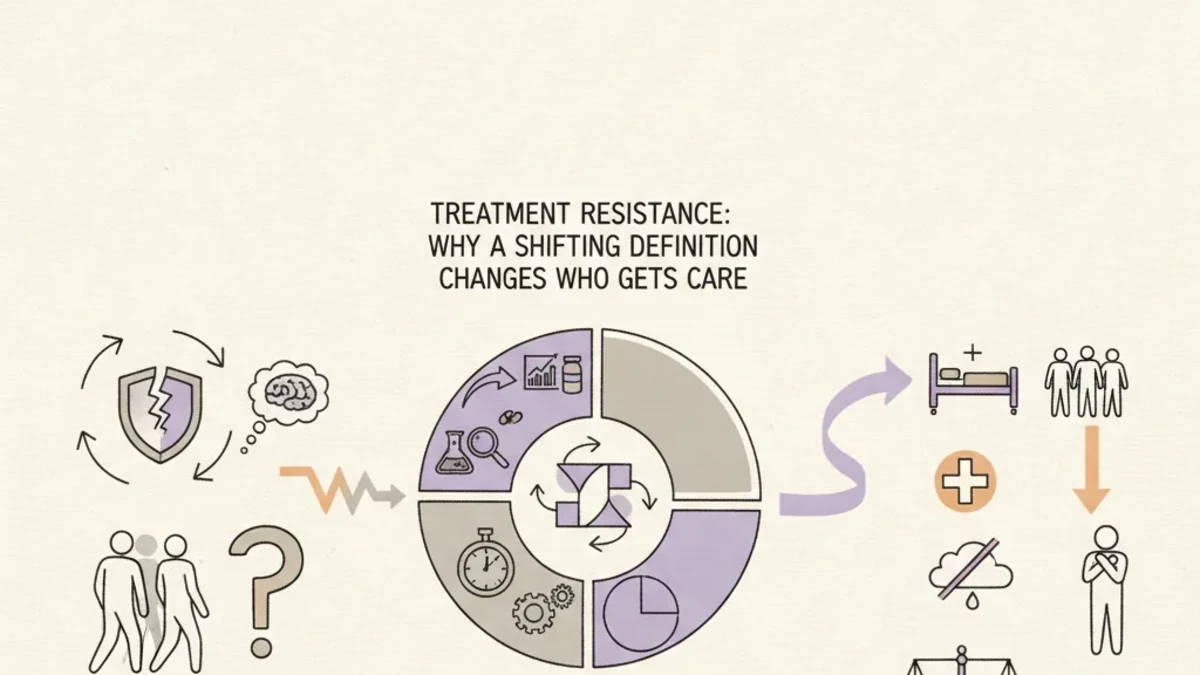
Treatment resistance: Why a shifting definition changes who gets care
The threshold for defining treatment resistance directly impacts patient eligibility for advanced therapies, creating disparities in access to care.

Esketamine vs. quetiapine: which augmentation strategy works for TRD?
Comparing esketamine and quetiapine augmentation for treatment-resistant depression reveals distinct efficacy and safety profiles.

OCD Diagnosis: Why Patients Wait Over a Decade for Help
Patients with obsessive-compulsive disorder face an average 11-year delay to diagnosis, often due to misidentification in primary care and mental health settings.

Why OCD demands higher SSRI doses than depression
Obsessive-compulsive disorder often requires significantly higher selective serotonin reuptake inhibitor doses compared to major depressive disorder for optimal therapeutic effect. This difference reflects distinct neurobiological underpinnings and receptor dynamics.

Phosphate binders: The hidden pill burden sabotaging CKD management
Managing hyperphosphatemia in chronic kidney disease (CKD) demands strict adherence to phosphate binders, but the sheer pill burden often undermines treatment.

Deep TMS for Treatment-Resistant OCD: Does the Benefit Last?
Deep transcranial magnetic stimulation (dTMS) offers a non-invasive option for treatment-resistant obsessive-compulsive disorder (OCD). The critical question remains regarding the long-term durability of its therapeutic effects.

Steroid-dependent pericarditis: escaping a cycle clinicians create
Recurrent pericarditis often traps patients in a cycle of corticosteroid dependence, leading to significant morbidity. Newer anti-inflammatory strategies aim to break this pattern.

Colchicine in acute pericarditis: why it remains underused
Colchicine is an established, effective therapy for acute pericarditis, reducing recurrence and improving symptom control. Despite guideline recommendations, its uptake in clinical practice remains suboptimal.

Rilonacept: Blocking IL-1 to break the cycle of recurrent pericarditis
Rilonacept targets interleukin-1, a key inflammatory cytokine, to prevent recurrent episodes of pericarditis, offering a new therapeutic approach.

Why the heart team model is essential as structural options multiply
The heart team model provides a multidisciplinary approach to complex structural heart disease, ensuring optimal patient selection and treatment strategy in an era of expanding therapeutic options.

Tricuspid intervention: when to operate on the 'forgotten valve'
Selecting patients for tricuspid valve intervention remains a complex decision, balancing symptom burden with the risks of an often-late diagnosis.

TAVI durability: How long can a transcatheter valve last in younger patients?
Transcatheter aortic valve implantation (TAVI) has expanded to lower-risk and younger patients, but long-term durability data remains a critical consideration for these populations.

Endocarditis: Why a team approach is the strongest predictor of survival
Multidisciplinary team referral for infective endocarditis is associated with a significant reduction in mortality. This integrated care model improves patient outcomes by streamlining diagnosis and management.
Sjögren's Disease: Bridging the 5-Year Diagnostic Gap to Emerging Therapies
Sjögren's disease often faces a significant diagnostic delay, leading to irreversible damage. This review highlights unmet needs, diagnostic challenges, and promising new immunoselective therapies.
Sjögren's Disease: New Therapies Target Underlying Immune Pathways
Sjögren's disease lacks approved disease-modifying therapies. Recent insights into its immunopathogenesis are driving the development of targeted treatments for this chronic autoimmune disorder.
Sjögren's Disease: Early Damage Often Present at Diagnosis
A 5-year multicentre study reveals that irreversible organ damage in Sjögren's disease frequently occurs early, with nearly half of patients showing damage at baseline. High disease activity and specific symptoms predict damage accrual across ocular, oral, and systemic domains.

Tolvaptan and ADPKD: Does slowing kidney growth preserve function?
Tolvaptan slows the increase in total kidney volume in autosomal dominant polycystic kidney disease (ADPKD), but the direct translation of this effect into preserved kidney function remains a key question for clinicians.

Why patient-reported outcomes rarely make it onto drug labels
Despite their clinical relevance, patient-reported outcomes (PROs) face significant hurdles in gaining regulatory approval for inclusion on drug labels.

Lupus Nephritis: How Low Can Steroid Doses Go?
Lower-dose steroid regimens in lupus nephritis are increasingly favored, balancing efficacy against the substantial burden of glucocorticoid toxicity.

Why PROMs are failing regulatory scrutiny, and how to fix them
Patient-reported outcome measures (PROMs) are increasingly critical for drug approval, but many fail to meet regulatory standards for validity and reliability.

Does routine symptom monitoring with PROs actually improve survival?
Routine symptom monitoring using patient-reported outcomes does not improve survival in complex chronic conditions, despite its perceived benefits for quality of life.

Real-world evidence: How regulators changed what sponsors submit
Regulatory guidance on real-world evidence has evolved, prompting sponsors to integrate diverse data sources into submissions for drug approvals and label expansions.

Why real-world evidence studies often overstate drug benefits
Real-world evidence studies can be prone to confounding by indication, where sicker patients receive different treatments, skewing observed outcomes.

When do regulators accept external control arms, and when do they not?
Regulators in Europe show varied acceptance of external control arms, with France and Germany more open than the UK, Italy, and Spain.

Managing the nocebo effect in biosimilar switches
The nocebo effect significantly impacts biosimilar adoption, driving patient and physician uncertainty despite demonstrated safety and efficacy.

Biosimilar Switching: Is the Immunogenicity Signal a Real Concern?
Biosimilar switching studies consistently show no significant efficacy or immunogenicity differences compared to reference products, despite persistent clinician concerns.

Cervical Cancer Elimination: Why Europe's Screening Registries Fall Short
Most countries lack robust screening registries needed to track the full cervical cancer elimination cascade, hindering progress toward WHO targets.

Vestibular Migraine vs. Meniere Disease: Separating Overlapping Diagnoses
Differentiating vestibular migraine from Meniere disease remains a clinical challenge, but emerging biomarkers and refined diagnostic criteria offer clearer distinctions.

Does single-dose HPV vaccination offer enough protection for a schedule change?
The shift to a single-dose HPV vaccine schedule hinges on immunogenicity data, raising questions about long-term efficacy compared to multi-dose regimens.

Do CGRP Monoclonal Antibodies Offer Relief for Vestibular Migraine Vertigo?
CGRP monoclonal antibodies, established for migraine prophylaxis, are being explored for their potential to reduce vertigo attacks in vestibular migraine, a condition often challenging to manage.

Maternal mortality disparities: What interventions actually move the numbers?
Addressing maternal mortality disparities requires targeted interventions beyond general improvements in care. Effective strategies focus on systemic changes and direct clinical support for vulnerable populations.

Why long COVID research still struggles with a case definition
Long COVID research faces significant hurdles due to the lack of a consistent case definition, hindering clinical trials and patient care.

Maternal Sepsis: Why Pregnancy Masks Critical Vital Sign Patterns
Physiological changes in pregnancy can obscure typical sepsis vital sign patterns, delaying diagnosis and increasing maternal morbidity and mortality.

Tranexamic acid in postpartum haemorrhage: how much does every minute matter?
Tranexamic acid is a critical intervention for postpartum haemorrhage, but the precise timing of administration significantly impacts its efficacy.

One-Step or Two-Step Screening: The Unresolved Debate
The long-standing disagreement over optimal screening strategies persists, with new research focusing on novel detection methods rather than resolving the core debate.

Unpacking Post-COVID Dysautonomia and POTS in General Practice
Post-COVID dysautonomia, including POTS, presents a diagnostic challenge in general practice, requiring careful assessment of symptoms and exclusion of other conditions. Early recognition is key for appropriate management strategies.

Continuous Glucose Monitoring in Pregnancy: Who Benefits and What to Target
International consensus highlights CGM and AID benefits for pregnant women with type 1 diabetes, but targets for GDM and type 2 diabetes remain undefined.

Unpacking the long-term cognitive toll of COVID-19
Cognitive deficits after COVID-19 persist in many patients, with recovery patterns varying significantly across domains and over time.

Metformin or insulin for gestational diabetes: beyond glucose control
Metformin and insulin are both effective for glycemic control in gestational diabetes, but their impact on maternal and neonatal outcomes differs.

Suzetrigine: A new mechanism for neuropathic pain, but what does it mean for practice?
Suzetrigine introduces a novel mechanism for neuropathic pain, targeting Nav1.8 channels. This approach offers a potential alternative to existing treatments.

Neuropathic pain: Do screening tools change how we manage it?
Screening tools for neuropathic pain aim to distinguish it from nociceptive pain, but their utility in altering clinical management remains a point of contention.

Why adrenaline autoinjectors are still carried less often than prescribed
Despite clear guidelines, many patients prescribed adrenaline autoinjectors for anaphylaxis risk do not consistently carry them, leaving them vulnerable.

Gabapentinoids for Sciatica: Do They Actually Work?
Gabapentinoids are widely prescribed for sciatica and radicular pain, but evidence suggests their efficacy is less robust than often assumed in clinical practice.

Biphasic Anaphylaxis: How Long Must Patients Be Observed?
Understanding the risk of biphasic anaphylaxis is critical for determining appropriate observation periods in the emergency setting.

Intranasal Epinephrine: Is a Needle-Free Option Viable for Anaphylaxis?
Intranasal epinephrine demonstrated comparable pharmacokinetics to intramuscular injection, even in patients with allergic rhinitis, suggesting a needle-free option for severe allergic reactions.

What the tominersen failure taught Huntington disease drug development
The discontinuation of tominersen in Huntington disease trials highlighted the complexities of targeting mutant huntingtin protein and the need for refined therapeutic strategies.

Managing chorea: balancing tetrabenazine, deutetrabenazine and psychiatric risk
Tetrabenazine and deutetrabenazine effectively reduce chorea in Huntington's disease, but clinicians must weigh their psychiatric adverse effects.

The hidden costs of a false penicillin allergy label
A false penicillin allergy label drives increased healthcare costs, worse clinical outcomes, and higher antimicrobial resistance rates.

AMT-130 in Huntington disease: What early gene therapy data really tell us
Early data on AMT-130 gene therapy for Huntington disease require careful interpretation, focusing on safety and target engagement rather than efficacy.

Unmasking Penicillin Allergy: A Workflow for the Non-Allergist
Many patients carry an unsubstantiated penicillin allergy label, leading to suboptimal antibiotic choices. A structured delabelling workflow, implementable by generalists, can safely remove these labels.

Rusfertide and hepcidin mimetics: a different way to control erythrocytosis
New therapeutic approaches targeting hepcidin pathways offer a novel mechanism to control erythrocytosis, moving beyond traditional phlebotomy.

Direct Oral Challenge: A Simpler Path for Low-Risk Penicillin Allergy?
Direct oral challenge offers a noninferior alternative to skin testing for low-risk penicillin allergy labels, simplifying delabeling efforts.

Haematocrit targets: Is 45% still the right threshold for phlebotomy?
The 45% haematocrit threshold for phlebotomy in polycythaemia vera is a long-standing guideline, but its evidence base warrants re-examination for optimal patient outcomes.
Early Allergen Introduction: Did Clinical Practice Really Shift?
Despite evolving guidelines recommending early allergen introduction to prevent food allergies, uptake in clinical practice has been slow and inconsistent among healthcare providers.

Why molecular response in polycythemia vera remains an elusive endpoint
A network meta-analysis of polycythemia vera treatments was not feasible due to substantial heterogeneity in study designs and outcome definitions.

Oral Immunotherapy: Who Finishes the Course?
Patient selection is critical for oral immunotherapy completion, with factors like age, baseline sensitivity, and family support influencing adherence.
PNH: Beyond Eculizumab, How Proximal Inhibition Reshaped Treatment Goals
Paroxysmal nocturnal hemoglobinuria treatment has evolved from C5 inhibition to targeting earlier complement cascade components, aiming for more complete disease control.
Omalizumab for multi-food allergy: How much protection is enough?
Omalizumab demonstrated a protective effect against accidental exposure to multiple food allergens, raising questions about the clinical threshold for meaningful protection in daily life.

When complement inhibitors fail: Recognizing breakthrough haemolysis
Breakthrough haemolysis on complement inhibitors requires prompt recognition and management to prevent severe complications in patients with complement-mediated diseases.

Oral factor B inhibition: a new path for PNH management?
Iptacopan, an oral factor B inhibitor, offers a novel approach to paroxysmal nocturnal hemoglobinuria (PNH) by targeting the alternative complement pathway.

Dialysis: Do we actually know the right phosphate target?
The optimal serum phosphate target for patients on dialysis remains a subject of ongoing debate, with current guidelines offering broad ranges.

Myelofibrosis: Why transplant timing dictates survival, not just symptoms
Early referral for allogeneic stem cell transplant in myelofibrosis patients with higher-risk disease is critical. Optimal timing balances disease progression against transplant-related mortality.

The hidden cost of phosphate binders: Why adherence crumbles under pill burden
Poor adherence to phosphate binders in chronic kidney disease is a major problem, driven by the sheer number of pills patients must take daily.

Choosing a JAK Inhibitor in Myelofibrosis: Beyond Ruxolitinib
Four JAK inhibitors manage myelofibrosis symptoms and splenomegaly, but patient-specific cytopenias dictate optimal agent selection.

Momelotinib and anaemia in myelofibrosis: a new calculus for treatment?
Momelotinib offers a distinct approach to myelofibrosis management, specifically addressing anaemia, a common and debilitating complication.

Gene therapy for thalassemia: Approval is one hurdle, access is the next
Gene therapy offers a new treatment option for thalassemia, but the complex logistics and high costs present significant barriers to patient access.

Tenapanor: A non-binder approach to phosphate control in chronic kidney disease
Tenapanor offers a novel, non-binder mechanism for reducing serum phosphate in chronic kidney disease, targeting intestinal sodium-hydrogen exchanger 3.

Iron chelation in gene therapy: When to stop, and how to monitor
Gene therapies for transfusion-dependent anemias introduce new questions about iron overload management. Clinicians must determine optimal chelation cessation and monitoring strategies.

Tolvaptan's Liver Risk: A Monitoring Burden Patients Weigh Differently
Tolvaptan's hepatotoxicity risk necessitates frequent monitoring, a burden that impacts patient adherence and quality of life differently across individuals.

CRISPR-edited cells offer durable transfusion independence in beta-thalassemia
Exagamglogene autotemcel, a CRISPR-based gene-editing therapy, provides sustained transfusion independence for patients with transfusion-dependent beta-thalassemia.

Identifying rapid progressors in ADPKD: The Mayo imaging classification in practice
The Mayo imaging classification helps identify ADPKD patients at high risk of rapid disease progression, guiding therapeutic decisions and patient stratification.

Why rosacea flushing resists standard therapy: a neurovascular disconnect
Rosacea's persistent flushing often fails to respond to conventional treatments, pointing to a deeper neurovascular dysregulation beyond simple inflammation.

Tolvaptan and ADPKD: Does slowing kidney growth preserve function?
Tolvaptan slows the increase in total kidney volume in autosomal dominant polycystic kidney disease (ADPKD), but the direct translation to preserved renal function remains a key question.

Lower-dose steroids in lupus nephritis: How far has guidance truly moved?
Guideline recommendations for lupus nephritis have shifted towards lower-dose steroid regimens, aiming to balance efficacy with reduced toxicity.

Matching rosacea therapy to dominant features: A phenotype-led approach
Treating rosacea effectively requires identifying the dominant clinical features, as a phenotype-led approach can guide targeted therapy for optimal patient outcomes.

Lupus Nephritis: When to Re-Biopsy After Induction Therapy
Re-biopsy after lupus nephritis induction therapy correlates with clinical response, but biomarker utility for guiding this decision remains limited.

Does targeting Demodex mites improve rosacea outcomes?
Topical ivermectin significantly reduced inflammatory lesions in papulopustular rosacea, suggesting a role for Demodex mite modulation in treatment.

Voclosporin and belimumab: What trials measured, and what they missed
Voclosporin and belimumab trials for lupus nephritis used different endpoints, complicating direct comparisons of their clinical efficacy.

Antihistamine-refractory urticaria: when standard care falls short
Current guidelines for chronic urticaria recommend step-up therapy for patients who do not respond to standard antihistamine doses, escalating to higher doses or adding biologics.

Why recurrent vertigo often goes undiagnosed, despite clear patterns
Recurrent spontaneous vertigo, a common and debilitating condition, frequently eludes accurate diagnosis, leading to prolonged patient suffering.

Chronic Urticaria: The Diagnostic Tests That Rarely Help
Many tests for chronic urticaria offer little diagnostic value, often leading to unnecessary patient anxiety and cost. A focused history and physical examination remain paramount.

Remibrutinib: A New BTK Inhibitor for Chronic Urticaria Beyond Omalizumab
A novel BTK inhibitor, remibrutinib, offers a new therapeutic option for chronic spontaneous urticaria, moving beyond existing treatments like omalizumab.
Alopecia Areata: What happens when patients stop treatment?
Patients with alopecia areata often experience relapse or worsening of hair loss upon discontinuation of systemic therapies, highlighting the chronic nature of the disease and the need for sustained treatment.

JAK Inhibitors for Alopecia: What Monitoring Do Patients Actually Need?
JAK inhibitors offer effective systemic treatment for severe alopecia areata, but require careful pre-treatment screening and ongoing monitoring for adverse events.
JAK Inhibitors in Alopecia Areata: Which One Delivers the Most Hair Regrowth?
Baricitinib, ritlecitinib, and deuruxolitinib show varying short-term efficacy for scalp hair regrowth in severe alopecia areata, with no head-to-head trials.

Vitiligo: More Than Skin Deep, It's an Autoimmune Assault
Vitiligo is increasingly recognized as a systemic autoimmune disease, not merely a cosmetic concern. This shift in understanding opens new avenues for targeted therapies beyond topical treatments.

Vitiligo: Why managing expectations for facial vs. hand repigmentation matters
Vitiligo treatment response varies significantly by body site, with facial lesions repigmenting faster and more completely than those on the hands.

Topical ruxolitinib for vitiligo: how much repigmentation, and how long does it hold?
Topical ruxolitinib offers a non-steroidal option for vitiligo, inducing repigmentation in some patients. Understanding the extent and durability of this response is key for clinical practice.

Crystal Arthritis: The ICU Fever You Keep Missing
Crystal arthritis, often overlooked in critically ill patients, frequently presents as unexplained fever in the intensive care unit. Early recognition is vital for appropriate management.

When Joint Pain Strikes: Distinguishing Gout, Pseudogout, and Septic Arthritis
Rapid differentiation of acute monoarthritis is critical, as misdiagnosis can lead to severe joint destruction or systemic sepsis.
Calcium Pyrophosphate Deposition Disease: What the 2023 Criteria Enable
New classification criteria for calcium pyrophosphate deposition disease (CPPD) offer a more precise diagnostic framework, distinguishing it from other arthropathies.

Obstetric antiphospholipid syndrome: why treatment evidence runs out
Obstetric antiphospholipid syndrome poses significant risks to pregnancy, but the evidence for optimal treatment beyond standard anticoagulation is limited.

Antiphospholipid Antibody Testing: When to Trust the Results
Interpreting antiphospholipid antibody test results requires careful consideration of timing, thresholds, and repeat testing to avoid misdiagnosis and inappropriate treatment.

Why triple-positive antiphospholipid syndrome defies direct oral anticoagulants
Direct oral anticoagulants (DOACs) have consistently failed to prevent recurrent thrombotic events in patients with triple-positive antiphospholipid syndrome (APS). This subgroup requires careful consideration of traditional anticoagulation.

Statin-associated myopathy: rare, real, and reversible?
Statin-associated immune-mediated necrotising myopathy is a rare but distinct adverse event, requiring prompt diagnosis and specific immunomodulatory treatment.

Myositis-Specific Autoantibodies: Predicting Prognosis and Guiding Screening
Myositis-specific autoantibodies offer prognostic insights and direct screening strategies in dermatomyositis, influencing disease course and malignancy risk.

Intravenous Immunoglobulin for Dermatomyositis: What the Approval Evidence Shows
Intravenous immunoglobulin (IVIg) has received approval for dermatomyositis, with evidence showing its role in managing this rare autoimmune condition.

Autologous Stem Cell Transplant in Scleroderma: Who Justifies the Risk?
Autologous stem cell transplantation offers a potential disease course modification for diffuse cutaneous scleroderma patients with early, mild organ involvement, but not those with severe or end-stage disease.

Pulmonary Hypertension in Scleroderma: Who Needs Screening, and How Often?
Systemic sclerosis patients face high mortality from pulmonary hypertension, but identifying those at risk and optimal screening methods remain challenging.

Refining Endometrial Cancer Prognosis: When POLE Mutations Truly Matter
A large genomic analysis refines endometrial cancer molecular classification, showing that only specific POLE variants confer a favorable prognosis and dMMR status offers class-level immunotherapy eligibility.

Immune Checkpoint Inhibitor Myocarditis: A Rare, High-Mortality Risk
Immune checkpoint inhibitors (ICIs) can cause severe immune-related adverse events, including cardiotoxicity. Myocarditis is a rare but highly fatal complication, driven by complex immune dysregulation. Early detection and targeted management are crucial.
Durvalumab Plus Chemotherapy: A New First-Line Option for Advanced Biliary Tract Cancer?
Adding durvalumab to gemcitabine and cisplatin significantly improved overall survival and progression-free survival in advanced biliary tract cancer, offering a potential new first-line treatment. The safety profile was comparable to chemotherapy alone.

Cervical Cancer Elimination: Why Income Isn't the Only Barrier
A new model suggests structural factors beyond income, such as health system capacity and education, are critical for cervical cancer elimination. Comprehensive policy engagement is needed to meet WHO targets globally.

Navigating PSMA-RLT for Prostate Cancer: What Clinicians Need to Know Now
PSMA-targeted radioligand therapy (RLT) is a recognized treatment for metastatic castration-resistant prostate cancer (mCRPC). This guide summarizes current evidence, practical considerations, and toxicity monitoring for integrating PSMA-RLT into prostate cancer management.

Antibody-Drug Conjugates: The Evolving Role in Breast Cancer Management
Antibody-drug conjugates (ADCs) are transforming breast cancer treatment by precisely delivering cytotoxic agents. This review highlights their molecular mechanisms, clinical evolution, and impact across HER2-positive, HER2-low, and triple-negative subtypes.

CAR-T Neurotoxicity: Beyond ICANS and the Transplant Center
CAR-T cell therapy can cause diverse neurotoxicities, including delayed non-ICANS syndromes. Recognition outside specialized centers is crucial as CAR-T expands to new indications and patient populations.

Dostarlimab Plus Chemotherapy Extends Progression-Free Survival in Advanced Endometrial Cancer
Adding dostarlimab to carboplatin-paclitaxel chemotherapy significantly improved progression-free survival in patients with primary advanced or recurrent endometrial cancer, particularly in those with mismatch repair-deficient tumors. This Phase 3 trial highlights the potential of immunotherapy in this setting.

Managing Trastuzumab Deruxtecan: Dosing and Adverse Event Insights
A pooled analysis of DESTINY trials characterizes the safety profile of trastuzumab deruxtecan across two doses. It highlights common gastrointestinal and hematologic adverse events, alongside interstitial lung disease, to inform proactive management.
Zolbetuximab: A New First-Line Option for CLDN18.2-Positive Gastric Cancer?
Two Phase 3 trials, SPOTLIGHT and GLOW, demonstrate that zolbetuximab combined with chemotherapy significantly improves progression-free and overall survival in CLDN18.2-positive, HER2-negative advanced gastric or GEJ adenocarcinoma.

CAR T-Cell Therapy and Secondary T-Cell Malignancies: What the Data Reveal
Recent reports of secondary T-cell malignancies following CAR T-cell therapy have prompted investigation. The FDA is evaluating these cases, emphasizing the need for careful patient monitoring and further research into potential mechanisms.

When to use 177Lu-PSMA-617 in metastatic prostate cancer: before or after taxanes?
New data clarifies the optimal sequencing of lutetium-177 PSMA-617 (177Lu-PSMA-617) in metastatic castration-resistant prostate cancer, showing benefit in both pre- and post-taxane settings. This radioligand therapy significantly prolongs progression-free survival.

Pembrolizumab Improves Overall Survival in Locally Advanced Cervical Cancer
Adding pembrolizumab to chemoradiotherapy significantly improved overall survival in patients with high-risk, locally advanced cervical cancer. This combination therapy reduced the risk of death by 33% compared to placebo.

Perioperative Immunotherapy for Resectable NSCLC: A Comparative Review Protocol
A new Cochrane review protocol outlines a network meta-analysis to compare various perioperative immunotherapy strategies for resectable non-small cell lung cancer (NSCLC). The aim is to establish a hierarchy of effectiveness and safety for different agents and administration timings.

KRAS Mutations Signal Poorer Outcomes in Biliary Tract Cancers
A Belgian cohort study reveals distinct molecular profiles across biliary tract cancer subtypes. KRAS mutations, found in 20.4% of cases, were significantly linked to worse overall survival, highlighting the need for routine molecular profiling.

HER2 Heterogeneity: Why Single-Block Testing May Miss Gastric Cancer Treatment Targets
Intratumoral HER2 heterogeneity is common in gynecologic cancers, with single-block assessment potentially underestimating expression. This highlights challenges in gastric cancer biomarker testing, where spatial and temporal heterogeneity can impact treatment decisions.

Trastuzumab Deruxtecan Reshapes HER2-Low Metastatic Breast Cancer Treatment
Trastuzumab deruxtecan significantly improved progression-free and overall survival in HER2-low metastatic breast cancer, challenging previous treatment paradigms. This benefit extended across various patient subgroups, including those with different endocrine resistance profiles and disease burdens.
Targeted Therapies Extend Survival in Advanced Cholangiocarcinoma
New data from two studies highlight the efficacy of targeted therapies, pemigatinib and ivosidenib, for advanced cholangiocarcinoma with specific genomic alterations. These treatments offer improved outcomes for patients with FGFR2 fusions or IDH1 mutations.

Immunotherapy Reshapes First-Line Treatment for Advanced Endometrial Cancer
Adding pembrolizumab to chemotherapy significantly improved progression-free survival in advanced or recurrent endometrial cancer, regardless of mismatch repair status. These findings support updated first-line treatment guidelines.

Radioligand Therapy: Is Capacity, Not Efficacy, Limiting Patient Access?
Radioligand therapy (RLT) offers targeted cancer treatment, with two agents approved for neuroendocrine tumors and prostate cancer. Despite growing evidence and trials, global access disparities and infrastructure limitations pose significant challenges to its broader implementation.
Two-Year Checkpoint Inhibitor Therapy: Is It Enough for Advanced NSCLC?
A systematic review suggests that discontinuing immune checkpoint inhibitor therapy after two years in advanced non-small cell lung cancer may offer comparable survival to continuous treatment, potentially reducing long-term immune-related adverse events.
Cilta-cel Extends Overall Survival in Lenalidomide-Refractory Multiple Myeloma
A recent Phase 3 trial, CARTITUDE-4, demonstrates that ciltacabtagene autoleucel (cilta-cel) significantly improves overall survival in patients with lenalidomide-refractory multiple myeloma. This updated analysis supports earlier use of cilta-cel in the treatment pathway.

Adding Pembrolizumab to Chemotherapy Extends Survival in Advanced Cervical Cancer
A Phase 3 trial demonstrates that adding pembrolizumab to standard chemotherapy, with or without bevacizumab, significantly improves progression-free and overall survival for patients with persistent, recurrent, or metastatic cervical cancer.

FLOT Regimen Extends Survival in Resectable Gastric Adenocarcinoma
A phase 2/3 trial found that perioperative FLOT chemotherapy improved overall survival compared to ECF/ECX in patients with locally advanced, resectable gastric or gastro-oesophageal junction adenocarcinoma. The docetaxel-based triplet regimen demonstrated a median overall survival of 50 months.

Denosumab: A New Role in Joint Protection for Osteoporosis?
Denosumab, a standard osteoporosis treatment, may offer additional benefits in protecting joint integrity in adults with osteoporosis.

Multi-Antigen T-Cells Show Early Promise in Pediatric Brain Tumors
A Phase 1 trial of multi-antigen-targeting T cells in pediatric CNS tumors met safety and feasibility endpoints, showing preliminary efficacy signals.

Temferon: A New Gene Therapy Strategy for Glioblastoma
A phase 1 trial of Temferon, a tumor-targeted interferon-α gene therapy, showed safety and tolerability in newly diagnosed glioblastoma patients.

Nurse-led education: a simple fix for diabetic foot treatment delays?
A nurse-led health education intervention may reduce treatment delays in patients with diabetic high-risk foot, improving timely access to care.

Hyperkalemia risk: Empagliflozin, finerenone, or both?
A secondary analysis of the CONFIDENCE trial explored hyperkalemia risk with empagliflozin, finerenone, or combination therapy in patients with chronic kidney disease.

KRAS vaccine with dual checkpoint blockade shows early promise in pancreatic cancer
A mutant KRAS vaccine combined with ipilimumab and nivolumab generated significant T cell responses in resected pancreatic adenocarcinoma patients.

Bone Biopsy Offers No Edge Over Ulcer Swab in Diabetic Foot Osteomyelitis
Bone biopsy-guided antibacterial therapy did not improve remission rates compared to ulcer bed biopsy in diabetic foot osteomyelitis.

Mazdutide's Dual Agonism: A New Path for Type 2 Diabetes in Chinese Adults?
Mazdutide, a dual GLP-1 and glucagon receptor agonist, significantly reduced HbA1c and body weight in Chinese adults with type 2 diabetes compared to placebo.

Adjunctive Embolization for Chronic Subdural Hematoma: Does it Reduce Recurrence?
Adjunctive middle meningeal artery embolization did not reduce chronic subdural hematoma recurrence after surgical drainage in the EMMA-Can trial.

Why Primary Care Burnout Is a Systemic Problem, Not a Personal Failing
Primary care physicians face escalating demands and systemic pressures that contribute to burnout, impacting patient care and physician well-being. Addressing these issues requires structural changes, not just individual resilience strategies.

Why do benralizumab patients still suffer asthma attacks?
Asthma exacerbations in patients on benralizumab are largely non-eosinophilic, indicating a need for therapies targeting alternative inflammatory pathways.

Smouldering myeloma: What Lauren Laverne's diagnosis means for patients
Smouldering multiple myeloma is a precursor condition to active multiple myeloma, characterised by abnormal plasma cells without end-organ damage. Its diagnosis prompts careful monitoring, as progression to active disease is not inevitable but carries significant risk.

Italy's COVID-19 Victims Association: Why Their Lobbying Success Matters for Future Pandemic Accountability
Six years after the initial COVID-19 outbreak, an Italian victims' association has achieved significant lobbying success, pushing for greater accountability over pandemic mismanagement.

Why humans don't catch cancer from each other, unlike some animals
Transmissible cancers, where malignant cells spread between individuals, are rare but exist in several animal species. Humans are largely protected from this phenomenon due to robust immune surveillance and genetic diversity.

Strictly Come Dancing: The hidden injury risks behind the sparkle
Behind the glamour of ballroom dancing, participants face significant musculoskeletal injury risks, ranging from sprains to fractures.

Air filters fail to curb respiratory infections, challenging common assumptions
A landmark study indicates that portable air filters do not reduce the incidence of infectious respiratory diseases in community settings.

Your kitchen sponge is a microbial time bomb, and you can't tell
Kitchen sponges harbor diverse bacterial communities, including potentially harmful pathogens, which persist despite common cleaning methods.

Vegan and Vegetarian Diets: What They Tell Us About Eating Disorder Risk
Dietary restrictions, including vegan and vegetarian patterns, are frequently observed in individuals with eating disorders. These choices can complicate diagnosis and treatment, often masking underlying psychopathology.

Beyond cardio: Strength training is women's essential preventive health
Strength training offers substantial benefits for women across all life stages, from bone density to metabolic health and functional independence.

Conflict Zones: How War Fuels Infectious Disease Outbreaks and Hides Them
Armed conflicts create ideal conditions for infectious disease outbreaks, disrupting public health infrastructure and making detection difficult.

The Unexpected Upside: How Boredom Can Sharpen Focus and Drive Innovation
Boredom, often seen as a negative state, can actually foster creativity, improve problem-solving, and enhance self-awareness, offering unexpected cognitive benefits.

Heatwaves: A Silent Killer for Europe's Homeless Population
Extreme heat exacerbates chronic conditions and creates unique challenges for homeless individuals, leading to increased morbidity and mortality.

Ten simple ways to reduce your patients' home pollutant exposure
Reducing indoor air pollution is achievable with practical steps, from ventilation to material choices. Clinicians can advise patients on these actionable changes.

Can social care ever truly be fixed? Experts weigh in on the latest policy promises
New government pledges aim to overhaul social care, but experts question whether systemic issues can be resolved without fundamental shifts in funding and integration.

Hundreds died from undiagnosed TB in England, raising diagnostic questions
Hundreds of people in England died before receiving a tuberculosis diagnosis, highlighting persistent challenges in early detection and public health surveillance.

Decades of financial stress leave an indelible mark on brain health
An 80-year longitudinal study reveals that persistent financial worries from childhood can lead to measurable cognitive decline in later life.

Why for-profit firms in social care erode clinical standards
Andy Burnham's call to remove for-profit firms from social care reflects a growing concern that profit motives compromise patient outcomes and system resilience.

Infrared Workouts: Six Things Clinicians Should Know
Infrared workouts leverage heat to induce physiological responses, but their specific benefits beyond traditional exercise remain a subject of ongoing discussion.

Can you build strength without lifting to absolute failure?
Submaximal resistance training can elicit significant strength gains, challenging the long-held belief that pushing to muscle failure is essential for hypertrophy and power.

Early PFAS exposure linked to childhood gut inflammation
Early life exposure to per- and polyfluoroalkyl substances (PFAS) correlates with increased risk of intestinal inflammation in children.

Orzeyful: A New Path to Wakefulness in Narcolepsy?
Orzeyful, an orexin receptor 2 agonist, improves wakefulness and reduces cataplexy in narcolepsy, addressing core symptoms of the chronic disorder.

Clesrovimab: Can a monoclonal antibody protect infants from severe RSV?
Clesrovimab, a monoclonal antibody, is being investigated for its potential to protect infants entering their second RSV season from severe respiratory syncytial virus infection. This approach aims to provide passive immunity where active vaccination is not yet fully established.

Naked on Rounds: Why Doctors' Stress Dreams Reflect Clinical Reality
Physicians frequently report stress dreams featuring common clinical scenarios, reflecting the high-stakes environment and pervasive anxieties of medical practice.

Cognitive Care in Sickle Cell Disease: New Standards Target Overlooked Burden
New standards aim to integrate cognitive care into sickle cell disease management, addressing a significant, often overlooked, burden on patients.

Ebola vaccine could stem Congo outbreak, WHO advisors say
WHO advisors have indicated that a licensed Ebola vaccine could be deployed to help control the ongoing outbreak in the Democratic Republic of Congo.

Rheumatology's 'Difficult-to-Treat' Patients Need More Than Just Drugs
A new perspective on 'difficult-to-treat' rheumatology patients highlights the need for comprehensive, multidisciplinary care beyond pathology-driven interventions.

Do animal study metrics predict human trial success?
Replication success metrics, commonly used in reproducibility studies, often fail to predict animal-to-human translation success, particularly with increasing heterogeneity.

Mathematical models: The next frontier for optimising mosquito net distribution
Mathematical models can optimise malaria control by tailoring mosquito net distribution to regional transmission dynamics and behavioral characteristics. This approach aims to improve resource allocation in endemic areas.

Noninvasive bioelectric therapy for dry AMD enters pivotal trial
A noninvasive bioelectric therapy for dry age-related macular degeneration (AMD) has begun a pivotal study. The device aims to address the unmet need for effective treatments in this patient population.

Breast Density Laws: More Screening, But Is It Better Screening?
Laws mandating breast density notification have increased supplemental screening, but evidence for improved outcomes remains limited.

Do Herbal Supplements Offer Real Metabolic Benefits in MASLD?
Some herbal supplements demonstrate potential metabolic benefits for patients with Metabolic Dysfunction-Associated Steatotic Liver Disease (MASLD), influencing liver enzymes and lipid profiles.

Vapes for Smoking Cessation: A Pragmatic Shift in Addiction Treatment?
Experts are increasingly endorsing e-cigarettes as a viable tool for smoking cessation, acknowledging their role in harm reduction despite ongoing debates about long-term safety.

Why traditional sleep aids miss the gut-sleep link after hydrogen supplementation?
Emerging research explores the intricate link between gut microbiota composition and sleep quality, particularly after hydrogen supplementation.

Menopause and obesity: a dangerous metabolic synergy for GPs to watch
Menopause often exacerbates obesity, increasing the risk of metabolic and cardiovascular comorbidities. Early intervention is critical to mitigate long-term health consequences.

Medicare's APP pay parity proposal: Physician concerns laid bare
Physicians voiced significant concerns over a 2019 executive order proposing Medicare pay parity and supervision elimination for advanced practice providers.

Four EU Nations Elevate Family Medicine to a Specialty. Will Others Follow?
Four European Union member states have formally recognized family medicine as a distinct medical specialty, a move that could reshape primary care training and delivery across the continent.

Does medical volunteering truly sharpen clinical acumen?
Medical volunteering offers exposure to diverse pathologies and resource-constrained settings, but its direct impact on clinical skill development remains a subject of debate among medical educators.

Lyme disease: Why early diagnosis is often missed
Lyme disease, a tick-borne illness, presents in distinct stages with varied clinical manifestations, necessitating accurate diagnosis and timely treatment to prevent chronic complications.

Dry eye: Why current treatments fall short, and what's next
A novel molecule derived from extremophile bacteria shows promise in improving symptoms and signs of dry eye disease, addressing a significant unmet need.

Oral and kidney health: a neglected link in global disease burden
Poor oral health contributes significantly to the global burden of disease, with a clear but under-recognised link to kidney disease outcomes.

Can a bacterial lysate curb recurrent respiratory infections?
Broncho-Vaxom, a bacterial lysate, appears to reduce the frequency and severity of recurrent respiratory tract infections in susceptible individuals.

Cushing Syndrome: A Silent Threat in Neuroendocrine Neoplasms
Cushing syndrome is associated with a poor prognosis in patients with neuroendocrine neoplasms, complicating management and outcomes.

Hospitalists' Brutal Shifts: Can New Strategies Offer Real Relief?
Hospitalists face intense work demands and burnout. New approaches to scheduling, team-based care, and personal resilience may offer some mitigation.

Adipose Tissue: Beyond Quantity, A Driver of Cardiometabolic Risk?
Adipose tissue distribution and phenotype, not just total mass, shape cardiovascular risk through endocrine, paracrine, and neural pathways.

Weight loss: The 'metabolic advantage' is a myth. Here's why
Despite evolving dietary trends, the fundamental principle of caloric deficit remains central to effective weight management and metabolic health.

Sleep Coaching May Ease Glucose Control in Type 1 Diabetes
Structured sleep coaching can improve sleep quality and may contribute to better glycemic management for some adults living with type 1 diabetes.

Nerve Stimulation's Lasting Impact on Pediatric Bladder Control
Children treated with sacral neuromodulation for bladder dysfunction may experience sustained relief years after therapy cessation. This suggests a potential for long-term benefit beyond active treatment.

Does Vitamin D3 Supplementation Improve Colorectal Cancer Survival?
High-dose vitamin D3 supplementation has been explored for its potential role in improving survival outcomes for patients with colorectal cancer.

Stop guessing TNBC outcomes. Start with sTILs
Thymectomy does not increase long-term mortality or cancer risk at 10 years, according to a new analysis of patients with triple-negative breast cancer.

Metformin and Exercise: A Complicated Partnership in Type 2 Diabetes
The long-held assumption that metformin and exercise work synergistically in type 2 diabetes is being re-evaluated, with emerging perspectives suggesting potential interference.

Coronary Artery Calcium Scoring: Refining Statin Decisions Beyond Traditional Risk
Coronary artery calcium (CAC) scoring offers a more precise assessment of cardiovascular risk, potentially reclassifying patients for statin therapy.

First-in-Human Gene Editing Trial: What Went Wrong?
Early gene editing trials face inherent risks, with initial human studies often revealing unforeseen complexities in delivery and off-target effects.

Beyond the Scale: Reframing GLP-1 Success for Patients
GLP-1 receptor agonists offer benefits beyond weight reduction, including improvements in cardiometabolic health and quality of life.

Off-label testosterone use: a cardiovascular gamble for men?
Off-label testosterone therapy for men without clear hypogonadism may increase cardiovascular event risk, prompting a re-evaluation of prescribing practices.

UV light exposure still not classified as US workplace hazard
Despite clear evidence linking UV light to skin cancers in animals, US regulatory bodies have yet to classify it as a workplace hazard, leaving human workers unprotected.

Maternal RSV shot vs. infant antibody: What parents really want
Pregnant women and parents show a clear preference for maternal RSV vaccination over infant monoclonal antibody administration for RSV prevention.

AI calorie trackers miss a third of intake, undermining weight goals
AI-powered photo-based calorie tracking tools consistently underestimate caloric intake by an average of 33%, a significant margin that can hinder weight management efforts.

Missing neuropathic corneal pain means prolonged patient suffering
Neuropathic corneal pain presents a significant challenge, often persisting despite conventional treatments and requiring a multi-modal approach.

Ocular surface disease: The overlooked comorbidity complicating glaucoma management
Ocular surface disease is an essential, often missed, component of glaucoma care, impacting treatment adherence and quality of life.

Why do children with sinusitis keep getting unnecessary antibiotics?
Children with upper respiratory tract infections are 1.3 times more likely to receive antibiotics than adults, despite viral origins.

Can targeting tau slow cognitive decline in Alzheimer's disease?
Diranersen, an investigational antisense oligonucleotide, reduced tau levels and showed a corresponding slowdown in cognitive decline.

Closing the gap: a 5-step plan for psoriasis and metabolic disease
A new framework outlines a five-step action plan to improve screening and management of metabolic comorbidities in patients with psoriasis.

Avoiding three risk factors extends life without dementia
Reducing three modifiable risk factors significantly extends the period of life lived without dementia, a new analysis indicates.

Dupilumab improves inflammation in eosinophilic gastritis, but what about symptoms?
Dupilumab significantly reduced eosinophil counts in patients with eosinophilic gastritis, addressing a key inflammatory driver of the disease.

A New Explanation for Excessive Sweating Points to Nerve Dysfunction
New research suggests that excessive sweating, or hyperhidrosis, may stem from a specific dysfunction in the sympathetic nervous system, rather than overactive sweat glands.

Prostatectomy Leakage: The Long Road to Recovery
Urinary leakage after prostate surgery often improves significantly over 12 months, a critical period for patient recovery and quality of life.

What really killed thousands in the English Sweating Sickness?
The English Sweating Sickness, a series of devastating epidemics, remains an enigma, with historical accounts pointing to a rapid, fatal course.

Does Breastfeeding Protect Against Early Childhood Caries?
The relationship between breastfeeding practices and the development of early childhood caries remains a complex and often misunderstood area.

Social care reform: Why funding isn't the real problem
Meaningful social care reform hinges entirely on addressing workforce shortages and improving conditions, not just funding. Without a stable, skilled workforce, increased investment alone will not deliver better care.

Why compelling health claims often fail patients
Misleading health claims often exploit cognitive biases and emotional responses, making them appear credible. Clinicians must guide patients to reliable sources.

The 'wellness' industry is coming for your patients' pets
The pet wellness industry is expanding rapidly, mirroring human trends with unproven supplements and alternative therapies. Clinicians should be aware of the potential for harm and the lack of regulatory oversight.

Hypoxia: Is your patient's vascular disease adapting for the worse?
Hypoxia significantly alters the cistrome in human umbilical vein endothelial cells, impacting gene regulation critical for vascular function and disease progression.

Bladder-sphincter dyssynergia: A brainstem switch just flipped our understanding
Estrogen receptor 1-expressing neurons in the pontine micturition center precisely coordinate bladder contraction and urethral sphincter relaxation for urination.

Early Parkinson's: Targeting LRRK2 could preserve synaptic function
LRRK2, a protein linked to Parkinson's disease, regulates synaptic function by modulating actin cytoskeletal dynamics, a process important for early synaptic alterations.

Endometrial repair: Why ALDH HI cells are the missing piece
Endometrial cells with high ALDH activity function as long-lived progenitors, critical for uterine development and regeneration, according to new research.

Phage hunting: Why our current methods miss the best targets
A novel geomapping strategy combined with a portable device identified ecological hotspots for phage hunting, yielding 36 new phages against extremely resistant ESKAPE pathogens.

CXCL13 and PAH lung cancer: What a recent correction means for you
A correction has been issued for a paper on the chemokine CXCL13 in lung cancers linked to polycyclic aromatic hydrocarbons pollution, clarifying author affiliations.

The real reason TB remains the top infectious killer
Tuberculosis remains the leading global cause of death from a single infectious agent, with incidence and mortality targets for 2035 at risk.

SARS-CoV-2: Why ACE2 isn't the whole story for infection
Heparan sulfate clusters, not ACE2, mediate SARS-CoV-2 cell attachment and endocytosis, with ACE2 functioning downstream for viral genome expression.

The real reason AYA cancer patients miss fertility preservation
Adolescent and young adult women with cancer face significant disparities in access to fertility preservation services across Europe. These variations impact long-term quality of life and reproductive autonomy.

Cannabinoid hyperemesis: Why cannabis users self-medicate with hot showers
Cannabinoid hyperemesis syndrome presents as cyclic vomiting in chronic cannabis users, a diagnosis often delayed due to its mimicry of other conditions.

Tirzepatide's cardiovascular benefits extend beyond weight loss
Tirzepatide, a dual GIP and GLP-1 receptor agonist, demonstrates significant cardiovascular risk reduction in real-world patient populations.

Why conventional CV risk scores fail Native American patients
Existing cardiovascular risk prediction models often underperform in Native American populations, highlighting a critical unmet need for tailored assessments. Improved models are essential for effective prevention strategies.

mRNA flu shots: What changes beyond COVID-19?
The FDA approved mFlusiva, the first mRNA-based influenza vaccine, marking a significant step for mRNA technology beyond COVID-19.

Apalutamide + ADT: Is intensified blockade the answer for prostate cancer?
Perioperative apalutamide with androgen deprivation therapy (ADT) reduced metastasis and death in high-risk localized prostate cancer, showing a 4.7% absolute benefit at 5 years.

Urgency incontinence: The implant option for non-refractory patients
The FDA cleared the Revi Extend implant for urgency urinary incontinence, offering a novel neuromodulation system for nonrefractory patients.

Why are seemingly mild gastroenteritis cases turning severe now?
A widespread Salmonella outbreak linked to fresh jalapeño peppers has sickened hundreds of individuals across multiple US states, prompting public health warnings.

Why do some veterans face higher ALS risk than others?
Military service branch and rank correlate with amyotrophic lateral sclerosis incidence among US veterans, with Air Force and officers showing higher risk.

Sotatercept: PAH’s systemic secret weapon?
Sotatercept improves exercise tolerance in pulmonary arterial hypertension by modulating central, hematologic, and peripheral mechanisms, according to new research.

Why do some tissues resist oncogenesis, even with mutations?
Mechanical interactions between oncogenic and wild-type cells dictate tumor initiation and progression in a tissue-specific manner, independent of mutation.

Late thrombectomy for stroke: When 6 hours isn't the whole story
Mechanical thrombectomy may offer clinical benefits for acute ischemic stroke patients with large infarct cores, even when performed beyond the standard early treatment window.

Alternative cancer clinics: More harm than hope for your patients
Unconventional cancer clinics offer unproven therapies, often preying on patient desperation. These treatments lack scientific validation and can pose significant risks.

The 'mental shortcuts' paradox: How heuristics lead to diagnostic errors
Clinicians often rely on heuristics, or mental shortcuts, which can lead to diagnostic and management errors when patient presentations deviate from classic textbook examples.
Patients find AI portal messages as empathetic as human ones. Really?
Patients generally find AI-generated messages in patient portals acceptable, often perceiving them as equally trustworthy and empathetic as human-written responses.

Forget big diet changes: Small 'single swaps' may be your patients' best bet
Michael Greger, MD, advocates for 'single swaps' in dietary choices, emphasizing that small, consistent changes can lead to substantial health improvements.

Retatrutide: Early access vs. unknown risks for your patients?
Expanded access for retatrutide is drawing mixed reactions from clinicians, who are balancing patient need with the limited data available outside of formal trials.

Rethinking weighted vests: Are they really building bone density?
Weighted vests are often promoted for bone health, but the evidence for their efficacy in increasing bone mineral density is not as straightforward as some claim.

Behavioral interventions may lower obesity-related cancer risk
Behavioral interventions promoting weight loss can mitigate metabolic dysfunction and reduce the risk of several obesity-related cancers.

Your AI diet plans for hypertension may be doing more harm than good
Large language models consistently fail to generate adequate, evidence-based dietary recommendations for patients with hypertension.

Nicotine pouches: Why FDA clearance doesn't mean widespread access
The FDA authorized four on! nicotine pouch products, marking a significant regulatory step for newer tobacco products. Retail audits reveal varying availability across US sites and demographic correlations.

Beyond depression: Early pregnancy emotional health is more complex
Emotional disorders in early pregnancy are prevalent and significantly impact maternal and child health, necessitating effective interventions.

Abortion not linked with mental health medication use
A new analysis found no association between abortion and subsequent use of mental health medication, challenging common assumptions.

Robotic surgery isn't replacing surgeons. But it is changing anesthesia
Robotic platforms enhance surgical precision and patient outcomes, but human expertise remains central to complex procedures, particularly in cardiac and gynecologic surgery.

Epilepsy advocacy: Why Hollywood's voice matters for patient care
Actor Greg Grunberg highlights critical issues in epilepsy advocacy, focusing on stigma, treatment access, and the need for greater public understanding.

Creatine supplementation in hemodialysis: A futile exercise?
Intradialytic creatine supplementation in hemodialysis patients showed feasibility and tolerability but lacked evidence of meaningful clinical improvement in a pilot study.

Decentralized Trials: Expanding Access, But Facing Digital Hurdles
Decentralized clinical trials increase patient access and diversity, but operational, regulatory, and technological challenges limit widespread adoption.

Emotional support after cancer: What works for young adults?
Educational guidance sessions and video-based group music therapy show promise in addressing the emotional strain and identity shifts faced by young cancer patients.

The hidden dangers in chemical hair relaxers your patients need to know
Chemical hair relaxers are linked to increased risks of uterine fibroids, endometriosis, and certain cancers. Clinicians should counsel patients on these potential dangers.

Pluvicto's expanded approval: What it means for advanced prostate cancer
The FDA expanded Pluvicto's approval for PSMA-positive metastatic castration-resistant prostate cancer, making it available earlier in the treatment sequence.

Gene dosage imbalance drives systemic metabolic dysfunction in Down syndrome
An extra copy of human chromosome 21 orthologs disrupts systemic metabolism in a Down syndrome mouse model, causing insulin resistance and dyslipidemia.

Pupil Dilation: A Window into Synesthesia's Perceptual Quality
Pupil size changes reflect the vividness and automaticity of synesthetic experiences, offering an objective measure of subjective perception.

Coffee may cut liver disease risk, related mortality
Regular coffee consumption correlates with a reduced risk of chronic liver disease and associated mortality, according to UK Biobank data.

Michigan reports two deaths in cyclosporiasis outbreak, raising public health concerns
Michigan public health officials confirm two deaths linked to a cyclosporiasis outbreak, highlighting the severity of this parasitic infection.

Very low nicotine cigarettes do not increase daily smoking
Using very low nicotine content cigarettes does not lead to an increase in the daily number of cigarettes smoked, according to recent research.

Oral antibiotics match IV for severe pediatric pneumonia
Oral antibiotics demonstrate non-inferiority to intravenous regimens for severe community-acquired bacterial pneumonia in children, challenging traditional treatment paradigms.
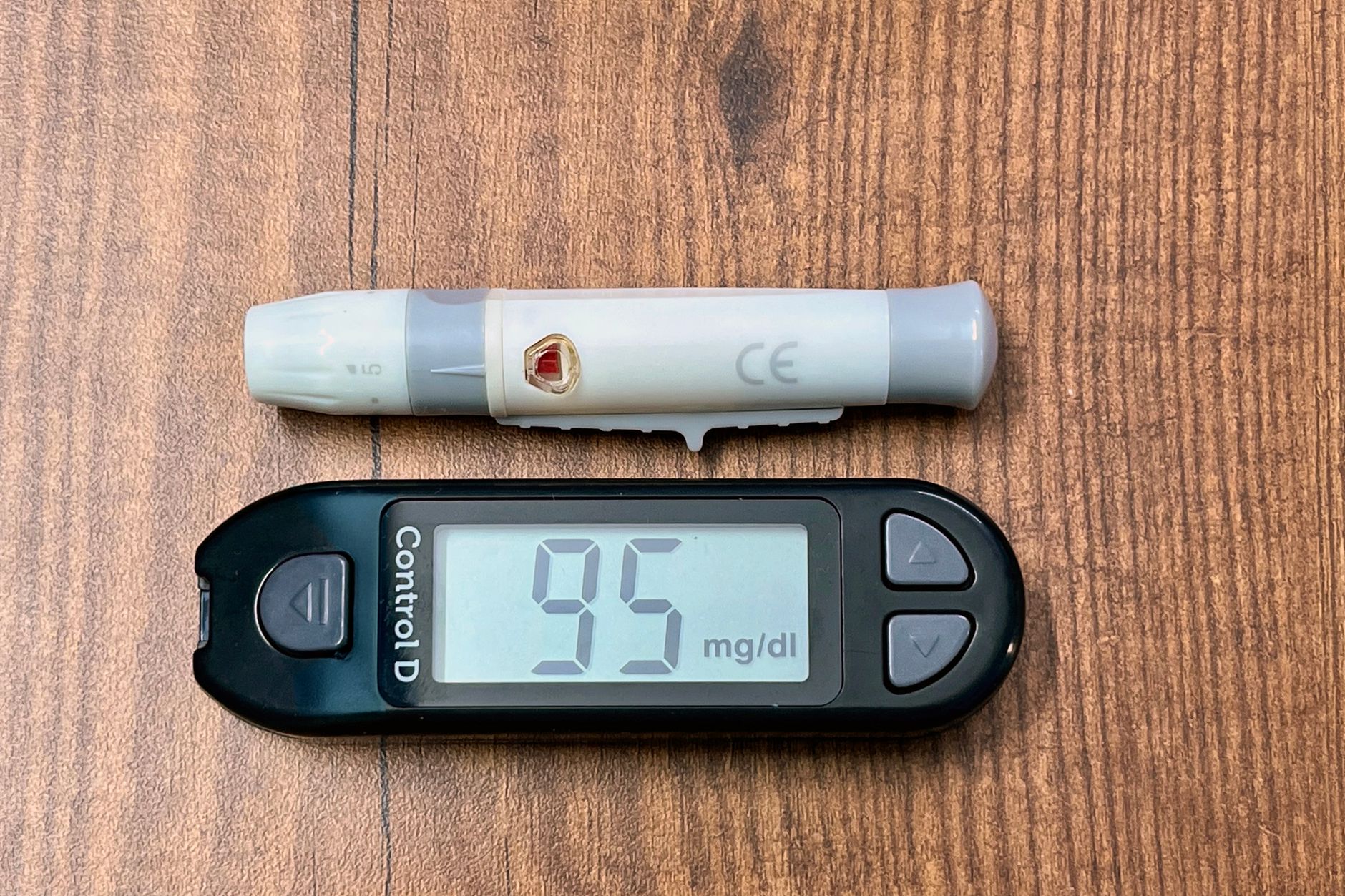
GLP-1s reduce inflammation in adults without diabetes
GLP-1 receptor agonists lower C-reactive protein levels in adults without diabetes, indicating a potential anti-inflammatory effect beyond glucose control.

Safe caffeine intake does not harm heart health
Established guidelines for safe caffeine intake do not pose a risk to cardiovascular health, despite the expanding market of caffeine-containing products.

Dialysis patients face escalating medication burden over two decades
The number of medications prescribed to dialysis patients has steadily increased since 2003, raising concerns about polypharmacy and adverse drug events.

Biomarkers hint at who recovers motor function after stroke
An exploratory substudy of the PRACTISE trial identified specific biomarkers linked to upper-extremity motor recovery after stroke, including neuroplasticity and inflammatory markers.

Beyond screen time: How short videos rewire dopamine pathways
The pervasive use of short-form video content raises questions about its impact on attention spans and cognitive processing, particularly in younger populations.

Ponatinib: Efficacy vs. vascular risk, 10 years on
Ten years of real-world data confirm ponatinib's efficacy in CML and Ph+ ALL, but highlight persistent vascular occlusive event risks despite risk-management measures.

Part-Time Pay: Can Doctors Really Work Less and Thrive?
Many physicians are exploring part-time work arrangements to improve work-life balance, challenging traditional full-time expectations in medicine.

A Simpler Score for Coronary Calcium: Does it Help Predict Risk?
A simplified risk score may predict coronary artery calcium on CTA, potentially streamlining risk assessment for cardiovascular disease.

Melanoma: Why early detection is harder than it seems
Melanoma detection relies heavily on primary care vigilance. GPs must recognize subtle signs and risk factors to improve early diagnosis.

Melanoma: Are you missing the subtle clues in your skin exams?
Early detection of melanoma hinges on primary care physicians recognizing subtle skin changes and risk factors, improving patient outcomes.

Australian Hospital Doctors Threaten Strike: What It Means for Patient Care
Hospital doctors in Australia are threatening strike action over pay and working conditions, raising concerns about the immediate impact on patient services and long-term healthcare stability.

Shorter octreotide could ease variceal bleed burden for your patients
The optimal duration of octreotide infusion for acute esophageal variceal bleeding has been a subject of debate, with current guidelines recommending a 2-5 day course.

Chiglitazar: Is a 'pan' approach better for MASLD?
Chiglitazar, a PPAR pan-agonist, significantly reduced liver fat content and improved insulin sensitivity in MASLD patients with hypertriglyceridemia.

Fibromyalgia: Is the pain all in the genes?
A large-scale genetic study has identified specific genetic variants associated with fibromyalgia, offering new insights into its biological basis.

Your chronic GI patients: Don't overlook this key dietary history detail
A physician's prolonged suffering from severe gastrointestinal distress stemmed from a surprising, self-imposed dietary choice, highlighting the complexities of patient adherence.

Prior Authorization: Why 'Fighting Back' Is Now Standard Practice
Navigating prior authorization is a significant burden for clinicians, often requiring multiple appeals to secure necessary patient care.

Why PARP inhibitors are changing the mCRPC treatment algorithm
PARP inhibitors are emerging as a targeted therapy for prostate cancer, particularly in patients with specific genetic mutations. Understanding their role is crucial for treatment selection.

Isatuximab quadruplet deepens myeloma response, but for how long?
Isatuximab, bortezomib, lenalidomide, and dexamethasone quadruplet therapy achieved higher rates of MRD negativity and prolonged time to progression in transplant-ineligible multiple myeloma.

Can circulating metabolites clear senescent cells in TMJ-OA?
Autologous circulating extracellular vesicles (C-EVs) significantly enhanced condylar bone regeneration and alleviated symptoms in TMJ-OA patients, targeting senescent chondrocytes.

Cyclobenzaprine targets fibromyalgia pain by improving sleep
Bedtime sublingual cyclobenzaprine 5.6 mg significantly reduced daily pain in fibromyalgia patients by targeting nonrestorative sleep, a Phase 3 trial showed.

Lebrikizumab maintains atopic dermatitis remission for months off-therapy
Lebrikizumab monotherapy sustained deep remission in atopic dermatitis patients for up to 38 weeks after treatment cessation.

TNF emerges as a key node in autoimmune hepatitis, trial shows
An integrative omics approach identified TNF as a central pathogenic driver in autoimmune hepatitis, with a phase IIa trial validating TNF inhibition.

Iptacopan's 24-month IgA nephropathy data: a new standard of care?
Iptacopan significantly reduced proteinuria by 38.3% over 24 months in IgA nephropathy patients, offering a new therapeutic option.

Setmelanotide curbs insatiable hunger in acquired hypothalamic obesity
Setmelanotide significantly improved body mass index, hunger, and hyperphagia symptoms in patients with acquired hypothalamic obesity, according to the TRANSCEND trial.

The Neutropenic Diet: An Unnecessary Burden for Leukemia and Transplant Patients?
A liberalized diet was noninferior to the traditional neutropenic diet for preventing major infections in patients with acute leukemia or undergoing stem-cell transplant.

RNR inhibition reverses FLT3i resistance in AML, prolonging survival
Ribonucleotide reductase (RNR) inhibition restores FLT3 inhibitor sensitivity in FLT3 ITD+ AML with NRAS mutations, significantly prolonging survival in xenograft models.

Ecopipam for Tourette Syndrome: Did it deliver on its promise?
Ecopipam significantly reduced tic severity in Tourette syndrome patients, but its safety profile warrants careful consideration for long-term use.

The Oral-Systemic Link: How Gut Dysbiosis Connects RA and Periodontitis
Subgingival microbial dysbiosis acts as a pathophysiological link between rheumatoid arthritis and periodontitis, driving systemic inflammation, according to a new review.

Asciminib: A new first-line option for chronic myeloid leukemia?
Asciminib demonstrated superior efficacy and a favorable safety profile compared to investigator-selected TKIs in newly diagnosed chronic myeloid leukemia.

Interrupting immunomodulators for infection: a strategy without evidence?
Temporarily stopping immunomodulatory agents during infection in inflammatory rheumatic disease patients did not reduce severe infection or treatment failure compared to continuation.

Delegating tasks to medical assistants: What can GPs safely offload?
GPs often face challenges in workload management. Delegating specific clinical and administrative tasks to medical assistants can improve practice efficiency and patient access.

Cholecystectomy: The definitive answer to recurrent gallstone pancreatitis?
Early cholecystectomy significantly reduces recurrent gallstone pancreatitis, aligning with guidelines often overlooked in real-world practice.

The Unseen Burden of Kidney Transplant Failure
Kidney transplant failure extends beyond medical complications, imposing profound psychological and social burdens on patients and their care partners.

CGM offers tighter glucose control for type 2 diabetes on dialysis
Continuous glucose monitoring (CGM) improves glycemic control in patients with type 2 diabetes undergoing hemodialysis, a population often overlooked in diabetes management.

Kidney transplant process sees shifts, but disparities persist
A recent report on European kidney transplantation highlights evolving donor types and recipient demographics, but persistent inequities in access remain.

Weekly growth hormone therapy: a safer path to long-term height gains?
Weekly growth hormone therapy offers a potential alternative to daily injections, improving long-term height outcomes in children with growth hormone deficiency.

EHR data flags liver transplant patients at highest risk of post-op complications
An EHR-based marker identifies liver transplant recipients at high risk for adverse post-transplant outcomes, offering a tool for early intervention and personalised care strategies.

GLP-1s and lifestyle: a new path to stronger bones?
Combining GLP-1 receptor agonists with lifestyle interventions may offer benefits for bone mineral density, particularly in patients with obesity.

Your obesity patients deserve more than just weight loss goals
Modern obesity treatment is shifting focus from simple weight loss to more meaningful clinical endpoints, reflecting a broader understanding of the disease's impact.

The long shadow of head trauma: sport, CTE, and dementia risk
Repeated head impacts in contact sports significantly increase the risk of neurodegenerative diseases, including dementia and chronic traumatic encephalopathy (CTE).

NHS waiting lists shorten, but regional disparities persist for patients
NHS waiting lists are finally shrinking across England, but access to timely care remains uneven, with some regions seeing little improvement.

EMA and EISMEA streamline health innovation: Will it cut red tape?
The European Medicines Agency (EMA) and the European Innovation Council and SMEs Executive Agency (EISMEA) have formalized cooperation to accelerate health innovation. This aims to simplify regulatory pathways for emerging health technologies.

Metastatic pancreatic cancer: A new drug could shift your approach
The EMA granted accelerated assessment for an investigational medicine for metastatic pancreatic adenocarcinoma, potentially offering a new option in a difficult disease.

EMA targets women's health: Will it close the evidence gap?
The European Medicines Agency (EMA) has intensified efforts to address the persistent evidence gap in women's health, aiming to improve medicine development and access.

EHR-derived marker flags liver transplant recipients at high risk of early death
An EHR-based marker identifies liver transplant recipients at increased risk of 90-day mortality, offering a tool for pre-transplant risk stratification and post-operative management.

IgA nephritis in older transplant patients: a data desert for optimal care
Optimal management of IgA nephritis in older, post-transplant patients remains poorly defined due to a critical lack of dedicated research.

Why changing clinical practices demands a new kind of trust
The evolving landscape of medical practice, driven by new evidence and technologies, fundamentally reshapes the clinician-patient trust dynamic.

World Cup Injuries: A Stress Test for Sports Medicine
The recent World Cup highlighted the intense physical demands on elite athletes, with a high incidence of muscle and joint injuries challenging current sports medicine practices.

Medical mistrust isn't just historical. It's political
The convergence of medical mistrust, the wellness industry, and political ideologies creates a complex challenge for healthcare, eroding public health efforts and patient adherence.

The real reason joint oncology practices need explicit protocols
Running a joint oncology clinic presents unique challenges and benefits, requiring careful navigation of professional boundaries and patient dynamics.

Prenatal alcohol exposure: Why 'no amount is safe' isn't enough
Despite clear guidelines, a significant number of pregnant women continue to consume alcohol, raising concerns about fetal alcohol spectrum disorders.

AI won't replace doctors, but it might erode your core skills
The increasing reliance on AI in medicine raises concerns about the erosion of fundamental clinical skills among healthcare professionals.

Integrating Medical Cannabis in Geriatric Primary Care: A Viable Path?
Integrating medical cannabis clinics into geriatric primary care practices shows promise for managing chronic conditions in older adults.

Medical Training's New Perfectionism: A Silent Epidemic Among Future Clinicians
Medical trainees face unprecedented pressure for perfection, leading to burnout and mental health crises, impacting patient care and workforce retention.

The real reason AI is reshaping clinical skill acquisition
Artificial intelligence tools are reshaping medical education, offering new avenues for learning but also raising questions about clinical reasoning development.

Lymphatic malformations: Is your management approach outdated?
Lymphatic malformations, particularly cystic hygromas, demand a nuanced management approach, balancing observation with targeted interventions.

How lipid packing dictates caveolae stability at the plasma membrane
Lipid packing density plays a critical role in confining caveolae to the plasma membrane, influencing their stability and function in cellular processes.

ARHGAP36: A new survival predictor for neuroblastoma patients
High ARHGAP36 levels predict improved 5-year survival in neuroblastoma patients, linking FOXC1-induced expression to altered Hedgehog signaling.

Enhancer activity: The indirect chromatin modulation that reshapes gene expression
Ligand-dependent enhancer activation indirectly influences non-target promoters within the same chromatin domain, revealing a complex regulatory mechanism.

New CRISPR screen identifies key regulators of anterior neural tube closure
A novel CRISPR interference screen in human organoids identified ZIC2, SOX11, and ZNF521 as essential transcription factors governing anterior neural tube closure.

Infants move to music, but coordinated rhythm takes a year to emerge
Infants exhibit enhanced auditory responses to music from 3 months, but complex, structured movement patterns to music only emerge by 12 months.

Prime editing in zebrafish: a precise path to gene modification?
Prime editing, a refined CRISPR/Cas9 technology, enables precise DNA insertions and substitutions in zebrafish, with nuclease-based PEn achieving up to 27.3% precise insertion.
When ribosomes pause at stop codons, protein integrity hangs in the balance
Ribosome pausing at stop codons varies by sequence and tissue, influencing protein C-terminal integrity and potentially leading to heterogeneous protein extensions.

Early word recognition: a skill, not just a vocabulary count
Word recognition in early childhood is a skill that develops continuously, becoming faster and more accurate, and is deeply intertwined with vocabulary growth.

Proline Hydroxylation: A New Target for RNA Metabolism and Cell Cycle Regulation?
A new workflow combining HILIC and LC-MS identified thousands of proline hydroxylation sites, revealing roles in RNA metabolism and cell cycle regulation.

Pandemic PPE: Billions spent, but healthcare wasn't safer
Government failures in PPE procurement and distribution during the COVID-19 pandemic left healthcare workers and patients at unacceptable risk.

Why air travel leaves clinicians feeling unwell and what causes it
Air travel subjects the human body to a complex array of physiological stressors, from hypoxia to altered circadian rhythms, impacting multiple organ systems.

Why useful medical content gets lost in the social media numbers game
Clinically relevant medical content struggles for visibility online, often overshadowed by less rigorous but more engaging posts, hindering knowledge dissemination.

The Benadryl Challenge: Why public health officials are struggling to stop this deadly trend
Public health officials are deploying multi-pronged strategies to combat the Benadryl Challenge, a viral social media trend linked to severe diphenhydramine toxicity and fatalities.

NHS waiting lists shorten, but regional disparities persist
NHS waiting lists are decreasing nationally, but access to timely care remains uneven across England, creating a postcode lottery for patients.

Repeated head impacts: What they mean for dementia risk
Repeated blows to the head in contact sports significantly increase the risk of dementia, particularly in former professional athletes.

Why are medical schools failing to teach clinicians about autism?
Many medical schools across Europe lack essential education on autism, leaving future clinicians unprepared to diagnose and manage autistic patients.

Why Autism 'Unmasking' in Girls Demands a New Clinical Lens
Autism 'unmasking' in girls, often triggered by life transitions, reveals previously hidden autistic traits, necessitating a re-evaluation of diagnostic criteria and clinical support.

Reformer Pilates: The Hype, The Hope, and The Hard Data Gap
Reformer Pilates enjoys widespread popularity for musculoskeletal health, but robust clinical evidence supporting its specific efficacy remains limited.

Why prescribed cannabis isn't safer for adolescent brains
Medical cannabis use in adolescents carries significant risks, including psychiatric disorders and impaired neurodevelopment, demanding careful clinical consideration.

Do You Speak Medicine? Decoding Obscure Medical Terms
Medical jargon often obscures meaning, even for seasoned clinicians. Understanding the nuances of 'speaking medicine' is essential for precise communication.

Harlequin Ichthyosis: Understanding the Genetic Basis of a Rare Skin Disorder
Harlequin ichthyosis, a severe congenital skin disorder, stems from mutations in the ABCA12 gene, disrupting lipid transport and epidermal barrier function.
Ceftriaxone: Navigating Dosing, Indications, and Adverse Effects in Practice
Ceftriaxone, a third-generation cephalosporin, requires careful consideration of dosing, indications, and potential adverse effects for optimal patient outcomes.

Medical student debt vs. specialty pay: Can passion still win?
A look at average annual salaries for the most-searched medical specialties reveals significant variation, with surgical fields generally commanding higher compensation.

Heart Failure Treatment in 2026: A Clinical Overview
Heart failure management has changed substantially over the past decade. This clinical overview covers the four pillars of guideline-directed medical therapy, the role of device therapy, and emerging treatments entering practice in 2026.

What Is CAR-T Cell Therapy? Mechanism, Approved Indications, and Key Evidence
CAR-T cell therapy reprogrammes a patient's own T cells to seek and destroy cancer cells. Here is what clinicians need to know about how it works, which cancers it is approved for, and what the evidence shows.

What Is an SGLT2 Inhibitor? Mechanism, Indications, and Evidence
SGLT2 inhibitors block renal glucose reabsorption to lower blood sugar and protect the heart and kidneys. A clinical primer on mechanism, approved agents, key trial evidence, and safety.

Infrared saunas for workout recovery: still more hype than help?
Evidence for infrared saunas improving workout recovery remains limited and inconsistent, with studies showing mixed results on muscle soreness and performance.

Fake medicines: How to spot substandard drugs and protect your patients
One in ten medicines globally is estimated to be fake or substandard, posing significant health risks. Clinicians must verify drug sources and educate patients.

Chronic Migraine: Is the Gut-Brain Axis the Missing Link?
Chronic migraine frequently co-occurs with gastrointestinal issues, suggesting a gut-brain axis involvement through dysbiosis and inflammation.

Why lifestyle advice alone still dominates obesity searches
Despite advances in pharmacotherapy, Google searches for obesity management remain heavily skewed towards lifestyle interventions, indicating a persistent public perception.

Why clinician wellness is not a luxury, but a bedrock of patient care
Clinician well-being directly impacts patient outcomes, with recent research emphasizing holistic approaches to care and engagement.

Jideytro offers new hope for ROS1-positive NSCLC after prior therapy
The FDA approved Jideytro for previously treated ROS1-positive non-small cell lung cancer, providing a new option for this rare subtype.

Does dupilumab increase lymphoma risk in eczema patients?
Dupilumab, a common eczema treatment, has raised questions about its potential link to lymphoma. Data suggests no increased risk, but vigilance remains key.

Molecular Profiling Refines Salivary Gland Tumor Diagnosis
Molecular profiling improves the diagnostic accuracy and identification of actionable alterations in complex salivary gland tumors, complementing traditional histopathology.

Could a monoclonal antibody finally tackle ARDS?
ALT-100, a novel monoclonal antibody, shows potential in mitigating acute respiratory distress syndrome, targeting inflammatory pathways to improve patient outcomes.

WHO outlines seven strategies to prevent drowning deaths
The World Health Organization launched seven evidence-based strategies to reduce drowning, a leading cause of unintentional injury death globally. These interventions target both individual and community-level risks.
Bundibugyo virus: Why community trust is the only vaccine we have
Effective community engagement is critical for containing Bundibugyo virus outbreaks, according to new WHO operational guidance.

Missing early psoriatic arthritis means irreversible joint damage
A new model incorporating the Psoriasis Epidemiology Screening Tool (PEST) may identify psoriasis patients at higher risk for developing psoriatic arthritis.

Patellofemoral anatomy may predict cartilage damage in OA
Specific patellofemoral joint anatomical features correlate with the location and severity of cartilage damage in osteoarthritis, offering a potential predictive tool.

Frailty, not just RA, predicts osteoporotic fracture risk
Frailty significantly increases the risk of osteoporotic fractures in veterans with rheumatoid arthritis, independent of traditional risk factors.

Enpatoran gets breakthrough tag for lupus: Another IFN-I inhibitor enters the fray
The FDA granted breakthrough designation to enpatoran for systemic lupus erythematosus, signaling a potential new option targeting type I interferon.

Avacopan study retracted: What it means for ANCA vasculitis efficacy
The New England Journal of Medicine retracted a key avacopan study, raising questions about the FDA's efficacy assessment for ANCA-associated vasculitis.

Smartphones and Pacemakers: Separating Fact from Electromagnetic Fiction
Modern smartphones pose minimal risk of electromagnetic interference with pacemakers and ICDs, provided a safe distance is maintained.

Cardiovascular risk: Why men die earlier, women live sicker
Cardiovascular risk factors impact longevity and morbidity differently by sex, with men experiencing earlier mortality and women facing a longer duration of disease.
Severe VT in ischaemic cardiomyopathy: Why current care isn't enough
A case of sustained ventricular tachycardia in ischaemic cardiomyopathy highlights the complexities of managing severe left ventricular systolic dysfunction.

Pulsed Field Ablation: A New Frontier for Atrial Fibrillation?
Pulsed field ablation offers a novel, non-thermal approach to cardiac tissue destruction, leveraging irreversible electroporation for targeted cell death in arrhythmias.

For atrial fibrillation, integrated pathways may beat individual fixes
The AF-CARE pathway, a comprehensive, integrated management strategy, aims to improve outcomes for atrial fibrillation patients by standardising care.

Why cardiac amyloidosis diagnoses are surging and what it means for GPs
Cardiac amyloidosis diagnoses are increasing due to improved awareness and advanced imaging, revealing a previously underrecognized cause of heart failure.

AI in the ED: Can algorithms truly accelerate acute cardiac care?
Artificial intelligence tools show promise in improving diagnostic speed and accuracy for acute cardiac conditions, but integration challenges persist.

Vapes and Snus: What the ESC Says About Cardiovascular Risk
The European Society of Cardiology has clarified its position on electronic cigarettes and snus, outlining distinct cardiovascular risks.

AFib ablation: Stop assuming success based on AFib type alone
Catheter ablation effectively reduces atrial fibrillation recurrence, but patient selection is key to maximising long-term success and symptom improvement.

LVADs boost survival, but our metrics miss the real success story.
Left ventricular assist devices (LVADs) offer a lifeline for advanced heart failure, but their utility hinges on precise patient selection and clear outcome metrics.

A flu shot may shield your patients from new AFib
Influenza infection significantly increases the risk of new-onset atrial fibrillation, particularly in older adults and those with pre-existing cardiovascular conditions.

How will AI change your daily cardiology workflow by 2026?
The ESC Digital and AI Summit 2026 in Basel will showcase advancements in AI-driven diagnostics and digital health tools for cardiovascular care.

Pulsed Field Ablation for VT/PVCs: The safer path, or just a new frontier?
Pulsed field ablation shows feasibility for ventricular tachycardia and premature ventricular complexes, extending its utility beyond atrial fibrillation.

AF-CARE Pathway: New ESC Guidelines Streamline AFib Management
The 2024 ESC AFib Guidelines introduce the AF-CARE pathway, emphasizing early diagnosis, comprehensive risk factor management, and integrated care.

Think cardiotoxicity is old news? Modern cancer therapy says otherwise
Cardiotoxicity from cancer treatments demands vigilant monitoring and proactive management, especially with immune checkpoint inhibitors and 5-FU.

Lipids are optimized, but CAD persists. Is inflammation the real enemy?
Inflammation's role in coronary artery disease is clearer in 2026, with low-dose colchicine showing efficacy and social isolation emerging as a risk factor.

Vapes, Snus, and Nicotine: What Cardiologists Must Know About ESC's New Stance
The European Society of Cardiology issued a policy statement on nicotine products, clarifying cardiovascular risks and informing clinical practice.

More oxygen, less heart recovery in VA-ECMO? The paradox
Maintaining high oxygen levels in VA-ECMO patients may impair myocardial recovery, challenging current practices that often target supranormal arterial oxygen partial pressures.

Non-drug strategies for post-op delirium after cardiac surgery
Multicomponent non-pharmacological interventions reduce post-operative delirium incidence and severity in cardiac surgery patients.

AFib ablation: Is your current timing maximizing patient benefit?
A post-hoc analysis of the CABANA trial suggests earlier catheter ablation for AFib improves outcomes, particularly for patients with paroxysmal AF.

Beyond clinical signs: VExUS/LUS reveals heart failure's true volume
Early changes in VExUS score and lung ultrasound (LUS) correlate with outcomes in acute decompensated heart failure, offering a non-invasive prognostic indicator.

Dilated cardiomyopathy: Is your patient's genotype dictating their risk?
Genetic variations influence dilated cardiomyopathy outcomes, with specific mutations correlating to differing risks of heart failure events and mortality.
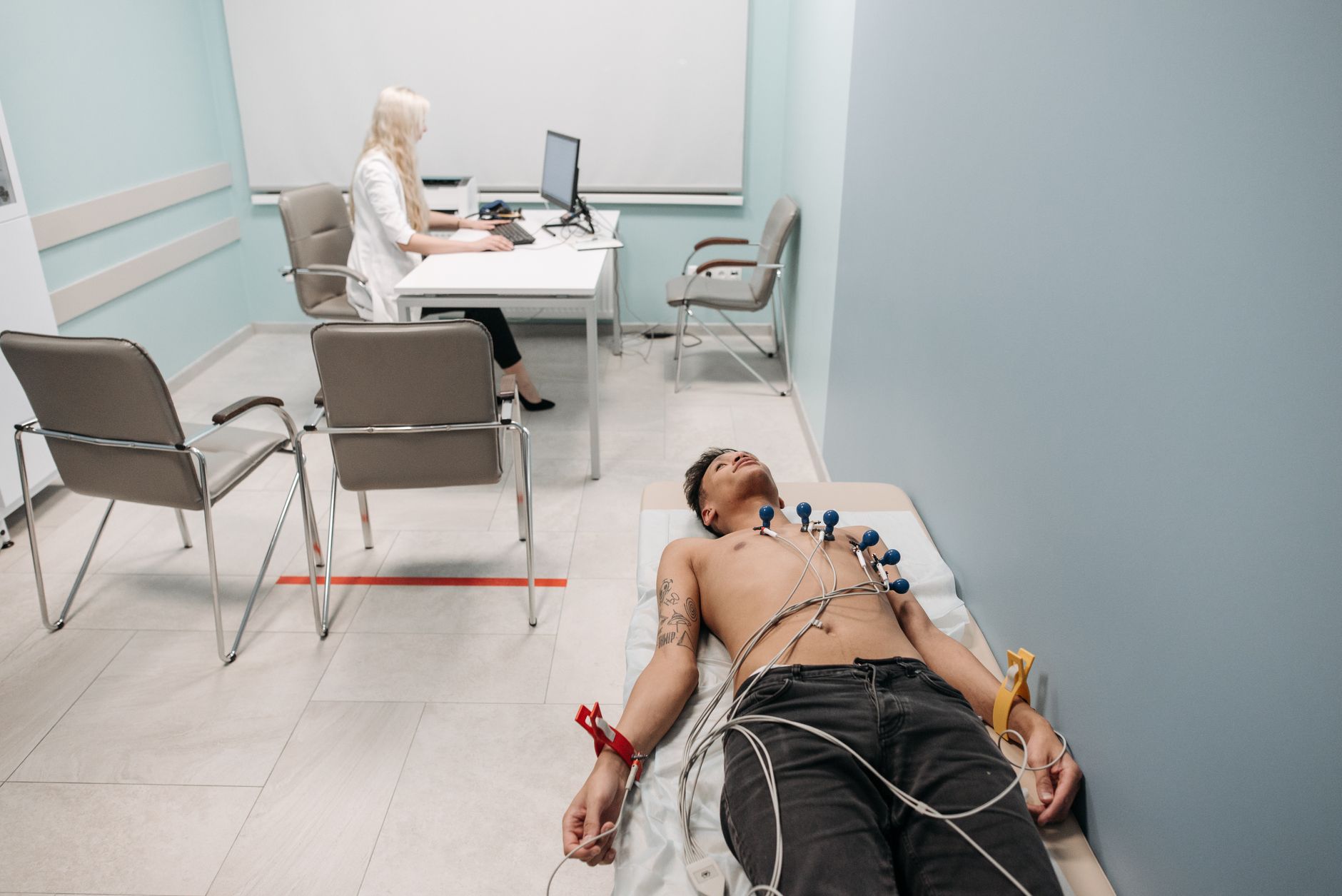
Atrial Fibrillation in LVNC: Is it a distinct arrhythmia or a marker of disease?
Atrial fibrillation in left ventricular non-compaction (LVNC) presents unique challenges, with new insights clarifying its prevalence and clinical implications.

LVAD RVF: The real reason current risk scores miss the mark
Existing risk scores for right ventricular failure after LVAD implantation show modest predictive value, with EUROMACS performing best but needing refinement.

Why your annual flu jab recommendation is doing double duty for AFib
Influenza vaccination correlates with a reduced risk of new-onset atrial fibrillation, suggesting a broader cardiovascular protective effect beyond respiratory illness.

Aficamten: A New Path for Non-Obstructive Hypertrophic Cardiomyopathy?
Aficamten shows promise for non-obstructive hypertrophic cardiomyopathy, a condition with limited treatment options. The drug targets cardiac myosin, reducing contractility and improving symptoms.
Ruling Out Heart Attacks Faster: The PRESC1SE-MI Study's ED Impact
The PRESC1SE-MI study demonstrated a novel algorithm using high-sensitivity troponin I can safely rule out myocardial infarction in the emergency department within one hour.

Do Statins Still Benefit Patients Over 70 Without Prior CVD?
The STAREE trial investigated statin use for primary prevention in individuals over 70, challenging long-held assumptions about cardiovascular benefit in this age group.

Factor XIa Inhibitors After Heart Attack: A New Antithrombotic Path?
Factor XIa inhibitors offer a novel antithrombotic strategy after myocardial infarction, aiming for reduced bleeding risk compared to current agents.

Why Transthyretin Amyloid Cardiomyopathy Remains Underdiagnosed
Transthyretin amyloid cardiomyopathy (ATTR-CM) often presents with non-specific symptoms, leading to significant diagnostic delays and missed opportunities for early intervention.

GLP-1 Agonists: Do They Prevent Heart Disease in the General Population?
GLP-1 receptor agonists reduce cardiovascular risk in obese individuals with established CVD, but their benefit in primary prevention remains unclear.

Faster Heart Attack Rule-Out: Can PRESC1SE-MI Deliver on ED Efficiency?
A new strategy for ruling out myocardial infarction in emergency departments, using high-sensitivity troponin and clinical risk scores, demonstrated high safety and reduced length of stay.

Do Statins Prevent Dementia in Healthy Older Adults? STAREE Trial Weighs In
The STAREE trial investigated statin use in healthy adults over 70, finding no reduction in dementia incidence but a modest cardiovascular benefit.

Eplontersen: Can a new RNAi therapy change ATTR-CM outcomes?
Eplontersen significantly reduced transthyretin protein levels and improved clinical endpoints in ATTR amyloid cardiomyopathy.

Aficamten targets non-obstructive HCM, a disease with no approved drug
Aficamten shows promise for non-obstructive hypertrophic cardiomyopathy, a condition lacking specific approved therapies.
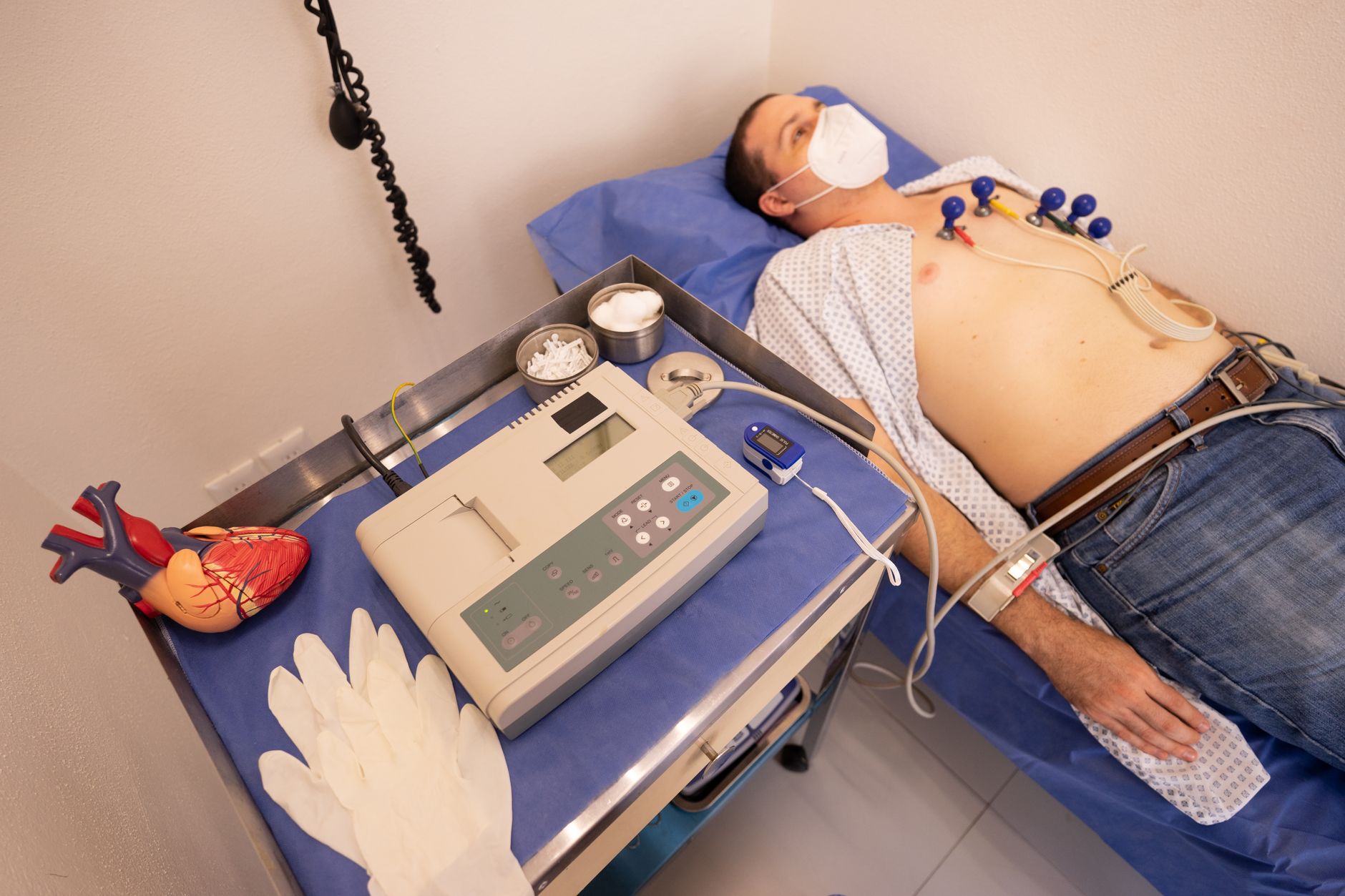
Can Factor XIa Inhibitors Reduce Post-MI Bleeding Without Compromising Efficacy?
Factor XIa inhibitors aim to reduce thrombotic events in acute coronary syndrome patients while minimizing bleeding risk, a critical balance in post-MI care.

ESC Congress 2026: The 59 Pivotal Trials You Need to Know
Fifty-nine pivotal trials will present at ESC Congress 2026, covering major cardiovascular disease areas from heart failure to arrhythmia.

EHR data identifies liver transplant patients at high risk of early graft loss
An EHR-based marker accurately identifies liver transplant recipients at elevated risk of early graft failure and mortality, offering a tool for improved post-transplant management.

Are SGLT2 and GLP-1 the missing link in cardiorenal-metabolic care?
SGLT2 inhibitors and GLP-1 receptor agonists are transforming care for cardiorenal-metabolic diseases, moving beyond glucose control to broad organ protection.

Living donation: What's truly behind rapid APOL1 kidney decline?
Individuals with two APOL1 risk alleles experience a greater decline in kidney function after living donation, raising concerns for donor selection.
C3G: Pegcetacoplan or iptacopan? Why indirect data complicates your choice
Indirect comparisons suggest pegcetacoplan may offer superior efficacy in C3 glomerulopathy, but head-to-head trials are absent.

Pediatric EoE: Why some symptoms persist despite standard care
Children with eosinophilic esophagitis and hypermobility exhibit worse autonomic symptoms, including orthostatic intolerance and gastrointestinal dysmotility.

IgAV-N in children: High risk, low evidence. A path for better trials
IgA vasculitis nephritis in children progresses to kidney failure, but clinical studies are few. An international workshop identified barriers to high-quality evidence.

Why children with IgA vasculitis nephritis still lack targeted therapies
New KDIGO guidelines highlight a persistent gap in clinical trial data for children with IgA vasculitis nephritis, leaving them without specific treatment recommendations.

IgA Nephritis: Known threat, unknown plan for older transplants
Current research on IgA nephritis post-transplant largely excludes older patients, leaving a significant gap in evidence for managing this complex population.

Why nephrology inpatients are sicker, more complex, and harder to manage
Nephrology inpatients present with increasing comorbidity burden and acuity, driven by an aging population and advanced chronic kidney disease.

Is Fabhalta the long-term IgAN solution we've needed?
Fabhalta (iptacopan) received full FDA approval for IgA nephropathy, converting its accelerated approval based on proteinuria reduction.

Donor T-cells prevent CMV complications in blood cancer patients
The FDA approved a new donor T-cell therapy to prevent cytomegalovirus (CMV) infection and disease in high-risk blood cancer patients post-transplant.

Naloxone moves OTC: Will broader access curb opioid overdose deaths?
The FDA has approved an over-the-counter naloxone nasal spray, aiming to increase accessibility and reduce opioid overdose fatalities.

The real reason foreign tobacco products avoided US standards
The FDA proposes a new rule to ensure foreign tobacco product manufacturers comply with US regulations, aiming to protect public health by closing a regulatory loophole.

Influenza treatment: The single-dose option challenges multi-day adherence
The FDA approved the first single-dose generic influenza treatment, offering a new option for patients seeking convenient antiviral therapy.

First Oral PCSK9 Inhibitor Lowers LDL in Phase 1 Trial
Laroprovstat, the first oral small-molecule PCSK9 inhibitor, lowered LDL cholesterol in a phase 1 trial. It is not approved, and the class remains injectable-only in practice.

Screwworm EUA: How targeting larval development changes prevention
The FDA issued Emergency Use Authorization for a drug to prevent New World screwworm infestations in horses, offering a critical short-term solution.

The hidden data gap behind recurring drug shortages
The FDA proposes modernizing drug manufacturing registration, requiring facility-specific data and unique facility identifiers to enhance supply chain oversight.

Tzield expands its reach: A new option for recently diagnosed pediatric type 1 diabetes
The FDA approved Tzield (teplizumab) for pediatric patients with recently diagnosed Stage 3 type 1 diabetes, marking an expansion of its indication.

Treating screwworm: Why an OTC generic is now the frontline
The FDA issued an Emergency Use Authorization for a generic over-the-counter drug to treat New World screwworm infestations in companion animals.

Cell and gene therapy approvals speed up. What does it mean for your practice?
The FDA issued new draft guidance to accelerate cell and gene therapy development, aiming to clarify regulatory pathways and expedite patient access.

How non-animal models are redefining oncology drug safety
The FDA issued draft guidance to reduce animal testing for oncology drugs, allowing sponsors to use non-animal methods for certain safety and efficacy assessments.

Chronic Hepatitis Delta Virus: Why direct viral targeting matters now
The FDA has approved the first treatment for chronic hepatitis delta virus (HDV) infection, addressing a severe form of viral hepatitis with high mortality.

Your patient's child could be exposed to hidden tobacco dangers
The FDA issued warnings to retailers distributing illegal tobacco products designed to resemble common items, posing a significant public health risk, particularly to children.

BHT, ADA, and food chemicals: When 'safe' isn't forever
The FDA finalized its post-market assessment program for food chemicals, immediately launching reassessments of butylated hydroxytoluene (BHT) and adenosine deaminase (ADA). This move signals a shift towards proactive safety evaluations for substances already in the food supply.

Is the future of drug discovery already on your pharmacy shelf?
The FDA is streamlining drug repurposing, leveraging existing data to identify new indications and expedite therapies for unmet medical needs.

A bureaucratic voucher is now driving rare disease drug development
The FDA granted its seventh priority review voucher, incentivizing drug development for rare pediatric and tropical diseases.

Drug approvals: FDA's pivot to speed and supply. Can both truly thrive?
The FDA selected seven participants for its PreCheck pilot program, aiming to streamline drug manufacturing inspections and enhance supply chain resilience.

Australia's smoking rate drops to 5.6% daily, defying 'comeback' claims
Just 5.6% of Australians now smoke daily, a significant decline that contradicts recent narratives about a resurgence in smoking.

How microplastics in blood may trigger acute myocardial infarction.
Patients experiencing acute myocardial infarction show higher levels of micro and nanoplastics in their blood, suggesting a potential link to cardiovascular events.

The antibiotic paradox: More drugs won't solve resistance
Antibiotic resistance is a growing global health crisis, but a multi-pronged approach beyond novel compounds offers tangible solutions for clinicians.

Melatonin: Adjunctive, non-opioid for chronic musculoskeletal pain?
Melatonin, a hormone known for sleep regulation, may reduce chronic musculoskeletal pain, offering a potential non-opioid treatment option.

Bilingualism and dementia: Is it delay, or true prevention?
Speaking multiple languages may not directly lower dementia risk, but it could delay symptom onset by enhancing cognitive reserve, a mechanism distinct from disease prevention.

Disabled astronauts: Why some disabilities may be strengths in space
Individuals with certain disabilities may possess inherent physiological and psychological adaptations that make them uniquely suited for long-duration space missions, challenging traditional astronaut selection criteria.

Walking football: A prescription for sedentary older adults?
Walking football provides a unique blend of physical activity and social engagement for older adults, challenging traditional views of ageing.

Newborn screening: Why communicating complex genetics just got harder
Expanding newborn screening panels requires precise communication with parents to manage expectations and ensure informed consent for complex genetic conditions.

Meningitis B: Why campus life shifts vaccine guidance for your patients
The MenB vaccine is now available for university students in Europe, targeting a population at increased risk for invasive meningococcal disease.

Heat-related mortality: When housing becomes a clinical risk
Heat-related mortality disproportionately affects vulnerable populations in Europe, with substandard housing and urban heat islands exacerbating the public health crisis.
Metabolic Syndrome: Is it accelerating your patients' brain aging?
Metabolic syndrome, affecting one in four adults, significantly accelerates brain aging and increases the risk of cognitive decline, impacting neurovascular health.

Interceptions aren't just muscle: fatigue erodes decision speed
Player fatigue substantially diminishes the rate of successful ball interceptions in World Cup matches, impacting defensive efficacy and game outcomes.

Jude Bellingham's Prominent Leg Veins: A Physiologic Response to Elite Athleticism
Jude Bellingham's visible leg veins are a normal physiological adaptation to intense endurance training, not a sign of pathology. This vascular prominence reflects increased blood flow and efficient oxygen delivery.

Beetroot Juice Fails to Boost Sports Performance in Latest Study
Beetroot juice, often touted for athletic benefits, did not improve sports performance in a recent investigation, challenging popular claims.

Botticelli's Muse: Has a 550-Year-Old Medical Case Been Solved?
New analysis suggests pulmonary tuberculosis, complicated by a rare genetic disorder, may have killed Simonetta Vespucci, Botticelli's muse, 550 years ago.

Heatwaves hit hard, but prescribing 'cool' isn't enough
Heatwaves disproportionately affect vulnerable populations in the UK, exacerbating existing health disparities. Targeted interventions are essential to mitigate morbidity and mortality.

Black Death Survivors' Genetic Legacy Offers Clues for COVID-19 Resilience
Genetic analysis of medieval plague survivors reveals specific immune system adaptations that may offer insights into modern infectious disease resilience, including COVID-19.

Long COVID: Objective Biomarkers Challenge Psychosomatic Narrative
Emerging objective biomarkers for Long COVID, including immune dysregulation and microclots, directly contradict the long-standing psychosomatic explanation for patient symptoms.

Weight-Loss Jabs May Create a New Kind of Yo-Yo Dieting
GLP-1 receptor agonists, while effective for weight reduction, present a significant risk of weight regain upon cessation, challenging long-term management strategies.

World Cup Football Offers Lessons for Managing Extreme Fatigue
Elite football provides a unique model for understanding and mitigating fatigue in high-pressure, extreme conditions, with implications for clinical practice.

Football Headers Linked to Cognitive Decline, Neurodegeneration
Repeated head impacts from football headers correlate with increased risk of cognitive impairment and neurodegenerative disease, particularly in former professional players.
Tired Yet Wired: Blame Your Stone-Age Brain for Modern Sleep Woes
Chronic stress keeps the ancient fight-or-flight response active, preventing restorative sleep despite physical exhaustion. This evolutionary mismatch drives modern insomnia.

Keeping Medicines Safe in Heat: Essential Advice for GPs
High temperatures compromise drug stability and efficacy. GPs must advise patients on proper medicine storage to prevent treatment failures and adverse events.

Forget sterile tumors: Cancers house unique microbiomes
A comprehensive analysis of over 17,000 tumor samples confirms distinct microbial signatures across 35 cancer types, influencing prognosis and treatment response.

Sitting for Long Stretches Linked to Higher Cancer Mortality Risk
Extended sedentary time increases the risk of death from cancer, particularly for specific cancer types, independent of physical activity levels.

New Virus Catalogue Identifies Top Pathogen Threats to Human Health
A comprehensive virus catalogue identifies pathogens posing the greatest threat to human health, prioritising those with pandemic potential.

Pain's Enduring Role in Functional Decline for Cancer Survivors
Pain significantly contributes to functional decline in cancer survivors, impacting independence and mobility, according to recent research.

Childhood Maltreatment Memories: Trustworthy, Not Fabricated
New research challenges the long-held notion that memories of childhood maltreatment are inherently unreliable, affirming their consistency and clinical utility.

Menthol vapes: A cool sensation, a cardiac disruption?
Vaping liquids containing cooling agents, such as menthol, may disrupt cardiac electrical activity and increase the risk of arrhythmias, according to preclinical research.

Your patients face higher maternal risks from immigration policy
US immigration policies create significant barriers to prenatal care and parenting choices, leading to adverse health outcomes for pregnant individuals and their children.

Nursing Students Could Bolster Public Health at Major Sporting Events
Major sporting events offer a unique opportunity for nursing students to gain practical public health experience and support community well-being.

NZ Health: How can a modern system consistently underperform?
New Zealand's current health expenditure is insufficient to meet existing demands, with projections indicating a substantial funding gap for future needs.

Cancer survival improves. Why are rural outcomes still worsening?
Patients in rural areas face significant disparities in cancer treatment access and prevention, leading to worse outcomes compared to their urban counterparts.

Sodium Fluoroacetate Offers Hope Against Australia's Mouse Plagues
Australian farmers may soon find relief from devastating mouse plagues with sodium fluoroacetate, a highly effective rodenticide showing promise in controlling infestations.

South African Scientists Decipher Cancer's Survival Strategy
Researchers in South Africa have uncovered a key mechanism cancer cells exploit to evade immune detection, offering new targets for therapeutic intervention.

Vaccine Hesitancy: More Than Just Misinformation
Understanding why some individuals decline vaccination requires examining complex factors beyond simple misinformation, including trust, access, and personal experience.

HPV Vaccine Efficacy Hinges on Sustained Trust and Uptake
The HPV vaccine effectively prevents cervical cancer and other HPV-related diseases, but its long-term impact relies on consistent public health messaging and high vaccination rates.

Vaccine Hesitancy: South Africa, Brazil Reveal Complex Drivers Beyond Simple Factors
Vaccine hesitancy in South Africa and Brazil stems from diverse, context-specific factors, challenging single-cause explanations and demanding tailored public health approaches.
NZ Winter: Who Needs COVID, Flu, RSV Vaccination?
New Zealand faces a triple threat of respiratory viruses this winter. Understanding current vaccination recommendations for COVID-19, influenza, and RSV is critical for clinicians.

The counterintuitive cost of quarantine: Lasting mental health scars
Historical quarantines, from plague to smallpox, reveal profound and lasting psychological and socioeconomic impacts on individuals and communities.

Europe's Record Heatwave: A Confluence of Atmospheric Dynamics and Human Vulnerability
Europe faces a severe heatwave driven by high-pressure systems and climate change, exacerbating health risks for vulnerable populations.

Australia's Lung Cancer Screening: A Year In, Can Health System Deliver?
Australia's national lung cancer screening program completed its first year, raising critical questions about the health system's capacity to manage the influx of diagnoses and follow-up care.
Ivermectin Fails to Show Cancer Efficacy, Despite Influencer Claims
Ivermectin lacks clinical evidence for cancer treatment, yet online influencers promote it as a miracle drug, diverging sharply from scientific consensus.

The hidden infrastructure flaws that cloud CDC disease tracking
Gaps in CDC's public health data hinder effective disease tracking and prevention efforts, creating dangerous blind spots in areas from maternal health to influenza rates.

Childhood vaccinations: Pharmacists fill a gap, but what’s the cost for GPs?
New policy changes will allow more pharmacists to administer childhood vaccinations to children under 5, expanding access but raising questions for primary care.

Toxic Algae Behind South Australia Bloom Among Deadliest Ever Tested
A microalgae species responsible for harmful blooms in South Australia produces toxins among the most potent ever recorded, posing significant public health risks.

Canada's Vaccine Infrastructure Protected FIFA World Cup Attendees
Canada's established vaccine infrastructure, honed by previous mass vaccination campaigns, proved critical in preventing infectious disease outbreaks during the FIFA World Cup.

NZ Healthcare Corporatisation Threatens Access, Quality
The increasing corporatisation of New Zealand's healthcare system poses significant risks to patient access and service quality, demanding close scrutiny from clinicians.

LLMs Prioritize Western Morals, Overlooking Diverse Cultural Values
Large language models frequently embed Western moral frameworks, potentially marginalizing ethical considerations from other global cultures in their outputs.
First Nations patients report racism, but cultural safety training improves care
First Nations people frequently experience racism in healthcare settings, but culturally safe care, delivered by trained providers, significantly improves patient experience and health outcomes.

CDC Cuts Undermine US Public Health Capacity, Threatening Preparedness
Decades of underfunding and budget cuts have eroded the CDC's ability to protect Americans, leaving the nation vulnerable to emerging health threats and outbreaks.

Brief CBT Workshop Reduces Anxiety, Boosts Grit in Primary Students
A brief cognitive behavioral therapy workshop significantly reduced anxiety and improved active coping strategies and grit among primary school students in Malaysia.

Peptide Therapies: Decoding Evidence from Topicals to Longevity
Peptide therapies show varied efficacy across indications, from established dermatological uses to investigational longevity applications. Clinicians must scrutinise the evidence for each specific peptide.

26 States Sue to Block Medicaid Work Requirements, Citing Access Concerns
A coalition of 26 states filed suit to prevent the implementation of Medicaid work requirements, arguing the policy jeopardizes healthcare access for vulnerable populations.

Obamacare Enrollment Shrinks in Many States, Federal Data Shows
New federal data reveals a significant decrease in Obamacare enrollment across numerous states over the past year, impacting access to health coverage.

ACA Insurers Seek Higher Premiums Amid Enrollment Decline
Affordable Care Act insurers are requesting substantial premium increases for 2025, citing a decline in enrollment and rising healthcare costs.

Leapfrog Group's Legal Defeat Underscores Hospital Quality Rating Challenges
A recent court ruling against the Leapfrog Group highlights the significant hurdles in accurately and fairly rating hospital quality, raising questions about current methodologies.

Dana-Farber CEO Details Split from Mass General Brigham, New Hospital Plans
Dana-Farber Cancer Institute CEO Laurie Glimcher outlined plans for an independent future, including a new cancer hospital, following its separation from Mass General Brigham.

Judge Temporarily Blocks Subpoenas in NY Transgender Care Probe
A New York judge temporarily blocked subpoenas seeking patient records in a criminal probe of transgender care at two hospitals, citing patient privacy concerns.

NIH diversity programs doubled PhD odds for undergraduates, 20-year study finds
NIH-funded diversity programs significantly increased the likelihood of undergraduates earning a PhD, doubling their odds over two decades.

Next-Gen CRISPR Improves Embryo Editing Accuracy, Stoking Ethical Debate
Advanced CRISPR tools enhance precision in human embryo gene editing, reducing off-target effects but intensifying ethical concerns over germline modification.

Synthetic Cell Raises Fundamental Questions About Life's Definition
Researchers have created a synthetic cell capable of self-replication, challenging established biological definitions of life and raising ethical considerations.

FDA Clears LLM for Triage: Interface or Decision-Maker?
The FDA cleared an LLM for acute pancreatitis triage, raising questions about its role as an interface versus a primary decision-maker in clinical settings.

AI Regulator: Biopharma Misinterprets FDA Guidance on Machine Learning
A former FDA AI regulator states biopharma companies are misreading agency guidance, potentially hindering AI adoption in drug development and clinical trials.

Online GLP-1 Prescriptions Often Lack Clinical Oversight
Rapid online GLP-1 prescriptions frequently bypass essential clinical assessments, raising concerns about patient safety and appropriate use.
Congressman Kean Jr. Reveals Depression Diagnosis After Absence
Representative Tom Kean Jr. disclosed a depression diagnosis following a four-month absence from Congress, highlighting the prevalence of mental health conditions.

GOP Lawmakers Push FDA on Clinical Trial Diversity
Republican lawmakers are pressing the FDA to enforce greater diversity in clinical trials, citing concerns over health equity and drug efficacy across varied populations.

Trump Administration Seeks Durable Science Policy Changes After Court Setbacks
The Trump administration is pursuing more lasting alterations to federal science policy, shifting focus to regulatory changes after previous court challenges.

Presidential Fitness Test: A Step, Not a Solution for Public Health
The new presidential fitness test offers a positive step toward promoting physical activity but falls short as a comprehensive public health strategy, experts contend.

CGMs in Toddlers: Balancing Glycemic Control with Developmental Risks
Continuous glucose monitors offer tighter glycemic control in toddlers with type 1 diabetes, but concerns persist regarding skin integrity, device adherence, and neurocognitive development.
Lung Transplants Extend Survival for Select Stage 4 Cancer Patients
Lung transplantation significantly extended survival for a highly selected cohort of stage 4 lung cancer patients whose disease had not spread beyond the chest.

Novartis Acquires Mariana Oncology, Republicans Back Trial Diversity
Novartis expands its radioligand therapy pipeline with Mariana Oncology acquisition, while Republicans advocate for clinical trial diversity.

Vertex Acquires Alpine Immune Sciences for $4.9 Billion, Expanding Autoimmune Pipeline
Vertex Pharmaceuticals will acquire Alpine Immune Sciences for $4.9 billion, gaining povetacicept, a Phase II-ready treatment for autoimmune diseases.
Vera Kidney Drug Wins Approval, Enhertu UK Deal Reached
Vera Therapeutics' atacicept secured FDA approval for IgA nephropathy, while a UK pricing deal will expand Enhertu access for breast cancer.

Bluebird Bio's Zynteglo, Skysona Face Market Realities Post-Buyout
A year after its distressed buyout, Bluebird Bio navigates commercialisation challenges for its gene therapies Zynteglo and Skysona, despite clinical efficacy.

Vertex Acquires Crinetics for $10B, Bolstering Endocrine Pipeline
Vertex Pharmaceuticals acquired Crinetics Pharmaceuticals for $10 billion, securing a late-stage endocrine pipeline, including an oral somatostatin receptor agonist.

Prime Medicine Wins Gene-Editing Dispute Against Beam Therapeutics
Prime Medicine has secured a victory in its intellectual property dispute with Beam Therapeutics over foundational gene-editing technology.

MAHA Monday: The Rush to Publish and Its Clinical Fallout
The annual 'MAHA Monday' sees a deluge of abstracts for the American Society of Hematology meeting, creating a bottleneck for peer review and raising questions about the quality of early data dissemination.

Obesity as Disease: Who Benefits from the Redefinition?
Classifying obesity as a disease shifts focus from lifestyle to medical intervention, benefiting pharmaceutical companies and specific patient subgroups.

Cannabis Use in Older Adults: Doctors Can Guide Safe Practices
Older adults increasingly use cannabis for various conditions. Clinicians must understand its pharmacology and potential interactions to guide safe use.

AstraZeneca, Ionis Heart Disease Drug Fails Major Trial
AstraZeneca and Ionis's investigational heart disease drug did not meet its primary endpoint in a pivotal trial, marking a significant setback.

Drug Approval Delays: 931 Days and Counting for European Patients
European patients wait an average of 931 days longer than US patients for access to new medicines, a systemic delay impacting clinical outcomes and public health.

Whistleblower Exposes Health Insurer's Denials, Challenges Political Machine
A former medical director exposed a major health insurer's systematic denial of claims, sparking a legal and political battle. Her efforts highlight the ongoing struggle for patient advocacy.

US Small Businesses Abandon Health Insurance Amid Rising Costs
America's small businesses are increasingly dropping employer-sponsored health insurance, citing unsustainable premium increases and administrative burdens.

Rare Disease Patients Face Hurdles Beyond Diagnosis, Treatment
The quest to save Grace, a patient with a rare genetic disorder, highlights systemic barriers in clinical trial access and regulatory pathways for orphan diseases.

Federal Health Nominee's Vaccine Skepticism Raises Concerns
A nominee for a key federal health role has a documented history of questioning established vaccine efficacy and safety, prompting scrutiny from medical organizations.

Roche Halts Huntington's Gene-Silencing Programs
Roche has ended its gene-silencing programs for Huntington's disease, including tominersen, after clinical trials failed to show benefit or raised safety concerns.

Bryan Johnson's Chronic Disease: A Diagnostic Labyrinth
Bryan Johnson's chronic disease, a notoriously difficult condition to diagnose, highlights the complexities of identifying rare and multifactorial illnesses.
ARPA-H Funds $160M Gene Editing Effort for Custom Therapies
ARPA-H launched a $160 million initiative to develop custom gene editing drugs, aiming to create rapid, on-demand therapies for a range of diseases.

Diarrhea Parasite Outbreak Exceeds 1,000 Cases Across Europe
A widespread outbreak of a diarrhea-causing parasite has surpassed 1,000 confirmed cases, prompting public health warnings across several European nations.
Whistleblower Exposes Health Insurer Practices, FDA Commissioner Candidates
A former health insurance executive has detailed alleged systemic denial of care and influence peddling, raising questions for FDA commissioner nominees.

Boston Doctor's 'Loud and Unafraid' Voice in Trump Era Resonates
A Boston physician built a significant following by speaking out on public health issues during the Trump administration, blending medical expertise with direct political commentary.

Buprenorphine Training Lags in Pain Fellowships Amid Opioid Crisis
Despite the opioid crisis, buprenorphine education remains underemphasized in pain medicine fellowships, limiting access to a critical treatment for OUD and chronic pain.

New York's Old Boys' Clubs Offer Mental Health Buffer
Exclusive social clubs in New York City provide a structured environment that may mitigate mental health decline among members, fostering resilience through consistent social engagement and shared purpose.
Ebola in Congo: Global Response Capacity Disappears Amidst Conflict
The ongoing Ebola outbreak in the Democratic Republic of Congo highlights critical failures in global health response, exacerbated by conflict and resource diversion.

Nurses' Mental Health: Anonymous Study Seeks Experiences
An anonymous study is collecting data on nurses' mental health experiences, aiming to quantify the prevalence of stress, burnout, and psychological distress within the profession.
FDA Employees Learned Boss Was Gone Via Email, Not In-Person
FDA employees learned of their commissioner's departure through an agency-wide email, not a direct announcement, revealing a disconnect in internal communication.

Ebola Outbreaks Demand Swift, Coordinated Public Health Response
Former CDC Chief Tom Frieden emphasizes the critical need for rapid, coordinated public health interventions to contain Ebola outbreaks, highlighting lessons from past epidemics.

COVID Vaccine Efficacy Wanes, Boosters Essential for Sustained Protection
Initial COVID-19 vaccine efficacy significantly declines over several months, necessitating booster doses to maintain robust protection against infection and severe disease.

Hantavirus: Essential Information for European Clinicians
Hantavirus presents with varied clinical syndromes, including HFRS and HCPS, requiring prompt recognition for effective management.
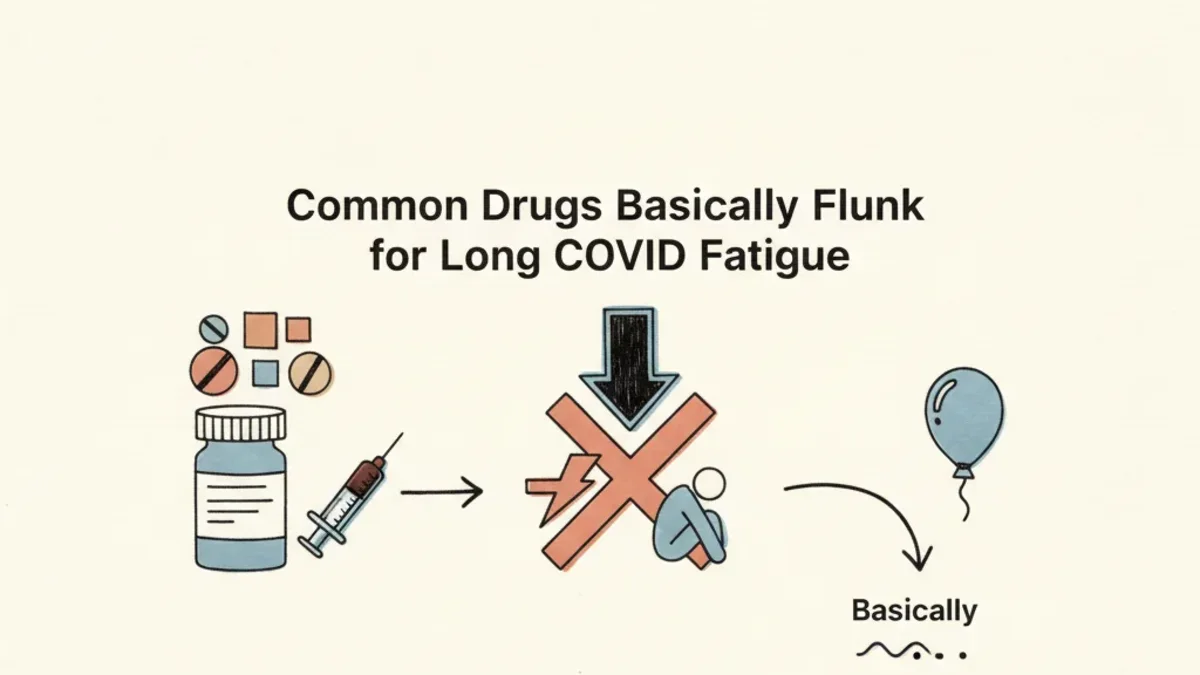
Common Drugs Basically Flunk for Long COVID Fatigue
Established therapies, including stimulants and antidepressants, show minimal to no benefit for the debilitating fatigue associated with long COVID.

Oral Rehydration Solutions: The Unsung Hero of Concert Medicine
Oral rehydration solutions (ORS) are the essential, often overlooked, treatment for acute gastroenteritis and dehydration, proving critical in high-density public health scenarios.

Knicks' New Team Doctor Brings Orthopedic Expertise to NBA Sidelines
The New York Knicks appointed Dr. Andrew Pearle as their new team doctor, bringing extensive orthopedic and sports medicine experience to the franchise.

Liver Transplant Studies Retracted Over Organ Harvesting Concerns
Multiple liver transplant studies have been retracted from major medical journals due to concerns over the ethical sourcing of donor organs, raising serious questions about research integrity.

HHS Moves to Create List of COVID Vaccine Injuries, Citing Unmet Need
The HHS is establishing a new system to track COVID-19 vaccine injuries, acknowledging a gap in current surveillance and patient support mechanisms.

Men Face Later Cancer Diagnoses Across 20 Types
Men are more likely to receive a later-stage cancer diagnosis across 20 different cancer types, leading to worse prognoses and treatment outcomes.

Targeted Therapy Reverses Weight Gain From Rare Cause of Obesity
A targeted therapy effectively reversed weight gain in patients with a rare genetic form of obesity, demonstrating significant reductions in body weight.

600 Dead in Outbreak; Obamacare Now Trumpcare? Rare Cancer Cluster in Kids
A severe outbreak has claimed 600 lives, while policy shifts threaten healthcare access. A rare pediatric cancer cluster raises urgent public health concerns.

Lawmakers Push CDC to Track Vitamin K Refusals Amid Bleeding Risk
US lawmakers demand the CDC track parental refusals of the vitamin K shot for newborns, citing a ProPublica report on rising rates of life-threatening bleeding.

ADCs Advance First-Line TNBC Treatment, Improving PFS
Antibody-drug conjugates are improving progression-free survival in first-line triple-negative breast cancer, offering new options for patients.

CDC Reverses Chickenpox Vaccine Guidance, Impacting Pediatricians and Public Health
The CDC has reversed its stance on chickenpox vaccine recommendations, shifting from universal childhood vaccination to a more targeted approach for specific risk groups.

Viral NeeDoh Trend Leads to Scalding Injuries, Doctors Warn
Doctors report a rise in scalding injuries among children due to a viral trend involving heating NeeDoh stress balls, prompting urgent warnings for parents.

FDA Expands Chemo-Free Bladder Cancer Combo for Curative Setting
The FDA broadened approval for a chemotherapy-free combination in bladder cancer, offering a new option for patients ineligible for cisplatin.

ED Visits Precede Cancer Diagnoses; Radiation Access Shrinks
Emergency department visits often precede a cancer diagnosis, indicating missed opportunities for earlier detection. Meanwhile, radiation oncology access is declining.

AI-Triggered Nephrology Consult Fails to Prevent AKI in Trial
An AI-driven alert system for acute kidney injury risk did not reduce AKI incidence or severity when triggering nephrology consults in hospitalised patients.
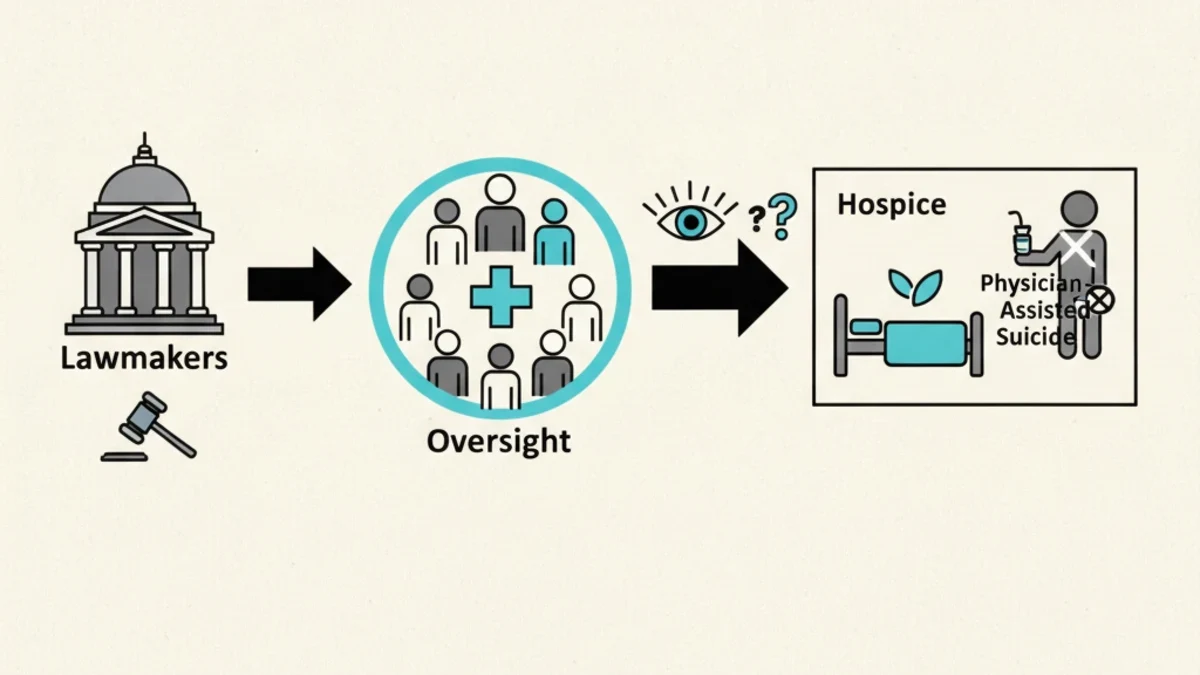
Lawmakers Call for Oversight on Physician-Assisted Suicide in Hospice
Lawmakers express concerns over the increasing availability of physician-assisted suicide for hospice patients, citing potential for coercion and inadequate safeguards.
Diarrhea Surges in Quake-Hit Venezuela Amid Humanitarian Crisis
A significant increase in diarrheal diseases is impacting Venezuela's earthquake-affected regions, exacerbating an already dire humanitarian situation.

Cyclosporiasis Outbreak: Stay Safe, Enjoy Summer Produce
Cyclosporiasis outbreaks linked to contaminated produce are a recurring summer concern. Proper washing and handling of fruits and vegetables are essential to prevent infection.

More Than Half of CDC Centers Lack Permanent Leadership
Over 50% of the Centers for Disease Control and Prevention's 13 centers, institutes, and offices operate without permanent directors, raising concerns about long-term strategy and response capabilities.

Mosquito-borne diseases surge, challenging European public health
Climate change drives a rapid expansion of mosquito vectors across Europe, increasing the risk of endemic and imported diseases like dengue and West Nile virus. Public health systems face unprecedented challenges.

Private Equity's AI Push: Old Questions for Healthcare
Private equity firms are investing heavily in AI for healthcare, raising concerns about data privacy, clinical efficacy, and the potential for profit-driven care models.

Earthquake Aftermath: Clinical Priorities for GPs and Specialists
Immediate clinical priorities following an earthquake include crush injury management, infection prevention, and mental health support for survivors.

PTSD Not a Shield for Sexual Misconduct, Clinicians Affirm
Post-traumatic stress disorder does not mitigate accountability for sexual misconduct, a consensus among mental health professionals confirms, rejecting the notion of PTSD as a blanket excuse.

GLP-1 Agonists, Newer Diabetes Drugs, Linked to Autoimmunity Risk
Newer diabetes treatments, including GLP-1 agonists, carry an elevated risk for autoimmune conditions, requiring careful patient monitoring.

Adderall Execs Jailed; FDA Warns on Ketamine; Wellness Cult Psychosis
Executives received prison sentences for an Adderall distribution scheme. The FDA issued a warning regarding compounded ketamine. Wellness cults are linked to psychosis cases.

Vitamin C's cognitive promise clashes with new clinical data
Vitamin C supplementation does not improve cognitive function in healthy adults. Advanced MRI reveals previously undetectable MS lesions, while new criteria define profound autism.

Eye Specialists Question Value of Pricey Cataract Lenses
European ophthalmologists are raising concerns about the increasing use and cost of premium intraocular lenses in cataract surgery, citing limited evidence of superior patient outcomes.

Katie Couric's Transient Global Amnesia: A 'Big, Black Hole' Event
Katie Couric recently described an episode of transient global amnesia, a sudden, temporary loss of memory that can be alarming but is typically benign.

Haaland's 6,000-Calorie Diet: Performance Fuel or Health Risk?
Erling Haaland's reported 6,000-calorie daily diet, while fueling elite athletic performance, presents significant long-term health considerations for the general population.

Acute Flaccid Myelitis Cases Stable Despite Enterovirus Rise
Despite an increase in enterovirus infections, acute flaccid myelitis incidence has not risen, challenging assumptions about disease correlation.

Dermatomyositis Guidelines Identify Cancer Risk
New guidelines provide a structured approach for identifying dermatomyositis patients at high risk for cancer, streamlining screening protocols for European clinicians.

MAHA environmental data: The hidden reason clinicians get nothing new
The Environmental Protection Agency promised a robust agenda to address microangiopathic hemolytic anemia (MAHA) but has delivered little, drawing criticism from advocacy groups.

Doctor Misconduct Alerts Face Months-Long Delays in State Law
State laws mandate public alerts on doctor misconduct allegations, but the process can take months, leaving patients unaware of potential risks.

Disinformation Resolutions Miss Core Clinical Realities
Efforts to combat medical disinformation often overlook the practical constraints and cognitive biases inherent in clinical practice, rendering them less effective.

Respiratory Virus Testing in Nursing Homes: A Deep Dive
Proactive testing for respiratory viruses in nursing homes can mitigate outbreaks, but implementation challenges persist in European facilities.
GLP-1 Drugs: Semaglutide, Tirzepatide Show Varying Benefits, Harms in T2D
A living systematic review compared GLP-1 receptor agonists for type 2 diabetes, finding differences in cardiovascular outcomes, weight loss, and adverse events.

Surgical Start Time Does Not Impact Cataract Complication Rates
New research indicates that the time of day cataract surgery begins has no bearing on postoperative complication rates, challenging long-held assumptions.

Presbyopia Treatment Needs Personalisation, Not One-Size-Fits-All
Patient-specific factors dictate satisfaction with presbyopia-correcting intraocular lenses, with preoperative simulation tools emerging to tailor treatment.

AXS-05 Reduces Agitation in Alzheimer's Disease Patients
AXS-05 significantly reduced agitation in patients with Alzheimer's disease, demonstrating efficacy and a favorable safety profile in the ACCORD-2 trial.

Dementia care: How much of the family's financial burden do you see?
Dementia significantly increases medical expenditures for patients and reduces income for their caregivers, placing substantial financial strain on families.

Surgical Fixation May Improve QoL for Pickleball Achilles Ruptures
Surgical repair of Achilles tendon ruptures sustained during pickleball may offer superior quality of life outcomes compared to non-operative management.

Vapes, Nicotine Pouches Linked to Achilles Tendon Complications
Nicotine product use, including vapes and pouches, significantly increases the risk of complications and re-rupture after Achilles tendon repair.

Plastics in Personal Care Products: Evidence for Harm Mounts
Microplastics and nanoplastics in personal care products pose significant health risks, acting as endocrine disruptors and contributing to systemic inflammation.

Satellite Imaging, AI Enhance Environmental Perception in Cardiometabolic Disease
Advanced satellite imaging and artificial intelligence improve the assessment of environmental factors impacting cardiometabolic disease, offering new avenues for risk stratification and intervention.

Extreme Heat Demands Environmental Integration in Cancer Care
Integrating environmental factors, particularly extreme heat, into cancer care is no longer optional; it is a clinical necessity for patient safety and treatment efficacy.

MDD Care Gaps Persist, Limiting Access to Effective Therapies
Major depressive disorder treatment faces significant access barriers, leaving many patients without adequate care despite available therapies.

FDA Approves Xocova for Post-Exposure COVID-19 Prevention
The FDA granted emergency use authorization for Xocova (ensitrelvir) to prevent COVID-19 after exposure, offering a new tool against SARS-CoV-2.

COVID-19, Flu Vaccine Coadministration May Lower MACE Risk in Older Adults
Coadministration of the 2024-2025 COVID-19 vaccine with an influenza vaccine reduced major adverse cardiovascular events (MACE) in US veterans.

HHS Terminates COVID-19 Emergency Declarations, Shifting Treatment Landscape
The US Department of Health and Human Services ended its COVID-19 public health emergency declarations, fundamentally altering access to tests, vaccines, and treatments.

Coadministration of COVID-19 and Flu Shots Safe, Efficacious
Simultaneous administration of COVID-19 and influenza vaccines does not compromise safety or immunogenicity, supporting streamlined vaccination efforts.

Retirement: A New Chapter, Not a Clinical Endpoint
Retirement presents a unique opportunity for individuals to redefine their purpose and engage in activities that promote well-being, challenging the perception of it as a decline.

Microbreaks at Work Improve Focus, Reduce Fatigue
Brief, voluntary pauses during work shifts enhance concentration and mitigate fatigue, offering a simple intervention for occupational well-being.
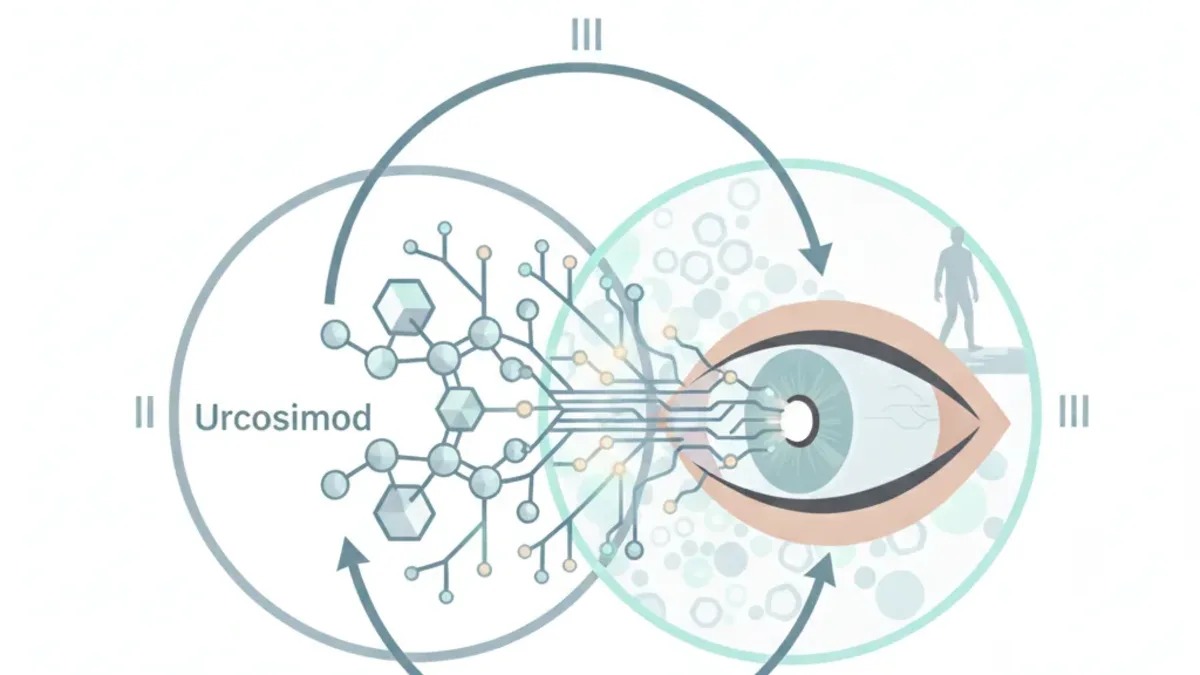
Urcosimod Enters Phase 3 for Neuropathic Corneal Pain
Urcosimod, an investigational therapy, will advance to Phase 3 trials to evaluate its efficacy in treating neuropathic corneal pain, addressing a significant unmet clinical need.

Pembrolizumab Regimens Snag FDA Nod for Muscle-Invasive Bladder Cancer
The FDA approved pembrolizumab for two new indications in muscle-invasive bladder cancer, offering options for patients ineligible for cisplatin or those with residual disease.

Neuroadaptation Key to Presbyopia-Correcting IOL Success, Specialist Says
Neuroadaptation plays a critical role in patient satisfaction and visual outcomes following presbyopia-correcting IOL implantation, a specialist explained. The brain's ability to adjust to new optical input determines functional vision.

Alzheimer's Research Lays Foundation for Precision Medicine
New insights into Alzheimer's disease pathophysiology are establishing a framework for targeted therapies, moving beyond amyloid-centric approaches.
Revision Latarjet Outcomes Match Primary Procedure in Contact Athletes
Revision Latarjet surgery yields comparable positive outcomes to primary Latarjet in contact athletes, offering a reliable solution for recurrent shoulder instability.

How local estrogen manages urogenital atrophy without recurrence risk
Local estrogen therapy, including vaginal estradiol and DHEA, effectively alleviates urogenital atrophy symptoms in breast cancer survivors without increasing recurrence risk.
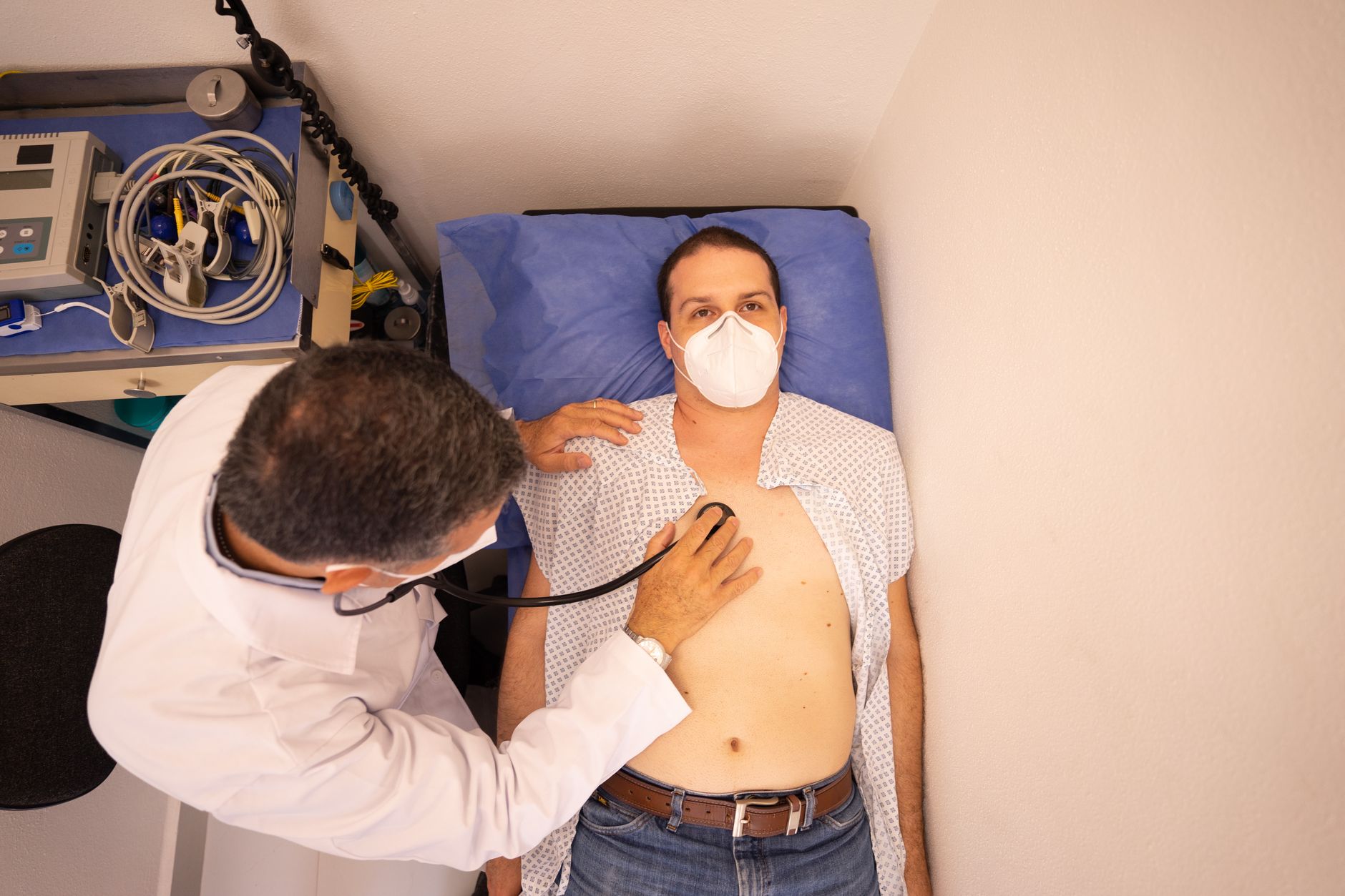
SGLT2 Inhibitors Reduce Heart Failure Risk in Type 2 Diabetes
SGLT2 inhibitors significantly cut the risk of heart failure hospitalisation and cardiovascular death in patients with type 2 diabetes.

UK Biobank Breach Raises Data Security Concerns for Research
A recent data breach at the UK Biobank exposed personal information of 500,000 participants, sparking a critical debate on data security in large-scale medical research.

ALK+ NSCLC: Is it time to rethink first-line targeted therapy?
Lorlatinib significantly extended progression-free survival compared to crizotinib in previously untreated ALK-positive advanced non-small cell lung cancer.

Extreme Heat's Health Toll Worse Than Clinicians Realize
Extreme heat exposure significantly increases all-cause mortality and exacerbates chronic conditions, with impacts extending beyond direct heatstroke cases.

Heatwaves Drive EMS Calls for COPD, Unconsciousness, Trauma
Heatwaves significantly increase emergency medical service dispatches for conditions including COPD, unconsciousness, and trauma, particularly affecting women and specific age groups.

Post-Colonoscopy Pain, Dizziness: A Case of Splenic Injury
A 65-year-old woman presenting with left upper quadrant pain and dizziness after colonoscopy points to a rare but serious complication: splenic injury.

CRNAs can't use 'anesthesiologist': The surprising legal precedent
A federal court ruled that certified registered nurse anesthetists (CRNAs) cannot use the term "anesthesiologist" in their professional titles.

Why aren't we talking about coffee's role in gut dysbiosis?
Coffee consumption alters gut microbiota composition and function, influencing metabolic pathways and potentially mitigating inflammatory conditions.

Why are weight-loss drugs now heart drugs too?
New evidence confirms weight-loss drugs improve cardiovascular outcomes and quality of life in patients with overweight or obesity.

DEA Proposes Schedule I Classification for Synthetic 7-OH Products
The DEA proposes Schedule I classification for synthetic 7-hydroxymitragynine (7-OH) products, citing high abuse potential and lack of accepted medical use.

Model Identifies Anaphylaxis Kids Who Can Skip ED
A new clinical decision tool accurately identifies children with anaphylaxis who do not require emergency department care, potentially reducing unnecessary visits.

Bowel Ultrasound May Reduce Endoscopy Use in IBD Monitoring
Intestinal ultrasound offers a non-invasive alternative to endoscopy for tracking disease activity in inflammatory bowel disease, potentially reducing procedural burden.

Litfulo Label Strengthened With New Alopecia Areata Safety Warnings
The European Medicines Agency has updated the product information for Litfulo, adding new warnings regarding serious adverse events for patients with alopecia areata.

Bioprosthetic Valves Tied to More Deliveries in Young Women
Young women with bioprosthetic heart valves experience a higher rate of deliveries compared to those with mechanical valves, influencing family planning decisions.

Super Movers Show Slower Cognitive Decline in Older Age
Individuals aged 80 and older with exceptionally fast gait speeds, termed 'super movers', exhibit slower cognitive decline and better brain health.

Mild Sleep Loss Drives Weight Gain, Impairs Metabolic Regulation
Even minor reductions in sleep duration significantly increase caloric intake and alter metabolic hormone profiles, contributing to weight gain.

Cardiovascular Disease Disrupts Circadian Rhythms, Exacerbating Pathology
Cardiovascular disease directly alters the molecular clock in preclinical models, creating a bidirectional relationship that worsens cardiac pathology.

Clinicians' Spouses Face Unique Stressors, Burnout Risk
Spouses of medical professionals navigate distinct challenges, including long hours, emotional burden, and career sacrifices, contributing to elevated stress and burnout risk.

AI Imaging Reveals Obesity-Related Neuropathy 'Striking' in Early Stages
New AI imaging techniques detect significant neuropathy in individuals with obesity, even before clinical symptoms emerge, highlighting a critical, often overlooked complication.

Bowhead Whale Longevity Genes Offer Clues for Cancer, Aging
Insights from the bowhead whale's exceptional lifespan and cancer resistance point to novel genetic pathways for human anti-aging and oncology research.

Universal Heart Failure Definition Issued by Global Societies
Four major cardiology societies released a universal definition of heart failure, aiming to standardise diagnosis and research across the globe.

Dopamine Agonists: A Fading Role in Parkinson's Treatment?
Dopamine agonists, once a cornerstone for Parkinson's disease, face increasing scrutiny due to neuropsychiatric side effects and limited long-term motor benefits.

Low Support, High Fear Hinder Opioid Substitution Withdrawal Success
Patients attempting medically supervised withdrawal from opioid substitution therapy face significant barriers, with fear of withdrawal symptoms and inadequate social support driving high rates of treatment discontinuation.

Prostate Care: Balancing Immediate Relief with Long-Term Retreatment
Managing benign prostatic hyperplasia requires weighing rapid symptom improvement against the need for future interventions. Clinicians must consider patient preference and disease progression.

Liso-Cel Delivers Durable OS Benefit in R/R LBCL, Redefining Treatment
Lisocabtagene maraleucel (liso-cel) significantly extended overall survival in relapsed/refractory large B-cell lymphoma, establishing a new benchmark for second-line therapy.

Isaacs Emphasizes 'Human Touch' in Diabetes Care Beyond Technology
Diana Isaacs, PharmD, an ADA award winner, advocates for integrating empathetic, patient-centered approaches with advanced diabetes technology to improve outcomes.
Medically Tailored Meals Cut HbA1c More Than Subsidies in Type 2 Diabetes
Medically tailored meals reduced HbA1c by 0.59% more than food subsidies in patients with type 2 diabetes, demonstrating superior glycemic control.

Eptinezumab Improves Cognitive Symptoms in Migraine Patients
Eptinezumab significantly reduced cognitive symptoms in patients with migraine, offering a new dimension of relief beyond headache frequency.
Migraine Linked to Increased Vascular Dementia Odds in Observational Data
Observational studies indicate a consistent association between a history of migraine and elevated odds for developing vascular dementia later in life.

MIGS Integration in Cataract Surgery Improves IOP Control
Integrating minimally invasive glaucoma surgery (MIGS) with cataract extraction offers superior intraocular pressure control for patients with coexisting glaucoma.

Xiidra Leads Most Patients to 'Clinically Meaningful' Eye Dryness Reduction
Lifitegrast (Xiidra) significantly reduced eye dryness symptoms in a majority of patients with dry eye disease, offering a new therapeutic option.

FDA Approves Immgolis, First Golimumab Biosimilar for UC and RA
The FDA approved Immgolis, a golimumab biosimilar, for multiple inflammatory conditions including ulcerative colitis and rheumatoid arthritis, offering a new treatment option.

Co-antibody combination tops golimumab, guselkumab in refractory IBD
A novel co-antibody combination therapy demonstrated superior efficacy over existing biologics, golimumab and guselkumab, in patients with refractory inflammatory bowel disease.

Upadacitinib, Infliximab Lead for Rapid Ulcerative Colitis Relief
Upadacitinib and infliximab emerge as frontrunners for rapid clinical response in ulcerative colitis, offering quicker symptom resolution than other biologics.

Genetic Biomarker Predicts Adverse Outcomes in IBD
A specific genetic biomarker is linked to increased risk of adverse outcomes, including surgery and hospitalisation, in both ulcerative colitis and Crohn's disease.

CMS Prior Authorization Reforms Commendable, Still Needs Work, ACR Says
CMS's new rule reforming prior authorization aims to streamline processes, but the American College of Rheumatology states it does not go far enough to reduce clinician burden.

Medicare Exclusions: Avoiding Boring Mistakes That Cost Practices
Minor administrative errors and compliance oversights can lead to Medicare exclusion, severely impacting a practice's financial viability and patient access.

FDA Advisory Committee on Peptides Riddled with Conflicts of Interest
An FDA advisory committee reviewing peptide therapies for obesity included members with significant financial ties to drug manufacturers, raising concerns about impartiality.

Physician Payment Reforms: A Step, Not a Solution
Recent physician payment reforms represent a move toward value-based care, but significant structural changes are still needed to address systemic issues.

Half of Older Adults With Metastatic Lung Cancer Receive No Systemic Treatment
A significant proportion of older adults diagnosed with metastatic non-small cell lung cancer receive no systemic treatment, highlighting a critical care gap.

New Regimen Confers 'Meaningful' Benefit in Aggressive Lymphoma
A novel treatment regimen has demonstrated significant clinical benefit in patients with aggressive lymphoma, potentially establishing a new standard of care.

Wearable Devices Detect CAR-T CRS Hours Earlier, Improving Patient Outcomes
Wearable devices identify cytokine release syndrome (CRS) in CAR-T cell therapy recipients hours before clinical recognition, enabling earlier intervention and potentially reducing severe complications.

FDA Rejects Galderma's RelabotulinumtoxinA for Second Time
Galderma's relabotulinumtoxinA received a second Complete Response Letter from the FDA, delaying its entry into the aesthetic market.

CDC Reports Rise in Deadly Tickborne Illness, Anaplasmosis Cases Up
The CDC reports a concerning increase in anaplasmosis cases, a tickborne illness that can be deadly if not treated promptly. Clinicians should maintain a high index of suspicion.

FDA Expands Casgevy for Sickle Cell in Children 2 Years and Older
The FDA expanded Casgevy's approval to include children aged 2 to 11 with sickle cell disease, offering a gene-editing therapy for this severe genetic disorder.

Single Sura-vec Injection Improved Early Diabetic Retinopathy
A single intravitreal injection of sura-vec demonstrated improvements in early diabetic retinopathy, offering a potential new therapeutic avenue for patients.

Innovation's Hidden Costs: What We Miss Before Starting
Understanding the full lifecycle of innovation, from initial concept to market adoption, requires foresight often overlooked in early stages. Ignoring critical regulatory, commercial, and clinical realities can derail even the most promising medical advancements.

AI Scribes: Navigating Legal Risks in Clinical Documentation
AI scribes offer efficiency but introduce significant legal and ethical challenges for clinicians, particularly concerning data privacy and liability.

Nursing Students Face High Refractive Error Risk, WHOeyes App Shows
A study in Shivamogga City found a high prevalence of refractive errors among nursing students, identifying near work and screen time as key risk factors.

Accountants Urge Docs: Act Now on 2027 Tax Changes
Accountants advise European GPs and specialists to review their financial structures and pension contributions immediately, ahead of significant tax reforms anticipated in 2027.

Vertigo in Primary Care: BPPV, Vestibular Migraine, Meniere's Disease
Benign paroxysmal positional vertigo, vestibular migraine, and Meniere's disease account for the majority of vertigo cases seen in primary care, requiring distinct diagnostic approaches.

GLP-1 Nonresponders Often Underserved by Inadequate Dosing, Poor Adherence
Many patients labeled as GLP-1 nonresponders never receive optimal dosing or sufficient support for adherence, hindering therapeutic success.

Bowel Training Programs Improve Chronic Constipation in Children
Structured bowel training programs significantly reduce functional constipation symptoms in children, improving defecation frequency and reducing encopresis.
GLP-1 Agonists Show Ocular Safety, Potential Therapeutic Role
GLP-1 receptor agonists appear safe for ocular health, with emerging evidence suggesting potential therapeutic benefits for various eye conditions.

Alcohol's Health Benefits Myth Debunked: How to Advise Patients?
New evidence firmly establishes no safe level of alcohol consumption, overturning previous notions of cardiovascular benefits. Clinicians must now reframe patient discussions.
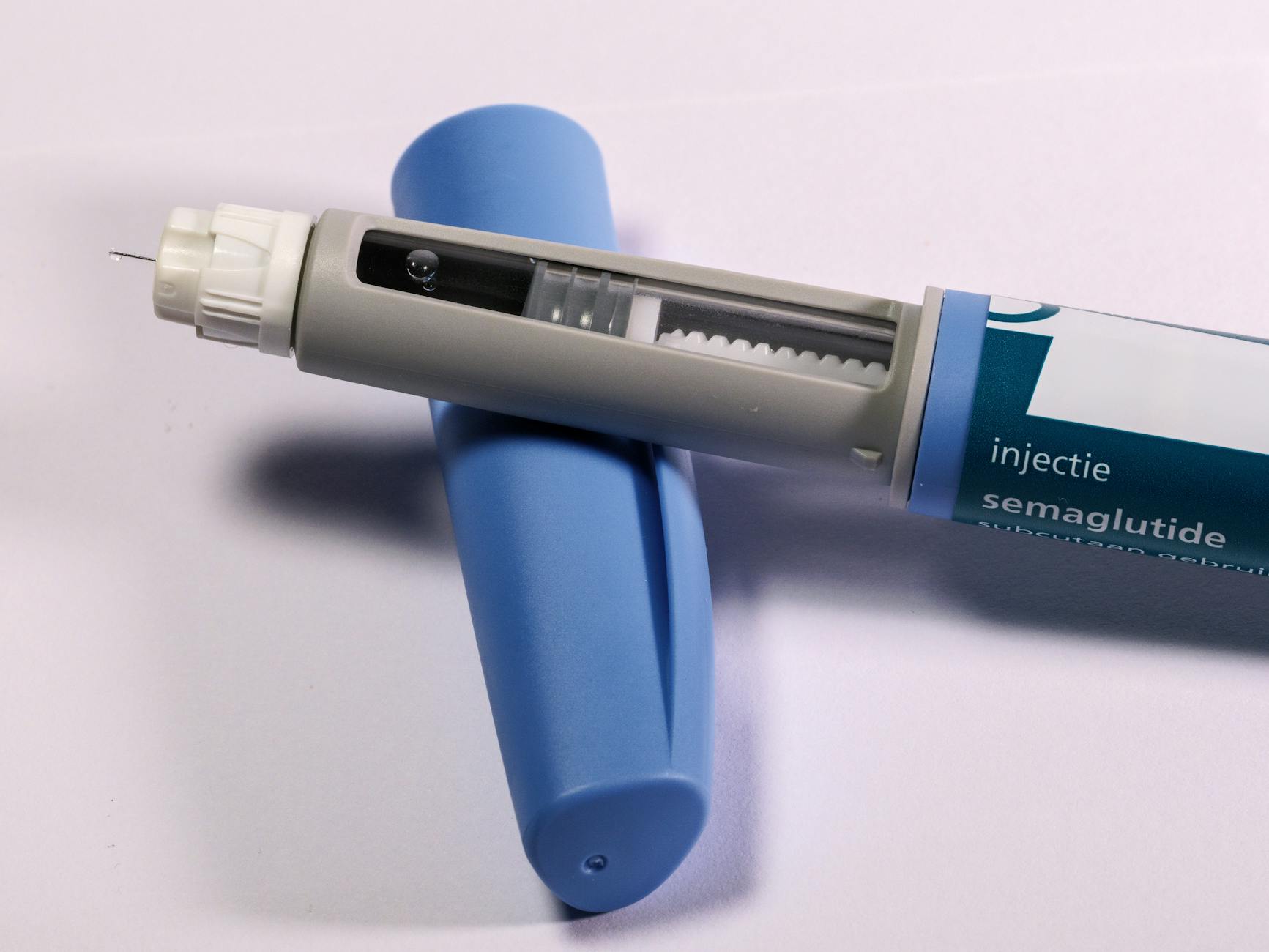
Unapproved Retatrutide Use Challenges Clinicians
The off-label use of investigational retatrutide for weight management presents a significant challenge for clinicians, lacking robust long-term safety and efficacy data.

Knee Distraction Shows Promise in Severe Osteoarthritis
Knee joint distraction (KJD) demonstrated comparable patient-reported outcomes and structural benefits to high tibial osteotomy (HTO) and total knee arthroplasty (TKA) in severe osteoarthritis.

Physician Wealth Surges Quietly, Raising Questions on Practice Models
Physician compensation has seen a substantial, quiet increase over the last decade, driven by evolving practice structures and shifts in healthcare economics.

Creatine Supplementation: Limited Evidence for Brain Health Benefits
Creatine supplementation shows inconsistent and largely unproven benefits for brain health in healthy adults, with some promise in specific populations facing metabolic stress.

Cognitive Rehabilitation Eases Long-COVID Brain Fog
Cognitive rehabilitation significantly improved brain fog symptoms in patients with long-COVID, offering a structured approach to managing persistent neurological sequelae.

TBI Linked Bidirectionally With Psychiatric and Neurologic Conditions
Traumatic brain injury (TBI) shows a two-way association with various psychiatric and neurologic conditions, increasing risk for both and being influenced by their presence.

5D MRI Halves Scan Time for Congenital Heart Disease Imaging
A novel 5D MRI technique significantly reduces scan duration for congenital heart disease patients, improving image quality and patient experience.

MCC Linked to Higher Mortality, Healthcare Use
Multimorbidity is a significant public health concern, but a new study on its impact on mortality and healthcare utilization was not provided in the research papers.
CAR T-Cell Therapy Nears Approval for Refractory Skin Diseases
CAR T-cell therapy shows promise for severe, refractory autoimmune skin conditions, with regulatory filings anticipated for specific indications.

Nearly 1 in 10 With Primary Biliary Cholangitis Have CKD
Chronic kidney disease affects 9.5% of patients with primary biliary cholangitis, with hypertension and older age driving incidence.

ML Model Predicts Epilepsy Onset in Depression, Depression in Epilepsy
An advanced machine learning model accurately predicted the onset of depression in epilepsy patients and epilepsy in depression patients, identifying key risk factors.

TSW Controversy: Mitochondrial NAD Excess Identified, Diagnostic Clarity Emerges
Topical steroid withdrawal (TSW) is a distinct syndrome, not merely a flare of underlying dermatoses, with new research identifying mitochondrial NAD excess as a targetable mechanism.

Recognizing Serious Pediatric Pain: Beyond the Obvious
Identifying serious pain in pediatric patients demands careful assessment, extending beyond overt physical signs to include subtle behavioral cues and family input.

Prior Stillbirth Raises Subsequent Stillbirth Risk Significantly
A history of stillbirth substantially increases the risk for subsequent stillbirth, underscoring the need for enhanced surveillance in future pregnancies.

GLP-1s for Addiction: Are We There Yet?
GLP-1 receptor agonists show early signals in reducing cravings and consumption across various addictive disorders, but definitive clinical trial data remains largely absent. Current evidence is primarily observational or from small, mechanistic studies.

Foundayo Confers Greater HbA1c Reduction Than Farxiga, Ozempic Pill in T2D
A new investigational therapy, Foundayo, demonstrated superior HbA1c reduction compared to both dapagliflozin and oral semaglutide in type 2 diabetes.

Elecoglipron Oral GLP-1 Reduces Glucose, Weight in Phase 2
Elecoglipron, an investigational oral GLP-1 receptor agonist, demonstrated reductions in HbA1c and body weight in phase 2 trials.

GLP-1 Receptor Agonist Use Varies Widely for Youth Type 2 Diabetes
Geographic variation in GLP-1 receptor agonist prescribing for youths with type 2 diabetes across the US highlights disparities in care.

Combination GLP-1RA and SGLT2i May Offer Additive Benefits in T2DM
Combination therapy with GLP-1RAs and SGLT2i may provide additive benefits in type 2 diabetes, particularly for cardiovascular and renal outcomes.

Omnipod 5 Improves CGM Metrics, Reduces Hypoglycaemia in Diabetes
A real-world study of the Omnipod 5 automated insulin delivery system showed improvements in time in range and reduced hypoglycaemia.
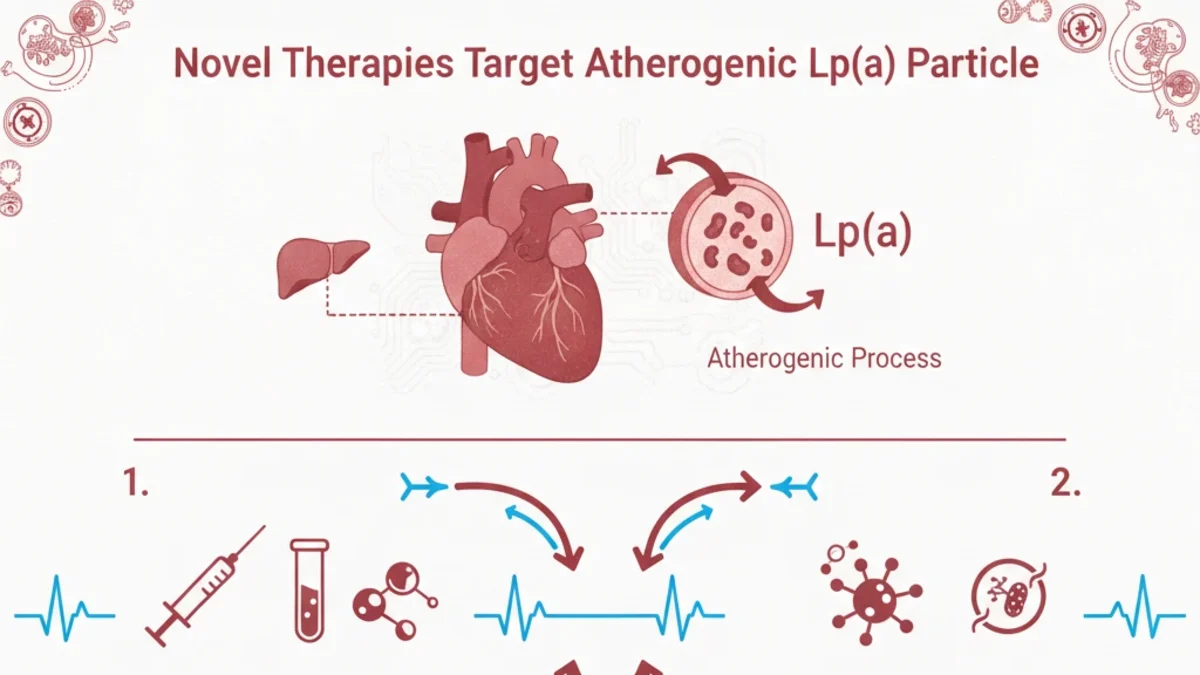
Novel Therapies Target Atherogenic Lp(a) Particle
Emerging therapeutic strategies are shifting focus from LDL cholesterol to apoB, targeting Lp(a) and other atherogenic particles.

MAHA Faces Rural Health Gaps: Infrastructure and Workforce Deficits
Microangiopathic hemolytic anemia (MAHA) presents diagnostic and management challenges in rural settings due to limited resources and specialist access.

Microbiome's Role in Lupus: A Policy and Therapeutic 'Frame Shift'
New perspectives on the gut microbiome's influence on systemic lupus erythematosus (SLE) necessitate a re-evaluation of health policy and therapeutic strategies.

HHS Proposes Plan to Accelerate Clinical Trial Timelines
The US Department of Health and Human Services (HHS) has outlined a strategy to expedite clinical trials, aiming to reduce development times for new therapies.

New Glaucoma Care Restriction: IOP Targets and Treatment Access
A recent policy change limiting glaucoma treatment options warrants scrutiny, potentially impacting intraocular pressure management and patient outcomes.

Genetic Test Identifies Breast Cancer Patients Who May Avoid Chemotherapy
A genetic test can identify patients with early-stage, hormone receptor-positive, HER2-negative breast cancer who may safely forgo adjuvant chemotherapy.

Giredestrant Improves Breast Cancer Survival Regardless of Menopause
Giredestrant, an oral selective estrogen receptor degrader (SERD), demonstrated improved invasive disease-free survival in early breast cancer.

Tucatinib Extends PFS in HER2-Positive Breast Cancer, No New Safety Signals
Tucatinib demonstrated extended progression-free survival in HER2-positive breast cancer with a consistent safety profile, reinforcing its role.

Alpha-Emitting Radioantibody Lowers PSA in CRPC
An investigational alpha-emitting radioantibody demonstrated a reduction in PSA levels in patients with castration-resistant prostate cancer (CRPC).

Biomarkers and Novel Treatments Highlight Prostate Cancer Advances at ASCO
New research presented at ASCO 2025 details advances in prostate cancer, including prognostic biomarkers and precision therapies for advanced disease.

Chemoimmunotherapy Extends PFS in Metastatic Prostate Cancer Subset
A chemoimmunotherapy regimen demonstrated extended progression-free survival in a specific subset of metastatic prostate cancer patients.

Balancing Clinical Practice, Research, and Advocacy: Ruchi Gupta, MD, MPH
Ruchi Gupta, MD, MPH, exemplifies a multifaceted medical career, integrating clinical allergy and immunology with public health research and advocacy.

Allergen Immunotherapy Modifies Disease Trajectory in Allergic Rhinitis
Allergen immunotherapy (AIT) demonstrates efficacy in reducing allergic rhinitis symptoms and preventing asthma development, offering disease modification.

Millions of Women Overdue for Cancer Screening Tests
A significant proportion of women are overdue for at least one routine cancer screening, highlighting a critical public health challenge.

Involuntary Admissions: Clinician Mental Health Impact Explored
Involuntary psychiatric admissions present a significant ethical and practical challenge, with emerging evidence indicating a measurable impact on clinicians' mental health.

Opening an Independent Practice Post-Residency: A Feasibility Analysis
Establishing an independent medical practice immediately after residency presents significant logistical and financial challenges for new physicians.

Nasal Strips: Fancy Tape or Medical Miracle?
This deep dive examines the evidence for nasal strips, evaluating their utility in various clinical contexts based on available research.

Bariatric Surgery: Efficacy and Emerging Pharmacotherapies in Obesity Management
Bariatric surgery remains a highly effective intervention for severe obesity, but new pharmacotherapies are challenging its dominance.

AI in Psychiatry: Current Clinical Readiness and Limitations
Artificial intelligence tools show promise in psychiatric diagnostics and treatment, but current applications are limited by validation and ethical considerations.

Prior Authorization Delays Atopic Dermatitis Treatment Access
Prior authorization requirements for atopic dermatitis therapies delay patient access, leading to disease exacerbation and increased healthcare costs.

Medicare to Cover New Osteoporosis Diagnostic Screening Test
Medicare will now cover a novel diagnostic screening test for osteoporosis, potentially improving early detection and intervention for at-risk patients.

COVID Vaccine Efficacy in Children: A Review of Real-World Data
This article examines real-world data on COVID-19 vaccine efficacy in pediatric populations, focusing on outcomes such as infection and severe disease.

Emergency Physician Burnout: A Systemic Crisis with Patient Impact
Emergency physicians face escalating burnout, impacting patient safety, diagnostic accuracy, and treatment efficacy, necessitating urgent systemic interventions.

Vitamin K2 Supplementation May Curb Coronary Calcification
Evidence suggests vitamin K2 supplementation may reduce coronary artery calcification, a key marker of cardiovascular disease risk.

Pfizer Trial Supports Paxlovid Dose for High-Risk Children
A recent trial supports the use of Paxlovid in high-risk paediatric patients, aligning with adult dosing for similar risk profiles.

Rifadin Syrup Under Review for Carcinogen Concerns
Rifadin syrup, a rifampicin formulation, is undergoing a regulatory review due to the detection of a potential carcinogen, nitrosamine, above acceptable limits.

Huntington's Disease Therapy Faces Regulatory Setbacks, Clinical Impact
A novel investigational therapy for Huntington's disease has encountered significant regulatory hurdles, prompting re-evaluation of its clinical development pathway.

Sleep Disruption and Fear Drive Chronic Rheumatic Pain
Poor sleep and fear avoidance behaviors are significant, often overlooked, drivers of chronic rheumatic pain, necessitating integrated management strategies.

Home Cervical Cancer Screening: Who Participates?
Understanding the demographic factors influencing participation in home-based cervical cancer screening is critical for optimising public health initiatives.

Autoimmune Drug Revoked Following New Safety Data
A treatment for a specific autoimmune condition has been withdrawn from the market due to emerging safety concerns identified in post-market surveillance.

New Parkinson's Drug Offers Sustained Levodopa Levels
A novel Parkinson's treatment combines immediate and extended-release carbidopa-levodopa, aiming to reduce motor fluctuations and improve symptom control.

Insects in Hospitals: Definite Ick, Unclear Risk
The presence of insects in healthcare facilities is a common concern, yet their direct role in nosocomial infection transmission remains largely undefined.

PCOS Rename to PMOS: Critics Cite Diagnostic, Therapeutic Concerns
A proposed renaming of Polycystic Ovary Syndrome (PCOS) to Polycystic Ovarian Metabolic Syndrome (PMOS) faces criticism regarding diagnostic clarity and therapeutic implications.

DSM Future: Does Diagnostic Validity Still Matter?
The DSM's evolving diagnostic criteria raise questions about validity, impacting clinical practice and research in psychiatry.

GLP-1 Receptor Agonists Reduce MACE by 14% in Type 2 Diabetes
GLP-1 receptor agonists significantly reduce major adverse cardiovascular events (MACE) by 14% in patients with type 2 diabetes.

Combination Oncology Therapies: A Review of Efficacy and Access
Combination oncology therapies offer improved outcomes for cancer patients but present significant challenges in access and cost.

Diagnostic Inconsistencies Challenge STEMI Paradigm's Simplicity
The STEMI paradigm's reliance on fixed ST-elevation criteria for acute coronary occlusion is questioned due to diagnostic inconsistencies.

Ultra-Processed Foods Linked to 32 Adverse Health Outcomes
An umbrella review of epidemiological meta-analyses establishes a direct association between ultra-processed food consumption and 32 adverse health outcomes.

Public Health Measures Significantly Reduced COVID-19 Incidence
A systematic review and meta-analysis confirmed the effectiveness of public health measures in reducing COVID-19 incidence, transmission, and mortality.

Data Integrity Concerns Raised in Pfizer's COVID-19 Vaccine Trial
A former regional director for Ventavia Research Group has raised concerns regarding data integrity and regulatory oversight in Pfizer's COVID-19 vaccine trial.

30 US Doctors Declare Trump Mentally Unfit, Citing Public Behaviour
Thirty senior US doctors have declared former President Trump mentally unfit for office, based on observations of his public behaviour.

Calcium, Vitamin D Supplementation Lacks Fracture or Fall Prevention Efficacy
A systematic review and meta-analysis found no evidence that calcium, vitamin D, or combined supplementation prevents fractures or falls.

Key Witness in Lucy Letby Trial Under Employer Investigation
A key medical witness in the Lucy Letby trial was under investigation by his employers, a detail relevant to trial proceedings.

PRISMA 2020: Updated Guideline for Systematic Reviews
The PRISMA 2020 statement provides an updated framework for reporting systematic reviews, enhancing transparency and completeness.

Airway Management: Protocols Under Review for OHCA and ILD
New protocols are examining ventilation strategies for out-of-hospital cardiac arrest and interstitial lung disease, with current best practices unclear.

Addressing Idea Misappropriation in Professional Settings
This article examines strategies for managing professional idea theft, focusing on documentation and communication to protect intellectual contributions.

Compassion in Dementia Diagnosis: Patient Perspectives Highlighted
A BMJ perspective piece underscores the critical role of compassion in the dementia diagnostic journey, advocating for patient-centered communication.

AI's Dual Impact on UK Mental Health: Risks and Opportunities
AI presents both potential benefits and significant risks to UK mental health, requiring careful implementation and regulatory oversight.

Metabolic Dysfunction Associated Steatotic Liver Disease: An Overview
A recent review outlines the mechanisms, diagnosis, and management of metabolic dysfunction associated steatotic liver disease (MASLD) in adults.

Vaccine Cold Chain Integrity Underpins Vaccine Security
Maintaining vaccine cold chain integrity is essential for vaccine security, as highlighted by recent research on vaccine preventable diseases.

Recurrent Concussion Linked to Reduced CBF in Female Athletes
Female collegiate athletes with recurrent concussions show reduced cerebral blood flow, particularly in frontotemporal regions, a sex-specific association.

Current and Emerging Therapies for Pulmonary Tuberculosis
A recent review outlines current and emerging therapies for pulmonary tuberculosis in adults, addressing treatment challenges.

GLP-1RAs: No Increased Risk of Acute Pancreatitis vs. Sulfonylureas
A target trial emulation found no increased risk of all-cause or cause-specific acute pancreatitis with GLP-1RA initiation versus sulfonylureas.

Bisphosphonate Interruption Reduces Fragility Fracture Risk
A nested case-control and cohort study in England found that interrupting bisphosphonate therapy after 3 or 5 years reduced fragility fracture risk.

DRC Ebola Outbreak Exposes Global Health Underfunding Consequences
The 2026 BMJ study highlights how the Democratic Republic of Congo's Ebola outbreak revealed critical deficiencies in global health funding.

Ebola Outbreak May Become Deadliest on Record, Agencies Warn
Aid agencies caution that the current Ebola outbreak has the potential to become the deadliest recorded, according to a recent report.

Ebola: Essential Information for Suspected Cases
Ebola virus disease (EVD) presents a significant public health concern. Rapid identification and isolation are critical for containment.

Three Vaccines in Development for Bundibugyo Ebola Outbreak
Three investigational vaccines are being fast-tracked for development following an Ebola Bundibugyo outbreak, addressing a critical unmet need.

Patient-Reported Factors Redefine Alopecia Areata Severity
New research characterizes patient-reported factors beyond scalp hair loss that contribute to alopecia areata severity.

Nausea, Jaundice in Burn Patients: Early Cholestasis Recognition Critical
Nausea and jaundice in burn patients may indicate cholestasis, a serious complication requiring prompt diagnosis and management to prevent further morbidity.

PGP: Factors for Return to Meaningful Activities Postpartum
New research identifies factors associated with long-term functional outcomes for women experiencing pregnancy-related pelvic girdle pain (PGP).

PMOS: Clinical Implications for Patient Management
Understanding the impact of PMOS on patient quality of life is essential for GPs and specialists to guide appropriate management strategies.
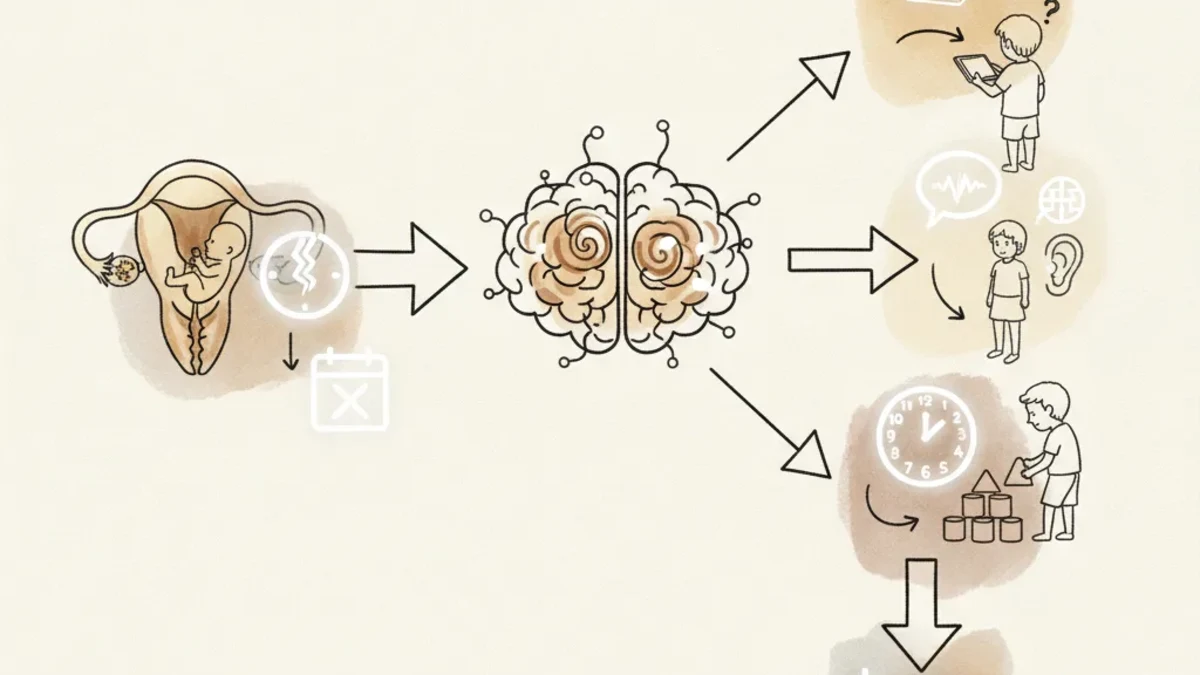
Preterm Birth Linked to Long-Term Cognitive Deficits
Preterm birth is associated with persistent cognitive deficits across childhood and adolescence, impacting academic performance and daily function.

Fluconazole and Osilodrostat Linked to Adrenal Crisis in EAS
A case report describes adrenal crisis in a patient with ectopic ACTH syndrome receiving fluconazole and osilodrostat for cryptococcal infection.

Scalp Lesions: Rare Malignancies Mimic Benign Conditions
Ulcerated scalp lesions, often misdiagnosed as benign, can represent rare malignancies such as sebaceous carcinoma or leukemia cutis.

AI-Assisted Fetal Echocardiography Improves Early CHD Detection
Artificial intelligence (AI) integration into fetal echocardiography improves early detection of congenital heart disease (CHD), including aortic stenosis.

Corridor Care: Patient Experience in Non-Traditional Spaces
Patient experience in non-traditional care settings, such as hospital corridors, impacts perceived care quality and communication. Understanding these dynamics is essential.

Oral Ulcers and Patches: Primary Care Assessment
Primary care clinicians frequently encounter oral ulcers and patches. This guide outlines essential steps for differentiation and appropriate referral.

New Guidance on Suicidal Ideation Assessment and Management
Updated guidance from BMJ 2026 outlines essential strategies for assessing and managing suicidal ideation in adult patients.

ADHD Management: Multimodal Care, Precision Prescribing Supported
Recent evidence supports a multimodal, pragmatic approach to ADHD in children and adolescents, emphasizing individualized care and precision prescribing.

Autistic Children: Developmental Support Focuses on Acceptance, Inclusion
New evidence highlights the importance of early developmental and adaptive skills, alongside addressing co-occurring conditions, for autistic children and youth.

New Plasmodium falciparum Imaging Platform Advances Malaria Vaccine Development
A novel marker-free transgenic Plasmodium falciparum line, NF54-mCh, offers robust, life cycle-wide fluorescence, accelerating malaria research and vaccine development.

Conditional Acceptance of Smart Care Devices for Elderly Care
Prospective users and caregivers show conditional acceptance of emotion-recognition-enabled smart care devices, prioritizing privacy and human oversight.

Prisons: A Missing Front in England's HIV Action Plan
England's HIV action plan overlooks prisons, a critical setting for intervention, according to a recent BMJ analysis. This omission may hinder national targets.

Why Not Screening for Prostate Cancer is Justified
Current evidence does not support routine prostate cancer screening. Overdiagnosis and overtreatment risks outweigh the benefits.

Fitness to Practice Tribunals for Sexual Misconduct Unfit
A recent analysis indicates that fitness to practice tribunals for sexual misconduct are unfit for purpose, raising concerns about their effectiveness.

Autism & ADHD Diagnoses Rise: Patient Experience Not Fixed
Rising autism and ADHD diagnoses highlight a persistent gap between diagnosis rates and the consistency of patient experience and support.

Activism Essential for Scientific Freedom in ADA Controversy
A recent commentary argues that activism is necessary to protect scientific freedom amidst controversies involving the American Diabetes Association.

Public Health Partnerships with Faith Communities Enhance Program Implementation
Effective public health initiatives require robust community engagement. New research highlights the role of faith communities in enhancing program implementation.

Calorie Labelling Efficacy Varies by Socioeconomic Status
Mandatory calorie menu labelling in England shows varied impact, with greater efficacy in higher socioeconomic groups and limited effect in lower groups.

Health Systems Must Adapt for Water Bankruptcy, BMJ Study Warns
A BMJ study highlights the urgent need for health systems to adapt to water bankruptcy, outlining critical strategies for preparedness and response.

Valdo Calocane Inquiry Offers Lessons for Mental Health Services
An inquiry into the Valdo Calocane case highlights critical areas for overhauling mental health services, focusing on systemic improvements.

Conflicts of Interest Detrimental in GLP-1 Therapy Guidance
A new analysis reveals conflicts of interest among authors of GLP-1 therapy guidance documents, potentially affecting recommendations.

Unintentional Injuries Remain Leading Cause of Death for 5-19 Year Olds
Unintentional injuries continue to be the primary cause of mortality among children and adolescents aged 5-19 globally, according to a recent analysis.

Child Mortality Declines Globally, but 54 Countries Risk 2030 Targets
Global under-5 mortality decreased by 59% from 1990-2024, yet 54 countries are off-track for SDG targets by 2030, primarily in sub-Saharan Africa.

Child, Adolescent, Youth Mortality Declined 30% Globally Since 1990
Global all-cause mortality for individuals aged 5-24 years decreased by 30% from 1990 to 2024, with significant regional disparities.

Low-Dose Atropine Drops Show No Efficacy for Myopia in UK Children
A UK trial found low concentration atropine eye drops did not reduce myopia progression in children, challenging previous international data.

SPIRIT-ROUTINE Checklist Improves RCT Protocol Reporting for Routinely Collected Data
A new extension to the SPIRIT 2025 guideline, SPIRIT-ROUTINE, aims to enhance transparency and completeness in randomised controlled trial protocols using routinely collected data.

IPDAS 5.0 Updates: Enhanced Standards for Patient Decision Aids
The International Patient Decision Aid Standards (IPDAS) have been updated to version 5.0, incorporating new evidence and an expanded scope.
UK Social Media Ban for Under 16s Exceeds Australian Policy
The UK's proposed social media ban for individuals under 16 years of age will implement stricter measures than Australia's existing policy. This initiative aims to address concerns regarding adolescent mental health.

Assisted Dying Bill Returns to UK Parliament, Second Reading Set
A private member's bill on assisted dying has been introduced in the UK Parliament, aiming to legalise the practice for terminally ill adults.
Canada Adds Forced or Coerced Sterilisation to Criminal Code
Canada has amended its Criminal Code to specifically include forced or coerced sterilisation as a criminal offence.

BMA Threatens Legal Action Over GMC Appeal Powers Reversal
The BMA has threatened legal action against the UK government following a reversal on proposed changes to GMC appeal powers.

NHS Trust Fined £300k After Patient Died From Contaminated Shower
An NHS trust received a £300,000 fine following a patient's death attributed to a contaminated shower, highlighting critical infection control failures.

Reform UK's 2026 Health Plans: An Overview
Reform UK's proposed health plans for 2026 focus on increasing overall public health expenditure, with potential implications for health inequality.

UK Ministers Seek Secrecy Over US Pharma Deal's Patient Impact
UK ministers are seeking to withhold information regarding the potential impact of a US pharmaceutical trade deal on patient access and medicine costs.

NHS Prepares for Potential Palantir Contract Termination
The NHS has been advised to prepare for a potential termination of its data contract with Palantir, a controversial tech giant.

GMC Must Be Investigated Over Nottingham Maternity Scandal
A government adviser has called for an investigation into the General Medical Council's handling of the Nottingham maternity scandal.

AI Medical Tools Need Stricter Safety Checks, Commissioner States
A safety commissioner has called for more stringent checks on AI medical tools to protect patients, citing current regulatory gaps.

Stereotactic Radiotherapy Reduces Anti-VEGF Injections for nAMD
Extended follow-up of the STAR trial shows stereotactic radiotherapy reduces anti-VEGF injection burden in neovascular AMD.

Social Media Influencers Drive Unregulated Drug Promotion in UK
The UK faces increasing unregulated drug promotion via social media influencers, mirroring US direct-to-consumer advertising practices.

Data Sharing Must Evolve Towards Data Sovereignty
The WHO Pandemic Agreement highlights data sharing challenges, underscoring the need for data sovereignty in global health governance.

Children Prescribed Puberty Blockers Without Face-to-Face Consultations
An investigation found children received puberty blockers and cross-gender hormones without prior face-to-face appointments.

Vaccination Aids Cervical Cancer Elimination in Multiple Countries
Cervical cancer elimination is advancing in several countries due to vaccination efforts, necessitating continued surveillance.

Antisemitism Review 'Does Not Reflect Reality' of NHS Racism
A recent review of antisemitism in the NHS has been criticised by minority groups for failing to address broader systemic racism within the health service.

Gaza: 1000 Deaths Post-Ceasefire Amid Disease Risk From Pests
A recent report highlights 1000 deaths in Gaza since the ceasefire, with summer conditions increasing disease transmission risks from rodents and insects.


