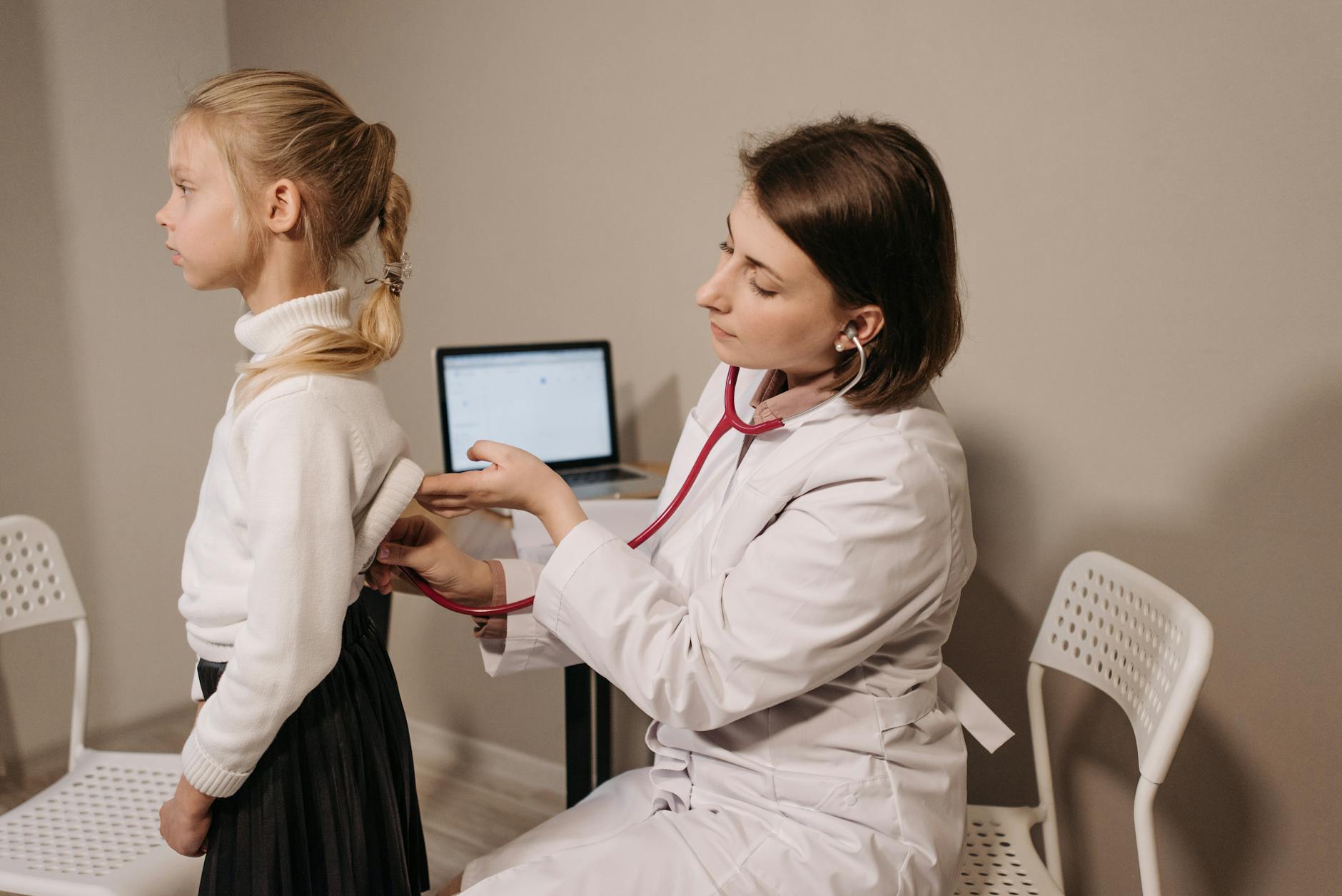
The burden of pediatric respiratory disease remains disproportionately high in low- and middle-income countries (LMICs) and underserved populations globally. Despite this, research efforts and resource allocation in pediatric pulmonology have historically concentrated on high-income settings, leaving substantial gaps in evidence-based care for the most vulnerable children.
Pediatric respiratory conditions, including pneumonia, asthma, tuberculosis, and chronic lung disease of prematurity, contribute significantly to childhood morbidity and mortality worldwide.1 The World Health Organization estimates that pneumonia alone accounts for approximately 700,000 deaths annually in children under five years of age, with the vast majority occurring in LMICs.2 Despite this substantial disease burden, research infrastructure and funding for pediatric pulmonary investigations are often concentrated in high-income countries, leading to a paucity of evidence directly applicable to the unique epidemiological and resource-constrained environments of LMICs.3 This disparity results in diagnostic and therapeutic strategies that may not be feasible, affordable, or culturally appropriate for the populations most affected by these diseases.4
Addressing the Research Imbalance
The ATS 2026 session, "PEDIATRIC PULMONARY RESEARCH IN GLOBAL HEALTH AND UNDERSERVED POPULATIONS: IT’S A SMALL WORLD," aims to highlight these critical research gaps and foster collaborative efforts to address them. The session emphasizes the need for research that focuses on prevalent conditions in LMICs, such as severe acute respiratory infections, the long-term pulmonary sequelae of early childhood infections, and the impact of environmental exposures like household air pollution.5 For instance, while significant advancements have been made in managing asthma in high-income settings, the diagnosis and management of asthma in LMICs are often complicated by limited access to spirometry, inhaled corticosteroids, and specialist care.6
The session will also explore the specific challenges in diagnosing and managing chronic lung disease of prematurity (CLD) in LMICs. Premature birth rates are high globally, and while survival of extremely preterm infants has improved in high-income countries, access to advanced neonatal intensive care, including mechanical ventilation and surfactant therapy, remains limited in many LMICs. This leads to a higher incidence and severity of CLD, often complicated by recurrent infections and malnutrition. Research is needed to develop context-appropriate interventions for preventing and managing CLD in these settings, considering factors such as oxygen availability, nutritional support, and infection control. Furthermore, understanding the long-term pulmonary outcomes of children who survive severe respiratory infections in early childhood, such as bronchiolitis or pneumonia, is crucial. These children often experience persistent respiratory symptoms, reduced lung function, and an increased risk of developing chronic respiratory diseases later in life. Longitudinal studies in LMICs are essential to characterize these sequelae and identify effective interventions.
Furthermore, the session is expected to discuss the importance of developing and validating diagnostic tools that are suitable for low-resource settings. Current diagnostic methods for conditions like pediatric tuberculosis often rely on sophisticated laboratory techniques that are unavailable in many parts of the world.7 Research into point-of-care diagnostics and simplified clinical algorithms could significantly improve early detection and treatment initiation.8 The session will also likely underscore the necessity of implementation science research, which focuses on translating effective interventions into routine clinical practice within specific contexts, considering local health systems and community factors.9 This includes evaluating the effectiveness of vaccination programs, improved nutrition, and access to clean cooking fuels in reducing the burden of pediatric respiratory disease.10
Methodological Considerations for Global Pediatric Pulmonary Research
Conducting research in global health settings requires careful consideration of methodological approaches. Studies must be designed to be culturally sensitive, ethically sound, and feasible within existing resource constraints. This often involves adapting research protocols, utilizing community health workers for data collection, and ensuring that informed consent processes are appropriate for diverse populations. For example, validating diagnostic tools in LMICs necessitates robust study designs that account for varying disease prevalence, co-morbidities, and access to confirmatory tests. Similarly, intervention studies must consider the scalability and sustainability of proposed solutions within local health systems. The session will likely address strategies for building research capacity within LMICs, including training local researchers, establishing equitable research partnerships, and developing sustainable funding mechanisms that empower local institutions to lead and conduct relevant research.
The session is a call to action for the global pediatric pulmonology community to reorient research priorities. It advocates for increased investment in research capacity building within LMICs, fostering equitable partnerships, and ensuring that research outcomes directly inform policy and practice in the regions where they are most needed.11 The goal is to move beyond simply acknowledging disparities to actively generating the evidence required to improve respiratory health outcomes for all children, regardless of their geographic location or socioeconomic status.12
The persistent imbalance in pediatric pulmonary research is not merely an academic concern; it directly impacts the daily practice of clinicians in LMICs. When evidence is primarily derived from high-resource settings, it creates a vacuum for local practitioners who must then extrapolate or adapt guidelines, often without robust data to support their decisions. This can lead to suboptimal care, delayed diagnoses, and inefficient use of scarce resources. For example, the widespread use of bronchodilators for presumed asthma in children in settings where spirometry is unavailable may mask other treatable conditions or delay appropriate interventions for severe pneumonia.
From an industry perspective, the lack of targeted research in global health populations represents a missed opportunity and a moral imperative. Developing diagnostics and therapeutics specifically tailored for LMICs, such as heat-stable vaccines, affordable inhaled corticosteroids, or rapid, low-cost TB tests, could address massive unmet needs. Pharmaceutical companies and medical device manufacturers should be incentivized to invest in these areas, perhaps through public-private partnerships or tiered pricing models, rather than solely focusing on markets with higher purchasing power. The current landscape means that many children in LMICs are treated with older, less effective, or more expensive interventions simply because newer, more appropriate options have not been developed or tested for their context.
Ultimately, the patients, the children, bear the brunt of this research disparity. Their access to evidence-based care is limited, and their health outcomes suffer. The call for more equitable research is not about charity; it is about recognizing that every child deserves the benefit of scientific advancement. Until research priorities align with global disease burden, the promise of universal health coverage for pediatric respiratory conditions will remain an aspiration rather than a reality.
- The Pivot The ATS 2026 session "PEDIATRIC PULMONARY RESEARCH IN GLOBAL HEALTH AND UNDERSERVED POPULATIONS: IT’S A SMALL WORLD" directly addresses the disparity in research focus.
- The Data While no specific trial data is presented, the session highlights the urgent need for context-specific research to address conditions like severe pneumonia, tuberculosis, and chronic lung disease of prematurity in LMICs.
- The Action Clinicians and researchers should advocate for and participate in studies designed for and conducted within global health settings to generate actionable evidence for these populations.
ART-2026-134
·08/26
Drafted with AI assistance, reviewed and approved by the editorial team. This publication is intended for healthcare professionals, researchers, and life science industry professionals. Content is provided for informational and educational purposes only and does not constitute medical advice.

Digital health and patient experience are my beat: the apps, the wearables, the real-world evidence claims, and whether any of it changes outcomes. Sceptical by training and optimistic by instinct.
Cite This Article
Ward S, Voss M. Pediatric pulmonary research gaps highlighted for global health. The Life Science Feed. Published May 19, 2026. Updated August 8, 2026. Accessed August 10, 2026. https://thelifesciencefeed.com/pediatrics/respiratory-tract-infections/research/pediatric-pulmonary-research-gaps-highlighted-for-global-health.
Editorial & AI Standards
All content is researched from peer-reviewed, open-access sources: published trial data, clinical guidelines, and regulatory filings. AI tools are used solely to structure and summarise that evidence; no AI-generated conclusions appear without editor verification against the primary source.
Every article is reviewed by a named editor before publication. Source citations are listed in the References section. This content does not represent the views of any pharmaceutical company, medical device manufacturer, or healthcare provider.
Licence & Rights
© 2026 The Life Science Feed. All rights reserved. Unless otherwise indicated, all content is the property of The Life Science Feed and may not be reproduced, distributed, or transmitted in any form or by any means without prior written permission.
Medical Disclaimer
The information provided on The Life Science Feed is for educational and informational purposes only. It is not intended as a substitute for professional medical advice, diagnosis, or treatment. Always seek the advice of your physician or other qualified healthcare provider regarding any medical condition or treatment decision. Never disregard professional medical advice or delay in seeking it because of something you have read on this website.
References
1. World Health Organization. The Global Burden of Disease: 2004 Update. Geneva: WHO Press; 2008.
2. World Health Organization. Pneumonia in children. Available at: https://www.who.int/news-room/fact-sheets/detail/pneumonia. Accessed October 26, 2024.
3. Graham SM, et al. Global burden of childhood pneumonia and its implications for vaccine development. Vaccine. 2011;29(48):8797-8803.
4. Zar HJ, et al. Childhood pneumonia: new insights into diagnosis and management. Thorax. 2017;72(11):1046-Accessed October 26, 2024.
6. Global Initiative for Asthma. Global Strategy for Asthma Management and Prevention. 2024. Available at: https://ginasthma.org/. Accessed October 26, 2024.
7. Marais BJ, et al. New approaches to the diagnosis of childhood tuberculosis. Pediatr Pulmonol. 2010;45(12):1160-1167.
8. Cattamanchi A, et al. Diagnostic accuracy of Xpert MTB/RIF for pulmonary tuberculosis in children: a systematic review and meta-analysis. BMC Infect Dis. 2013;13:209. doi:10.1186/s12879-026-14003-0
9. Peters DH, et al. Implementation research in health: a practical guide. World Health Organization; 2013.
10. Dherani M, et al. Household air pollution and pneumonia in children: a systematic review and meta-analysis. Bull World Health Organ. 2008;86(5):353-361C.
11. GBD 2019 Diseases and Injuries Collaborators. Global burden of 369 diseases and injuries in 204 countries and territories, 1990–2019: a systematic analysis for the Global Burden of Disease Study 2019. Lancet. 2020;396(10258):1204-1222. doi:10.1002/dmrr.3572/v1/review2
12. The Lancet Global Health. Research for global health: time for a paradigm shift. Lancet Glob Health. 2014;2(1):e1-e2.