
Parkinson's disease treatments offer symptomatic relief, but neuronal loss persists. Three 2025 and 2026 papers explore stem cell therapy, glutamate transporter modulation, and an Ayurvedic protocol for neuroprotection. None yet delivers data that would change clinical practice.
Progressive neuronal loss in Parkinson's, Alzheimer's, ALS, and Huntington's disease drives functional decline. Conventional therapies cannot reverse it.1 New research published in 2025 and 2026 targets this shared problem. Different biological angles are under investigation.
Parkinson's disease affects millions, with prevalence tied to age. Cardinal motor symptoms like bradykinesia, rigidity, tremor, and postural instability stem from dopaminergic neuron degeneration. Non-motor symptoms also drive disability.
Current drugs, like levodopa, ease motor symptoms by boosting dopamine. But these therapies do not halt or reverse neurodegeneration. Efficacy wanes, bringing motor complications such as dyskinesias. Disease modification remains an unmet need.
Stem cell strategies are surveyed by Patel, Henna, and Sharif in Annals of Medicine and Surgery.1 Stem cell approaches may replenish lost neurons and curb neuroinflammation, which current care cannot do.1 This narrative synthesis reports no pooled effect sizes. It is not a meta-analysis.
The review details embryonic, induced pluripotent, and mesenchymal stem cell types. Each has unique differentiation and immunomodulatory properties. Challenges include ethical issues, tumorigenicity, and immune rejection. Robust preclinical work is vital. Individuals with neurodegenerative conditions, specifically where neuronal loss is a primary feature, are broadly considered. That's a wide patient group.
The System Xc- cystine-glutamate transporter pathway is a potential regulatory target, according to Chen, Xiao, and Qian in Frontiers in Pharmacology.2 It is implicated in neurological disorders including Parkinson's disease. System Xc- modulation influences glutamate homeostasis and oxidative stress. This may alter the neurochemical environment that accelerates dopaminergic cell death.2 No clinical efficacy data appear. It is framed around therapeutic potential only.2
System Xc- maintains cellular redox balance, crucial for glutathione synthesis. Dysregulation causes excessive extracellular glutamate and reduced intracellular glutathione. Both contribute to neurodegeneration in Parkinson's disease. The paper explores modulators, discussing preclinical efficacy in animal models. Interventions would target early-stage Parkinson's patients. Mitigating oxidative stress and excitotoxicity could slow disease progression.
Chikkanna, Pal, and Jameela in JMIR Research Protocols describe a trial protocol.3 This exploratory RCT examines an Ayurvedic regimen as an add-on to conventional Parkinson's management. The protocol specifies clinical, cortical excitability, neuroimmune, and autonomic function parameters.3 No efficacy results appear. It only establishes an investigational framework.3
Patients with idiopathic Parkinson's, already on stable conventional meds, will be recruited. The Ayurvedic regimen, comprising specific herbal formulations and lifestyle recommendations, will be administered alongside standard care. Feasibility and safety are primary objectives. Secondary goals involve impact on motor and non-motor symptoms and biomarkers.
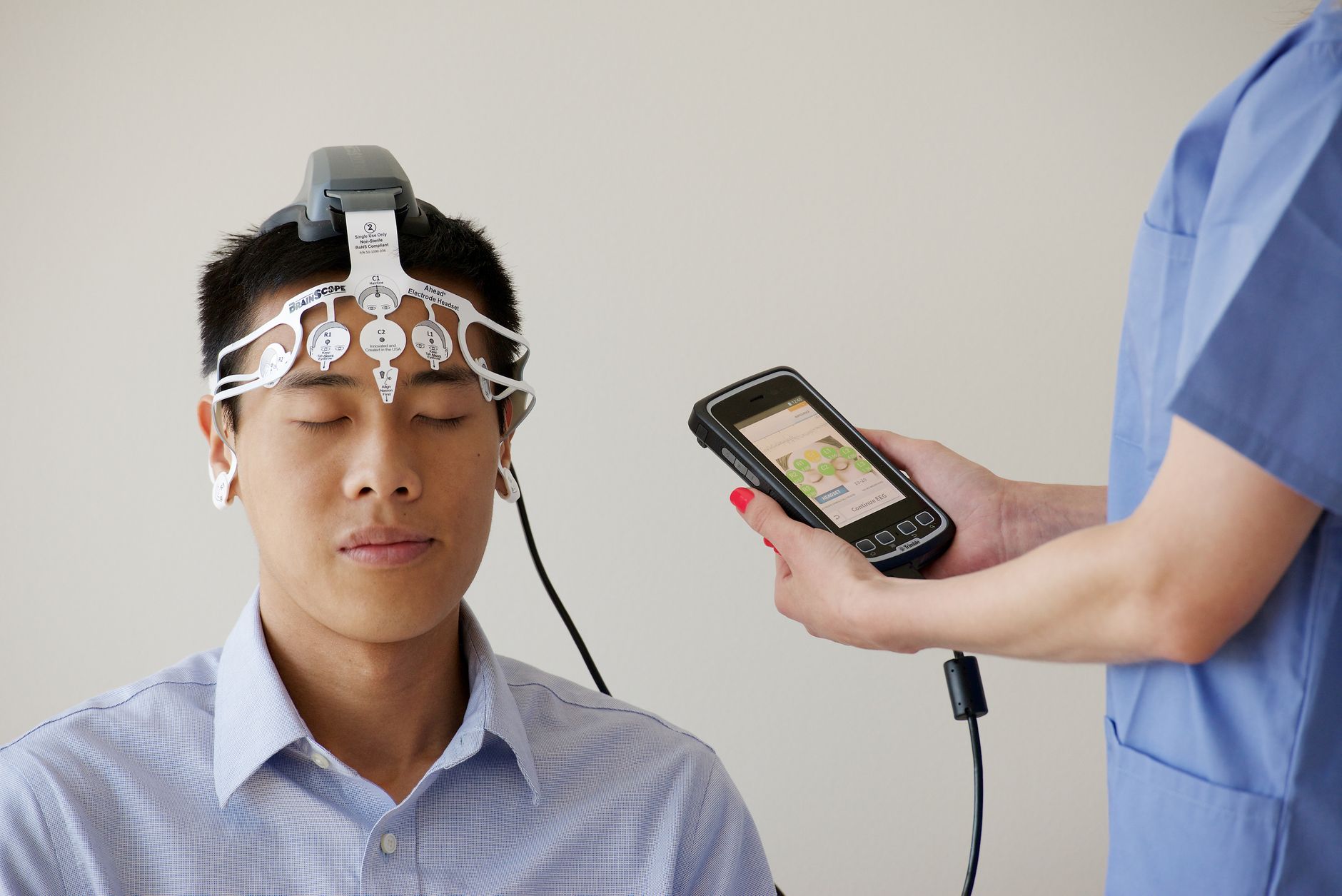
Cortical excitability will use transcranial magnetic stimulation (TMS). Neuroimmune markers will come from peripheral blood samples. Autonomic function will be evaluated through heart rate variability. The trial is exploratory. It will generate hypotheses, not detect significant efficacy differences.
The message across all three papers is clear: traditional therapies offer symptomatic relief, not neurorestoration. Novel strategies are needed.1 But no powered trial data yet show any approach modifies disease progression meaningfully. These publications are reviews and protocols. They do not present definitive clinical outcomes. They offer insight into therapeutic avenues. Rigorous, adequately powered RCTs with long-term follow-up are needed for validation. The ultimate validation remains elusive.
To delve deeper into neurological disorders and neuroprotection, explore the authoritative Oxford Handbook of Neurology.
This research cluster reveals less about what works and more about what is missing. Parkinson's disease lacks a neuroprotective standard of care. The field is still publishing reviews and protocols, not phase III data. This temper any hope of near-term prescribing shifts.
The System Xc- pathway paper warrants attention. Cystine-glutamate transporter modulation already draws commercial oncology interest. Repurposing that pharmacology for neurodegeneration is plausible. If preclinical signals translate, this could challenge established candidates like GLP-1 receptor agonists. Those have far more clinical trial data.
The stem cell narrative review feels broader, less actionable. Over a decade of similar overviews exists. The translational gap from animal models to human cell replacement remains wide.
Patients inquiring about the Ayurvedic RCT protocol need a careful answer. An exploratory RCT with neuroimmune and cortical excitability endpoints is scientifically legitimate. Pal's involvement from NIMHANS lends credibility. This is hypothesis-generating work. Neurologists should neither dismiss it nor present it as an evidence-based adjunct. Results, once published, will guide the conversation.
The three papers collectively describe ambitious therapeutic goals. Yet, clinical evidence remains limited.
- The Pivot All three strategies target neurodegeneration itself rather than symptom suppression, representing a conceptual move away from dopaminergic replacement alone.
- The Data No efficacy statistics, hazard ratios, or p-values are available from any of the three publications at this stage; two are reviews and one is a trial protocol.
- The Action Clinicians should hold current prescribing practice steady. The Ayurvedic RCT protocol (PMID 41512294) is the only source of prospective trial data, and results are not yet published.
ART-2026-67
·08/26
Drafted with AI assistance, reviewed and approved by the editorial team. This publication is intended for healthcare professionals, researchers, and life science industry professionals. Content is provided for informational and educational purposes only and does not constitute medical advice.

I cover life sciences: drug approvals, trial readouts, regulatory decisions, and the AI reshaping clinical practice. Based in Greater London, contributing to The Life Science Feed since 2026.
Cite This Article
Voss M, Lopes W. Parkinson's neuroprotection 2025: three strategies under review. The Life Science Feed. Published May 17, 2026. Updated August 8, 2026. Accessed August 10, 2026. https://thelifesciencefeed.com/neurology/parkinson-disease/research/parkinsons-neuroprotection-strategies-2025.
Editorial & AI Standards
All content is researched from peer-reviewed, open-access sources: published trial data, clinical guidelines, and regulatory filings. AI tools are used solely to structure and summarise that evidence; no AI-generated conclusions appear without editor verification against the primary source.
Every article is reviewed by a named editor before publication. Source citations are listed in the References section. This content does not represent the views of any pharmaceutical company, medical device manufacturer, or healthcare provider.
Licence & Rights
© 2026 The Life Science Feed. All rights reserved. Unless otherwise indicated, all content is the property of The Life Science Feed and may not be reproduced, distributed, or transmitted in any form or by any means without prior written permission.
Medical Disclaimer
The information provided on The Life Science Feed is for educational and informational purposes only. It is not intended as a substitute for professional medical advice, diagnosis, or treatment. Always seek the advice of your physician or other qualified healthcare provider regarding any medical condition or treatment decision. Never disregard professional medical advice or delay in seeking it because of something you have read on this website.
References
1. Patel T, Henna F, Sharif I. A narrative review on the therapeutic potential of stem cells in neurodegenerative diseases: advances, insights, and challenges. Ann Med Surg (Lond). 2026. PMID:41675725.
2. Chen Y, Xiao W, Qian C. System Xc-pathway as a potential regulatory target in neurological disorders. Front Pharmacol. 2025. PMID:41552817.
3. Chikkanna U, Pal PK, Jameela S. Ayurvedic therapeutic regimen as an add-on to optimized conventional management of Parkinson disease: protocol for an exploratory randomized controlled trial evaluating clinical, cortical excitability, neuroimmune, and autonomic function parameters. JMIR Res Protoc. 2026. PMID:41512294. doi:10.2196/83336