
Attending ESC 2026?
Get our free prep guide: key sessions by day, satellite symposia listings, and recommended spots near the venue.
Free. No spam. Unsubscribe anytime.
Official Registration
Visit Official Website ↗Strategic Context
Attend the world's foremost cardiology meeting to stay updated on the latest advancements and research in cardiovascular medicine. Experience transformation through practice, policy, and responsibility, connecting with leading experts and peers in the field.
Who Attends
Cardiologists, Clinical Researchers, Healthcare Professionals (HCPs)
We are tracking late-breaking trials on pulsed field ablation for atrial fibrillation, updated Lp(a) lowering data, and the revised heart failure guidelines. Our editorial team will be in Munich and will publish session reports and expert commentary throughout the congress.
Coverage from ESC 2026

Pulsed Field Ablation Timing Optimises AF Outcomes at ESC 2026
New data presented at ESC 2026 indicates that early intervention with pulsed field ablation (PFA) significantly improves outcomes for atrial fibrillation patients.

Influenza Vaccination Reduces Major Adverse Cardiovascular Events
Influenza vaccination significantly reduces major adverse cardiovascular events (MACE) in at-risk populations, offering cardioprotection beyond respiratory benefits.

ATTR-CM: Early Diagnosis and Risk Stratification Essential
Transthyretin amyloid cardiomyopathy (ATTR-CM) requires early diagnosis and precise risk stratification to optimise patient outcomes.

Novel CRM Devices Offer Enhanced Arrhythmia Detection, Reduced Lead Burden
New cardiac rhythm management (CRM) devices in 2026 focus on improved arrhythmia detection and reduced lead-related complications.

Advancing LDL-C Control: Bridging Guideline Targets to Practice
Despite clear guidelines, a significant proportion of patients do not achieve optimal LDL-C levels, highlighting a persistent gap in cardiovascular risk management.
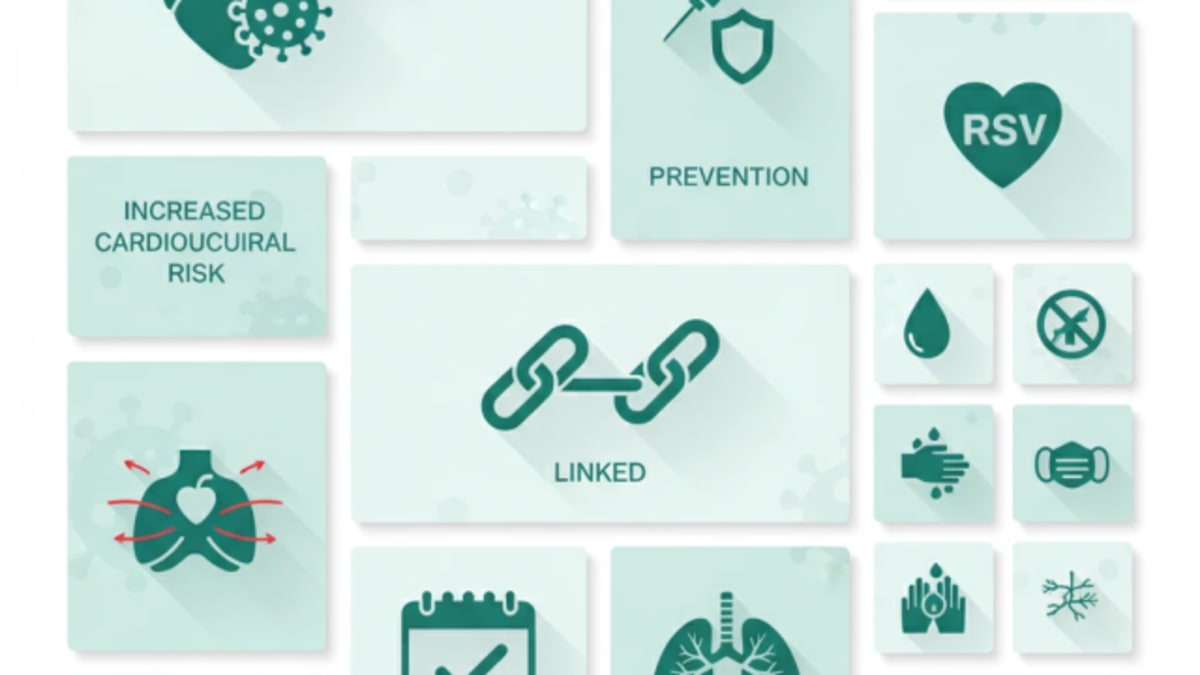
RSV Linked to Increased Cardiovascular Risk, Prevention Explored
Respiratory syncytial virus (RSV) infection is associated with elevated cardiovascular event risk, prompting a re-evaluation of prevention strategies.

LDL-C Management: From Risk Assessment to Combination Therapies
Effective low-density lipoprotein cholesterol (LDL-C) management requires precise risk assessment and tailored combination therapies.

Novel Lipid-Lowering Therapies Expand Treatment Options
New therapeutic agents for dyslipidaemia, including siRNA and oral PCSK9 inhibitors, offer expanded options for patients with high cardiovascular risk.

Mitral and Tricuspid Regurgitation: Timing Intervention in Heart Failure
This article examines the clinical dilemma of optimal timing for intervention in mitral and tricuspid regurgitation in heart failure patients.

Adult Immunisation Mitigates Cardiovascular Risk from Viral Triggers
Adult immunisation may reduce cardiovascular risk by attenuating inflammatory responses to common viral infections, a mechanism explored at ESC 2026.

Early LDL-C Goal Attainment Reduces ASCVD Risk, ESC 2026 Highlights
Achieving low-density lipoprotein cholesterol (LDL-C) goals early and sustaining them significantly reduces atherosclerotic cardiovascular disease (ASCVD) risk. This approach is critical for patient outcomes.

Anti-inflammatory Therapies for Cardiovascular Disease in 2026
Addressing cardiovascular inflammation is a critical area of research. This review examines current and emerging treatment options.

ATTR-CM Management: Evolution from Symptomatic to Disease-Modifying
Amyloid transthyretin cardiomyopathy (ATTR-CM) care has shifted from palliative symptom management to targeted disease modification.

Factor XI Inhibition: A Future for Stroke Prevention?
The evolution of antithrombotic therapy for stroke prevention continues to seek improved efficacy with reduced bleeding risk. Factor XI inhibition represents a novel approach.

ApoC-III Inhibition: New Era for Severe Hypertriglyceridemia Risk Management
ApoC-III inhibition represents a novel therapeutic approach for managing severe hypertriglyceridemia, offering a targeted strategy to reduce associated risks.

AI-Enabled LV Mass Index Refines Friedreich Ataxia Prognosis
New insights into Friedreich ataxia cardiomyopathy highlight left ventricular mass index (LVMI) and AI as key prognostic tools, offering improved risk stratification.

Aficamten: A New Path for Non-Obstructive Hypertrophic Cardiomyopathy?
Aficamten shows promise for non-obstructive hypertrophic cardiomyopathy, a condition with limited treatment options. The drug targets cardiac myosin, reducing contractility and improving symptoms.

Do Statins Prevent Dementia in Healthy Older Adults? STAREE Trial Weighs In
The STAREE trial investigated statin use in healthy adults over 70, finding no reduction in dementia incidence but a modest cardiovascular benefit.

GLP-1 Agonists: Do They Prevent Heart Disease in the General Population?
GLP-1 receptor agonists reduce cardiovascular risk in obese individuals with established CVD, but their benefit in primary prevention remains unclear.

Factor XIa Inhibitors After Heart Attack: A New Antithrombotic Path?
Factor XIa inhibitors offer a novel antithrombotic strategy after myocardial infarction, aiming for reduced bleeding risk compared to current agents.

Can Factor XIa Inhibitors Reduce Post-MI Bleeding Without Compromising Efficacy?
Factor XIa inhibitors aim to reduce thrombotic events in acute coronary syndrome patients while minimizing bleeding risk, a critical balance in post-MI care.

Ruling Out Heart Attacks Faster: The PRESC1SE-MI Study's ED Impact
The PRESC1SE-MI study demonstrated a novel algorithm using high-sensitivity troponin I can safely rule out myocardial infarction in the emergency department within one hour.

Faster Heart Attack Rule-Out: Can PRESC1SE-MI Deliver on ED Efficiency?
A new strategy for ruling out myocardial infarction in emergency departments, using high-sensitivity troponin and clinical risk scores, demonstrated high safety and reduced length of stay.

ESC Congress 2026: The 59 Pivotal Trials You Need to Know
Fifty-nine pivotal trials will present at ESC Congress 2026, covering major cardiovascular disease areas from heart failure to arrhythmia.

Do Statins Still Benefit Patients Over 70 Without Prior CVD?
The STAREE trial investigated statin use for primary prevention in individuals over 70, challenging long-held assumptions about cardiovascular benefit in this age group.

Why Transthyretin Amyloid Cardiomyopathy Remains Underdiagnosed
Transthyretin amyloid cardiomyopathy (ATTR-CM) often presents with non-specific symptoms, leading to significant diagnostic delays and missed opportunities for early intervention.

Aficamten targets non-obstructive HCM, a disease with no approved drug
Aficamten shows promise for non-obstructive hypertrophic cardiomyopathy, a condition lacking specific approved therapies.

Eplontersen: Can a new RNAi therapy change ATTR-CM outcomes?
Eplontersen significantly reduced transthyretin protein levels and improved clinical endpoints in ATTR amyloid cardiomyopathy.

Lipoprotein(a) Risk: Define, Test Early, Optimise Management
Elevated lipoprotein(a) is an independent, causal risk factor for atherosclerotic cardiovascular disease. Early identification and management are critical.


