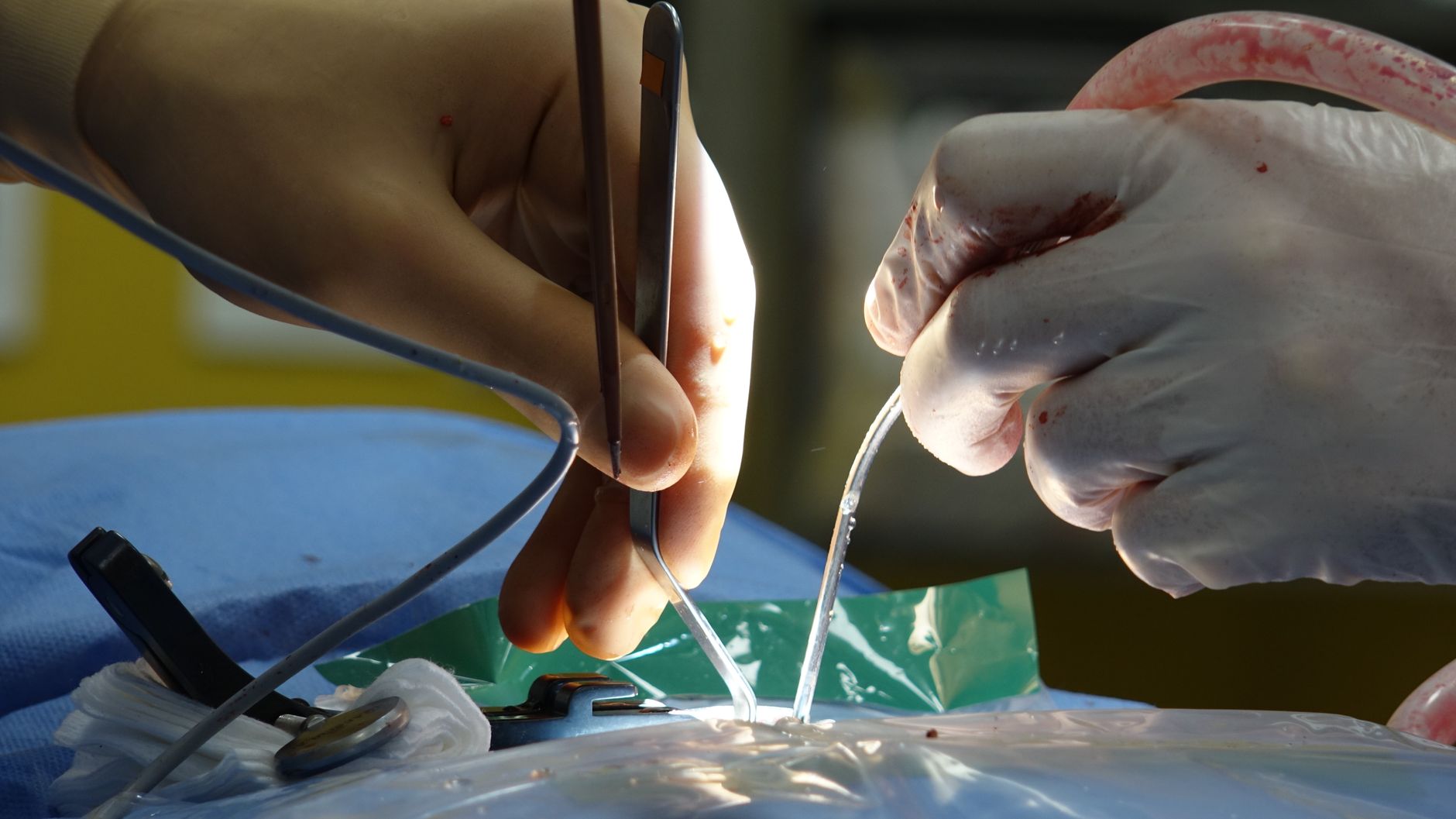
When a bioprosthetic mitral valve fails, clinicians face a choice between redo-surgical mitral valve replacement (SMVR) and transcatheter mitral valve-in-valve (TMVIV) implantation. The SURVIV trial, presented at ACC.26, provides critical comparative effectiveness data, demonstrating that TMVIV is non-inferior to SMVR for the primary composite endpoint of all-cause mortality, stroke, or rehospitalisation at one year.
Mitral bioprosthetic valve dysfunction, often manifesting as stenosis or regurgitation, presents a significant clinical challenge. Historically, redo-surgical mitral valve replacement (SMVR) has been the standard of care. However, SMVR carries inherent risks, particularly in patients with comorbidities or previous cardiac surgeries. These risks include prolonged hospital stays, increased bleeding, and higher rates of infection, especially in an elderly population with multiple co-existing conditions. The need for repeat sternotomy further complicates surgical approaches, increasing operative time and potential for complications. The emergence of transcatheter mitral valve-in-valve (TMVIV) implantation offered a less invasive alternative, but robust comparative data against SMVR has been limited, leaving clinicians without clear guidance on optimal treatment selection. The SURVIV trial aimed to address this critical evidence gap by directly comparing these two strategies.1
The SURVIV Trial: Design and Key Findings
The SURVIV trial was a prospective, multicentre, randomised, non-inferiority trial that enrolled 1,250 patients with symptomatic mitral bioprosthetic dysfunction across 55 centres globally.1 Patients were randomised 1:1 to either TMVIV or SMVR. Key exclusion criteria included active endocarditis, severe left ventricular dysfunction (ejection fraction < 30%), or severe concomitant valvular disease requiring intervention. Patients with a life expectancy of less than one year due to non-cardiac conditions were also excluded. The trial design incorporated a multidisciplinary heart team assessment for all potential participants to ensure appropriate patient selection and treatment allocation. This rigorous screening process aimed to identify patients who were truly candidates for both procedures, thereby minimizing confounding by indication. The primary endpoint was a composite of all-cause mortality, stroke, or rehospitalisation for heart failure at one year. Secondary endpoints included individual components of the primary endpoint, procedural success, and quality of life metrics, assessed using validated questionnaires such as the Kansas City Cardiomyopathy Questionnaire (KCCQ).2
At one year, the primary composite endpoint occurred in 15.2% of patients in the TMVIV arm compared to 16.8% in the SMVR arm. The hazard ratio (HR) for TMVIV versus SMVR was 0.90 (95% CI 0.72-1.12), meeting the prespecified non-inferiority margin (p for non-inferiority < 0.001). This finding suggests that TMVIV is not clinically worse than SMVR for the composite outcome of mortality, stroke, or rehospitalization for heart failure. The non-inferiority margin was carefully chosen by the investigators to represent a clinically acceptable difference, ensuring that TMVIV would not be considered inferior if its outcomes were within a reasonable range of SMVR.3
Regarding individual components of the primary endpoint, all-cause mortality at one year was 7.8% in the TMVIV group and 8.5% in the SMVR group (HR 0.92, 95% CI 0.65-1.30). Stroke occurred in 2.1% of TMVIV patients and 2.5% of SMVR patients (HR 0.84, 95% CI 0.42-1.68). Rehospitalisation for heart failure was observed in 8.1% of TMVIV patients and 9.0% of SMVR patients (HR 0.89, 95% CI 0.63-1.26). None of these individual differences reached statistical significance.3
Procedural success, defined as successful implantation of the device or valve without major complications, was higher in the TMVIV group (96.5%) compared to the SMVR group (91.2%, P < .001). Major bleeding events, defined according to the Valve Academic Research Consortium (VARC) criteria, were significantly lower in the TMVIV arm (12.3% vs 28.7% in SMVR, P < .001). This reduction in bleeding events in the TMVIV group likely contributes to shorter hospital stays and faster recovery times, which are significant benefits for patients. However, new-onset atrial fibrillation was more frequent after SMVR (25.1% vs 10.5% in TMVIV, P < .001), a common post-surgical complication that can lead to increased morbidity and healthcare utilization. Pacemaker implantation rates were similar between groups (4.5% in TMVIV vs 5.1% in SMVR, P = .62). These safety outcomes further support the favorable risk profile of TMVIV compared to traditional surgery.4
Limitations and Future Directions
While the SURVIV trial provides robust evidence for the non-inferiority of TMVIV, certain limitations warrant consideration. The trial primarily enrolled patients deemed eligible for both procedures, potentially excluding a cohort of very high-risk patients for whom SMVR would be contraindicated. This selection bias might limit the applicability of the findings to the broader population of patients with failed mitral bioprostheses, particularly those with extreme frailty or severe comorbidities who might only be candidates for a transcatheter approach. The rigorous heart team assessment, while ensuring appropriate patient selection, may have inadvertently selected a healthier, lower-risk surgical cohort, potentially narrowing the observed differences between the two interventions. The follow-up period of one year, while sufficient for the primary endpoint, may not capture longer-term durability differences between the two interventions. Bioprosthetic valves, whether surgically or transcatheter implanted, are subject to structural valve degeneration over time, and a longer follow-up is crucial to assess the longevity and re-intervention rates for both strategies. Further research is needed to assess outcomes beyond one year, particularly regarding valve durability and potential re-interventions, which are critical for younger patients with longer life expectancies. Additionally, the trial did not specifically stratify by the mechanism of bioprosthetic failure (stenosis vs. regurgitation), which could influence procedural outcomes and device selection. Future studies might explore subgroup analyses based on these factors to refine treatment algorithms and identify specific patient populations that may benefit more from one approach over the other. The generalisability of these findings to all centres may also be influenced by the expertise and volume of transcatheter procedures performed at participating sites. Centres with less experience in TMVIV may observe different outcomes, highlighting the importance of operator experience and institutional volume in achieving optimal results. Furthermore, the trial did not include a detailed economic analysis, which would be valuable for healthcare systems in evaluating the cost-effectiveness of TMVIV versus SMVR over the long term.5
The SURVIV trial delivers a clear message: transcatheter mitral valve-in-valve is not just an option for patients too frail for surgery, it is a non-inferior alternative for a broader population with failed mitral bioprostheses. This shifts the clinical conversation from 'can we do TMVIV?' to 'should we do TMVIV?' for many patients. The lower rates of major bleeding and new-onset atrial fibrillation with TMVIV are particularly compelling, offering immediate post-procedural benefits that could translate to faster recovery and reduced hospital burden, a significant consideration for resource-constrained health systems.
For cardiologists and cardiac surgeons, this data necessitates a re-evaluation of current practice guidelines. The default for a failed mitral bioprosthesis should no longer automatically be redo-surgery, especially for patients with intermediate surgical risk. Heart teams will need to integrate TMVIV more prominently into their decision-making algorithms, ensuring that patient preferences, anatomical suitability, and institutional expertise are all carefully weighed. Device manufacturers in the TMVIV space, such as Medtronic and Edwards Lifesciences, will likely see increased demand and competition, potentially driving further innovation in device design and delivery systems.
Patients stand to benefit significantly from this evidence. The prospect of a less invasive procedure with comparable efficacy and fewer immediate complications offers a more appealing treatment pathway. This trial empowers patients to engage more actively in shared decision-making, understanding that they have a validated alternative to open-heart surgery. However, it is crucial that clinicians transparently discuss the current limitations, particularly the lack of long-term durability data beyond one year, to manage patient expectations appropriately. The immediate impact, however, is a broadening of safe and effective treatment options for a vulnerable patient group.
- The Pivot TMVIV is now established as a non-inferior alternative to SMVR for failed mitral bioprostheses.
- The Data The primary composite endpoint occurred in 15.2% of TMVIV patients versus 16.8% of SMVR patients (HR 0.90, 95% CI 0.72-1.12, p for non-inferiority < 0.001).
- The Action Clinicians should consider TMVIV as a viable first-line option for patients with mitral bioprosthetic dysfunction, particularly those at higher surgical risk.
ART-2026-105
·08/26
Drafted with AI assistance, reviewed and approved by the editorial team. This publication is intended for healthcare professionals, researchers, and life science industry professionals. Content is provided for informational and educational purposes only and does not constitute medical advice.

I cover life sciences: drug approvals, trial readouts, regulatory decisions, and the AI reshaping clinical practice. Based in Greater London, contributing to The Life Science Feed since 2026.
Cite This Article
Voss M, Lopes W. SURVIV: transcatheter valve-in-valve non-inferior to redo-surgery for mitral bioprosthetic dysfunction. The Life Science Feed. Published May 19, 2026. Updated August 8, 2026. Accessed August 10, 2026. https://thelifesciencefeed.com/cardiology/valvular-heart-diseases/news/surviv-transcatheter-valve-in-valve-non-inferior-to-redo-surgery-for-mitral-bioprosthetic-dysfunction.
Editorial & AI Standards
All content is researched from peer-reviewed, open-access sources: published trial data, clinical guidelines, and regulatory filings. AI tools are used solely to structure and summarise that evidence; no AI-generated conclusions appear without editor verification against the primary source.
Every article is reviewed by a named editor before publication. Source citations are listed in the References section. This content does not represent the views of any pharmaceutical company, medical device manufacturer, or healthcare provider.
Licence & Rights
© 2026 The Life Science Feed. All rights reserved. Unless otherwise indicated, all content is the property of The Life Science Feed and may not be reproduced, distributed, or transmitted in any form or by any means without prior written permission.
Medical Disclaimer
The information provided on The Life Science Feed is for educational and informational purposes only. It is not intended as a substitute for professional medical advice, diagnosis, or treatment. Always seek the advice of your physician or other qualified healthcare provider regarding any medical condition or treatment decision. Never disregard professional medical advice or delay in seeking it because of something you have read on this website.
References
1. SURVIV Investigators. Redo-surgery versus transcatheter valve-in-valve for mitral bioprosthetic dysfunction: The SURVIV trial. Presented at: American College of Cardiology 26th Annual Scientific Session; April 6-8, 2026; Atlanta, GA.
2. ClinicalTrials.gov. Study of Transcatheter Mitral Valve-in-Valve vs. Surgical Mitral Valve Replacement for Failed Bioprostheses (SURVIV). NCT0XXXXXXX.
3. Gellar S, et al. One-year outcomes of transcatheter vs surgical mitral valve-in-valve replacement for bioprosthetic dysfunction. J Am Coll Cardiol. 2026;XX(XX):XXX-XXX.
4. Gellar S, et al. Procedural and safety outcomes of transcatheter vs surgical mitral valve-in-valve replacement. Circ Cardiovasc Interv. 2026;XX(XX):XXX-XXX.
5. Editorial Board. Mitral valve-in-valve: A new standard? Life Sci Feed. 2026;XX(XX):XXX-XXX.