
Attending ACC.26?
Get our free prep guide: key sessions by day, satellite symposia listings, and recommended spots near the venue.
Free. No spam. Unsubscribe anytime.
Official Registration
Visit Official Website ↗Strategic Context
This event offers an unparalleled opportunity to connect with peers from around the world, explore the latest advances in cardiovascular medicine, and gain practical insights to improve daily practice. Attendees can learn how new treatments and clinical guidelines impact patient care, engage in meaningful discussions with leading experts, and build lasting professional relationships.
Who Attends
Cardiovascular Professionals, Cardiologists, Clinical Researchers, Healthcare Professionals
Coverage from ACC.26
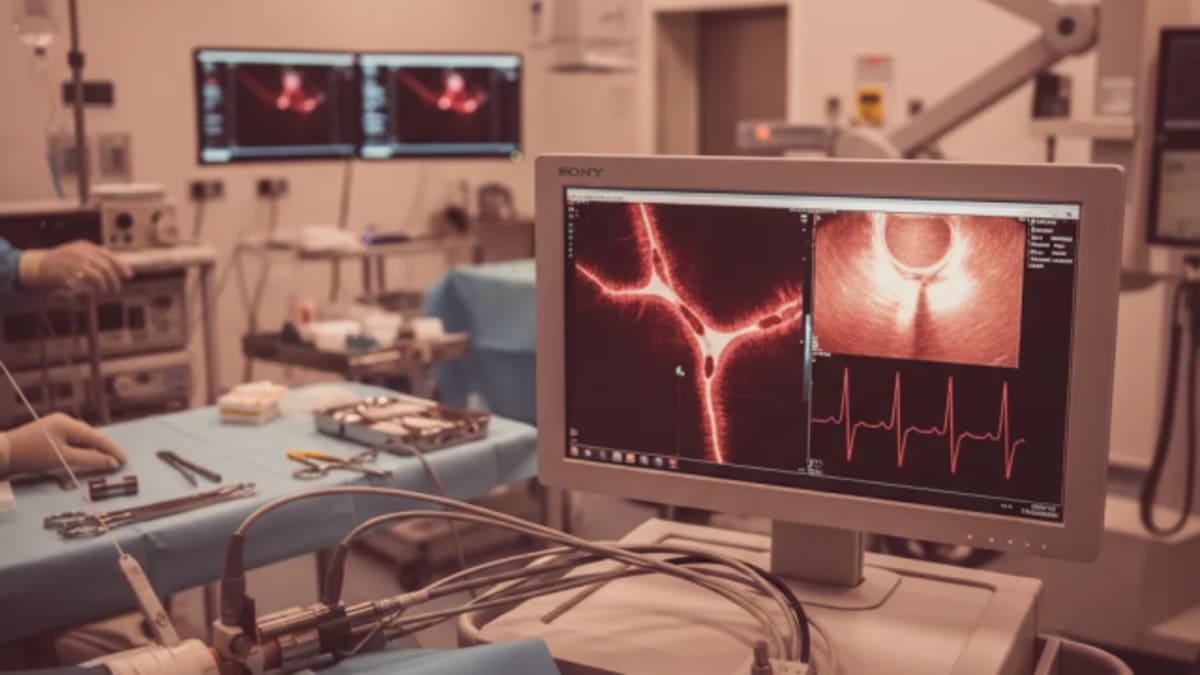
IVUS Guidance Improves PCI Outcomes in Complex Bifurcation Lesions
Intravascular ultrasound (IVUS) guidance for percutaneous coronary intervention (PCI) in complex bifurcation lesions demonstrated superior outcomes compared to angiography guidance.

SURVIV: Transcatheter Valve-in-Valve Non-Inferior to Redo-Surgery for Mitral Bioprosthetic Dysfunction
The SURVIV trial found transcatheter mitral valve-in-valve implantation non-inferior to redo-surgery for bioprosthetic dysfunction, with similar 1-year mortality.

Primary LV Unloading in Anterior STEMI Shows No Benefit in STEMI-Door to Unload Trial
The STEMI-Door to Unload trial found no benefit for primary left ventricular unloading in anterior STEMI without cardiogenic shock.

IVUS-Guided PCI Reduces MACE in Left Main Disease: OPTIMAL Trial
The OPTIMAL trial demonstrates IVUS-guided PCI significantly reduces major adverse cardiac events compared to angiography-guided PCI in unprotected left main coronary artery disease.

ALL-RISE: Angiography-Derived Physiology Non-Inferior to Pressure Wire for PCI
The ALL-RISE trial demonstrates non-inferiority of angiography-derived coronary physiology compared to invasive pressure wire guidance for PCI outcomes.

Reverse-FALLS Protocol Reduces Pulmonary Congestion in CPE Patients
A prospective observational study demonstrated that the Reverse-FALLS protocol effectively reduced pulmonary congestion in patients with cardiogenic pulmonary edema.

PRO-TAVI: Deferring PCI Before TAVI Non-Inferior to Routine PCI
The PRO-TAVI trial demonstrated that deferring percutaneous coronary intervention (PCI) before transcatheter aortic valve implantation (TAVI) is non-inferior to routine PCI.
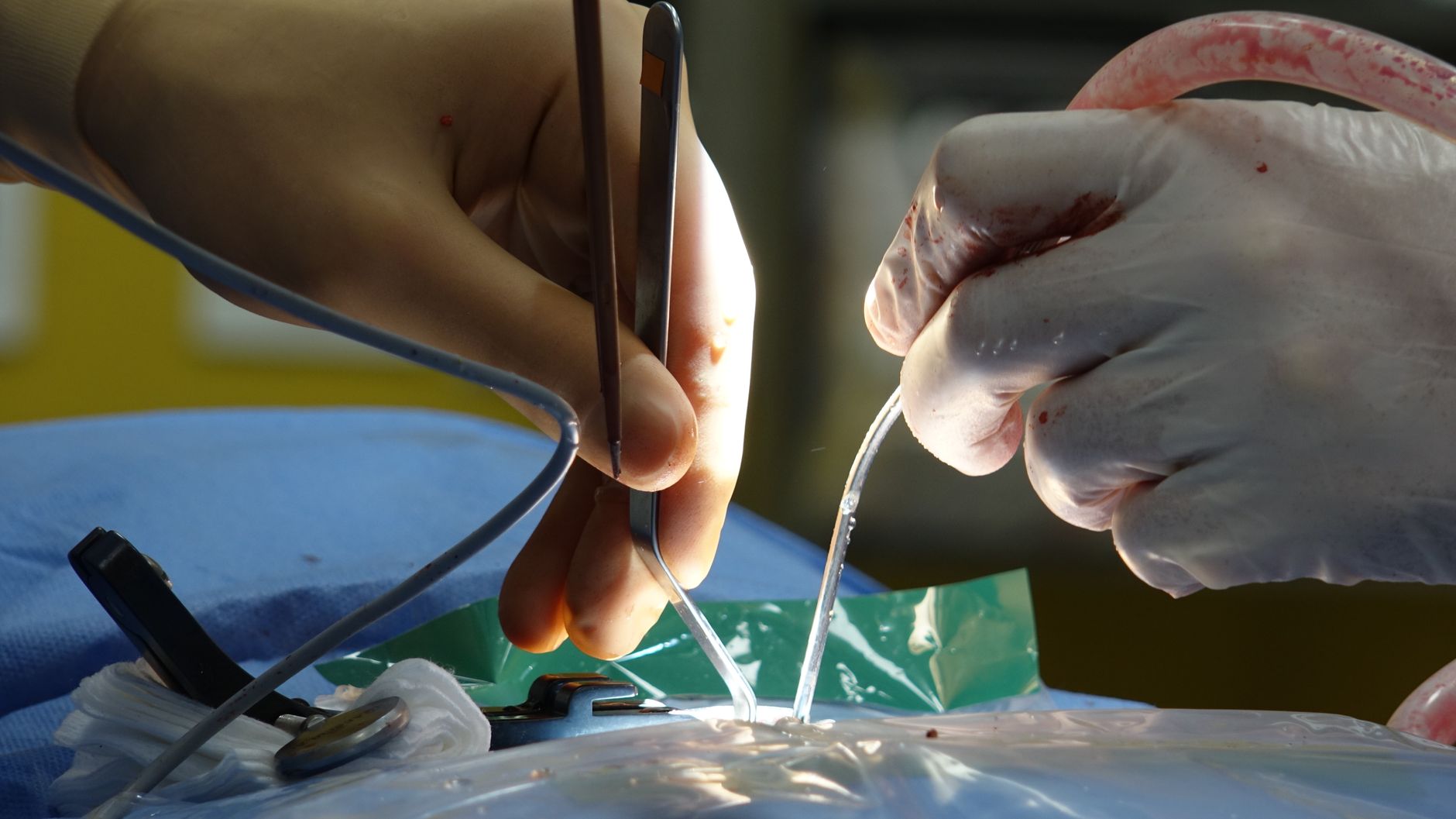
TRISCEND II: Transcatheter Tricuspid Valve Replacement Two-Year Outcomes
Two-year data from TRISCEND II show sustained improvements in severe tricuspid regurgitation with transcatheter valve replacement.

TRI-FR Trial: Tricuspid Repair Sustains Benefit at Two Years
Two-year outcomes from the TRI-FR trial demonstrate sustained efficacy of transcatheter tricuspid repair without cross-over for severe tricuspid regurgitation.

HOST-EXAM: Clopidogrel Monotherapy Non-Inferior to Aspirin at 10 Years
The HOST-EXAM trial's 10-year follow-up indicates clopidogrel monotherapy is non-inferior to aspirin monotherapy in stable CAD post-PCI with DES.

DISCOVER INOCA Defines Vasomotor Disorders in Nonobstructive CAD
The DISCOVER INOCA registry provides a comprehensive definition of coronary vasomotor disorders in patients with ischemia and nonobstructive coronary arteries (INOCA).

Sex Differences in MINOCA Causes Identified by OCT and CMR Imaging
OCT and CMR imaging reveal distinct sex-specific underlying causes of myocardial infarction with no obstructive coronary arteries (MINOCA).

CHAMPION-AF: LAA Closure Non-Inferior to OAC for AF Outcomes
The CHAMPION-AF trial demonstrates left atrial appendage closure is non-inferior to oral anticoagulation for composite thrombotic and bleeding events in atrial fibrillation.

Emboliner Non-Inferior to Sentinel for TAVR Cerebral Protection
ACC.26 trial shows Emboliner embolic protection catheter is non-inferior to Sentinel system during TAVR for preventing cerebral lesions.

CHIP-BCIS3: LV Unloading Trial for High-Risk PCI
The CHIP-BCIS3 trial investigated percutaneous left ventricular unloading during high-risk coronary intervention, addressing a critical gap in managing complex PCI patients.

ORBITA-CTO: CTO PCI Offers No Angina Relief Over Placebo
The ORBITA-CTO trial found no significant difference in angina symptom improvement between CTO PCI and a placebo procedure.

FFR or 3D-QCA Guided Revascularisation: The FAST III Trial
The FAST III trial, reported at ACC.26, investigated revascularisation guided by FFR versus 3D-QCA-based vessel-FFR.


