
Attending ERS 2026?
Get our free prep guide: key sessions by day, satellite symposia listings, and recommended spots near the venue.
Free. No spam. Unsubscribe anytime.
Official Registration
Visit Official Website ↗Strategic Context
The ERS Congress is an annual event that brings together the world's respiratory experts to showcase the latest advances in respiratory medicine and science. Attendees can learn about priority topics, educational opportunities, and network with peers.
Who Attends
Clinicians, Scientists, Allied Health Professionals, Respiratory Experts
Coverage from ERS 2026

Beyond rescue inhalers: What really keeps COPD patients out of hospital?
Preventing hospital admissions for COPD requires a comprehensive approach, moving beyond acute symptom management to address the underlying disease progression and comorbidities.

Beyond diagnosis: ECG waveforms predict MI-E treatment response
Electrocardiogram waveforms offer insights into myocardial infarction with epicardial coronary artery disease (MI-E) efficacy, providing a non-invasive window into myocardial health.

RSV and COVID-19 vaccines: Why are we still underestimating their impact?
Vaccination against RSV and COVID-19 offers a critical strategy for mitigating the burden of respiratory diseases, particularly in vulnerable populations.

PH-ILD: Why current vasodilators fall short, and what's next
An inhaled sGC activator is under investigation for pulmonary hypertension associated with interstitial lung disease, a condition with significant unmet need.

Respiratory care: Why neurology's long-acting therapies could be key
Insights from multiple sclerosis treatment paradigms offer a framework for developing ultra-long-acting therapies in respiratory care, addressing adherence and disease progression.

COPD exercise limits: Is your oxygen therapy doing enough?
High-flow humidified oxygen improved exercise endurance and reduced dyspnea in patients with advanced COPD compared to conventional low-flow oxygen.

Air pollution: Why policies fail, and patients pay the price
Despite clear evidence linking air pollution to adverse health outcomes, effective implementation of protective policies remains a significant hurdle.

Severe asthma: Why targeted therapies miss some Type 2 patients
Emerging clinical insights suggest the distal airways play a more central role in Type 2 severe asthma pathophysiology than previously understood.

Rethink PDE inhibition in COPD: Not all isoforms are equal
Phosphodiesterase (PDE) inhibitors offer therapeutic potential in COPD, but adverse effects, particularly nausea with PDE4 inhibitors and cardiovascular risks with chronic PDE3 inhibition, limit their broader application.

IPF: Why new therapies are still missing the mark
The TETON Phase 3 clinical program provides new insights into the management of idiopathic pulmonary fibrosis, highlighting both progress and persistent challenges.

Alpha-1 Antitrypsin Deficiency: Why fragmented care costs lives
Alpha-1 antitrypsin deficiency presents as both a respiratory and hepatic disease, often leading to diagnostic delays and suboptimal management due to fragmented care.

Why targeting IL-33 could change how we manage COPD
Interleukin-33 plays a complex role in COPD pathogenesis, driving both inflammation and mucus production, which contributes to exacerbation risk.

Pulmonary fibrosis: Why early diagnosis remains a clinical enigma
Pulmonary fibrosis presents significant diagnostic and treatment challenges, often leading to delayed intervention and poorer outcomes for patients.

Obesity hypoventilation: CPAP vs. NIV, the economic tension
Obesity hypoventilation syndrome (OHS) can be managed with either CPAP or NIV, with device choice impacting economics and operations.

NTM lung disease: Why are we still missing it?
Non-tuberculous mycobacterial lung disease presents significant diagnostic and therapeutic challenges, often leading to delayed intervention and suboptimal patient outcomes.

OSA: Why AHI alone isn't predicting your patients' heart risk
The apnea-hypopnea index (AHI) remains the standard for obstructive sleep apnea diagnosis, but its limitations in predicting cardiovascular outcomes are clear.

NIV adherence: Why patient engagement is the real determinant of outcomes
Engaging patients actively in their non-invasive ventilation (NIV) therapy improves adherence and clinical outcomes. Education, shared decision-making, and tailored support are critical for success.

Bronchiectasis: Why symptom control isn't enough anymore
Bronchiectasis management is evolving beyond symptomatic relief, with a focus on neutrophil-driven inflammation as a target for disease modification.

Sleep Apnea: Why AHI Misses What Matters Most
Traditional AHI metrics often miss the full impact of sleep apnea; hypoxic burden and specific phenotyping offer a clearer picture of patient risk and device efficacy.

Severe asthma: Why biologics aren't delivering remission
Severe asthma remission is rare, even with biologic treatments, according to a European registry study highlighting persistent disease burden.

Beyond the numbers: What your PFT results are really telling you
Pulmonary function tests require an approach beyond simple normal/abnormal classifications, integrating clinical context and patient demographics for accurate diagnosis.

Severe asthma, COPD: Why symptom control isn't enough
Managing severe asthma and COPD requires timely intervention, moving beyond symptomatic relief to address underlying inflammation and prevent exacerbations.

Airway mucus: Is it a symptom or the disease driver in lung conditions?
Airway mucus obstruction is a central feature of many chronic lung diseases, contributing to inflammation, infection, and progressive lung damage.

Asthma care: Your patients need more than symptom relief
Current asthma management focuses on symptom control and exacerbation reduction, but patient-reported outcomes highlight persistent unmet needs.

OPEP therapy: Is your current mucus clearance falling short?
Oscillating positive expiratory pressure (OPEP) therapy offers a non-pharmacological approach to mucus clearance across various respiratory conditions.

Pneumococcal disease: Your patients need updated protection now
Pneumococcal disease remains a significant global health burden, with new GBD 2023 data highlighting persistent mortality in vulnerable populations.

Chronic lung disease: Why early diagnosis still isn't enough
Managing chronic lung diseases presents complex challenges, from accurate diagnosis to optimising long-term treatment strategies and addressing patient adherence.

COPD: Why focusing only on exacerbations misses the bigger picture?
COPD management extends beyond preventing exacerbations, encompassing symptom burden, exercise capacity, and quality of life for a holistic patient approach.

COPD exacerbations: Why RSV's hidden role demands a new vaccine strategy
RSV infection significantly destabilizes COPD, driving exacerbations and hospitalizations. The adjuvanted RSV vaccine offers a new tool to mitigate this risk.

Chronic respiratory disease: Why diagnosis often comes too late
Understanding the patient journey for chronic respiratory diseases in resource-limited settings reveals significant diagnostic and treatment delays, impacting long-term outcomes.

Rhinitis isn't just a nuisance: It's a key to managing asthma and COPD
Chronic inflammatory diseases of the upper and lower airways are often comorbid, sharing underlying pathophysiological mechanisms. Integrated management is essential for optimal patient outcomes.

High-flow oxygen: The unexpected boost for COPD endurance?
High-flow humidified oxygen improved exercise endurance and reduced dyspnea in patients with advanced COPD compared to conventional low-flow oxygen.

Ventilation: Why static guidelines fail dynamic patients
Continuous-improvement ventilation relies on real-world data to refine protocols and enhance patient outcomes, moving beyond static guidelines.
COPD: Why one moderate exacerbation changes everything
One moderate COPD exacerbation should prompt clinicians to consider stepping up from dual bronchodilator therapy to a single-inhaler triple therapy.

Epithelial health: more than a symptom of chronic inflammation?
Maintaining epithelial barrier integrity is emerging as a critical factor in achieving disease remission, moving beyond traditional symptom management in chronic inflammatory conditions.

COPD: Why dual bronchodilation still isn't working for some patients
Dual bronchodilation remains a cornerstone in COPD management, focusing on symptom control and exacerbation reduction.

Severe asthma, CRSwNP: Why targeting TSLP upstream changes everything
Thymic stromal lymphopoietin (TSLP) inhibition offers a novel strategy for epithelial-driven inflammatory diseases like severe asthma and chronic rhinosinusitis with nasal polyps.

Bronchoscopy training: Why 'hundreds of procedures' may no longer be enough
AI integration into flexible bronchoscopy training aims to improve procedural proficiency and diagnostic accuracy for respiratory specialists.

Pulmonary Hypertension: Your objective measures aren't telling the whole story
Patient-reported outcomes are essential for understanding the true burden of pulmonary arterial hypertension and guiding treatment decisions.

Eosinophil depletion: Why 'good enough' isn't enough anymore
Near-complete depletion of eosinophils is critical for optimal outcomes in eosinophil-driven diseases, moving beyond simple reduction to target the underlying pathogenic mechanism.

COPD & asthma: Why symptom control isn't enough anymore
Current management of COPD and asthma focuses on symptom control, but emerging strategies aim to alter disease progression itself.

IPF, PPF: Why patient and clinician views on disease impact diverge
Idiopathic pulmonary fibrosis and progressive pulmonary fibrosis present unique challenges, with patient and pulmonologist perspectives often misaligned on disease impact and management.

Pulmonary Hypertension: Why are we still going systemic?
Inhaled therapies are increasingly central to managing pulmonary arterial hypertension and pulmonary hypertension associated with interstitial lung disease, offering targeted delivery and reduced systemic side effects.

Pulmonary alveolar proteinosis: It's not surfactant overproduction
Autoimmune pulmonary alveolar proteinosis (aPAP) results from impaired GM-CSF signaling, leading to surfactant accumulation. Management focuses on whole lung lavage, but targeted therapies are emerging.

Stop missing ILD: AI reveals what the eye can't see
Integrating artificial intelligence with clinical expertise can accelerate the identification of interstitial lung disease, potentially improving patient outcomes.
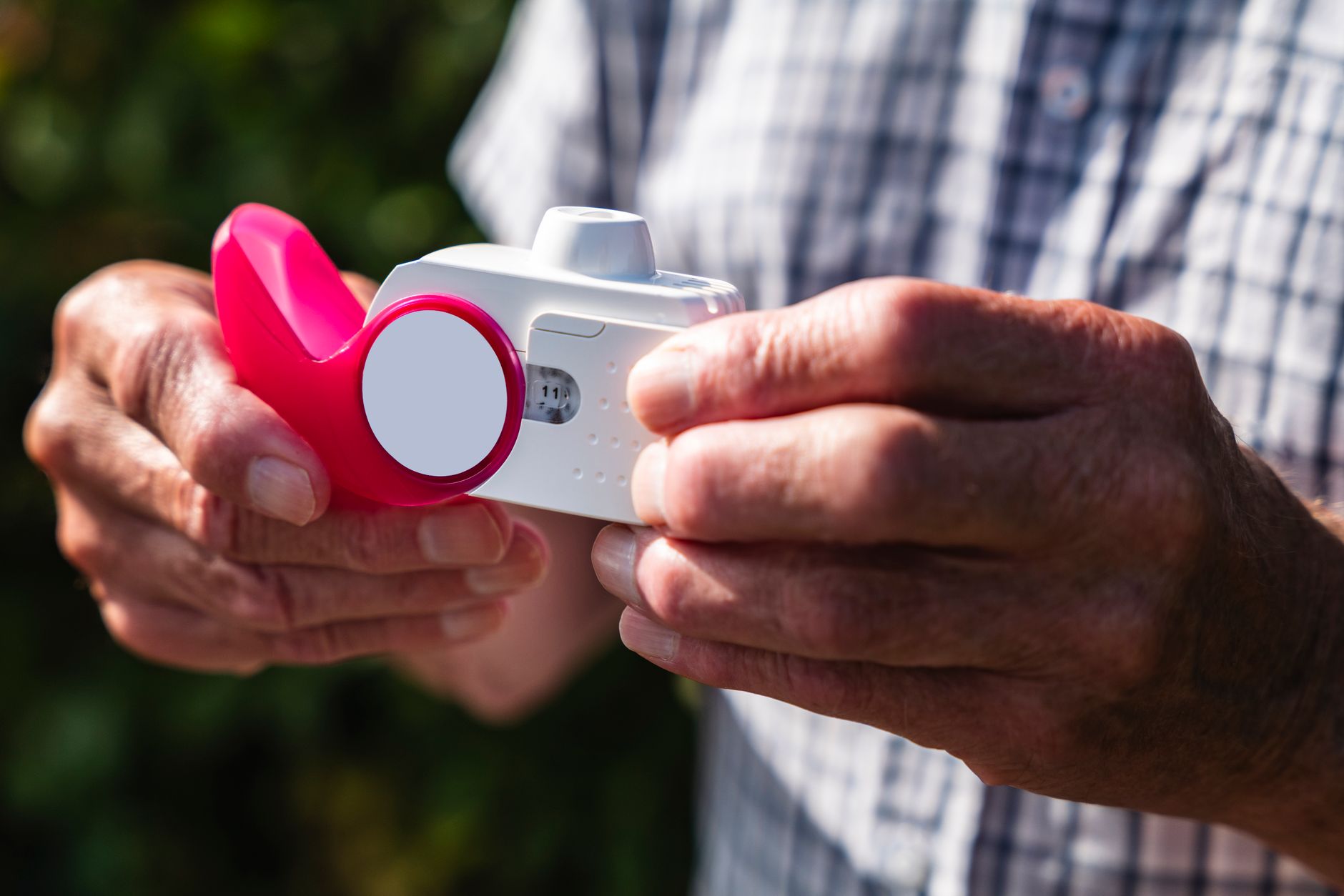
Rethinking asthma control: Why 'stable' isn't always enough
Achieving rapid and sustained control of asthma symptoms is critical for preventing exacerbations and improving long-term patient outcomes.

Respiratory inhalers: The hidden climate cost of patient care?
Addressing the environmental impact of respiratory care, particularly inhaler use, is becoming a critical consideration for clinical practice.
Rethinking PCV: Not all conjugate vaccines are equal for chronic lung disease
Real-world evidence on pneumococcal conjugate vaccines (PCVs) highlights differential effectiveness in adults with chronic lung disease.

Pulmonary alveolar proteinosis: Your patients deserve better
Pulmonary alveolar proteinosis (PAP) management across Europe faces significant disparities, driven by varied access to diagnostic tools and treatment modalities. A unified approach is critical for improving patient outcomes.

Long-term oxygen therapy: Are we missing the patient experience?
A new questionnaire, QuOTE, offers a simple, patient-reported method to evaluate the impact of long-term oxygen therapy on daily life. This tool provides a direct measure of patient experience, which has been historically difficult to quantify.

COPD: Early aggressive therapy isn't just for lungs
Delayed optimisation of COPD management leads to significant adverse cardiopulmonary outcomes, underscoring the need for earlier, aggressive therapeutic strategies.

COPD: Why are we still missing early diagnoses?
Chronic obstructive pulmonary disease often goes undiagnosed until advanced stages, delaying interventions that could improve patient outcomes. Identifying at-risk individuals earlier is critical for effective management.

Pulmonary fibrosis: Is inflammation friend or foe?
Fibrotic interstitial lung diseases involve intertwined inflammation and fibrosis, with varying contributions that demand personalized treatment approaches.

Rethinking COPD: Dupilumab shows type 2 inflammation matters
Dupilumab has demonstrated efficacy in both asthma and COPD, offering a new therapeutic avenue for patients with underlying type 2 inflammation.

Asthma, COPD: Why the 'right' drug often fails in the 'wrong' device
Matching the right inhaler device to a patient's needs remains a persistent challenge in respiratory care, despite a wide array of available options.

Asthma: Why are we still guessing when omics can personalize care?
New reviews highlight how omics technologies and artificial intelligence are transforming asthma diagnosis, prognosis, and treatment decisions, moving beyond empirical approaches.

Why CPAP success isn't about the device, but the patient experience
Optimising CPAP therapy requires a shift from device-centric views to patient-centred care, addressing comfort, education, and ongoing support.

Personalized COPD care: Is your current approach missing the mark?
New approaches to chronic obstructive pulmonary disease (COPD) management focus on phenotype-guided therapies and early intervention strategies.

Pulmonary hypertension: Are we missing a key driver of vascular remodeling?
The insulin-like growth factor (IGF) family contributes to vascular remodeling and endothelial dysfunction in PAH, suggesting potential as diagnostic biomarkers and therapeutic targets.

Central sleep apnea: Why aren't we using ASV more?
Auto-servo ventilation (ASV) therapy is a guideline-recommended treatment for central sleep apnea (CSA), but its adoption in clinical practice remains inconsistent. Understanding ASV's mechanism and patient selection is important for optimal outcomes.

Alpha-1 Antitrypsin Deficiency: Beyond augmentation, a new path
Advancements in Alpha-1 Antitrypsin Deficiency (AATD) therapies focus on restoring functional AAT levels and achieving clinically meaningful endpoints beyond simple protein augmentation.

Why treating asthma and CRSwNP separately may fail your patients
Anosmia, or loss of smell, may serve as a crucial indicator of shared inflammatory pathways between asthma and chronic rhinosinusitis with nasal polyps (CRSwNP), suggesting a unified airway disease. Its presence signals a systemic type 2 inflammatory burden that impacts treatment decisions and patient quality of life.


