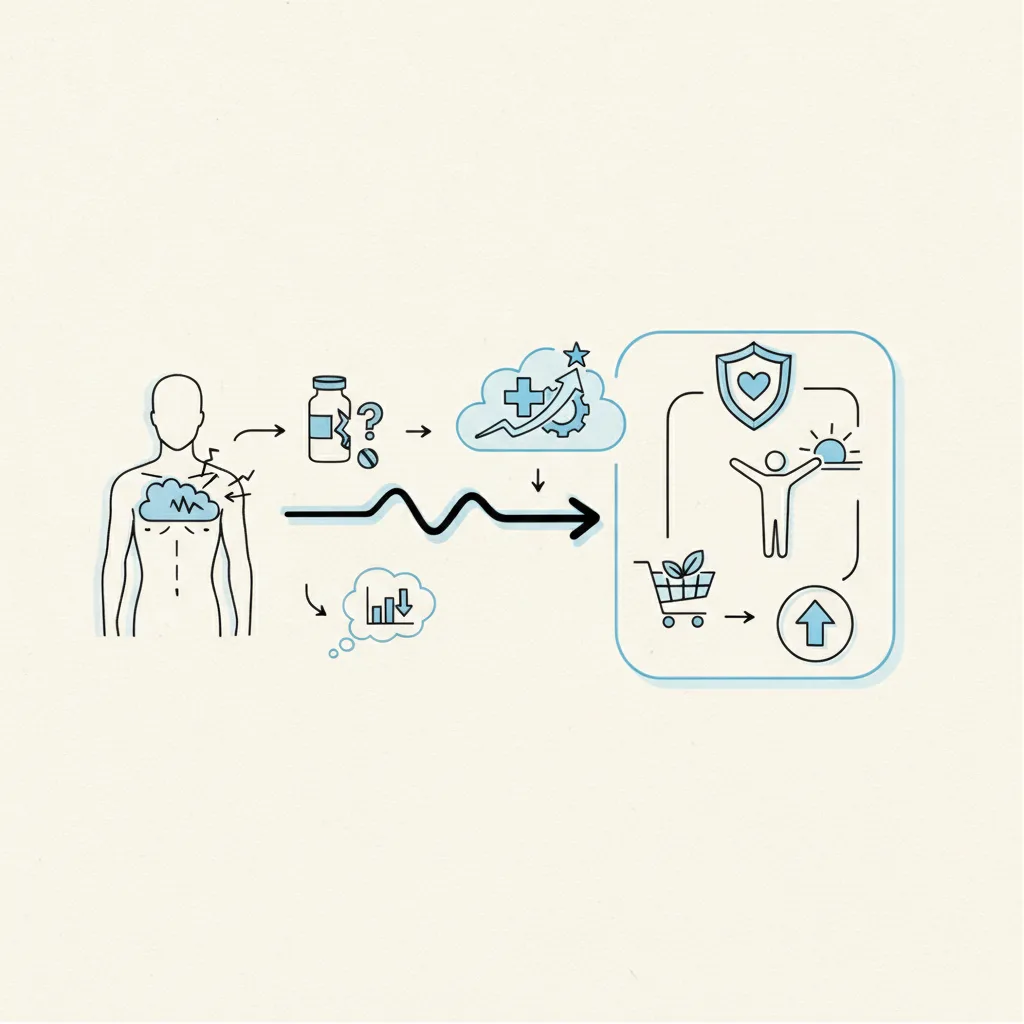

Asthma remains a chronic respiratory condition affecting millions globally, characterized by airway inflammation, bronchial hyperresponsiveness, and reversible airflow obstruction. Despite advances in pharmacotherapy, a significant proportion of patients continue to experience persistent symptoms, frequent exacerbations, and a diminished quality of life. The challenge for clinicians is to move beyond mere symptom suppression and truly address the outcomes that matter most to patients.
Asthma, a heterogeneous disease, presents with varying phenotypes and endotypes, complicating a one-size-fits-all approach to treatment. The underlying pathophysiology involves a complex relationship of genetic predispositions and environmental triggers, leading to chronic inflammation within the airways. This inflammation, often driven by T-helper type 2 (Th2) cells, results in eosinophilic airway inflammation, mucus hypersecretion, and airway remodeling. Non-Th2 inflammation, involving neutrophils or pauci-granulocytes, also contributes to disease severity in a subset of patients, particularly those with severe asthma.
Standard-of-care for asthma has long revolved around inhaled corticosteroids (ICS) for controller therapy, often combined with long-acting beta-agonists (LABA) in fixed-dose combinations. Short-acting beta-agonists (SABA) serve as rescue medication. These therapies aim to reduce airway inflammation, relax bronchial smooth muscle, and prevent exacerbations. Guidelines from bodies like the Global Initiative for Asthma (GINA) provide a stepwise approach to management, escalating therapy based on symptom control and risk factors for exacerbations. But even with optimal adherence to these established regimens, many patients still struggle.
Understanding the Unmet Needs in Asthma
The current framework for assessing asthma control primarily relies on objective measures such as forced expiratory volume in one second (FEV1), peak expiratory flow (PEF), and the frequency of exacerbations requiring oral corticosteroids or hospitalisation. While these metrics are undeniably important for clinical decision-making and risk stratification, they often fail to capture the full impact of asthma on a patient's daily life. Patients frequently report persistent fatigue, sleep disturbances, anxiety, and limitations in physical activity, even when their FEV1 is within an acceptable range or their exacerbation rate has decreased. This disconnect between objective clinical control and subjective patient experience highlights a significant unmet need.
The heterogeneity of asthma phenotypes means that different patients respond differently to available treatments. For instance, patients with severe eosinophilic asthma may benefit from targeted biologic therapies that block specific inflammatory pathways, such as those involving interleukin-5 (IL-5) or IL-4/IL-13. But identifying these specific phenotypes and matching them to the most effective therapy requires careful assessment and often specialist input. The challenge extends beyond simply prescribing the right drug; it involves understanding the patient's individual disease characteristics and their personal goals for treatment.
The Role of Biologics and Phenotype-Guided Therapy
The advent of biologic therapies has revolutionised the management of severe asthma, particularly for those with a Th2-high phenotype. These agents, including omalizumab (anti-IgE), mepolizumab, reslizumab, and benralizumab (anti-IL-5/IL-5R), and dupilumab (anti-IL-4Rα), target specific inflammatory mediators or their receptors. For example, dupilumab has shown superiority over omalizumab in certain high-biomarker asthma populations, offering a more tailored approach. These therapies have demonstrated efficacy in reducing exacerbation rates and improving lung function in carefully selected patient populations. But even with these advanced treatments, complete symptom resolution remains elusive for many.
The selection of an appropriate biologic depends heavily on the patient's biomarker profile, such as blood eosinophil counts, fractional exhaled nitric oxide (FeNO), and serum IgE levels. A patient with persistently high eosinophil counts, despite high-dose ICS/LABA, would be a strong candidate for an anti-IL-5 therapy. Conversely, elevated FeNO and IgE might point towards dupilumab or omalizumab. This move towards precision medicine in asthma requires clinicians to be adept at interpreting these biomarkers and understanding the nuances of each biologic's mechanism of action. The Oxford Handbook of Respiratory Medicine provides a concise reference for navigating these complex treatment algorithms.
Integrating Patient-Reported Outcomes
To truly shape the future of asthma care, the focus must expand beyond traditional clinical endpoints to encompass patient-reported outcomes (PROs). These include measures of asthma control, health-related quality of life (HRQoL), and the impact of symptoms on daily activities. Tools such as the Asthma Control Questionnaire (ACQ) and the Asthma Quality of Life Questionnaire (AQLQ) are validated instruments that can provide valuable insights into a patient's subjective experience. Regular assessment using these tools can help identify areas where patients continue to struggle, even if their FEV1 appears stable.
For example, a patient might have an FEV1 within normal limits but report significant limitations in their ability to exercise or participate in social activities due to breathlessness or fear of an exacerbation. This is a critical distinction. Addressing these concerns requires a more holistic approach, potentially involving pulmonary rehabilitation, psychological support, or adjustments to their treatment regimen that might not be indicated by objective measures alone. The goal is not just to keep patients out of the emergency department, but to enable them to live full, active lives.
Challenges in Real-World Implementation
Implementing a patient-centric approach faces several practical challenges. Time constraints in busy clinical practices often limit the ability to conduct detailed PRO assessments. Interpreting and acting upon PRO data requires training and a shift in clinical mindset. There is also the issue of adherence to prescribed therapies, which remains a significant barrier to effective asthma control. Patients may misunderstand their medication regimen, have concerns about side effects, or simply forget to take their medication regularly. This is particularly true for complex regimens involving multiple inhalers or injectable biologics. Simple tools like a 7-Day Weekly Pill Organiser can sometimes help with adherence, but deeper conversations about patient beliefs and barriers are often necessary.
Another challenge lies in the transition of care. Patients often move between primary care and specialist settings, and a lack of consistent communication regarding their asthma management plan can lead to suboptimal outcomes. Ensuring that PRO data is shared and acted upon across different care settings is essential. The focus on earlier use of triple therapy in asthma, for instance, requires a coordinated approach between primary and secondary care to identify appropriate patients and initiate treatment promptly.
Looking Ahead: Precision Medicine and Digital Health
The future of asthma care will likely involve an even greater emphasis on precision medicine, leveraging advanced diagnostics to identify specific endotypes and tailor therapies accordingly. This includes exploring novel biomarkers beyond eosinophils and IgE, such as genetic markers or inflammatory signatures, to predict treatment response. Digital health technologies, including smart inhalers and remote monitoring devices, also hold significant promise. These tools can provide real-time data on medication adherence, inhaler technique, and symptom patterns, empowering patients to better manage their condition and providing clinicians with valuable insights. Such technologies can help bridge the gap between clinic visits, offering a more continuous picture of disease control.
Still, the integration of these technologies into routine clinical practice requires careful validation and consideration of data privacy. The sheer volume of data generated by digital health tools also presents a challenge for clinicians, who need efficient ways to interpret and act upon it without being overwhelmed. The goal is to use technology to augment, not replace, the clinician-patient relationship. The most effective asthma care will combine cutting-edge science with a deep understanding of the individual patient's needs and preferences. This requires a continuous dialogue between patients and their healthcare providers, ensuring that treatment decisions are shared and aligned with what truly matters to the patient.
The persistent gap between objective clinical control and patient-reported quality of life in asthma demands a recalibration of our treatment goals. Simply reducing exacerbations or improving FEV1 is no longer sufficient if patients still struggle with daily symptoms, sleep disturbances, or limitations in their activities. We must actively solicit and integrate patient perspectives into every management plan.
For clinicians, this means moving beyond a purely biomedical model. Incorporating validated PRO tools into routine consultations, even brief ones, can uncover critical unmet needs that objective measures miss. It also necessitates a deeper understanding of the various asthma phenotypes and the targeted biologic therapies now available, ensuring that the right patient receives the right treatment at the right time.
The industry must continue to develop therapies that not only improve lung function but also demonstrably enhance quality of life. Pharmaceutical companies and device manufacturers should focus on user-friendly digital health solutions that genuinely support adherence and provide actionable insights, rather than just generating data. The ultimate measure of success in asthma care should be how well patients can live their lives, not just how well their lungs function on paper.
- The Pivot The focus in asthma management is shifting from purely clinical metrics to incorporating patient-reported outcomes and quality of life measures.
- The Data While specific numeric results are not available for this general overview, the consistent message from patient advocacy groups and observational studies is that symptom control alone is insufficient.
- The Action Clinicians should integrate validated patient-reported outcome measures into routine asthma assessments to better understand and address the full burden of disease.
ART-2026-1758
·10/26
Drafted with AI assistance and checked by automated style rules. Not individually read by an editor. This publication is intended for healthcare professionals, researchers, and life science industry professionals. Content is provided for informational and educational purposes only and does not constitute medical advice.

Infectious disease, epidemiology, and global health equity. I have covered outbreaks from Ebola to COVID-19 to mpox. The stories I am most drawn to are where the science is clear and the response is slow.
Cite This Article
Reeves T, Voss M. Asthma care: your patients need more than symptom relief. The Life Science Feed. Published September 7, 2026. Updated October 5, 2026. Accessed October 22, 2026. https://thelifesciencefeed.com/pulmonology/asthma/insights/asthma-care-your-patients-need-more-than-symptom-relief.
Editorial & AI Standards
Content is drafted with AI tools from peer-reviewed, open-access sources such as published trial data, clinical guidelines, and regulatory filings. This article is checked by automated style rules but is not individually read by an editor, so check the cited source before relying on a figure.
Source citations are listed in the References section. This content does not represent the views of any pharmaceutical company, medical device manufacturer, or healthcare provider.
Licence & Rights
© 2026 The Life Science Feed. All rights reserved. Unless otherwise indicated, all content is the property of The Life Science Feed and may not be reproduced, distributed, or transmitted in any form or by any means without prior written permission.
Medical Disclaimer
The information provided on The Life Science Feed is for educational and informational purposes only. It is not intended as a substitute for professional medical advice, diagnosis, or treatment. Always seek the advice of your physician or other qualified healthcare provider regarding any medical condition or treatment decision. Never disregard professional medical advice or delay in seeking it because of something you have read on this website.
References
1. Mims JW. Asthma: definitions and pathophysiology. Int Forum Allergy Rhinol. 2015;5 Suppl 1:S2-6. doi:10.1002/alr.21609
2. Gans MD, Gavrilova T. Understanding the immunology of asthma: Pathophysiology, biomarkers, and treatments for asthma endotypes. Paediatr Respir Rev. 2020;36:118-127. doi:10.1016/j.prrv.2019.08.002
3. Miller RL, Grayson MH, Strothman K. Advances in asthma: New understandings of asthma's natural history, risk factors, underlying mechanisms, and clinical management. J Allergy Clin Immunol. 2021;148(6):1430-1441. doi:10.1016/j.jaci.2021.10.001
4. Colas K, Namazy J. Asthma in pregnancy: a review of recent literature. Curr Opin Pulm Med. 2024;30(3):313-324. doi:10.1097/MCP.0000000000001072
5. Stephenson N, Espaillat A, Loughlin CE. Pediatric pulmonology 2022 year in review: Asthma. Pediatr Pulmonol. 2023;58(11):3032-3037. doi:10.1002/ppul.26654
6. Ntontsi P, Photiades A, Zervas E, Xanthou G, Samitas K. Genetics and Epigenetics in Asthma. Int J Mol Sci. 2021;22(5). doi:10.3390/ijms22052412