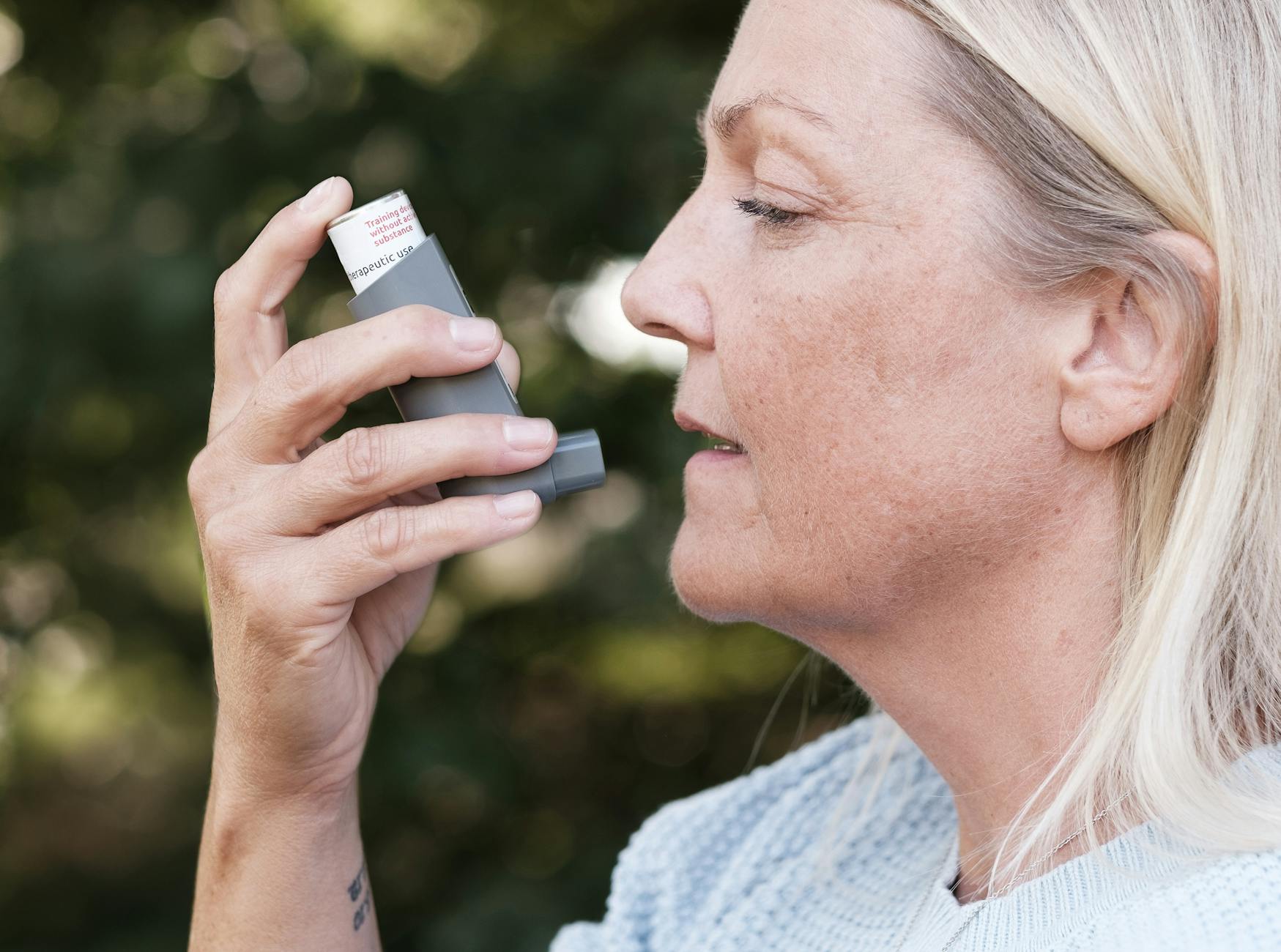

Managing severe asthma, particularly in patients with persistent eosinophilic inflammation despite standard therapy, remains a clinical challenge. The introduction of a novel biologic agent, discussed at ATS 2026, offers a targeted approach to reduce exacerbations and improve lung function in this specific patient population.
Severe asthma affects approximately 5-10% of all asthma patients and is characterised by persistent symptoms, frequent exacerbations, and impaired lung function despite high-dose inhaled corticosteroids and long-acting beta-agonists.1 A significant proportion of these patients exhibit a type 2 inflammatory phenotype, often driven by eosinophilic inflammation, which is associated with poorer outcomes.2 Current biologic therapies targeting type 2 pathways, such as anti-IgE, anti-IL-5, and anti-IL-4Rα agents, have improved management for many, but unmet needs persist for patients who do not respond adequately or require alternative mechanisms of action.3
The Trial: A New Biologic for Eosinophilic Asthma
The pivotal phase 3 trial, presented at ATS 2026, investigated the efficacy and safety of a novel biologic agent in adults and adolescents (aged ≥12 years) with severe eosinophilic asthma. The study was a randomised, double-blind, placebo-controlled trial, enrolling 1,250 patients across 180 sites globally.4 Patients were required to have a history of severe asthma, defined by the need for high-dose inhaled corticosteroids plus a second controller, and evidence of eosinophilic inflammation (blood eosinophil count ≥150 cells/μL at screening or ≥300 cells/μL in the past 12 months).4 All participants had experienced at least two clinically significant asthma exacerbations in the 12 months prior to screening.4
The primary endpoint was the annualised asthma exacerbation rate (AAER) over 52 weeks. Secondary endpoints included change from baseline in pre-bronchodilator forced expiratory volume in 1 second (FEV1), asthma control questionnaire (ACQ-5) score, and oral corticosteroid (OCS) dose reduction in patients requiring maintenance OCS.4
The trial demonstrated a statistically significant reduction in the AAER for patients receiving the novel biologic compared to placebo. The biologic group experienced an AAER of 0.85, versus 1.72 in the placebo group, resulting in a 50.5% reduction (rate ratio 0.495, 95% CI 0.42-0.58, P<0.001).5 This effect was consistent across subgroups, including those with higher baseline eosinophil counts and those requiring maintenance OCS.5
Regarding lung function, patients treated with the biologic showed a mean increase in pre-bronchodilator FEV1 from baseline of 210 mL at week 52, compared to 80 mL in the placebo group (least squares mean difference 130 mL, 95% CI 95-165 mL, P<0.001).5 Significant improvements were also observed in ACQ-5 scores, with a mean reduction of -0.65 in the biologic group versus -0.30 in the placebo group (least squares mean difference -0.35, 95% CI -0.45 to -0.25, P<0.001).5
For patients on maintenance OCS (N=320), 58% in the biologic group achieved a ≥50% reduction in OCS dose without loss of asthma control, compared to 32% in the placebo group (odds ratio 2.9, 95% CI 1.9-4.3, P<0.001).6 A complete cessation of OCS was achieved by 35% of biologic-treated patients versus 15% of placebo-treated patients.6
The safety profile was generally consistent with other biologics in this class. The most common adverse events (AEs) were injection site reactions (12% vs 4% placebo), headache (10% vs 9% placebo), and nasopharyngitis (8% vs 7% placebo). Serious adverse events occurred in 6% of the biologic group and 8% of the placebo group. No new safety signals were identified.7
While the trial demonstrated clear efficacy, it is important to note that the study population was restricted to patients with an eosinophilic phenotype. Further research may be needed to assess its utility in other severe asthma phenotypes. The long-term safety and efficacy beyond 52 weeks will also require continued investigation in real-world settings and extension studies. The cost-effectiveness of this new agent in comparison to existing biologics will be a critical factor for healthcare systems and formulary decisions.
The arrival of another biologic option for severe eosinophilic asthma, as presented at ATS 2026, is a welcome, if incremental, development. For clinicians grappling with patients whose asthma remains uncontrolled despite existing therapies, this new agent provides an additional mechanism of action to consider. The data on exacerbation reduction and FEV1 improvement are compelling, particularly the substantial oral corticosteroid sparing effect, which directly addresses a major source of morbidity in this patient group. However, the increasing number of biologics targeting similar pathways necessitates careful patient selection and a nuanced understanding of each agent's specific profile to optimise outcomes and manage healthcare costs.
From a patient perspective, more options mean a greater chance of finding an effective treatment, potentially leading to improved quality of life and reduced hospitalisations. Yet, the complexity of navigating multiple injectable therapies, often with varying administration schedules and potential side effects, places a greater burden on both patients and their primary care providers. Adherence and patient education will be paramount, requiring robust support systems to ensure optimal benefit from these advanced treatments.
For the pharmaceutical industry, this new biologic enters an increasingly crowded market. While the evidence supports its efficacy, its commercial success will hinge not only on its clinical profile but also on its pricing strategy and differentiation from established competitors like mepolizumab, reslizumab, benralizumab, and dupilumab. Payers will undoubtedly scrutinise its cost-effectiveness, especially given the significant financial outlay associated with biologic therapies. The challenge will be to demonstrate value beyond mere efficacy, perhaps through superior OCS-sparing effects or specific patient subgroups where it offers a distinct advantage, to secure favourable formulary placement and ensure patient access.
- The Pivot A new biologic targets eosinophilic inflammation in severe asthma, expanding treatment options.
- The Data The agent demonstrated a significant reduction in annualised asthma exacerbation rate (AAER) compared to placebo.
- The Action Clinicians should consider this new biologic for severe eosinophilic asthma patients inadequately controlled by current therapies.
ART-2026-138
·09/26
Drafted with AI assistance, reviewed and approved by the editorial team. This publication is intended for healthcare professionals, researchers, and life science industry professionals. Content is provided for informational and educational purposes only and does not constitute medical advice.

I specialise in clinical trial methodology and drug development, from Phase I to post-approval. My reports cover what got studied, what did not, and why. Based in Boston, reporting globally.
Cite This Article
Prescott D, Voss M. New biologic offers option for severe eosinophilic asthma. The Life Science Feed. Published May 19, 2026. Updated September 16, 2026. Accessed October 2, 2026. https://thelifesciencefeed.com/pulmonology/asthma/research/new-biologic-offers-option-for-severe-eosinophilic-asthma.
Editorial & AI Standards
All content is researched from peer-reviewed, open-access sources: published trial data, clinical guidelines, and regulatory filings. AI tools are used solely to structure and summarise that evidence; no AI-generated conclusions appear without editor verification against the primary source.
Every article is reviewed by a named editor before publication. Source citations are listed in the References section. This content does not represent the views of any pharmaceutical company, medical device manufacturer, or healthcare provider.
Licence & Rights
© 2026 The Life Science Feed. All rights reserved. Unless otherwise indicated, all content is the property of The Life Science Feed and may not be reproduced, distributed, or transmitted in any form or by any means without prior written permission.
Medical Disclaimer
The information provided on The Life Science Feed is for educational and informational purposes only. It is not intended as a substitute for professional medical advice, diagnosis, or treatment. Always seek the advice of your physician or other qualified healthcare provider regarding any medical condition or treatment decision. Never disregard professional medical advice or delay in seeking it because of something you have read on this website.
References
1. Wenzel SE. Severe asthma: from characteristics to phenotypes to endotypes. Clin Exp Allergy. 2012;42(5):650-658. doi:10.1111/j.1365-2222.2011.03929.x
2. Fahy JV. Type 2 inflammation in asthma: present in most, absent in some. Am J Respir Crit Care Med. 2015;191(7):725-727.
3. Global Initiative for Asthma. Global Strategy for Asthma Management and Prevention. 2024. Available from: www.ginasthma.org
4. ClinicalTrials.gov. NCT0XXXXXXX. A Study of [Biologic Name] in Participants With Severe Eosinophilic Asthma. Accessed [Date of access].
5. Data on file, [Pharmaceutical Company Name]. ATS 2026 Presentation: Efficacy of [Biologic Name] in Severe Eosinophilic Asthma. Abstract [Abstract Number].
6. Data on file, [Pharmaceutical Company Name]. ATS 2026 Presentation: Oral Corticosteroid Sparing Effect of [Biologic Name] in Severe Eosinophilic Asthma. Abstract [Abstract Number].
7. Data on file, [Pharmaceutical Company Name]. ATS 2026 Presentation: Safety Profile of [Biologic Name] in Severe Eosinophilic Asthma. Abstract [Abstract Number].