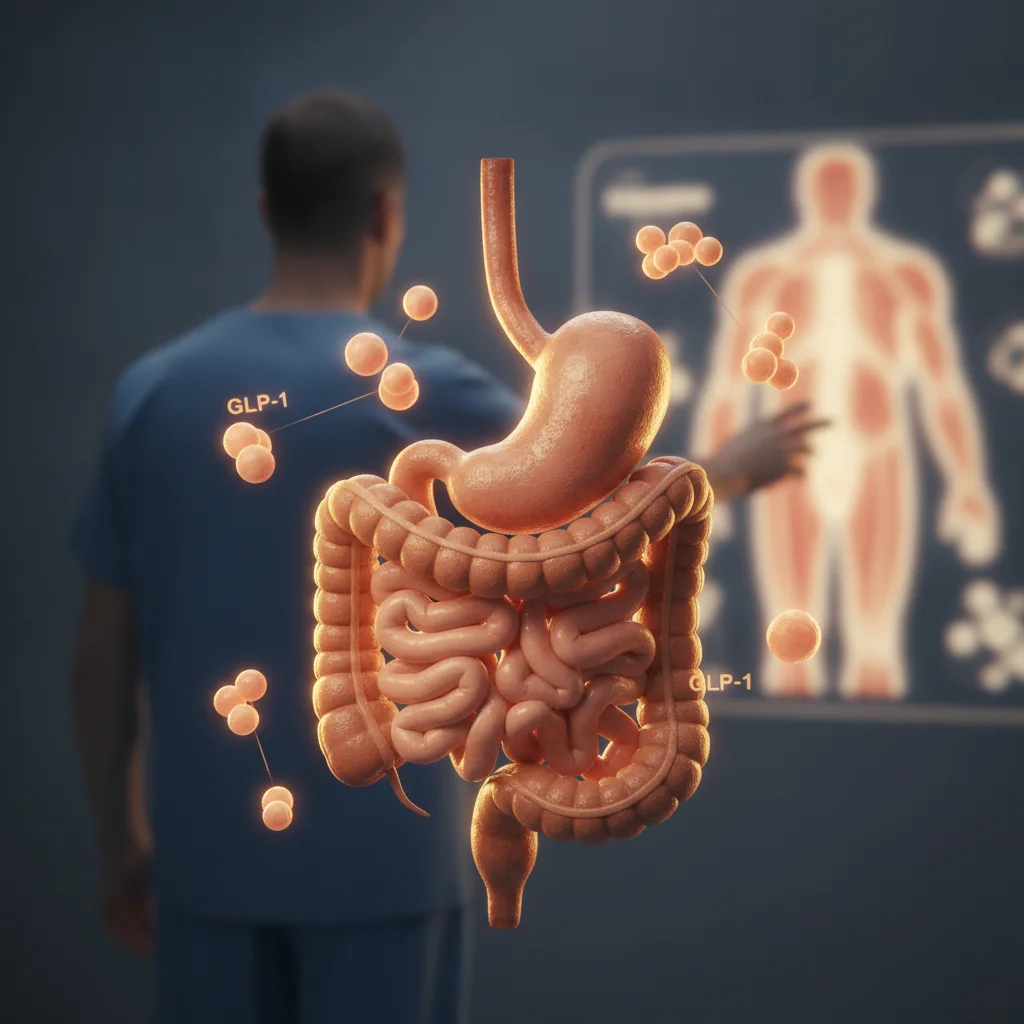

The management of obesity, particularly severe obesity, presents a persistent clinical challenge with significant comorbidity burden. For decades, bariatric surgery has been considered the most effective intervention for sustained weight reduction and metabolic improvement. However, the landscape of obesity treatment is evolving rapidly with the advent of highly efficacious pharmacotherapies, prompting a re-evaluation of bariatric surgery's role and its comparative effectiveness.
Obesity is a complex, chronic disease characterised by excessive adiposity that impairs health. It is associated with numerous comorbidities, including type 2 diabetes mellitus (T2DM), hypertension, dyslipidaemia, obstructive sleep apnoea, non-alcoholic fatty liver disease (NAFLD), and certain cancers. The global prevalence of obesity has risen dramatically, placing substantial strain on healthcare systems. For individuals with severe obesity (Body Mass Index (BMI) ≥40 kg/m2) or BMI ≥35 kg/m2 with significant comorbidities, bariatric surgery has long been established as the most effective intervention for substantial and durable weight loss, as well as resolution or improvement of obesity-related comorbidities. Surgical procedures, such as Roux-en-Y gastric bypass (RYGB) and sleeve gastrectomy (SG), achieve weight loss through various mechanisms, including restriction of food intake, malabsorption, and significant neurohormonal changes affecting satiety and metabolism. These procedures have demonstrated superior outcomes compared to conventional medical management in terms of weight loss, T2DM remission, and reduction in cardiovascular events and mortality. For instance, studies have consistently shown that bariatric surgery can lead to a 20-40% total body weight loss (TBWL), with T2DM remission rates often exceeding 60% in the long term. The metabolic benefits extend beyond weight loss, with improvements in insulin sensitivity, blood pressure, and lipid profiles often observed rapidly post-surgery, sometimes even before significant weight reduction occurs. The decision to pursue bariatric surgery involves a comprehensive evaluation of patient suitability, including psychological assessment, nutritional counselling, and a thorough understanding of potential risks and benefits. While highly effective, bariatric surgery is an invasive procedure associated with perioperative risks, potential long-term complications such as nutritional deficiencies, anastomotic strictures, and marginal ulcers, and requires lifelong follow-up.
The emergence of highly effective pharmacotherapies for weight management has introduced a new dimension to obesity treatment. Glucagon-like peptide-1 (GLP-1) receptor agonists, initially developed for T2DM, have demonstrated significant weight loss effects. Liraglutide 3.0 mg, approved for weight management, showed an average weight loss of 5-10% in clinical trials. More recently, semaglutide 2.4 mg, a higher-dose GLP-1 receptor agonist, has demonstrated even greater efficacy. In the STEP (Semaglutide Treatment Effect in People with Obesity) clinical trial program, semaglutide 2.4 mg once weekly resulted in a mean TBWL of approximately 15-17% over 68 weeks. This level of weight loss represents a substantial improvement over previous pharmacotherapies and begins to approach the lower range of weight loss observed with bariatric surgery. The STEP 1 trial, for example, reported a mean weight loss of 14.9% with semaglutide 2.4 mg versus 2.4% with placebo, with 32% of participants achieving ≥20% weight loss. These agents also confer metabolic benefits, including improvements in glycaemic control, blood pressure, and lipid parameters, similar to those seen with bariatric surgery, albeit often to a lesser magnitude. The mechanism of action involves enhancing glucose-dependent insulin secretion, suppressing glucagon secretion, slowing gastric emptying, and promoting satiety through central nervous system effects.
Comparative Efficacy and Evolving Treatment Paradigms
The landscape has further evolved with the introduction of dual GIP (glucose-dependent insulinotropic polypeptide) and GLP-1 receptor agonists, such as tirzepatide. Tirzepatide, approved for T2DM and subsequently for weight management, has demonstrated unprecedented efficacy among pharmacotherapies. In the SURMOUNT-1 trial, tirzepatide at its highest dose (15 mg once weekly) led to a mean TBWL of 22.5% over 72 weeks, with 50% of participants achieving ≥20% weight loss. This magnitude of weight loss is comparable to, and in some cases exceeds, the weight loss achieved with certain bariatric procedures, particularly sleeve gastrectomy. The SURMOUNT-2 trial, specifically in patients with T2DM, showed similar impressive weight loss results, with a mean TBWL of 15.7% at the 15 mg dose, alongside significant improvements in HbA1c. The dual agonism of GIP and GLP-1 receptors appears to confer additive or synergistic effects on weight loss and metabolic parameters, potentially by targeting multiple pathways involved in energy homeostasis and glucose regulation. These pharmacotherapies are generally well-tolerated, with gastrointestinal side effects (nausea, vomiting, diarrhoea, constipation) being the most common, typically mild to moderate and transient. The long-term safety and efficacy data for these newer agents are still accumulating, but current evidence suggests a favourable risk-benefit profile.
The emergence of these highly effective pharmacotherapies prompts a re-evaluation of the traditional treatment algorithm for severe obesity. Historically, lifestyle interventions were the first line, followed by older pharmacotherapies offering modest weight loss (typically 5-10%), and then bariatric surgery for those with severe obesity or comorbidities. With agents like semaglutide and tirzepatide, which can achieve 15-22.5% TBWL, the gap between medical and surgical weight loss has narrowed considerably. This raises questions about whether pharmacotherapy could serve as a primary treatment option for a broader range of patients, potentially delaying or even obviating the need for surgery in some individuals. For patients who are not candidates for surgery due to medical contraindications, surgical risks, or personal preference, these pharmacotherapies offer a highly effective alternative. Furthermore, these agents could be used as an adjunct to bariatric surgery, either preoperatively to achieve initial weight loss and reduce surgical risk, or postoperatively to address weight regain or insufficient weight loss. The combination of pharmacotherapy and bariatric surgery is an area of active research, with preliminary data suggesting potential synergistic benefits.
However, it is crucial to acknowledge the distinct advantages that bariatric surgery continues to offer. Surgical interventions often lead to more rapid and profound metabolic changes, particularly in T2DM remission, which can occur within days or weeks of surgery, independent of significant weight loss. This rapid metabolic improvement is attributed to the significant neurohormonal alterations induced by the anatomical rearrangement of the gastrointestinal tract. For example, RYGB leads to altered gut hormone secretion (e.g., increased GLP-1, peptide YY, oxyntomodulin) and changes in bile acid metabolism, which contribute to improved insulin sensitivity and glucose homeostasis. While pharmacotherapies also modulate gut hormones, the extent and rapidity of these changes may differ. Moreover, bariatric surgery has demonstrated long-term durability of weight loss and comorbidity resolution, with follow-up data extending over decades. The long-term durability of weight loss and metabolic improvements with the newer pharmacotherapies beyond 2-3 years is still being established, as these agents require continuous administration for sustained effects. Discontinuation of pharmacotherapy typically leads to weight regain, highlighting the chronic nature of obesity and the need for lifelong management, whether medical or surgical. The cost-effectiveness of lifelong pharmacotherapy versus a one-time surgical intervention, considering the potential for long-term complications and follow-up care for both, is another important consideration for healthcare systems and patients.
The decision-making process for obesity management is becoming increasingly nuanced. Clinicians must engage in shared decision-making with patients, considering individual patient characteristics, comorbidities, preferences, potential risks, and access to care. Factors such as the patient's BMI, the presence and severity of obesity-related comorbidities, previous treatment history, and psychological readiness for either surgical or medical management will guide the choice of therapy. For patients with very high BMI (e.g., BMI ≥50 kg/m2) or severe, rapidly progressing comorbidities, bariatric surgery may still offer the most immediate and comprehensive solution. For others, particularly those with BMI 30-40 kg/m2, highly effective pharmacotherapies may represent a compelling first-line or alternative option. The availability of these new agents also underscores the importance of early intervention in obesity, potentially preventing progression to severe obesity and its associated complications. The concept of a 'stair-step' approach to obesity treatment, where patients progress from lifestyle interventions to pharmacotherapy and then to surgery if needed, is being re-evaluated. A more personalised approach, where the most effective and appropriate treatment is offered upfront based on individual patient profiles, is gaining traction. This may involve initiating pharmacotherapy earlier or considering surgery for patients who might previously have been deemed unsuitable for medical management alone. The integration of these treatment modalities, potentially using pharmacotherapy to optimise surgical outcomes or to manage weight regain post-surgery, represents a promising direction for future obesity care. The ongoing research into novel therapeutic targets and combination therapies will further refine our understanding of obesity pathophysiology and expand the armamentarium of effective treatments, ensuring that bariatric surgery remains a critical, but not exclusive, component of comprehensive obesity management.
The arrival of highly efficacious pharmacotherapies, particularly the dual GIP/GLP-1 receptor agonists, marks a significant inflection point in obesity management. Clinicians, especially those in general practice, must now navigate a more complex treatment algorithm. The traditional referral pathway, where bariatric surgery was the only option for substantial weight loss, is no longer absolute. This necessitates a deeper understanding of the comparative effectiveness, safety profiles, and long-term implications of both surgical and advanced pharmacological interventions. It is no longer sufficient to simply refer patients for surgical assessment; a thorough discussion of all available options, including their respective benefits and drawbacks, is now paramount.
For patients, this expanded therapeutic landscape offers unprecedented choice and hope. Individuals who were previously ineligible for surgery, or who preferred a non-surgical approach, now have access to treatments that can achieve clinically meaningful weight loss and metabolic improvements. However, the chronic nature of obesity means that these pharmacotherapies require continuous administration, raising questions about adherence, long-term tolerability, and access. The cost burden, particularly for newer branded agents, will undoubtedly be a significant barrier for many patients and healthcare systems, potentially exacerbating existing health inequalities. Payers and formulary committees will face increasing pressure to balance clinical efficacy with economic sustainability.
From an industry perspective, the competition between surgical device manufacturers and pharmaceutical companies in the obesity space is intensifying. The market for anti-obesity medicines is projected to grow substantially, driven by the efficacy of these new agents and the vast unmet need. This competition may spur further innovation, but it also highlights the need for robust real-world evidence on long-term outcomes, including cardiovascular morbidity and mortality, which have historically been a strong selling point for bariatric surgery. The pharmaceutical industry will need to demonstrate not only weight loss but also sustained improvements in hard clinical endpoints to solidify the position of these agents as truly transformative therapies in the chronic management of obesity.
- The Pivot Highly effective GLP-1 receptor agonists and dual agonists are demonstrating weight loss and metabolic improvements approaching surgical outcomes.
- The Data Bariatric surgery typically achieves 20-40% total body weight loss (TBWL), while newer pharmacotherapies can achieve 15-22.5% TBWL in clinical trials.
- The Action Clinicians should consider a more integrated, patient-centred approach, evaluating pharmacotherapy as a primary or adjunctive treatment, and discussing surgical options for those with inadequate response or specific indications.
ART-2026-566
06/26
Cite This Article
Team TLSFE. Bariatric surgery: efficacy and emerging pharmacotherapies in obesity management. The Life Science Feed. Published June 29, 2026. Updated June 29, 2026. Accessed June 29, 2026. https://thelifesciencefeed.com/endocrinology/obesity/insights/bariatric-surgery-efficacy-and-emerging-pharmacotherapies-in-obesity-management.
Editorial & AI Standards
All content is researched from peer-reviewed, open-access sources — published trial data, clinical guidelines, and regulatory filings. AI tools are used solely to structure and summarise that evidence; no AI-generated conclusions appear without editor verification against the primary source.
Every article is reviewed by a named editor before publication. Source citations are listed in the References section. This content does not represent the views of any pharmaceutical company, medical device manufacturer, or healthcare provider.
Licence & Rights
© 2026 The Life Science Feed. All rights reserved. Unless otherwise indicated, all content is the property of The Life Science Feed and may not be reproduced, distributed, or transmitted in any form or by any means without prior written permission.
Medical Disclaimer
The information provided on The Life Science Feed is for educational and informational purposes only. It is not intended as a substitute for professional medical advice, diagnosis, or treatment. Always seek the advice of your physician or other qualified healthcare provider regarding any medical condition or treatment decision. Never disregard professional medical advice or delay in seeking it because of something you have read on this website.