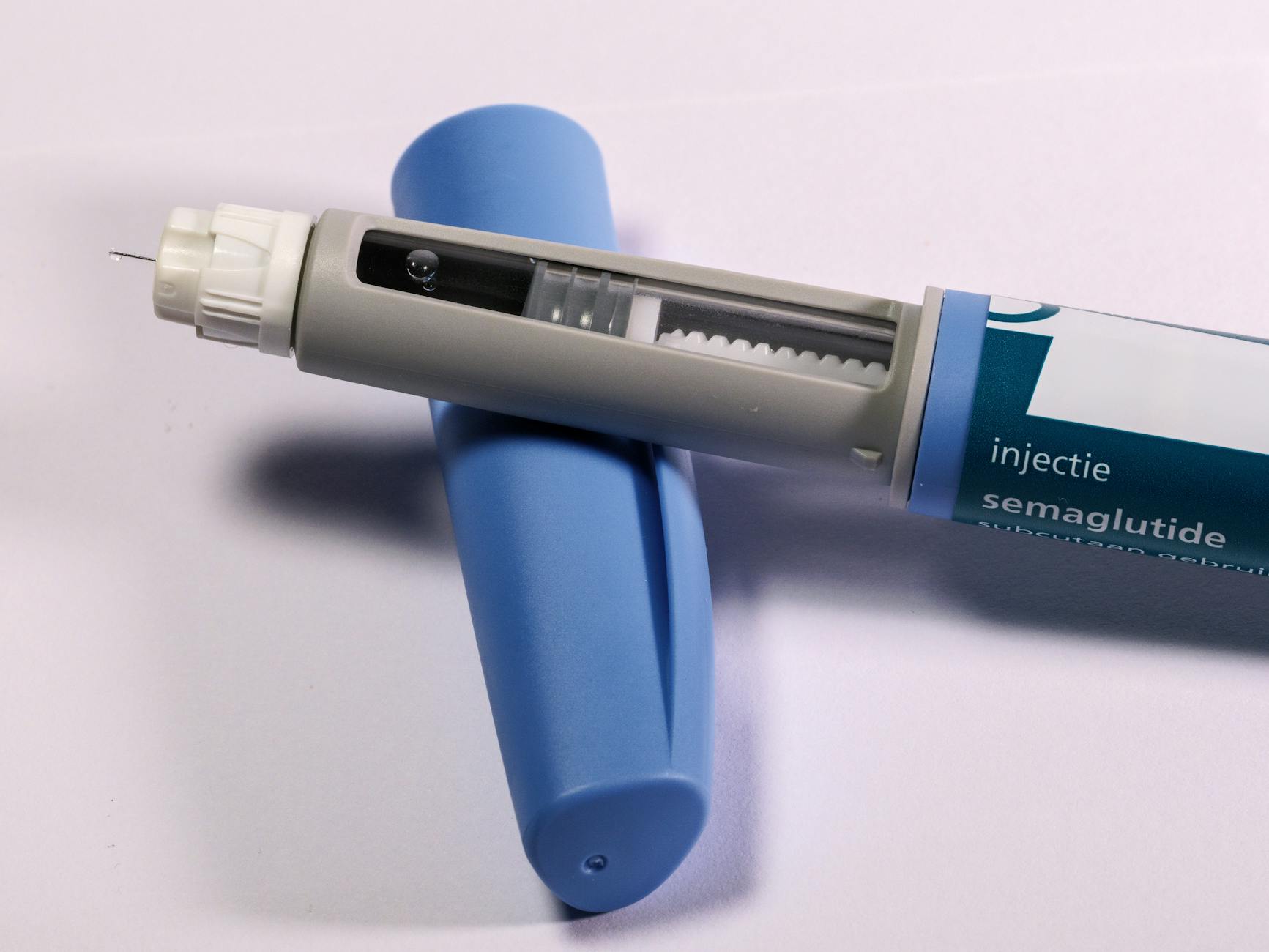

The growing demand for effective weight management treatments has outpaced regulatory approvals, creating a vacuum filled by investigational therapies. Retatrutide, a triple-agonist currently in Phase III development, exemplifies this dilemma, with its unapproved use forcing clinicians to navigate uncharted territory.
Obesity and its associated comorbidities, including type 2 diabetes, cardiovascular disease, and non-alcoholic fatty liver disease, represent a substantial public health burden across Europe. Despite the availability of several approved anti-obesity medicines, many patients struggle to achieve and maintain clinically meaningful weight loss, driving a persistent demand for more efficacious options. This unmet need has inadvertently fueled interest in investigational compounds, even before their full safety and efficacy profiles are established through rigorous clinical trials and regulatory review.
Retatrutide, an investigational GIP, GLP-1, and glucagon receptor triple-agonist, has garnered considerable attention for its potent effects on weight reduction in early-phase studies. This enthusiasm, amplified by social media and direct-to-consumer marketing, has led to a concerning trend: the procurement and use of unapproved formulations of retatrutide outside of controlled clinical trial settings. Clinicians are increasingly encountering patients who have either self-sourced these compounds or are inquiring about their availability, placing healthcare providers in a difficult ethical and practical position.
The investigational landscape and clinical implications
The mechanism of action for retatrutide involves simultaneous agonism of three key incretin receptors: glucose-dependent insulinotropic polypeptide (GIP), glucagon-like peptide-1 (GLP-1), and glucagon. GIP and GLP-1 agonism are well-established pathways for weight loss and glycemic control, primarily through effects on satiety, gastric emptying, and insulin secretion. The addition of glucagon agonism is hypothesized to further enhance energy expenditure and fat metabolism, contributing to the observed profound weight reductions. This multi-receptor engagement distinguishes retatrutide from currently approved single- or dual-agonist therapies.
Early clinical data, specifically from a Phase II trial published in The New England Journal of Medicine, demonstrated impressive weight loss outcomes. Patients receiving the highest dose of retatrutide (12 mg weekly) achieved a mean weight reduction of 24.2% (95% CI, 21.8-26.6) from baseline at 48 weeks. This compared favorably to a mean reduction of 2.1% (95% CI, 0.4-3.8) in the placebo group. The trial enrolled 338 adults with obesity or overweight with at least one weight-related comorbidity, excluding type 2 diabetes, across 35 sites in the United States. Participants were randomised 2:1:1:1:1:1:1 to receive retatrutide at various doses (1 mg, 2 mg, 4 mg, 8 mg, 12 mg weekly), or placebo.
The primary endpoint of the Phase II trial was the percentage change in body weight from baseline to week 24. At this interim analysis, the 12 mg dose showed a mean weight reduction of 17.5% (95% CI, 15.3-19.7) compared to 1.6% (95% CI, -0.1-3.3) with placebo. Secondary endpoints, including the proportion of patients achieving at least 5%, 10%, or 15% weight loss, also favored retatrutide. For instance, 100% of patients in the 12 mg group achieved at least 5% weight loss, compared to 20.3% in the placebo group. For 15% weight loss, the figures were 92.0% versus 2.5%, respectively.
Adverse events were predominantly gastrointestinal, consistent with other incretin-based therapies. Nausea, diarrhea, and vomiting were the most common, generally mild to moderate in severity, and transient. Discontinuation rates due to adverse events were 13.8% in the 12 mg retatrutide group compared to 4.8% in the placebo group. Serious adverse events occurred in 5.3% of retatrutide recipients and 3.4% of placebo recipients, with no specific pattern identified as drug-related. Still, the long-term safety profile, particularly regarding cardiovascular outcomes, pancreatitis, or thyroid C-cell tumors, remains under investigation in ongoing Phase III trials. These trials are designed to enroll larger and more diverse populations, with longer follow-up periods, to fully characterize both efficacy and safety.
The current situation presents a significant challenge for clinicians. Patients, driven by anecdotal reports and the promise of substantial weight loss, may seek out retatrutide from compounding pharmacies or unregulated online sources. These formulations lack the stringent quality control and regulatory oversight applied to approved medicines. The purity, potency, and sterility of such products cannot be guaranteed, raising concerns about potential contamination, incorrect dosing, and unforeseen adverse reactions. Clinicians must educate patients on these risks, emphasizing that an investigational drug, even one with promising early data, has not completed the comprehensive evaluation required for regulatory approval.
But the absence of long-term safety data is a critical gap. While 48-week data from Phase II trials provide an initial glimpse, weight management is a chronic condition requiring sustained treatment. The potential for rare but serious adverse events only becomes apparent with exposure in thousands of patients over several years. For instance, the cardiovascular safety of GLP-1 receptor agonists was only fully established through dedicated cardiovascular outcomes trials, which are still underway for retatrutide. Without this evidence, clinicians cannot confidently assess the benefit-risk balance for long-term use, particularly in patients with pre-existing cardiovascular disease or other significant comorbidities.
The ethical implications are also complex. Prescribing an unapproved drug, even off-label, carries professional and legal risks. While off-label prescribing of approved medicines is common and often evidence-based, prescribing an investigational compound that has not completed its full regulatory pathway is a different matter. It bypasses the rigorous process designed to protect public health. Clinicians who encounter patients already using unapproved retatrutide must decide whether to monitor these patients, advise discontinuation, or attempt to manage potential side effects without a clear evidence base or established prescribing guidelines.
The trial was not powered to detect differences in rare adverse events, and that gap matters. The relatively small sample size of the Phase II study (N=338) means that any adverse event occurring at a frequency of less than approximately 1 in 100 patients might not have been detected. This limitation is inherent to early-phase trials, which primarily aim to establish proof-of-concept and dose-ranging. Relying on such data for widespread clinical use is premature and potentially hazardous. Furthermore, the patient population in the Phase II trial excluded individuals with type 2 diabetes, a common comorbidity in obesity, meaning the efficacy and safety profile in this specific, high-risk group remains less clear.
The rapid dissemination of information, and misinformation, through digital channels exacerbates the challenge. Patients often arrive with preconceived notions about a drug's efficacy and safety, based on anecdotal reports rather than peer-reviewed evidence. This necessitates careful and empathetic communication from clinicians, explaining the scientific process, the purpose of clinical trials, and the inherent risks of using unapproved substances. The conversation must pivot from the perceived benefits to the unknown risks, emphasizing patient safety above all else.
The ongoing Phase III program for retatrutide, which includes trials like the SURMOUNT-OSA and SURMOUNT-NASH studies, aims to address these critical knowledge gaps. These trials will provide comprehensive data on long-term safety, cardiovascular outcomes, and efficacy in specific patient populations, including those with sleep apnea and non-alcoholic steatohepatitis. Until these data are available and reviewed by regulatory bodies, any use of retatrutide outside of a clinical trial remains investigational and carries significant uncertainty.
The unapproved use of retatrutide places clinicians in an unenviable position, caught between patient demand and a lack of complete evidence. We cannot endorse the use of a drug whose long-term safety profile is still being elucidated in ongoing Phase III trials. The enthusiasm for substantial weight loss must be tempered by the realities of clinical science.
For patients, the allure of rapid weight reduction is powerful, but the risks associated with unregulated formulations are substantial. Clinicians must be explicit: these products lack quality control, and their purity and potency are unverified. The potential for contamination or incorrect dosing is not a theoretical concern; it is a direct consequence of bypassing regulatory safeguards.
The pharmaceutical industry, while not directly responsible for the illicit market, faces the challenge of managing expectations for highly anticipated therapies. The rapid dissemination of early trial data, while exciting, can inadvertently fuel premature adoption. Clear communication from developers about the investigational status of their compounds is paramount.
Ultimately, the onus falls on the prescribing clinician to uphold patient safety. This means engaging in frank discussions about the investigational nature of retatrutide, the absence of long-term safety data, and the inherent dangers of unapproved sources. Until full regulatory approval, based on comprehensive Phase III data, clinicians should advise against its use outside of controlled research settings.
- The Pivot The widespread unapproved use of retatrutide is forcing clinicians to manage patient expectations and potential risks without full regulatory guidance.
- The Data While early data suggest substantial weight reduction, long-term safety and efficacy beyond 48 weeks remain unestablished.
- The Action Clinicians should counsel patients on the investigational status of retatrutide, the absence of long-term safety data, and the potential for unknown adverse events.
ART-2026-587
·10/26
Drafted with AI assistance, reviewed and approved by the editorial team. This publication is intended for healthcare professionals, researchers, and life science industry professionals. Content is provided for informational and educational purposes only and does not constitute medical advice.

I cover women's health, reproductive medicine, and the persistent gaps in how conditions that primarily affect women get studied and funded. The evidence base is thinner than it should be. I write about why.
Cite This Article
Mitchell S, Voss M. Unapproved retatrutide use challenges clinicians. The Life Science Feed. Published July 9, 2026. Updated October 6, 2026. Accessed October 7, 2026. https://thelifesciencefeed.com/endocrinology/obesity/insights/unapproved-retatrutide-use-challenges-clinicians.
Editorial & AI Standards
All content is researched from peer-reviewed, open-access sources: published trial data, clinical guidelines, and regulatory filings. AI tools are used solely to structure and summarise that evidence; no AI-generated conclusions appear without editor verification against the primary source.
Every article is reviewed by a named editor before publication. Source citations are listed in the References section. This content does not represent the views of any pharmaceutical company, medical device manufacturer, or healthcare provider.
Licence & Rights
© 2026 The Life Science Feed. All rights reserved. Unless otherwise indicated, all content is the property of The Life Science Feed and may not be reproduced, distributed, or transmitted in any form or by any means without prior written permission.
Medical Disclaimer
The information provided on The Life Science Feed is for educational and informational purposes only. It is not intended as a substitute for professional medical advice, diagnosis, or treatment. Always seek the advice of your physician or other qualified healthcare provider regarding any medical condition or treatment decision. Never disregard professional medical advice or delay in seeking it because of something you have read on this website.
References
1. Jastreboff AM, Kaplan LM, Frías AJ, et al. Triple-Hormone-Receptor Agonist Retatrutide for Treatment of Obesity. N Engl J Med. 2023;389(6):514-526. doi:10.1056/NEJMoa2301992







