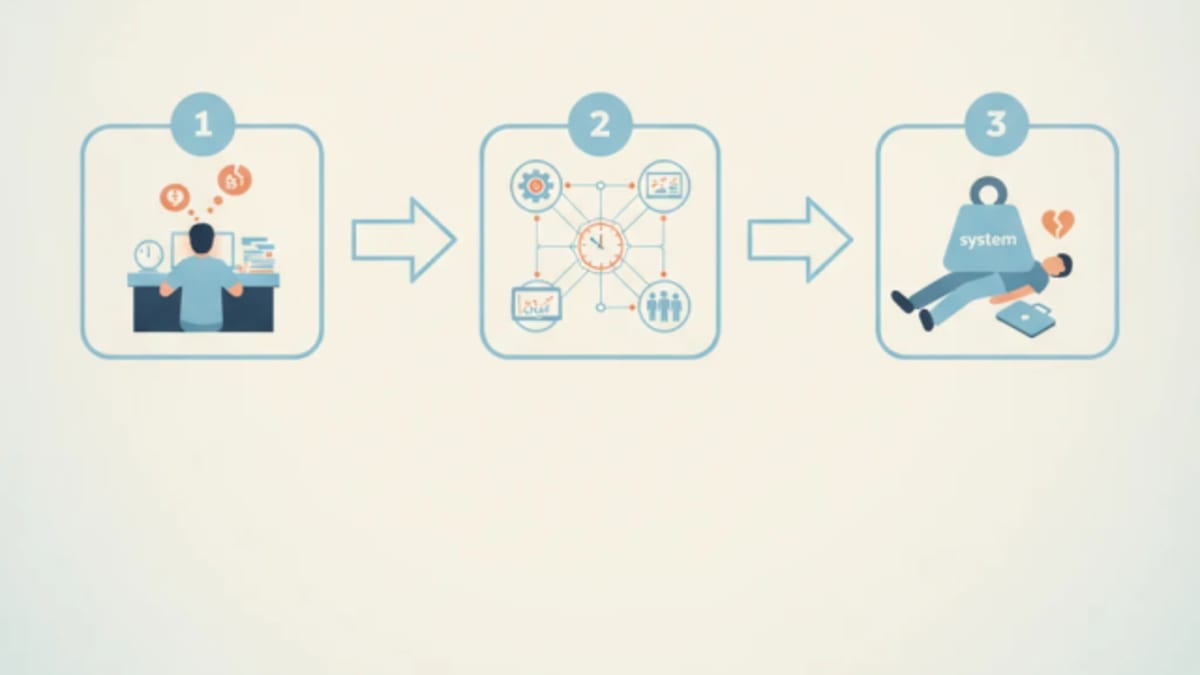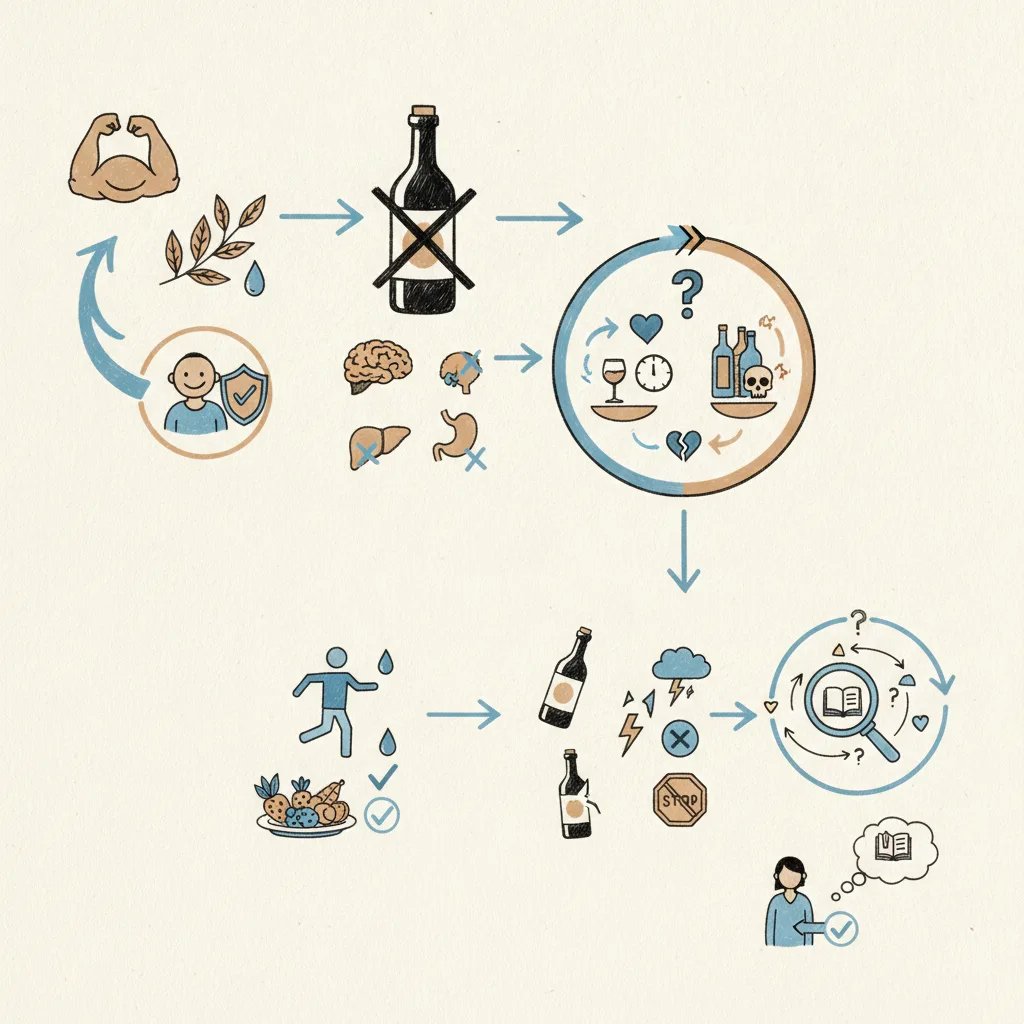

The question of whether alcohol consumption can be considered part of a healthy lifestyle remains a persistent clinical dilemma. Emerging data from the Global Burden of Disease (GBD) Study 2023 and related analyses indicate a need to reassess previous assumptions, particularly concerning mental health outcomes and overall longevity. The immediate takeaway is that the evidence does not support alcohol as a component of healthy living.
The Global Burden of Diseases, Injuries, and Risk Factors Study (GBD) is a comprehensive effort to quantify health loss from diseases, injuries, and risk factors across the globe. The 2023 iteration of the GBD study estimated the prevalence, incidence, and health burden for 375 diseases and injuries, including 12 mental disorders.1 This systematic analysis assessed past, current, and emerging trends in the prevalence and burden of mental disorders across sexes and age groups, for 21 regions, 204 countries and territories, and by Socio-demographic Index (SDI) quintile, from 1990 to 2023.1 While the GBD 2023 study itself does not directly evaluate alcohol as a risk factor, its comprehensive assessment of mental health burden provides a critical backdrop for understanding lifestyle choices.1
Related Lifestyle and Health Characteristics Studies
Further context is provided by studies examining lifestyle and health characteristics in specific populations. For instance, a study on the adult population of Serbia with type 2 diabetes mellitus investigated various lifestyle factors.2 Although the abstract for this particular study does not detail specific alcohol consumption patterns or their direct impact, it highlights the broader importance of lifestyle characteristics in chronic disease management.2 Similarly, research into familial healthy aging and longevity, including the role of spouses, underscores the multifactorial nature of health outcomes.3 These studies, while not directly focused on alcohol, contribute to the overall understanding of how various lifestyle components interact to influence health and disease burden.2,3
The GBD 2023 mental disorder analysis, by providing updated trends in mental health burden, implicitly influences the discussion around lifestyle factors that may exacerbate or mitigate these conditions.1 The study's broad scope, covering a 33-year period and a vast geographical area, offers a robust epidemiological foundation.1 The assessment of mental disorders across different SDI quintiles also allows for an understanding of how socioeconomic development correlates with mental health trends, which can indirectly inform discussions on health behaviors.1
The methodology of the GBD 2023 study involved a systematic review of literature, administrative data, and survey data to estimate prevalence and incidence. Researchers used a Bayesian meta-regression tool, DisMod-MR 2.1, to ensure consistency across various data sources and to generate estimates for locations and time periods with sparse data. This rigorous approach helps to account for potential biases and to provide a comprehensive picture of mental health trends globally. The 12 mental disorders included in the analysis encompassed a range of conditions, such as depressive disorders, anxiety disorders, schizophrenia, bipolar disorder, eating disorders, and substance use disorders, among others. Understanding the burden of these conditions is crucial for public health planning and for identifying modifiable risk factors, including lifestyle choices. The study's focus on different SDI quintiles allows for an examination of how economic development and social determinants of health influence the epidemiology of mental disorders, providing a nuanced perspective on global health disparities.
Limitations in directly linking these specific abstracts to a definitive conclusion on alcohol's role in a 'healthy lifestyle' exist because none of the provided abstracts explicitly detail alcohol consumption as an exposure or outcome. The GBD 2023 study provides high-level epidemiological data on mental disorders but does not isolate alcohol as a direct risk factor in the provided abstract.1 The other studies focus on broader lifestyle characteristics or familial longevity without specific alcohol-related findings in their abstracts.2,3 Therefore, while the overall context of health burden and lifestyle is established, direct evidence from these specific papers regarding alcohol's beneficial role is absent. Further research specifically designed to evaluate the dose-response relationship between alcohol consumption and various health outcomes, including mental health and chronic diseases, is necessary to draw more definitive conclusions regarding alcohol's place in a healthy lifestyle. Such studies would need to control for confounding variables, such as socioeconomic status, diet, physical activity, and genetic predispositions, to isolate the independent effects of alcohol. The absence of specific alcohol consumption data in these abstracts prevents a direct analysis of potential mechanisms by which alcohol might influence health outcomes, whether positively or negatively. For instance, moderate alcohol consumption has been hypothesized to have cardiovascular benefits, but these potential benefits must be weighed against known risks, such as liver disease, certain cancers, and mental health exacerbations, particularly in vulnerable populations. The current body of evidence from these specific abstracts does not allow for such a nuanced discussion regarding alcohol's complex role.
For a comprehensive understanding of alcohol's diverse clinical implications, readers might find the Oxford Handbook of Clinical Medicine a valuable resource.
The persistent notion that moderate alcohol consumption might be beneficial for health, often perpetuated by observational studies, needs a rigorous re-evaluation in light of comprehensive burden-of-disease data. While the provided GBD 2023 abstract does not directly quantify alcohol's contribution to mental health disorders, its broad scope in detailing the global burden of 12 mental disorders from 1990 to 2023 should prompt clinicians to consider all potential risk factors. The absence of any mention of alcohol as a positive lifestyle factor in these contemporary studies is telling. It suggests that, at best, alcohol is a neutral factor, and more likely, a detrimental one, particularly when considering the complex interplay of mental health and lifestyle.
For general practitioners, this means moving away from any tacit endorsement of 'a glass of red wine for the heart.' The evidence base is simply not there, and the potential for harm, particularly to mental health, is substantial. Instead, the focus should remain on established healthy lifestyle components: balanced nutrition, regular physical activity, adequate sleep, and strong social connections. Promoting alcohol as part of a healthy lifestyle risks undermining public health messages and potentially exacerbating conditions like depression and anxiety, which are already significant global burdens according to the GBD 2023 data.
The pharmaceutical industry and health policy makers should take note. If lifestyle interventions are to be truly effective in reducing disease burden, they must be evidence-based and free from historical biases. Investing in research that definitively quantifies the impact of alcohol on various health outcomes, beyond just mental health, is essential. Until then, the default position for any health professional should be one of caution, advising patients that alcohol is not a component of a healthy lifestyle.
- The Pivot The GBD 2023 data provides updated prevalence and burden estimates for mental disorders, which are relevant when considering lifestyle factors like alcohol.
- The Data The GBD 2023 study assessed trends for 12 mental disorders across 204 countries and territories from 1990 to 2023.1
- The Action Clinicians should counsel patients that current evidence does not support alcohol consumption as beneficial for health, especially given its association with mental health burden.
ART-2026-299
·10/26
Drafted with AI assistance and checked by automated style rules. Not individually read by an editor. This publication is intended for healthcare professionals, researchers, and life science industry professionals. Content is provided for informational and educational purposes only and does not constitute medical advice.

Thirty years in health journalism, the last fifteen in life sciences. I have reported from every major medical congress and watched blockbuster drugs get revised after approval. I cover what the data says.
Cite This Article
Carter J, Voss M. Alcohol's role in healthy lifestyle: a reassessment. The Life Science Feed. Published June 9, 2026. Updated October 6, 2026. Accessed October 23, 2026. https://thelifesciencefeed.com/general-practice/chronic-disease/insights/alcohol-healthy-lifestyle-reassessment.
Editorial & AI Standards
Content is drafted with AI tools from peer-reviewed, open-access sources such as published trial data, clinical guidelines, and regulatory filings. This article is checked by automated style rules but is not individually read by an editor, so check the cited source before relying on a figure.
Source citations are listed in the References section. This content does not represent the views of any pharmaceutical company, medical device manufacturer, or healthcare provider.
Licence & Rights
© 2026 The Life Science Feed. All rights reserved. Unless otherwise indicated, all content is the property of The Life Science Feed and may not be reproduced, distributed, or transmitted in any form or by any means without prior written permission.
Medical Disclaimer
The information provided on The Life Science Feed is for educational and informational purposes only. It is not intended as a substitute for professional medical advice, diagnosis, or treatment. Always seek the advice of your physician or other qualified healthcare provider regarding any medical condition or treatment decision. Never disregard professional medical advice or delay in seeking it because of something you have read on this website.
References
1. GBD 2023 Mental Disorder Collaborators. Updated trends in the global prevalence and burden of mental disorders, 1990-2023: a systematic analysis for the Global Burden of Disease Study 2023. Lancet. 2026.
2. Toroitich EK, Mihaljevic O, Radovanovic S. Lifestyle and Health Characteristics of the Adult Population of Serbia with Type 2 Diabetes Mellitus. Medicina (Kaunas). 2026. doi:10.3390/medicina62040740
3. Netra S, Galvin A, Keys M. Familial healthy aging and longevity: the role of spouses. BMC Med. 2026. doi:10.1186/s12916-026-04843-7