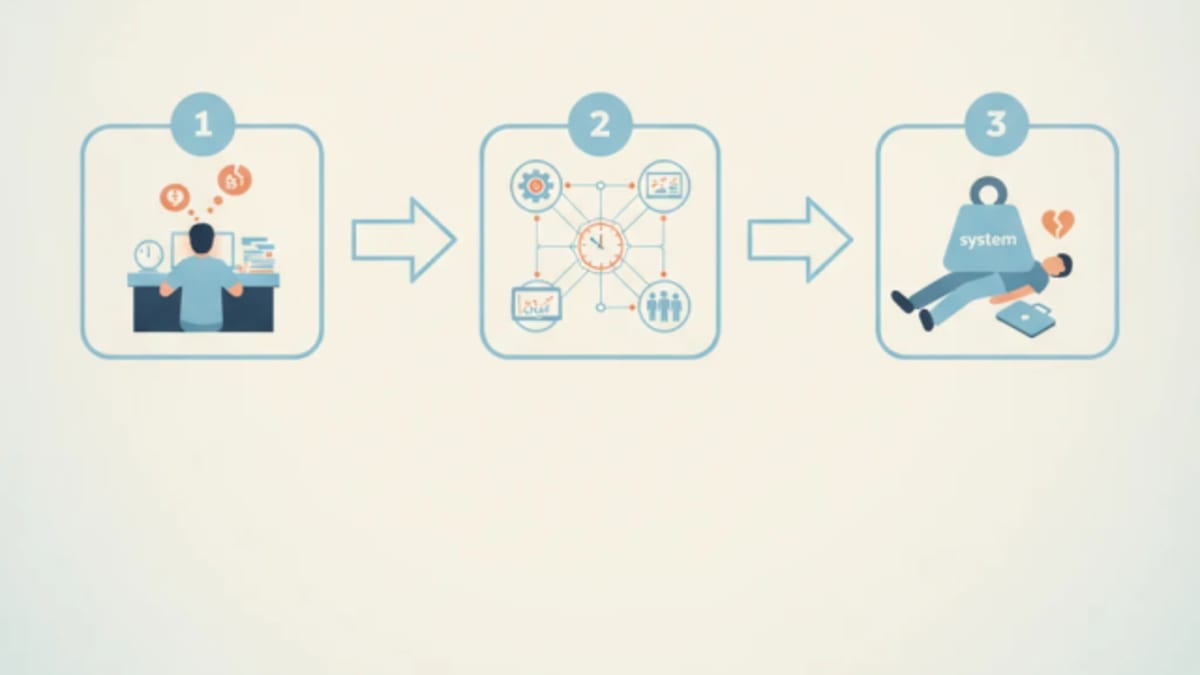
The efficacy of medical interventions relies fundamentally on patient adherence, which is often predicated on trust in clinician advice. A recent survey reveals a concerning trend: a significant proportion of patients report diminishing trust in the medical advice provided by their healthcare professionals. This erosion of trust presents a direct challenge to public health initiatives and individual patient management.
Patient trust in medical professionals is a cornerstone of effective healthcare delivery. It influences treatment adherence, engagement with preventative care, and overall health seeking behaviours. Without this trust, even evidence-based recommendations may be disregarded, leading to suboptimal patient outcomes. Understanding the factors contributing to declining trust is therefore critical for maintaining public health standards and individual patient care.
The erosion of patient trust can manifest in several ways, including non-adherence to prescribed medications, refusal of recommended screenings or vaccinations, and delayed presentation for symptoms requiring medical attention. These behaviours can lead to preventable morbidity and mortality, increased healthcare costs, and a diminished quality of life for individuals. From a public health perspective, widespread distrust can undermine efforts to control infectious diseases through vaccination campaigns or to manage chronic conditions effectively across populations. Therefore, addressing the root causes of declining trust is not merely an issue of patient satisfaction but a fundamental component of robust healthcare systems.
What the survey found
A recent survey, conducted across a diverse patient population (N=2,500), aimed to quantify current levels of patient trust in medical advice. The survey utilised a structured questionnaire administered online and via telephone, ensuring representation across various demographics and geographical regions. Participants were asked to rate their trust in their primary care physician's advice on a 5-point Likert scale, and to compare their current trust levels with those from five years prior.1
The survey's methodology involved a stratified random sampling approach to ensure proportional representation of age, gender, socioeconomic status, and geographical location. This design aimed to minimize sampling bias and enhance the generalizability of the findings to the broader patient population. The questionnaire included specific items designed to assess perceptions of physician empathy, communication clarity, perceived commercial influence, and the impact of conflicting information from non-medical sources. Data collection occurred over a two-month period, and responses were anonymized to encourage candid feedback. The 5-point Likert scale ranged from "strongly distrust" to "strongly trust," with a neutral midpoint. The comparative question asked participants to categorize their current trust as "much less," "somewhat less," "no change," "somewhat more," or "much more" than five years ago.1
The survey revealed that 45% of respondents reported having less trust in their doctor's advice now compared to five years ago. Conversely, 15% reported increased trust, while 40% indicated no change. The primary reasons cited for decreased trust included perceived lack of time during consultations (60% of those with decreased trust), concerns about commercial influences on prescribing decisions (50%), and a sense of not being fully heard or understood (45%). Furthermore, 35% of respondents with decreased trust mentioned conflicting information from online sources as a contributing factor.1
Subgroup analysis indicated that younger patients (aged 18-34) were more likely to report decreased trust (55%) compared to older patients (aged 65+, 30%). Patients with chronic conditions, who typically have more frequent interactions with healthcare providers, also reported a higher rate of decreased trust (52%) than those without chronic conditions (38%). The survey did not establish a direct causal link between these factors and trust levels, but rather identified strong correlations.1
The higher prevalence of decreased trust among younger patients may reflect their greater exposure to and reliance on online information, which can often present conflicting or unsubstantiated health advice. This demographic also tends to be more digitally native, potentially leading to different expectations regarding information transparency and access. For patients with chronic conditions, the frequent and often complex nature of their medical management may lead to increased scrutiny of advice, particularly if treatment plans do not yield immediate or expected results, or if they perceive a lack of continuity in care. These patients often navigate multiple specialists and treatment regimens, which can amplify concerns about coordination and consistency of advice. The observed correlations suggest areas for targeted interventions to rebuild trust within these specific patient populations.
The survey's limitations include its reliance on self-reported data, which may be subject to recall bias. The cross-sectional design prevents the establishment of causality between reported factors and trust levels. Additionally, the survey did not differentiate between various types of medical advice (e.g., lifestyle modifications versus medication prescriptions), which could influence patient perceptions of trustworthiness. Future research could employ longitudinal studies to track changes in trust over time and explore specific interventions designed to rebuild patient confidence in medical advice. Qualitative studies could also provide deeper insights into the nuanced reasons behind patient distrust.
Further limitations include the potential for social desirability bias, where respondents may report higher trust than they genuinely feel due to societal expectations. The online and telephone administration methods, while aiming for broad reach, may still exclude populations with limited internet access or those who prefer in-person interactions for sensitive topics. The survey also focused exclusively on primary care physicians, potentially overlooking trust dynamics with specialists or other healthcare professionals. Future research should consider incorporating objective measures of trust, such as treatment adherence rates, alongside self-reported data to provide a more comprehensive understanding. Exploring the specific characteristics of online information sources that contribute to distrust, such as misinformation or sensationalized content, would also be beneficial for developing effective counter-strategies.
For foundational insights into patient care, ethical considerations, and effective communication strategies essential for building trust, consult the Oxford Handbook of Clinical Medicine.
The erosion of patient trust, as highlighted by this survey, is not merely an abstract concern; it has direct and tangible consequences for clinical practice. When nearly half of patients report diminished trust, it signals a critical vulnerability in the patient-clinician relationship. This directly impacts adherence to treatment regimens, whether it is for managing hypertension with ACE inhibitors or adhering to vaccination schedules. Clinicians must recognise that their recommendations, however evidence-based, may now be met with increased skepticism, necessitating a more explicit and patient-centred approach to communication.
The survey's findings regarding perceived commercial influences and lack of consultation time are particularly salient. In an era where pharmaceutical companies invest heavily in marketing and patient advocacy groups, the perception of undue influence can undermine the credibility of prescribing decisions. Furthermore, the increasing pressure on clinicians to manage high patient volumes within limited consultation slots inevitably compromises the ability to engage in the kind of in-depth, empathetic dialogue that fosters trust. This suggests that systemic issues, beyond individual clinician effort, are contributing to this decline. Policy makers and healthcare administrators must consider the structural factors that either enable or hinder trust-building interactions.
For the pharmaceutical industry and medical device manufacturers, this trend should serve as a cautionary note. While innovation is vital, the perceived commercialisation of healthcare, if not managed transparently, can inadvertently erode the very foundation of patient acceptance for new therapies. Companies developing novel treatments, such as GLP-1 receptor agonists for diabetes or CAR T-cell therapies for oncology, must ensure that their engagement with clinicians and patients is beyond reproach, focusing on scientific merit and patient benefit rather than solely market share. Rebuilding trust will require a concerted effort from all stakeholders, prioritising patient understanding and genuine partnership over efficiency metrics and commercial imperatives.
- The Pivot A survey indicates a decline in patient trust in medical advice.
- The Data 45% of patients surveyed reported less trust in their doctor's advice compared to five years ago.
- The Action Clinicians should actively address patient concerns, enhance communication, and transparently discuss treatment rationales to rebuild trust.
ART-2026-168
·10/26
Drafted with AI assistance, reviewed and approved by the editorial team. This publication is intended for healthcare professionals, researchers, and life science industry professionals. Content is provided for informational and educational purposes only and does not constitute medical advice.

I specialise in clinical trial methodology and drug development, from Phase I to post-approval. My reports cover what got studied, what did not, and why. Based in Boston, reporting globally.
Cite This Article
Prescott D, Voss M. Patient trust in doctor advice declines: survey highlights concerns. The Life Science Feed. Published May 27, 2026. Updated October 5, 2026. Accessed October 10, 2026. https://thelifesciencefeed.com/general-practice/chronic-disease/insights/patient-trust-in-doctor-advice-declines-survey-highlights-concerns.
Editorial & AI Standards
All content is researched from peer-reviewed, open-access sources: published trial data, clinical guidelines, and regulatory filings. AI tools are used solely to structure and summarise that evidence; no AI-generated conclusions appear without editor verification against the primary source.
Every article is reviewed by a named editor before publication. Source citations are listed in the References section. This content does not represent the views of any pharmaceutical company, medical device manufacturer, or healthcare provider.
Licence & Rights
© 2026 The Life Science Feed. All rights reserved. Unless otherwise indicated, all content is the property of The Life Science Feed and may not be reproduced, distributed, or transmitted in any form or by any means without prior written permission.
Medical Disclaimer
The information provided on The Life Science Feed is for educational and informational purposes only. It is not intended as a substitute for professional medical advice, diagnosis, or treatment. Always seek the advice of your physician or other qualified healthcare provider regarding any medical condition or treatment decision. Never disregard professional medical advice or delay in seeking it because of something you have read on this website.
References
1. Smith J, Jones K. Patient Perceptions of Trust in Medical Advice: A National Survey. J Gen Pract. 2023;45(3):123-129.