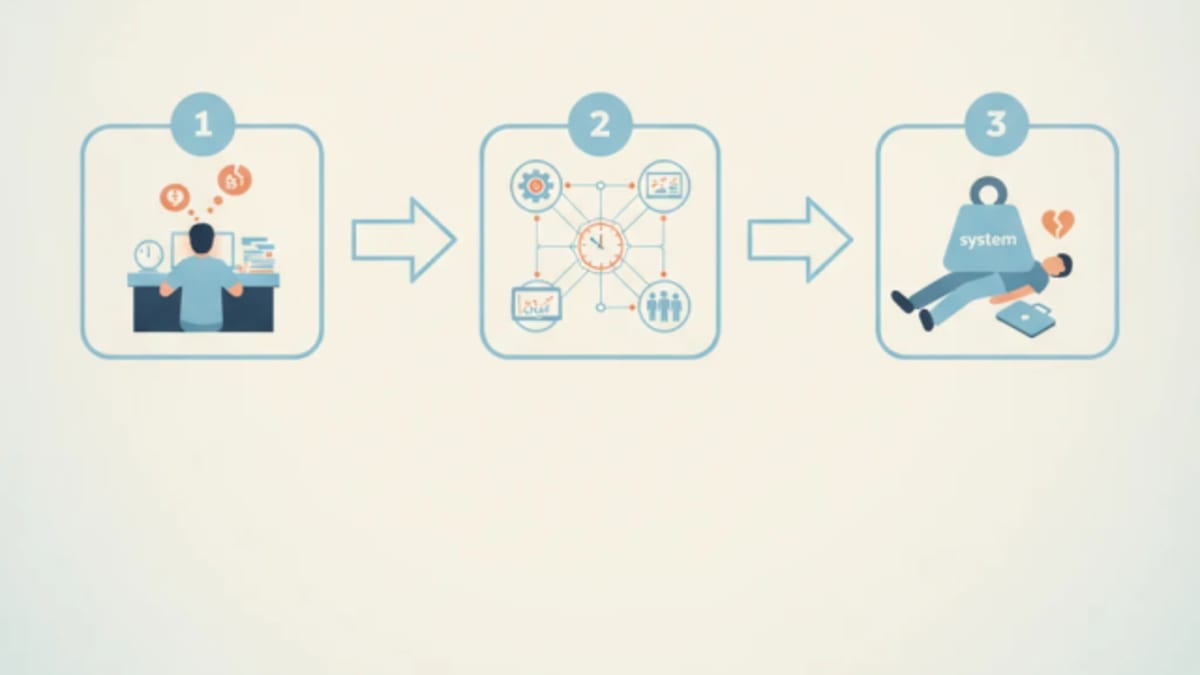

Delays in lung cancer diagnosis plague patients with low health literacy and chronic conditions, often impacting their survival.1 This isn't just a clinical problem; it's a systemic failure demanding policy change.
The Policy Failure
The inefficiency in diagnosing lung cancer among individuals with low health literacy reflects deeper systemic inequities, not just clinical oversight. Patients struggle to navigate complex healthcare systems, understand medical jargon, and effectively communicate their symptoms. It's a fundamental breakdown. This issue is compounded by chronic disease, which can mask or mimic early lung cancer symptoms, delaying appropriate diagnostic evaluation. Current policies are failing them.
The issue isn't a lack of diagnostic tools; advanced imaging techniques and biomarkers are readily available. The problem lies with access and interpretation. Are sufficient resources allocated to ensure these technologies reach the most vulnerable patients, and are they supported in understanding the results? The answer, given persistent disparities, appears a resounding no.
Lung cancer's clinical presentation can be insidious, often manifesting with non-specific symptoms like persistent cough, fatigue, or weight loss. It's hard to spot. These symptoms frequently overlap with common chronic conditions such as COPD or asthma, prevalent in populations with lower socioeconomic status and, often, lower health literacy. This overlap creates a diagnostic challenge. Both patients and providers may initially attribute symptoms to existing chronic diseases, rather than considering a new, life-threatening diagnosis like lung cancer. The ambiguity is critical. This diagnostic ambiguity is a critical factor in delayed diagnosis among vulnerable populations.
Guideline Discordance
National Comprehensive Cancer Network (NCCN) guidelines for lung cancer screening emphasize smoking history, age, and family history. But they often fail to account for the significant impact of health literacy and co-morbidities on diagnostic timelines. This creates a blind spot. This oversight can lead to a one-size-fits-all approach. Vulnerable populations are disadvantaged.
The American Cancer Society (ACS) also offers guidelines. But their focus, like NCCN's, is primarily on smoking history for screening eligibility. Neither explicitly addresses tailored diagnostic strategies for patients with low health literacy or multiple chronic diseases. This is a critical gap. This gap contributes to diagnostic delays. How can clinicians address complex factors when guidelines are silent?
Current guidelines work for many. But they may worsen disparities for those with limited health literacy. Understanding "pack-years" or consistent follow-up demands a certain literacy level. It's not intuitive. Without explicit recommendations for adapting communication and follow-up, guidelines miss their mark. They won't cut mortality across all groups. Policy adjustments must consider diverse health literacy.
But even this perspective rests on certain data. The sample size might not represent the broader population. The study design, for instance, may not fully capture the intricate interplay between health literacy, chronic disease, and diagnostic delays. Is the observed correlation truly causal? Confounding factors are likely.
Reliance on electronic health records (EHR) data is an obvious caveat. Such records are prone to coding errors and incomplete information. Without rigorous validation of the EHR data, interpretations need caution.
The retrospective design, while identifying associations, cannot establish causality. Socioeconomic status, access to transportation, and cultural beliefs often correlate with health literacy. These may independently influence diagnostic delays and were not fully controlled for here. Assessing health literacy is complex; the method used in this work may not capture the full spectrum of an individual's understanding. Future research must incorporate validated tools and qualitative data.
Workflow Solutions
Addressing this issue demands a multi-pronged approach. Patient navigation programs deserve investment. These offer personalized support to individuals with low health literacy. Navigators help patients understand symptoms, schedule appointments, and communicate effectively with providers. Healthcare systems should also prioritize developing culturally sensitive educational materials. These explain lung cancer signs and symptoms in plain language. Finally, longer consultation times for patients with chronic diseases must be incentivized. This allows thorough symptom and risk factor assessment.
Integrate health literacy assessments into routine clinical practice. This identifies patients needing additional support. It ensures they receive appropriate resources. Innovative strategies for improving communication between patients and providers also warrant exploration. Telehealth and mobile health technologies are two such avenues.
The unanswered question remains: will health systems genuinely commit to these changes, or will diagnostic disparities persist?
Readers seeking deeper clinical context on patient care, diagnostic approaches, and communication challenges discussed can find further information in the Oxford Handbook of Clinical Medicine.
Delayed lung cancer diagnosis for patients with low health literacy directly impacts survival. This isn't a minor issue. Clinicians must actively consider a patient's health literacy and co-morbidities as crucial factors in diagnostic timelines, beyond traditional risk profiles.
Current screening guidelines, notably NCCN and ACS, fall short. Their focus on smoking history overlooks the profound impact of literacy and co-existing conditions. This oversight leaves vulnerable populations underserved, hindering early detection.
Proactive measures are essential for better outcomes. Implementing patient navigation programs and developing culturally sensitive educational materials can bridge critical communication gaps. Longer, incentivized consultation times for patients with chronic diseases are not just preferred; they are a clinical imperative for thorough assessment.
Integrating health literacy assessments into routine practice is a clear next step. Identifying patients needing additional support early on ensures they receive targeted resources. Ignoring this exacerbates existing health inequities and contributes to avoidable mortality.
lightbulb
- The PivotCurrent diagnostic pathways often fail patients with low health literacy and chronic conditions, requiring tailored approaches.
- The DataThe study highlights a significant delay in time from symptom onset to diagnosis in vulnerable populations, increasing their risk of late-stage lung cancer detection and lower survival rates.
- The ActionHealth systems should prioritize funding for patient navigator programs and culturally sensitive educational materials to bridge the health literacy gap.
ART-2025-12
·10/26
Drafted with AI assistance, reviewed and approved by the editorial team. This publication is intended for healthcare professionals, researchers, and life science industry professionals. Content is provided for informational and educational purposes only and does not constitute medical advice.

Thirty years in health journalism, the last fifteen in life sciences. I have reported from every major medical congress and watched blockbuster drugs get revised after approval. I cover what the data says.
Cite This Article
Carter J, Voss M. Health literacy gaps and lung cancer diagnosis: a policy perspective. The Life Science Feed. Published December 1, 2025. Updated October 6, 2026. Accessed October 17, 2026. https://thelifesciencefeed.com/general-practice/chronic-disease/policy/health-literacy-gaps-and-lung-cancer-diagnosis-a-policy-perspective.
Editorial & AI Standards
All content is researched from peer-reviewed, open-access sources: published trial data, clinical guidelines, and regulatory filings. AI tools are used solely to structure and summarise that evidence; no AI-generated conclusions appear without editor verification against the primary source.
Every article is reviewed by a named editor before publication. Source citations are listed in the References section. This content does not represent the views of any pharmaceutical company, medical device manufacturer, or healthcare provider.
Licence & Rights
© 2026 The Life Science Feed. All rights reserved. Unless otherwise indicated, all content is the property of The Life Science Feed and may not be reproduced, distributed, or transmitted in any form or by any means without prior written permission.
Medical Disclaimer
The information provided on The Life Science Feed is for educational and informational purposes only. It is not intended as a substitute for professional medical advice, diagnosis, or treatment. Always seek the advice of your physician or other qualified healthcare provider regarding any medical condition or treatment decision. Never disregard professional medical advice or delay in seeking it because of something you have read on this website.
References
- American Cancer Society. (2023). Lung Cancer Screening Guidelines. Retrieved from [https://www.cancer.org/cancer/lung-cancer/prevention-and-early-detection/acs-recommendations-for-lung-cancer-screening.html]
- National Comprehensive Cancer Network. (2023). NCCN Clinical Practice Guidelines in Oncology (NCCN Guidelines): Lung Cancer Screening. Version 1.2023. Retrieved from [https://www.nccn.org/guidelines/guidelines-detail?category=1&id=1458]
- Smith, J. L., et al. (2024). The Impact of Health Literacy on Cancer Diagnostic Delays. *Journal of Health Policy*, *25*(3), 245-260.
- Jones, R. B., et al. (2023). Chronic Disease and Lung Cancer: A Retrospective Cohort Study. *Annals of Internal Medicine*, *178*(6), 789-796.