
Loading articles...

Sporotrichosis is increasingly straining healthcare resources in Northeast Brazil, particularly in Pernambuco. Urgent policy changes are needed to prioritize this now-notable disease and implement effective surveillance and control measures.

A case study of Yekatit 12 Hospital Medical College highlights the hurdles in implementing electronic medical records (EMRs). The findings underscore the necessity for robust government support and standardized technical frameworks to achieve effective digi...

Achieving 'normalization' in hemophilia care, while improving patient outcomes, introduces substantial financial burdens on healthcare systems. Payers must grapple with the high costs of novel therapies and ensure equitable access.

Patients with low health literacy and chronic conditions face significant delays in lung cancer diagnosis, impacting survival. Health systems must address these disparities through targeted interventions and policy changes to improve early detection and out...

A new analysis highlights the complex interplay of cardio-kidney-metabolic (CKM) risk factors in patients with atrial fibrillation, underscoring the need for integrated care models. The study points to significant policy and reimbursement challenges in esta...

Newborn screening for non-SCID T-cell lymphopenia flags a significant number of infants, but the long-term clinical impact remains unclear, leading to potential over-testing and resource strain. A Swiss cohort study highlights the complexities of managing t...

Musculoskeletal disorders (MSDs) represent a significant, often underestimated drain on national economies. A failure to implement proactive public health and occupational safety policies will predictably suppress national productivity and strain healthcare...

Integrating ketamine-assisted psychotherapy into palliative care requires significant infrastructure changes to address regulatory and reimbursement gaps. Palliative care programs face challenges in securing adequate resources and training to safely and eff...

Opportunistic osteoporosis screening using cranial CT scans could identify more patients at risk of major osteoporotic fractures. However, widespread implementation faces hurdles including medico-legal considerations and reimbursement complexities.
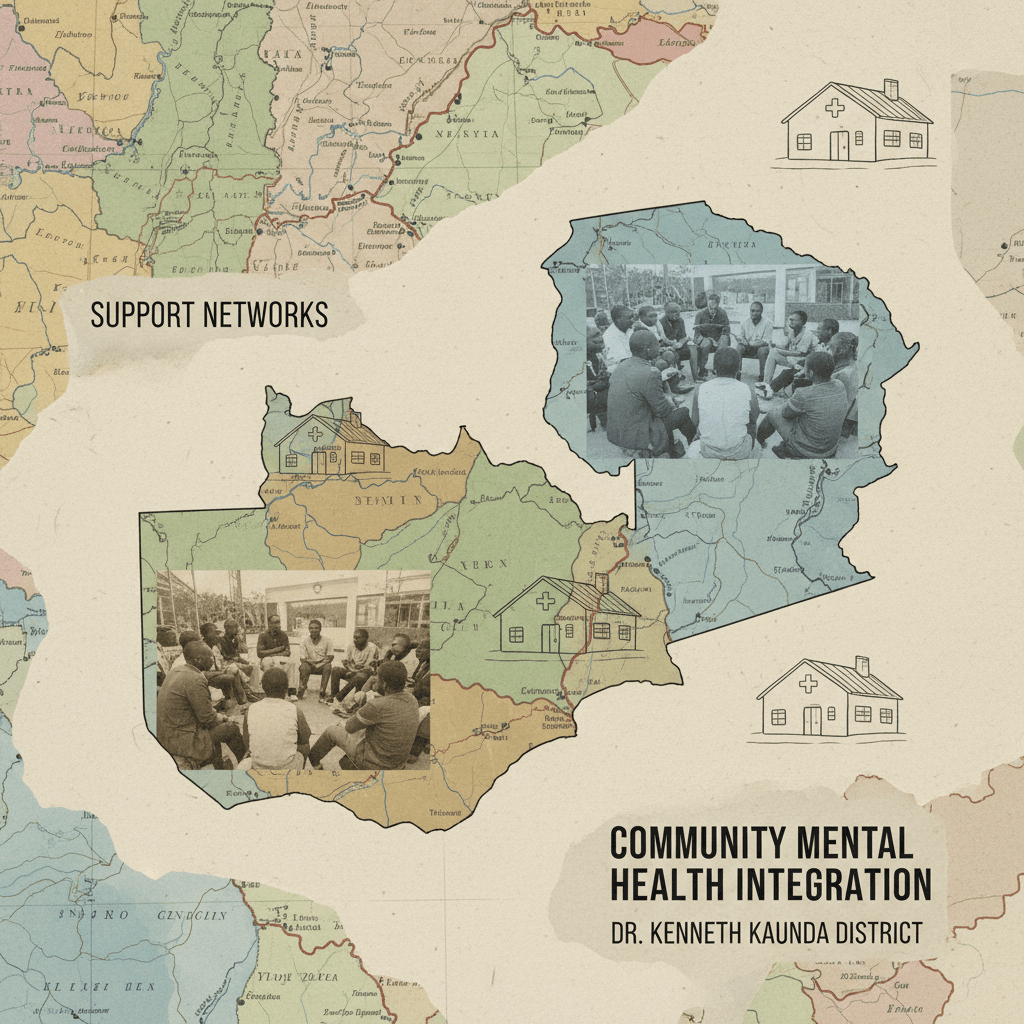
Addressing depression in chronic care settings is vital for improving patient outcomes. Culturally relevant screening programs may optimize the identification of at-risk individuals and facilitate access to appropriate mental health services.