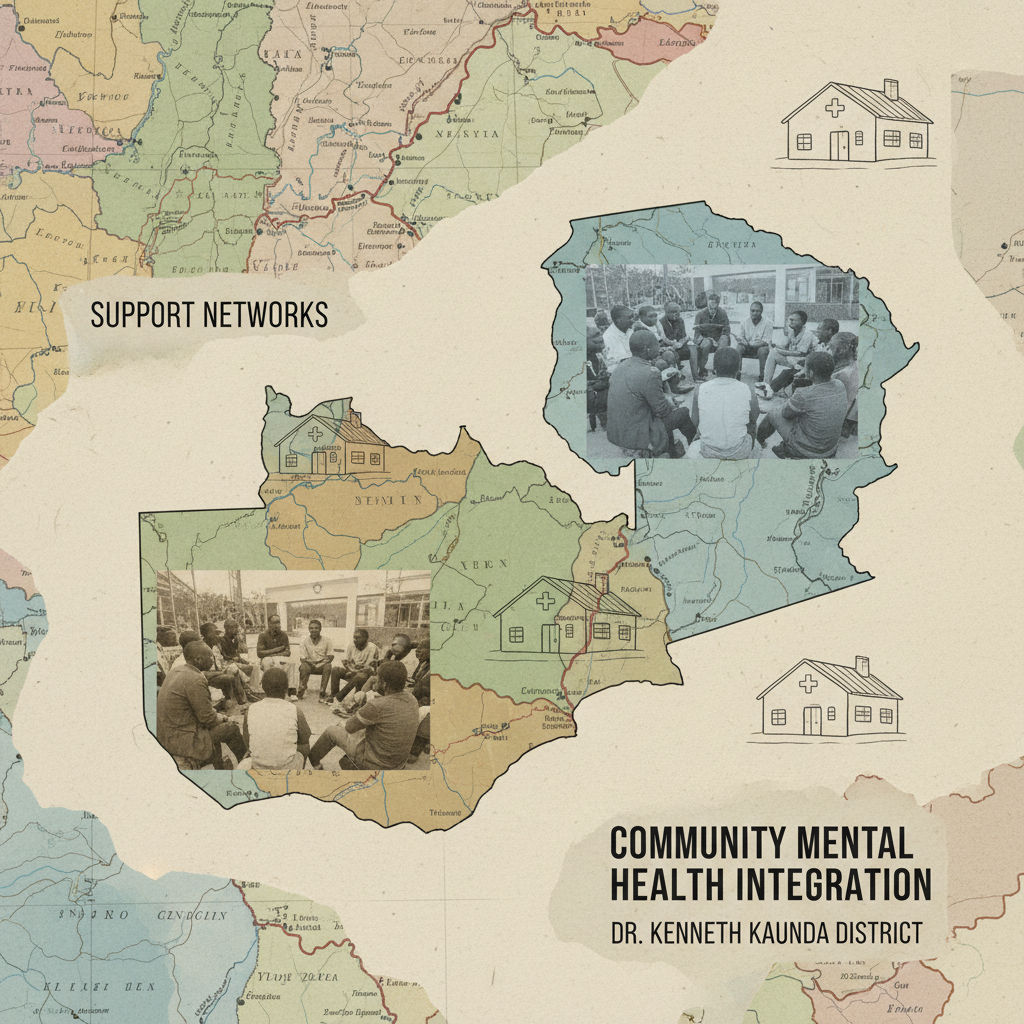

Depression runs high among chronic care users in the Dr Kenneth Kaunda district, making mental health integration a fiscal imperative. Depression impacts chronic illness outcomes; the challenge is effective, culturally sensitive intervention. Early detection and treatment bring long-term economic benefits, especially in resource-constrained areas.
Chronic disease and mental health disorders pose a significant public health challenge, with patients managing conditions like diabetes, hypertension, or HIV often having higher depression rates. It's a bad mix. Untreated depression hurts medication adherence, reduces self-care, and boosts healthcare utilization. So, integrating mental health screening into chronic care pathways is essential, particularly when cultural factors influence how mental illness is perceived in resource-limited settings.
The global burden of chronic diseases continues to rise, and with it, co-occurring mental health conditions. Individuals with diabetes are two to three times more likely to have depression than those without. This bidirectional relationship means chronic physiological stress and lifestyle changes can trigger or worsen depressive symptoms, while depression impairs immune function and motivation, hurting disease management. A holistic approach is crucial.
But guidelines from NICE in the UK and the American Diabetes Association (ADA) advocate for routine depression screening in chronic conditions. These recommendations, often from high-income countries, don't always translate to low-resource settings like Zambia's Dr Kenneth Kaunda district. Cultural adaptation is crucial. Simply adopting a Western screening tool without considering local beliefs and practices risks inaccurate diagnoses and ineffective interventions, especially with a shortage of trained professionals.
Still, the World Health Organization (WHO) champions integrating mental health into primary care, especially in low- and middle-income countries. The WHO's Mental Health Gap Action Programme (mhGAP) guides non-specialist health workers. But success requires robust training, supervision, and essential medicines. The unique challenges of low-resource settings, marked by high infectious disease rates and malnutrition, demand tailored approaches to depression screening.
The appeal of integrating mental health into chronic care is obvious, backed by guidelines from NICE and ADA. Yet, the evidence for specific implementation strategies in low-resource settings remains limited; studies from high-income countries may not generalize. The Dr Kenneth Kaunda study, like others, likely suffers from small sample size, selection bias, and a lack of long-term follow-up. A significant caveat is the reliance on self-reported data, particularly where mental health stigma is prevalent.
Methodological challenges plague depression screening policy evaluations in chronic care, from heterogeneous tools to varying depression definitions. The effectiveness of a screening program hinges not just on the chosen tool, but on the availability and uptake of appropriate interventions. Studies often struggle to account for confounding variables such as socioeconomic status, social support networks, and concurrent medical treatments. Future research should prioritize cluster-randomized controlled trials that evaluate integrated care models, focusing on patient-centered outcomes and cost-effectiveness in diverse global health contexts.
Implementing routine depression screening and treatment programs in chronic care demands careful economic consideration. Upfront costs for screening, training, and services may seem substantial, but long-term economic benefits from reduced hospitalizations and improved patient outcomes can outweigh these initial investments. This saves money. Cost-effectiveness analyses are crucial for efficient resource allocation, and sustainable funding mechanisms, leveraging existing budgets or innovative financing models, must be established.
Translating these theoretical benefits into widespread, real-world improvements for patients in resource-limited settings remains the toughest challenge.
The ethical considerations surrounding depression screening in chronic care are equally critical. Ensuring informed consent, maintaining patient confidentiality, and addressing potential over-diagnosis or mislabeling are paramount. In settings where mental health literacy is low, and stigma high, careful communication and culturally sensitive approaches are essential to avoid unintended harm. Furthermore, the capacity of the healthcare system to respond to positive screens must be robust. A screening program that identifies individuals in need but lacks the resources for effective follow-up and treatment can exacerbate distress and erode trust in the healthcare system.
Future research must also delve deeper into the specific components of integrated care models that yield the most significant benefits in diverse cultural and resource contexts. This includes exploring the optimal roles for non-specialist health workers, the effectiveness of digital health interventions for screening and support, and the impact of community-based mental health initiatives. Understanding how to best tailor interventions to individual patient needs and preferences, while also addressing systemic barriers to care, will be crucial for advancing this field. Ultimately, the goal is to move beyond simply identifying depression to ensuring equitable access to high-quality, culturally appropriate mental health care for all individuals living with chronic conditions.
Integrating culturally relevant mental health care into chronic disease management could significantly reduce healthcare system burdens. This means fewer complications and better treatment adherence. Patients will benefit.
Workflow adjustments are non-negotiable for screening and referral processes. Cost analyses must quantify long-term savings from reduced hospitalizations and improved patient outcomes. It's a fiscal imperative.
Consider integrating mental health services into existing community health programs. This maximizes efficiency and accessibility. Patients deserve easier access.
lightbulb
- The PivotIntegrating culturally relevant depression screening into routine chronic disease management may improve patient outcomes and reduce long-term healthcare costs.
- The DataStudies show that untreated depression in individuals with chronic illnesses leads to increased healthcare utilization and poorer adherence to treatment regimens.
- The ActionAdvocate for policies that support the training of healthcare providers in culturally sensitive mental health assessment and intervention within chronic care settings.
ART-2026-50
·10/26
Drafted with AI assistance, reviewed and approved by the editorial team. This publication is intended for healthcare professionals, researchers, and life science industry professionals. Content is provided for informational and educational purposes only and does not constitute medical advice.

I cover women's health, reproductive medicine, and the persistent gaps in how conditions that primarily affect women get studied and funded. The evidence base is thinner than it should be. I write about why.
Cite This Article
Mitchell S, Voss M. Depression screening policies in chronic care. The Life Science Feed. Published January 1, 2026. Updated October 5, 2026. Accessed October 16, 2026. https://thelifesciencefeed.com/immunology/primary-immunodeficiency-diseases/policy/depression-screening-policies-in-chronic-care.
Editorial & AI Standards
All content is researched from peer-reviewed, open-access sources: published trial data, clinical guidelines, and regulatory filings. AI tools are used solely to structure and summarise that evidence; no AI-generated conclusions appear without editor verification against the primary source.
Every article is reviewed by a named editor before publication. Source citations are listed in the References section. This content does not represent the views of any pharmaceutical company, medical device manufacturer, or healthcare provider.
Licence & Rights
© 2026 The Life Science Feed. All rights reserved. Unless otherwise indicated, all content is the property of The Life Science Feed and may not be reproduced, distributed, or transmitted in any form or by any means without prior written permission.
Medical Disclaimer
The information provided on The Life Science Feed is for educational and informational purposes only. It is not intended as a substitute for professional medical advice, diagnosis, or treatment. Always seek the advice of your physician or other qualified healthcare provider regarding any medical condition or treatment decision. Never disregard professional medical advice or delay in seeking it because of something you have read on this website.
References
- American Diabetes Association. (2023). Standards of medical care in diabetes-2023. Diabetes Care, 46(Supplement 1), S1-S291.
- National Institute for Health and Care Excellence. (2021). Depression in adults: Recognition and management. NICE guideline [NG222].
- World Health Organization. (2017). Depression and other common mental disorders: Global health estimates. Geneva: WHO.
- Patel, V., et al. (2018). The Lancet Commission on global mental health and sustainable development. The Lancet, 392(10157), 1553-1598.