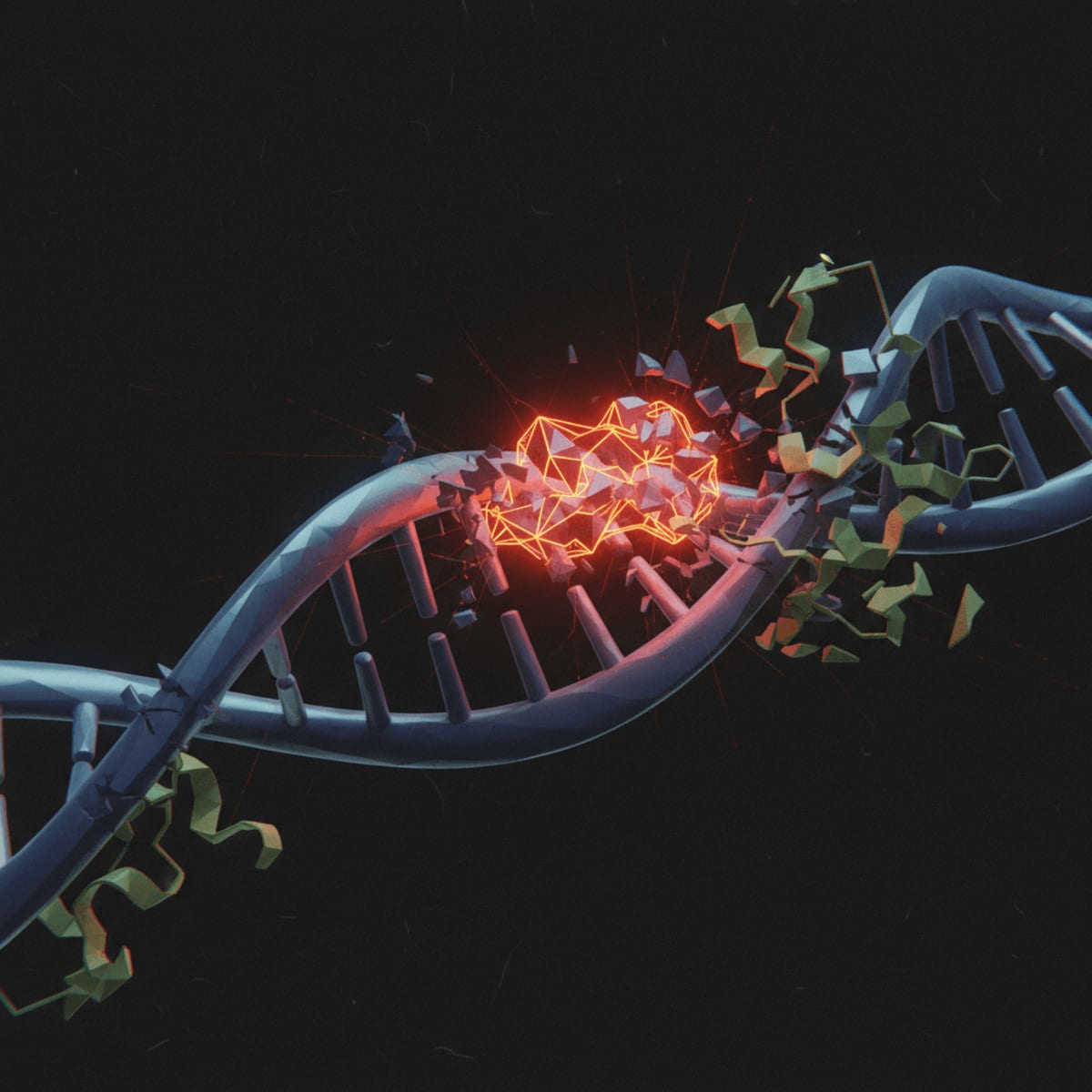
Agammaglobulinemia, characterized by a profound deficiency of B cells and immunoglobulins, leaves patients highly susceptible to infection. While many cases are linked to well-established genetic defects, atypical presentations and novel mutations continue to emerge, challenging our understanding of B cell development. This case report describes a Chinese patient with agammaglobulinemia harboring a *de novo* mutation in the SPI1 gene, a transcription factor critical for hematopoiesis.
The authors propose a causative role for this mutation, based on whole-exome sequencing and some *in vitro* functional assays. However, before we rewrite the textbooks, a healthy dose of skepticism is warranted. Does this single case truly establish causality, or is it merely an interesting association? What are the implications for screening and genetic counseling?
Clinical Key Takeaways
lightbulb
- The PivotThis case challenges our understanding of the genetic basis of agammaglobulinemia, highlighting the potential role of *SPI1* mutations.
- The DataWhole-exome sequencing identified a novel *de novo SPI1* mutation, with *in vitro* assays suggesting impaired transcriptional activity.
- The ActionExercise caution when interpreting rare genetic variants in the context of complex immunodeficiencies. Functional validation and replication in larger cohorts are essential.
Background on Agammaglobulinemia
Agammaglobulinemia is a primary immunodeficiency characterized by the absence or near-absence of B cells and consequently, extremely low levels of immunoglobulins. This leaves affected individuals highly vulnerable to recurrent bacterial infections, particularly of the respiratory tract, sinuses, and skin. While X-linked agammaglobulinemia (XLA), caused by mutations in the *BTK* gene, is the most common form, autosomal recessive forms exist, each stemming from defects in different genes involved in B cell development and function. Identifying the precise genetic etiology is critical for accurate diagnosis, genetic counseling, and potentially, targeted therapies.
Study Details
This case report describes a single Chinese patient diagnosed with agammaglobulinemia. The diagnostic workup included clinical assessment, immunoglobulin level measurements, and B cell enumeration by flow cytometry. Whole-exome sequencing (WES) was performed to identify potential genetic variants. The identified *SPI1* mutation was then subjected to *in vitro* functional analysis, including reporter gene assays and assessment of protein-DNA binding.
Results Summary
WES revealed a novel *de novo* missense mutation in the *SPI1* gene. *In vitro* studies suggested that this mutation impaired the transcriptional activity of SPI1. The authors concluded that this *SPI1* mutation likely contributes to the patient's agammaglobulinemia. However, this conclusion rests on limited evidence from a single patient and *in vitro* assays, which may not fully reflect the *in vivo* complexity of immune system regulation.
Comparison to Guidelines
The 2023 European Society for Immunodeficiencies (ESID) diagnostic criteria for primary antibody deficiencies emphasize the importance of genetic testing in confirming the diagnosis and classifying the specific type of immunodeficiency. While this case report aligns with the recommendation for genetic investigation, it's crucial to note that the ESID guidelines also stress the need for robust evidence linking genetic variants to disease phenotypes. This single case report falls short of that standard. Current guidelines do not recommend routine *SPI1* sequencing in patients with agammaglobulinemia. Instead, a stepwise approach, starting with more common and well-established genetic causes, is advised.
Limitations of Evidence
The most glaring limitation is the sample size: n=1. Attributing causality based on a single patient is fraught with peril. The identified *SPI1* mutation could be a rare benign variant unrelated to the patient's disease. While *in vitro* studies provide some supporting evidence, they are artificial systems that may not accurately reflect the complex *in vivo* environment. Furthermore, the functional assays used may not be sensitive enough to detect subtle but clinically relevant effects of the mutation. The study lacks *in vivo* validation, such as analyzing SPI1 expression and function in patient-derived cells. Finally, the study does not address the possibility of other contributing genetic or environmental factors.
Mechanism of Action
*SPI1* encodes a transcription factor crucial for the development of multiple hematopoietic lineages, including B cells, macrophages, and neutrophils. It regulates the expression of genes involved in cell proliferation, differentiation, and survival. The authors hypothesize that the identified *SPI1* mutation disrupts its ability to bind DNA and activate target gene transcription, ultimately leading to impaired B cell development and agammaglobulinemia. However, the precise molecular mechanisms by which this specific mutation affects SPI1 function remain to be fully elucidated. Further studies, such as chromatin immunoprecipitation sequencing (ChIP-seq), are needed to identify the specific target genes affected by the mutation.
While intriguing, this case report has limited immediate clinical implications. Broadening genetic screening for SPI1 mutations in agammaglobulinemia is premature. Instead, clinicians should focus on adhering to established diagnostic and management guidelines. Ordering whole-exome sequencing without clear clinical justification can increase healthcare costs without necessarily improving patient outcomes. Furthermore, the interpretation of rare genetic variants is complex and requires expertise in clinical genetics and immunology. Misinterpreting such variants can lead to unnecessary anxiety and potentially, inappropriate medical interventions.
LSF-3792011544 | December 2025

How to cite this article
Webb M. Spi1 mutation and agammaglobulinemia questioning causality. The Life Science Feed. Published January 22, 2026. Updated January 22, 2026. Accessed April 2, 2026. https://thelifesciencefeed.com/immunology/agammaglobulinemia/research/spi1-mutation-and-agammaglobulinemia-questioning-causality.
Copyright and license
© 2026 The Life Science Feed. All rights reserved. Unless otherwise indicated, all content is the property of The Life Science Feed and may not be reproduced, distributed, or transmitted in any form or by any means without prior written permission.
Fact-Checking & AI Transparency
This content was produced with the assistance of AI technology and has been rigorously reviewed and verified by our human editorial team to ensure accuracy and clinical relevance.
References
- Conley, M. E., Notarangelo, L. D., & Etzioni, A. (2009). Primary immunodeficiency diseases: current and future approaches to diagnosis and therapy. *Nature Reviews Immunology, 9*(10), 692-706.
- Picard, C., Al-Herz, W., Bousfiha, A., Casanova, J. L., Chatila, T., কনফারেন্স, M. E., ... & Tang, M. L. K. (2018). Primary Immunodeficiency Diseases: an Update on the Classification from the International Union of Immunological Societies Expert Committee for Primary Immunodeficiency 2017. *Journal of Clinical Immunology, 38*(1), 96-128.
- Winkelstein, J. A., Marino, M. C., Lederman, H. M., Lauer, S. J., Sullivan, K. E., & Olafsson, I. (2006). X-linked agammaglobulinemia: a survey of 50 patients. *Medicine, 85*(1), 17-26.
Related Articles

Hereditary Angioedema Prophylaxis: Weighing Berotralstat and Lanadelumab's Safety

Cultural Nuances in Depression Diagnosis for Chronic Care Patients