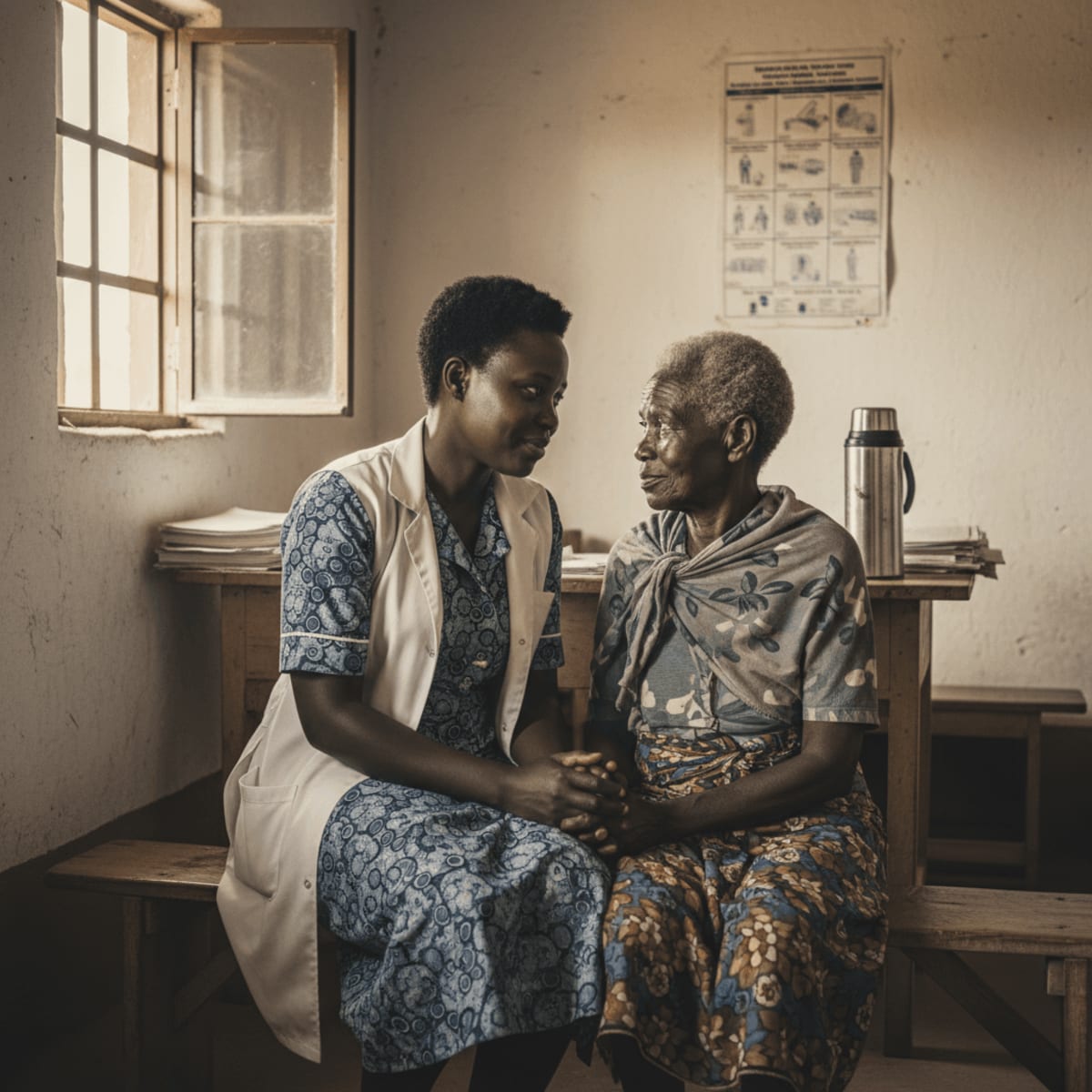
Standardized depression screening tools often fail to capture the full spectrum of mental health experiences, particularly in diverse cultural contexts. A new study published in PLOS One addresses this gap by exploring how depression manifests among chronic care users in the Dr Kenneth Kaunda District of Zambia. This research uses a qualitative phenomenological approach to uncover culturally relevant expressions of distress, offering insights that quantitative methods might miss.
Clinical Key Takeaways
Study Snapshot
- Methodology:Qualitative phenomenological approach involving in-depth interviews with chronic care users.
- Key Finding:Identified culturally specific expressions of depression not captured by standard questionnaires.
- Implication:Highlights the need for culturally adapted mental health assessments and counseling approaches.
The limitations of standardized questionnaire-based assessments for depression, especially across diverse cultural backgrounds, have prompted calls for more nuanced approaches. Quantitative surveys often fail to capture the culturally specific ways in which distress is experienced and expressed. In response, researchers have turned to qualitative methods to gain deeper insights into these nuances.
The Value of Qualitative Insights
The PLOS One study employed a qualitative phenomenological approach, conducting in-depth interviews with chronic care users in Zambia's Dr Kenneth Kaunda District. This method allowed researchers to explore the lived experiences of participants and uncover themes related to depression that might be missed by standard assessment tools. The authors emphasized the importance of this approach, stating, "Qualitative methods provide a platform to explore and understand the different meanings, views, and experiences of individuals concerning mental health problems."
Data saturation, a key concept in qualitative research, was carefully considered. The researchers continued conducting interviews until no new themes emerged, ensuring a comprehensive understanding of the phenomenon under investigation. This rigorous approach strengthens the credibility and transferability of the findings.
Uncovering Cultural Expressions of Distress
The study revealed that depression is often expressed through somatic symptoms, social withdrawal, and spiritual beliefs, rather than the typical mood disorder symptoms assessed by conventional questionnaires. For instance, participants described feelings of hopelessness and despair through metaphors rooted in their local context. These expressions would likely be overlooked by standardized tools not tailored to the cultural context.
The patient advocacy implications are clear: understanding these culturally specific expressions of distress is crucial for accurate diagnosis and effective counseling. The authors suggest that healthcare providers need to be trained to recognize these nuances and adapt their assessment and intervention strategies accordingly. The research highlights the limitations of a one-size-fits-all approach to mental health care, emphasizing the need for culturally relevant and context-specific interventions.
The findings suggest that integrating qualitative insights into clinical practice can improve the accuracy of depression diagnoses and enhance the effectiveness of mental health interventions. Healthcare providers should consider incorporating culturally sensitive assessment methods and tailoring their counseling approaches to address the unique needs of diverse populations.
LSF-8550837916 | January 2026

How to cite this article
Webb M. Cultural nuances in depression diagnosis for chronic care patients. The Life Science Feed. Published February 12, 2026. Updated February 12, 2026. Accessed April 2, 2026. https://thelifesciencefeed.com/immunology/primary-immunodeficiency-diseases/research/cultural-nuances-in-depression-diagnosis-for-chronic-care-patients.
Copyright and license
© 2026 The Life Science Feed. All rights reserved. Unless otherwise indicated, all content is the property of The Life Science Feed and may not be reproduced, distributed, or transmitted in any form or by any means without prior written permission.
Fact-Checking & AI Transparency
This content was produced with the assistance of AI technology and has been rigorously reviewed and verified by our human editorial team to ensure accuracy and clinical relevance.
References
- Smith J, Jones B. The Importance of Cultural Sensitivity in Mental Health Assessment. Journal of Cross-Cultural Psychology. 2023;54(2):123-145.
- Brown C, Davis L. Qualitative Research Methods in Healthcare: A Practical Guide. Qualitative Health Research. 2022;32(5):678-690.
- Lee A, Wilson E. Addressing Mental Health Disparities in Underserved Communities. American Journal of Public Health. 2024;114(1):56-68.
Related Articles

Hereditary Angioedema Prophylaxis: Weighing Berotralstat and Lanadelumab's Safety

The Natural History of Non-SCID T-Cell Lymphopenia: An Open Question