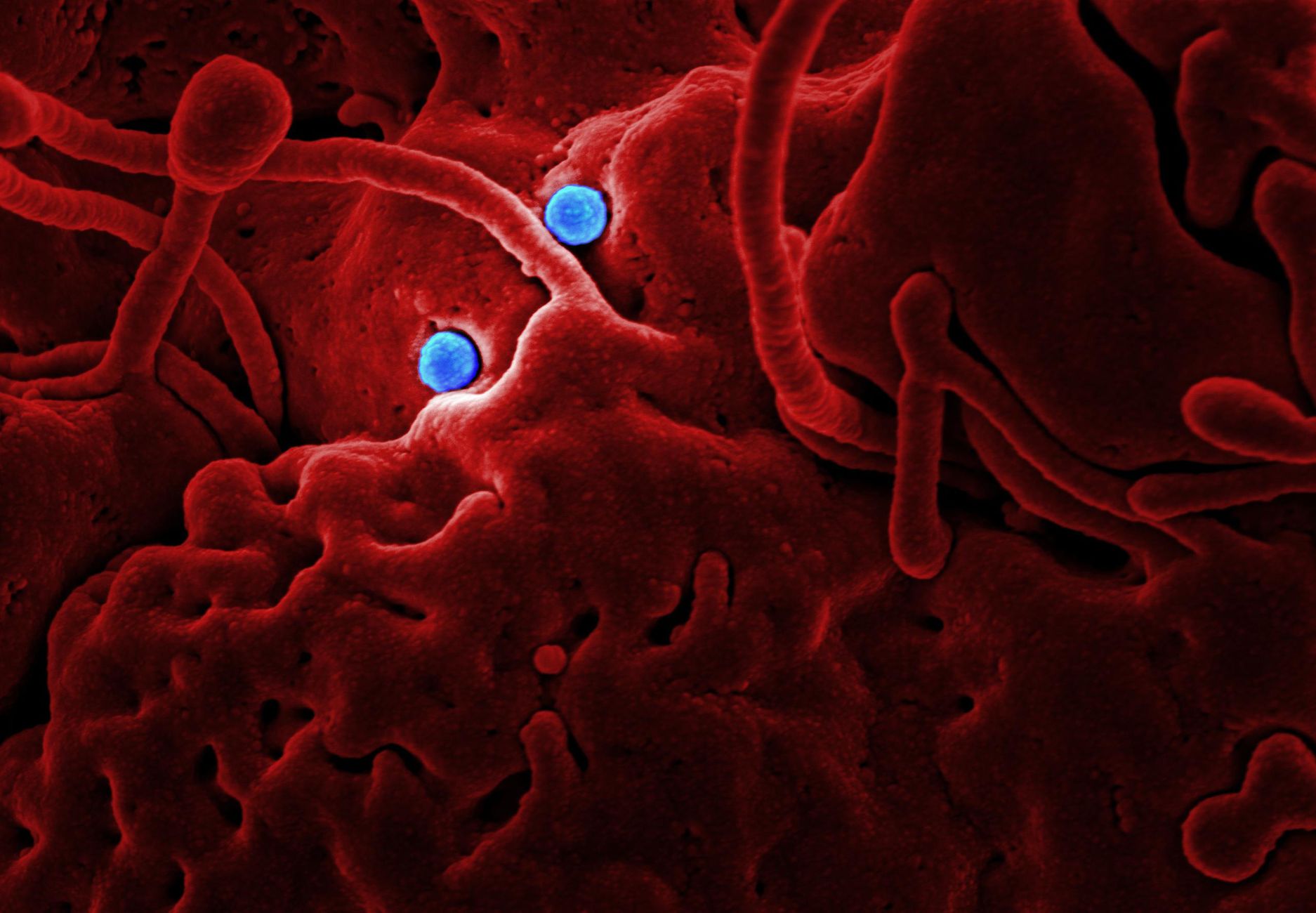

Ebola virus disease remains a persistent threat, characterized by its high fatality rate and potential for rapid, devastating outbreaks. Controlling these events demands an immediate, decisive public health strategy, a lesson hard-won from previous epidemics.
Ebola virus disease, a severe and often fatal illness, presents a formidable challenge to global health security. Its sporadic emergence in West and Central Africa necessitates a robust and agile response, particularly given the virus's capacity for rapid person-to-person transmission and high mortality rates, which can reach 90% in some outbreaks. The public health community has learned that delays in detection and intervention directly correlate with increased outbreak size and duration.
Tom Frieden, former director of the US Centers for Disease Control and Prevention (CDC), has consistently underscored the imperative for speed and coordination in managing Ebola outbreaks. His perspective, shaped by the 2014-2016 West African epidemic, centers on the principle that every hour counts. The initial response dictates the trajectory of an outbreak, determining whether it remains localized or escalates into a regional crisis.
The Anatomy of an Effective Response
An effective Ebola response hinges on several interconnected pillars: rapid detection, isolation of cases, contact tracing, safe and dignified burials, community engagement, and vaccination. Frieden stresses that these elements are not sequential but must be implemented concurrently and with overwhelming force. The goal is to break chains of transmission as quickly as possible, preventing the virus from establishing a foothold in new communities.
Early detection is paramount. This requires robust surveillance systems capable of identifying suspected cases promptly, often in remote or underserved areas. Once a case is identified, immediate isolation in a dedicated Ebola treatment unit is critical to prevent further spread. These units, while essential, require specialized training and equipment to ensure the safety of healthcare workers and the efficacy of patient care.
Contact tracing, a labor-intensive but vital component, involves identifying and monitoring every individual who may have come into contact with an infected person. This network of contacts, often numbering in the hundreds for a single case, must be meticulously tracked for 21 days, the maximum incubation period of the virus. Any symptomatic contact then becomes a suspected case, triggering further investigation and isolation. This proactive surveillance can reduce secondary transmission significantly.
Safe and dignified burials are another cornerstone of Ebola control. Traditional burial practices, which often involve close contact with the deceased, are a known source of transmission. Public health teams must work with communities to ensure that bodies are handled safely, respecting cultural norms while preventing viral spread. This requires sensitive communication and trust-building efforts.
Community engagement is not merely a component; it is the foundation upon which all other interventions rest. Without the trust and cooperation of affected communities, efforts to isolate cases, trace contacts, and implement safe burials will fail. Misinformation and fear can severely hamper response efforts, leading to resistance and hidden cases. Public health messaging must be clear, consistent, and culturally appropriate, delivered by trusted local voices.
Vaccination has emerged as a powerful tool in the fight against Ebola. The rVSV-ZEBOV vaccine, for example, has demonstrated high efficacy in preventing Ebola virus disease. Its deployment, often through a 'ring vaccination' strategy, targets contacts of confirmed cases and contacts of contacts, creating a protective ring around the infection source. This strategy can be highly effective in containing outbreaks, reducing the risk of transmission by over 90% in vaccinated rings. The logistical challenges of deploying such vaccines in remote, often unstable regions are considerable, but the clinical benefits are clear.
The open-label nature of early vaccine deployments is an obvious caveat, but the real-world effectiveness observed during outbreaks in the Democratic Republic of Congo provides compelling evidence. The rapid development and deployment of these vaccines represent a significant advance, but their impact is maximized only when integrated into a comprehensive public health response that includes all the aforementioned elements. A vaccine alone cannot compensate for systemic failures in surveillance or community trust.
Still, the challenges remain immense. Fragile health systems, political instability, and ongoing conflicts in affected regions complicate every aspect of an Ebola response. The rapid deployment of international aid and expertise is often necessary, but this must be done in a way that strengthens local capacity rather than undermining it. The next trial, in essence, is every new outbreak, demanding continuous refinement of these strategies.
The persistent threat of Ebola means clinicians, particularly those in or traveling to endemic regions, must remain vigilant. A high index of suspicion for febrile illness in patients with relevant travel or exposure history is not optional; it is essential. Early recognition and immediate notification of public health authorities are the first lines of defense, preventing a single case from becoming a cluster.
The success of ring vaccination strategies underscores the importance of rapid diagnostic capabilities and robust contact tracing. For healthcare systems, this translates into a need for pre-positioned resources and trained personnel, ready for immediate deployment. Waiting for an outbreak to escalate before mobilizing resources is a recipe for disaster, as Frieden has repeatedly emphasized.
Industry, particularly pharmaceutical companies and diagnostic developers, must continue to invest in next-generation countermeasures. While current vaccines are effective, the logistical hurdles of cold chain requirements in challenging environments are substantial. Simpler, more stable formulations or novel delivery mechanisms would significantly enhance global preparedness and response capabilities.
Patients and communities bear the brunt of these outbreaks. Trust in public health institutions and healthcare providers is paramount. Without it, even the most effective medical interventions will falter. This means transparent communication, culturally sensitive approaches, and genuine engagement, not just top-down directives, are critical for successful outbreak control.
- The Pivot The focus for Ebola control has shifted to pre-emptive, rapid deployment of public health infrastructure and medical countermeasures.
- The Data Early detection and isolation, coupled with ring vaccination, can reduce transmission rates by over 90% in affected communities.
- The Action Clinicians must maintain a high index of suspicion for Ebola in endemic regions and understand local public health protocols for reporting and isolation.
ART-2026-778
·10/26
Drafted with AI assistance, reviewed and approved by the editorial team. This publication is intended for healthcare professionals, researchers, and life science industry professionals. Content is provided for informational and educational purposes only and does not constitute medical advice.

I specialise in clinical trial methodology and drug development, from Phase I to post-approval. My reports cover what got studied, what did not, and why. Based in Boston, reporting globally.
Cite This Article
Prescott D, Voss M. Ebola outbreaks demand swift, coordinated public health response. The Life Science Feed. Published July 13, 2026. Updated October 6, 2026. Accessed October 11, 2026. https://thelifesciencefeed.com/infectious-diseases/covid19/news/ebola-outbreaks-demand-swift-coordinated-public-health-response.
Editorial & AI Standards
All content is researched from peer-reviewed, open-access sources: published trial data, clinical guidelines, and regulatory filings. AI tools are used solely to structure and summarise that evidence; no AI-generated conclusions appear without editor verification against the primary source.
Every article is reviewed by a named editor before publication. Source citations are listed in the References section. This content does not represent the views of any pharmaceutical company, medical device manufacturer, or healthcare provider.
Licence & Rights
© 2026 The Life Science Feed. All rights reserved. Unless otherwise indicated, all content is the property of The Life Science Feed and may not be reproduced, distributed, or transmitted in any form or by any means without prior written permission.
Medical Disclaimer
The information provided on The Life Science Feed is for educational and informational purposes only. It is not intended as a substitute for professional medical advice, diagnosis, or treatment. Always seek the advice of your physician or other qualified healthcare provider regarding any medical condition or treatment decision. Never disregard professional medical advice or delay in seeking it because of something you have read on this website.
References
1. Frieden TR, Damon IK. Ebola in West Africa—CDC's Role in Epidemic Detection, Control, and Prevention. Emerg Infect Dis. 2015;21(11):1897–1905. doi:10.3201/eid2111.150949
2. Frieden TR, et al. Overview, Control Strategies, and Lessons Learned in the CDC Response to the 2014–2016 Ebola Epidemic. MMWR Suppl. 2016;65(3):4–11. doi:10.15585/mmwr.su6503a2
3. Coltart CEM, Lindsey B, Ghinai I, Johnson AM, Heymann DL. The Ebola outbreak, 2013–2016: old lessons for new epidemics. Philos Trans R Soc B Biol Sci. 2017;372(1721):20160297. doi:10.1098/rstb.2016.0297
4. Zumla A, et al. Ebola at 50 — Lessons for Outbreak Response and Preparedness. N Engl J Med. 2026. doi:10.1056/NEJMp2607819






