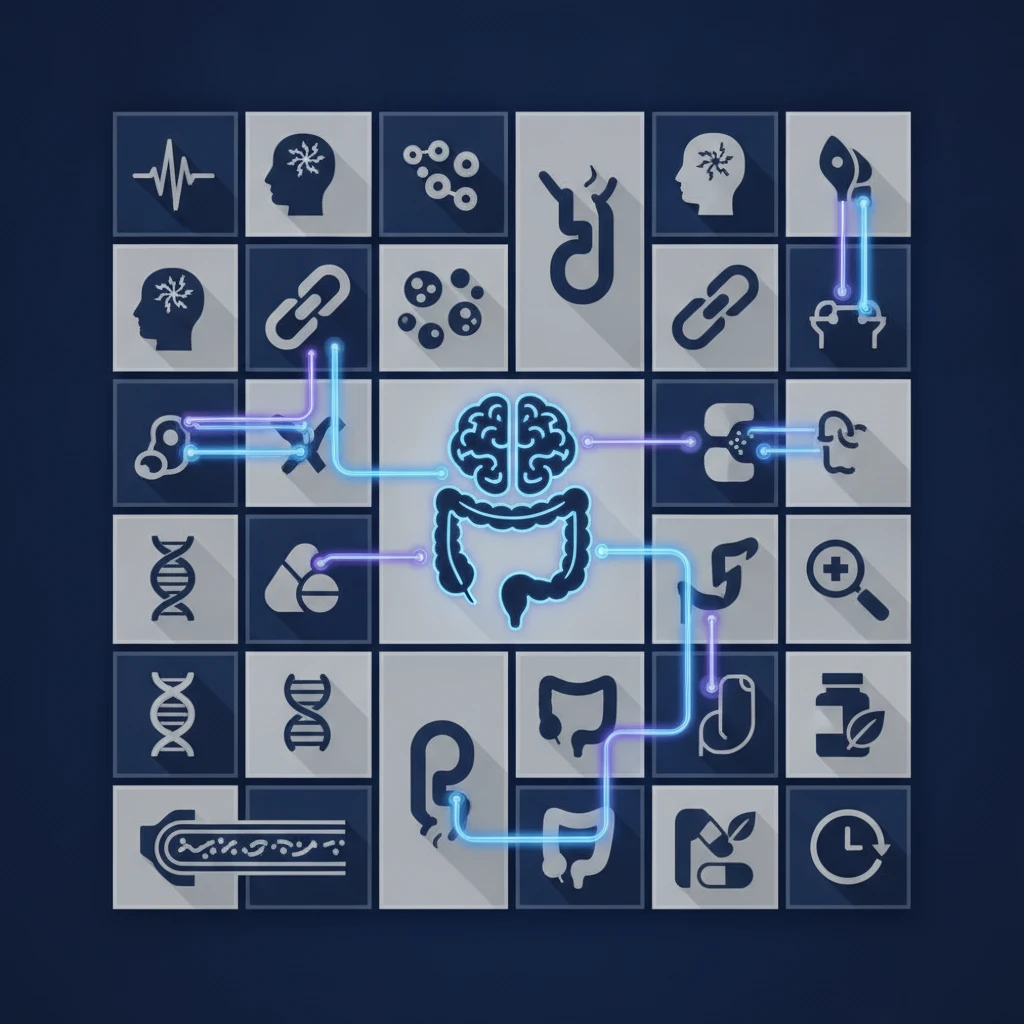
Chronic migraine, a debilitating neurological disorder, often presents with a perplexing array of gastrointestinal symptoms and comorbid conditions. For years, clinicians have observed this frequent co-occurrence, but the underlying mechanisms linking these seemingly disparate systems remained largely theoretical. New research points to the gut-brain axis as a critical pathway, suggesting that alterations in the gut microbiota and subsequent immune activation may drive migraine pathophysiology.
Migraine is a highly prevalent and disabling primary headache disorder, impacting millions across Europe. Its clinical presentation often extends beyond cranial pain, frequently encompassing gastrointestinal symptoms and comorbid gastrointestinal diseases. This complex interplay has led researchers to investigate the gut-brain axis, a bidirectional communication system that connects the central nervous system with the enteric nervous system, influencing everything from mood to pain perception.1
The hypothesis gaining traction is that alterations in the gut microbiota and dysregulation of this axis contribute significantly to migraine pathophysiology. This involves several interconnected pathways: immune activation, oxidative stress, impaired intestinal barrier function, and neuroinflammatory signaling. Understanding these mechanisms could unlock new adjunctive strategies for migraine management, moving beyond traditional pharmacological approaches.1
The Microbiome-Gut-Brain Axis in Migraine
Kozák, Sitku, and Hodossy-Takács, in their 2026 review published in Nutrients, summarized current mechanistic and clinical evidence linking the gut-brain axis to migraine.1 They focused particularly on the potential roles of probiotics, prebiotics, and postbiotics as adjunctive strategies. The authors performed a narrative synthesis of experimental, translational, and clinical studies, examining microbiome composition, gut barrier integrity, and immune and oxidative pathways. They also reviewed interventional trials evaluating various biotics and microbiota-derived metabolites in both adult and pediatric migraine populations.1
The review established a clear association between migraine and intestinal dysbiosis, increased gut permeability, and low-grade systemic inflammation. These factors create a fertile ground for neuroinflammatory signaling, which can exacerbate migraine attacks. The gut microbiota, a complex ecosystem of trillions of microorganisms, plays a pivotal role in maintaining gut barrier integrity and modulating immune responses. When this ecosystem is disrupted, the consequences can ripple throughout the body, including the brain.1
Probiotics, most commonly strains of Lactobacillus and Bifidobacterium, emerged as potential modulators of these pathways. These beneficial bacteria may influence inflammatory cytokine profiles, enhance tight junction integrity in the gut lining, reduce oxidative stress, and even affect neurotransmitter-related pathways along the gut-brain axis. Clinical trials evaluating probiotic supplementation have reported heterogeneous but promising signals. These signals include reductions in migraine frequency, severity, disability scores, and analgesic use, particularly in chronic migraine and pediatric populations.1
But the evidence for probiotics is not without its caveats. The authors noted that current evidence lacks specificity regarding strain, formulation, and population characteristics. While probiotics generally show favorable safety profiles, well-powered, placebo-controlled trials with standardized migraine endpoints and integrated microbiome and metabolomic analyses are needed. These trials would help define responders, optimal interventions, and the true clinical relevance of these adjunctive therapies.1
Emerging evidence also supports a potential role for prebiotics, such as inulin-type fructans, and microbiota-derived metabolites like short-chain fatty acids. These compounds can nourish beneficial gut bacteria and contribute to gut health. However, direct clinical data for these interventions in migraine management remain limited, highlighting another area ripe for further investigation.1
Dietary Interventions and Inflammatory Markers
Zhao, Yang, and Wan, writing in Frontiers in Nutrition in 2025, explored the impact of food-specific IgG-based elimination diets on migraine symptoms and inflammatory markers.2 Their study investigated whether removing foods identified by IgG antibodies could alleviate migraine and reduce key inflammatory mediators. The background for this research is the increasing understanding that food sensitivities, mediated by immune responses, might contribute to chronic inflammatory states that exacerbate migraine.2
The study enrolled adults with migraine and implemented an elimination diet tailored to individual food-specific IgG antibody levels. Participants followed this diet for a defined period, and researchers monitored migraine frequency, severity, and disability scores. Crucially, they also measured serum levels of inflammatory cytokines, including interleukin-6 (IL-6) and tumor necrosis factor-alpha (TNF-α), as well as calcitonin gene-related peptide (CGRP), a neuropeptide strongly implicated in migraine pathophysiology.2
The results showed that a food-specific IgG-based elimination diet significantly decreased levels of IL-6, TNF-α, and CGRP. This reduction in inflammatory and neuroinflammatory markers correlated with improved migraine symptoms in the adult participants. The diet led to a reduction in migraine frequency, severity, and overall disability. This suggests that identifying and removing specific dietary triggers, guided by IgG antibody testing, could be a viable adjunctive strategy for migraine management, particularly for patients with a suspected inflammatory component to their condition.2
The mechanism behind these improvements likely involves reducing systemic inflammation and potentially restoring gut barrier function. Chronic exposure to food antigens that elicit an IgG response can lead to low-grade inflammation and increased intestinal permeability, allowing more inflammatory molecules to enter circulation. By eliminating these triggers, the gut can heal, inflammation can subside, and the burden on the gut-brain axis may lessen, leading to fewer and less severe migraine attacks.2
Still, the utility of IgG testing for food sensitivities remains a contentious area in clinical practice. While this study showed positive results, the broader scientific community often debates the clinical relevance and reproducibility of IgG antibody testing as a diagnostic tool for food sensitivities. Further large-scale, placebo-controlled trials are needed to validate these findings and establish clear guidelines for the implementation of such elimination diets in migraine care.2
Gastrointestinal Comorbidities and Risk Profiles
Alsakarneh, Al Ta'ani, and Madi, in their 2026 paper in Alimentary Pharmacology & Therapeutics, conducted a comprehensive analysis of gastrointestinal and extra-articular comorbidities in Ehlers-Danlos Syndrome (EDS).3 While the primary focus of this study was EDS, the background information provided by the authors strongly reiterated the established link between migraine and gastrointestinal symptoms and diseases. They highlighted that increasing evidence suggests alterations in the gut microbiota and dysregulation of the microbiome-gut-brain axis contribute to migraine pathophysiology through immune activation, oxidative stress, impaired intestinal barrier function, and neuroinflammatory signaling.3
The authors' narrative review, which served as a foundational context for their EDS research, emphasized that migraine has been associated with intestinal dysbiosis, increased gut permeability, and low-grade systemic inflammation. This reinforces the broader understanding that gastrointestinal health is not merely a tangential issue for migraine patients but a potentially integral part of the disease mechanism. The review also touched upon the potential of probiotics, prebiotics, and postbiotics to modulate inflammatory cytokine profiles, enhance tight junction integrity, reduce oxidative stress, and influence neurotransmitter pathways along the gut-brain axis.3
The comprehensive nature of their analysis, even when applied to a different primary condition like EDS, underscores the pervasive nature of gut-brain axis dysfunction in various chronic conditions, including migraine. The study's methodology, involving a propensity-matched analysis of 118,256 individuals, demonstrates the scale at which researchers are now investigating complex comorbidity profiles. This large-scale data analysis, while not directly focused on migraine intervention, provides a robust epidemiological context for understanding the widespread impact of gastrointestinal issues across different patient populations.3
The implications for migraine patients are clear: a thorough assessment of gastrointestinal health should be a standard part of their clinical evaluation. This includes inquiring about symptoms such as irritable bowel syndrome (IBS), dyspepsia, and reflux, which are frequently reported by migraineurs. Recognizing these comorbidities is the first step toward considering integrated management strategies that address both neurological and gastrointestinal aspects of the patient's condition. For a comprehensive overview of gastroenterological and hepatological diseases, clinicians may find the Oxford Handbook of Gastroenterology & Hepatology (3rd ed) a useful reference.3
The open-label design of many probiotic trials is an obvious caveat. Without rigorous blinding and placebo controls, it becomes difficult to definitively attribute observed improvements solely to the intervention rather than to patient expectation or other confounding factors. The heterogeneity in probiotic strains, dosages, and treatment durations across studies further complicates direct comparisons and the formulation of clear clinical recommendations. This lack of standardization means that while the concept is compelling, the practical application remains somewhat speculative.1
Still, the consistent signal of benefit, particularly in chronic migraine and pediatric populations, warrants continued investigation. The safety profile of probiotics is generally favorable, making them an attractive option for adjunctive therapy, especially for patients who have not responded well to conventional treatments or who experience significant side effects. The challenge lies in moving from promising signals to definitive, evidence-based guidelines that clinicians can confidently apply in practice.1
The current body of evidence, while growing, points to a complex and bidirectional relationship between the gut and the brain in migraine pathophysiology. Future research must focus on well-designed, adequately powered trials that incorporate detailed microbiome and metabolomic analyses. This will allow for the identification of specific microbial signatures associated with migraine, the mechanisms by which interventions exert their effects, and ultimately, the development of personalized treatment approaches. The field needs to move beyond broad categories of 'probiotics' and identify which specific strains, at what doses, are most effective for particular migraine phenotypes.1
The persistent link between chronic migraine and gastrointestinal comorbidities demands a more integrated approach from clinicians. It is no longer sufficient to treat migraine as an isolated neurological event when the gut-brain axis clearly plays a role in its pathogenesis. GPs and specialists should actively screen for GI symptoms in their migraine patients, recognizing that issues like dysbiosis or increased gut permeability might be driving factors.
For patients struggling with refractory migraine, exploring adjunctive strategies that target the gut microbiome, such as specific probiotics or elimination diets, becomes a rational step. While the evidence for individual strains and formulations is still maturing, the overall safety profile of these interventions makes them a low-risk addition to existing treatment plans. The data on reduced inflammatory markers with targeted diets is particularly compelling, suggesting a tangible biological impact.
The industry needs to invest in more rigorous, placebo-controlled trials for microbiome-targeted therapies. The current heterogeneity in study designs and outcomes makes it difficult to translate promising signals into clear clinical guidelines. We need to identify specific strains and formulations that reliably reduce migraine burden, moving beyond the broad 'probiotic' label to precision medicine.
Ultimately, a holistic view of the migraine patient, encompassing their gastrointestinal health, offers new avenues for management. This perspective acknowledges the systemic nature of chronic diseases and encourages a more personalized approach, potentially improving outcomes for those who have exhausted conventional therapies. It is about treating the patient, not just the headache.
- The Pivot Emerging evidence firmly links chronic migraine to gastrointestinal dysbiosis and impaired gut barrier function, suggesting a bidirectional communication breakdown.
- The Data Elimination diets based on food-specific IgG reduced IL-6, TNF-α, and CGRP levels, improving migraine symptoms in adults.
- The Action Consider gastrointestinal comorbidities and potential gut-brain axis dysfunction in chronic migraine patients, exploring adjunctive strategies like dietary modifications or targeted biotics where appropriate.
ART-2026-962
·07/26
This content is intended for healthcare professionals, clinical researchers, and life science industry professionals. Produced for informational and educational purposes only.

William Lopes is the co-founder and editor of The Life Science Feed. He brings over a decade of pharmaceutical industry experience, including senior roles in omnichannel customer engagement and digital governance at a leading global pharmaceutical company across European and global markets (2015 to 2025). Accredited press delegate at ESC 2026 and EASD 2026, William applies rigorous editorial judgment to ensure content meets the standards healthcare professionals and clinical researchers expect. He holds an MBA in Marketing and is a Member of the Chartered Institute of Marketing (MCIM).
Cite This Article
Lopes W. Chronic migraine: is the gut-brain axis the missing link?. The Life Science Feed. Published July 24, 2026. Updated July 24, 2026. Accessed July 24, 2026. https://thelifesciencefeed.com/neurology/migraine-disorders/research/chronic-migraine-is-the-gut-brain-axis-the-missing-link.
Editorial & AI Standards
All content is researched from peer-reviewed, open-access sources: published trial data, clinical guidelines, and regulatory filings. AI tools are used solely to structure and summarise that evidence; no AI-generated conclusions appear without editor verification against the primary source.
Every article is reviewed by a named editor before publication. Source citations are listed in the References section. This content does not represent the views of any pharmaceutical company, medical device manufacturer, or healthcare provider.
Licence & Rights
© 2026 The Life Science Feed. All rights reserved. Unless otherwise indicated, all content is the property of The Life Science Feed and may not be reproduced, distributed, or transmitted in any form or by any means without prior written permission.
Medical Disclaimer
The information provided on The Life Science Feed is for educational and informational purposes only. It is not intended as a substitute for professional medical advice, diagnosis, or treatment. Always seek the advice of your physician or other qualified healthcare provider regarding any medical condition or treatment decision. Never disregard professional medical advice or delay in seeking it because of something you have read on this website.
References
1. Kozák M, Sitku T, Hodossy-Takács R. Migraine and the Gut-Brain Axis-The Role of Microbiome-Targeted Biotics. Nutrients. 2026.
2. Zhao Z, Yang M, Wan F. Food-specific IgG-based elimination diet decreased IL-6, TNF-α, and CGRP and improved symptoms in adults with migraine. Front Nutr. 2025.
3. Alsakarneh S, Al Ta'ani O, Madi MY. Comprehensive Risk Profile of Gastrointestinal and Extra Articular Comorbidities in Ehlers-Danlos Syndrome: A Propensity-Matched Analysis of 118,256 Individuals. Aliment Pharmacol Ther. 2026.


