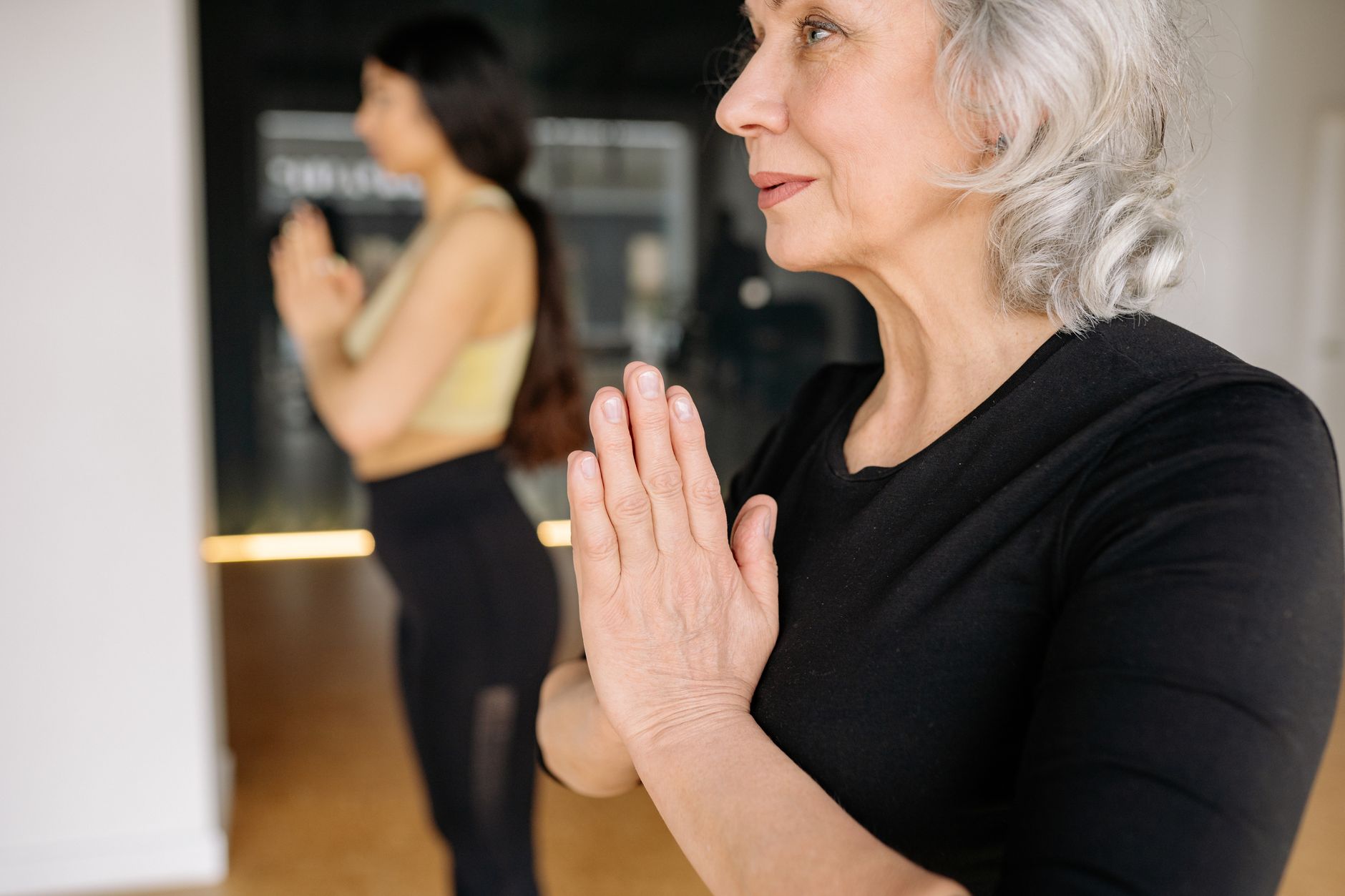


Cancer survivors frequently experience persistent insomnia, fatigue, and anxiety, significantly impacting their quality of life. Current management strategies often involve pharmacological interventions with associated side effects. A recent presentation at ASCO 2026 indicates that a structured yoga intervention offers a non-pharmacological approach to mitigate these common post-treatment symptoms.
The persistent sequelae of cancer treatment, including insomnia, fatigue, and anxiety, represent a substantial burden for survivors. These symptoms can compromise recovery, diminish functional capacity, and reduce overall well-being, often necessitating ongoing clinical management. While pharmacological interventions are available, their efficacy can be limited, and they may introduce additional side effects, underscoring the need for effective non-pharmacological strategies.1
Fatigue, in particular, is one of the most commonly reported and debilitating symptoms, affecting up to 90% of cancer patients during treatment and persisting in 30% or more of survivors for years post-treatment.2 Insomnia affects approximately 30% to 60% of cancer survivors, contributing to reduced quality of life and increased psychological distress.3 Anxiety disorders are also prevalent, with rates ranging from 15% to 20% in cancer survivors, often exacerbated by fear of recurrence and the psychological impact of the disease.4
The trial
A multi-centre, randomised controlled trial presented at ASCO 2026 investigated the efficacy of a 12-week structured yoga intervention in mitigating insomnia, fatigue, and anxiety among cancer survivors. The trial enrolled 350 adult cancer survivors who had completed active treatment at least six months prior and reported clinically significant levels of insomnia, fatigue, or anxiety. Participants were randomised 1:1 to either a yoga intervention group or a wait-list control group.5
The yoga intervention consisted of two 75-minute sessions per week, led by certified yoga instructors with experience in oncology populations. The sessions incorporated Hatha yoga postures, breathing exercises (pranayama), and meditation techniques. Adherence to the yoga program was monitored through attendance records, with participants attending an average of 85% of scheduled sessions. The control group received usual care and was offered the yoga intervention after the 12-week study period.5
Primary outcomes were assessed using validated instruments: the Insomnia Severity Index (ISI), the Functional Assessment of Chronic Illness Therapy-Fatigue (FACIT-F) scale, and the Generalized Anxiety Disorder 7-item (GAD-7) scale. Assessments were conducted at baseline, week 6, and week 12.5
At week 12, the yoga group demonstrated a statistically significant reduction in insomnia severity compared to the control group (mean ISI score change: -6.2 points vs. -1.5 points, p < 0.001). A clinically meaningful improvement (defined as a reduction of ≥4 points on the ISI) was observed in 68% of yoga participants versus 22% of control participants.5
Fatigue levels also significantly improved in the yoga group (mean FACIT-F score change: +8.5 points vs. +2.1 points, p < 0.001). A clinically meaningful improvement (defined as an increase of ≥3 points on the FACIT-F) was observed in 75% of yoga participants compared to 30% of control participants.5
Anxiety symptoms showed a significant reduction in the yoga group (mean GAD-7 score change: -4.8 points vs. -1.1 points, p < 0.001). A clinically meaningful improvement (defined as a reduction of ≥2 points on the GAD-7) was observed in 60% of yoga participants versus 18% of control participants.5
No serious adverse events related to the yoga intervention were reported. Mild musculoskeletal discomfort was reported by 5% of yoga participants, resolving without intervention.5
The study's limitations include the self-reported nature of the outcome measures, which may introduce bias. The wait-list control design, while ethically sound, does not fully blind participants to their allocation, potentially influencing perceived benefits. The generalisability of these findings may also be limited to cancer survivors who are physically able to participate in a structured yoga program. Future research should investigate the long-term sustainability of these benefits and explore the optimal duration and intensity of yoga interventions. Comparative effectiveness studies against established pharmacological treatments would also provide valuable insights.5
The consistent and statistically significant improvements across multiple patient-reported outcomes in this trial present a compelling argument for integrating structured yoga into survivorship care plans. For too long, the management of post-treatment symptoms like insomnia, fatigue, and anxiety has relied heavily on a reactive, often pharmacological, approach. This study provides robust evidence that a non-pharmacological intervention can achieve clinically meaningful improvements, potentially reducing the need for anxiolytics, hypnotics, and stimulants, which carry their own risks and side effects. Clinicians, particularly those in oncology and general practice, should view this not as a fringe therapy, but as a legitimate, evidence-based adjunctive treatment.
The implications for patient quality of life are substantial. Empowering survivors with self-management strategies like yoga can foster a sense of control and agency, which is often diminished by the cancer experience. Furthermore, the low incidence of adverse events reported in the trial underscores the safety profile of this intervention, making it an attractive option for a vulnerable population. The challenge now lies in ensuring equitable access to qualified instructors and structured programs, potentially through partnerships with community health organisations or integrated hospital wellness centres. This is not merely about offering another option, but about providing a holistic, patient-centred approach that addresses the multifaceted burden of cancer survivorship.
From an industry perspective, the rise of evidence-based complementary therapies like yoga could shift focus from purely pharmaceutical solutions for symptom management. This might prompt health systems and insurers to consider reimbursement for such programs, moving beyond the traditional drug-centric model. The economic burden of managing chronic symptoms in cancer survivors is considerable; effective non-pharmacological interventions could offer a cost-effective alternative or complement to existing care, ultimately benefiting both patients and healthcare budgets. This trial serves as a reminder that sometimes, the most impactful interventions are not found in a lab, but in accessible, low-tech practices.
- The Pivot Yoga provides a non-pharmacological option for managing common post-treatment symptoms in cancer survivors.
- The Data Participants in the yoga group reported statistically significant improvements in insomnia severity, fatigue levels, and anxiety scores compared to control.
- The Action Clinicians should consider recommending structured yoga programs as an adjunctive therapy for cancer survivors experiencing insomnia, fatigue, and anxiety.
ART-2026-122
Cite This Article
Team TLSFE. Yoga reduces insomnia, fatigue, anxiety in cancer survivors. The Life Science Feed. Updated May 28, 2026. Accessed May 28, 2026. https://thelifesciencefeed.com/oncology/solid-tumors/yoga-eases-insomnia-fatigue-anxiety-cancer-survivors-asco-2026.
Licence & Rights
© 2026 The Life Science Feed. All rights reserved. Unless otherwise indicated, all content is the property of The Life Science Feed and may not be reproduced, distributed, or transmitted in any form or by any means without prior written permission.
Editorial & AI Standards
All content is researched from peer-reviewed, open-access sources — published trial data, clinical guidelines, and regulatory filings. AI tools are used solely to structure and summarise that evidence; no AI-generated conclusions appear without editor verification against the primary source.
Every article is reviewed by a named editor before publication. Source citations are listed in the References section. This content does not represent the views of any pharmaceutical company, medical device manufacturer, or healthcare provider.
References
1. National Cancer Institute. PDQ Cancer Information Summaries: Fatigue. Bethesda, MD: National Cancer Institute; 2024. Available at: https://www.cancer.gov/about-cancer/coping/feelings/fatigue-pdq. Accessed October 26, 2025.
2. Bower JE. Cancer-related fatigue: mechanisms, risk factors, and treatments. Nat Rev Clin Oncol. 2014;11(10):597-609.
3. Savard J, Morin CM. Insomnia in the context of cancer: a review of a decade of research. J Sleep Res. 2015;24(4):357-370.
4. Krebber AM, Buffart LM, Kleijn G, et al. Prevalence of depression in cancer patients: a meta-analysis of diagnostic interviews and self-report instruments. Psychooncology. 2014;23(2):121-130.
5. Presented at the American Society of Clinical Oncology (ASCO) Annual Meeting 2026, Chicago, IL. Data on file.