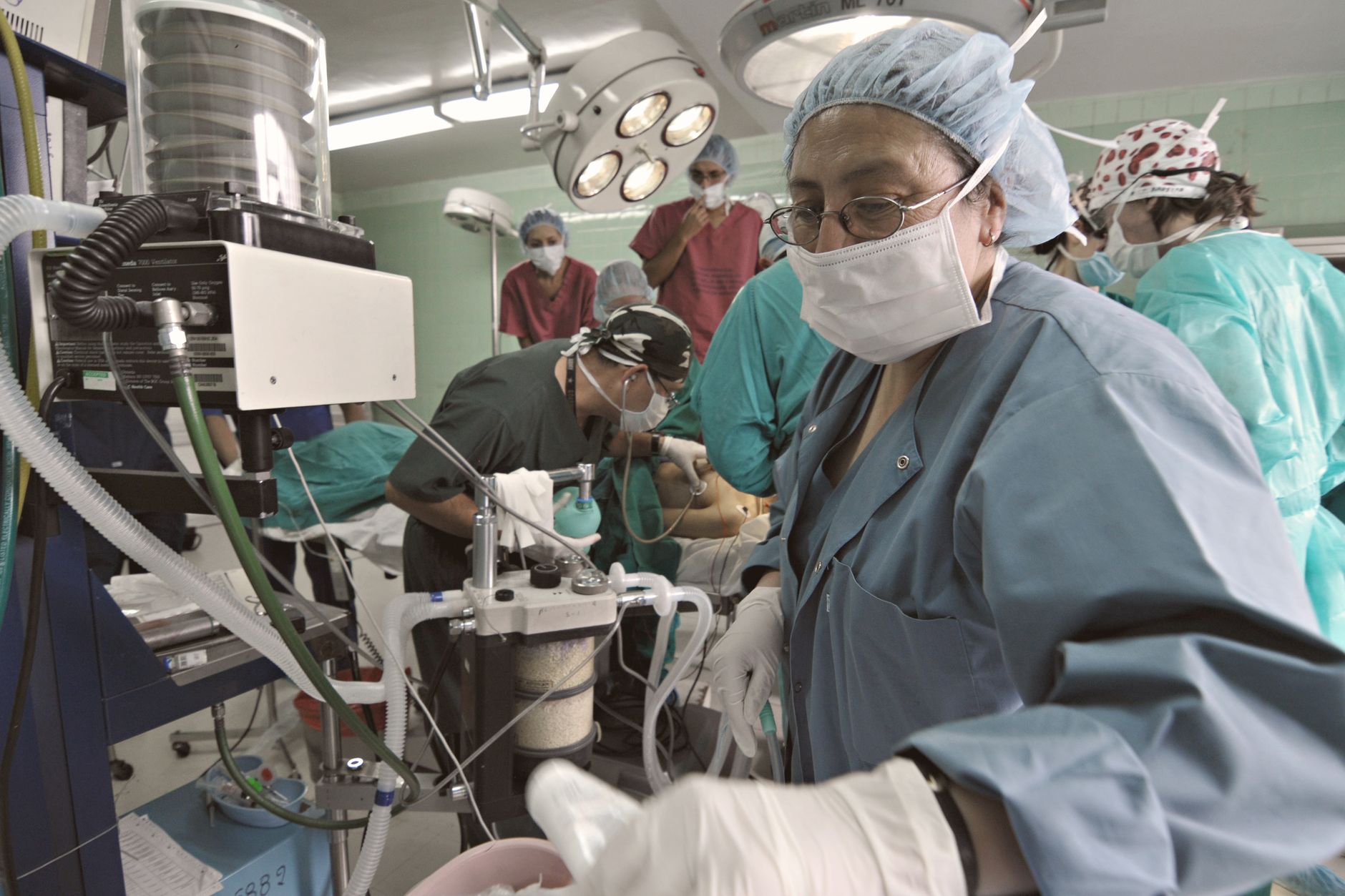

The collapse of an emergency room physician during a shift is not an isolated incident but a stark manifestation of a pervasive and escalating crisis within emergency medicine. This event underscores the critical need to address physician burnout, a condition with profound implications for both clinician well-being and the quality of patient care.1
The demanding environment of emergency departments (EDs) inherently exposes physicians to high-stress situations, long hours, and emotionally taxing encounters. These factors, when compounded by systemic inefficiencies, administrative burdens, and inadequate support structures, contribute to a high prevalence of burnout among emergency physicians. Burnout is characterized by emotional exhaustion, depersonalization (a cynical attitude towards patients), and a reduced sense of personal accomplishment. The consequences extend beyond individual suffering, directly affecting patient safety, diagnostic accuracy, and the overall efficacy of care delivery. Understanding the multifaceted etiology and impact of this phenomenon is critical for developing effective mitigation strategies.
Emergency medicine is unique in its unpredictable patient volume, acuity, and the necessity for rapid, high-stakes decision-making. Physicians in this specialty routinely manage life-threatening conditions, trauma, and acute exacerbations of chronic diseases, often with limited resources and under intense time pressure. The average shift length for an emergency physician can range from 8 to 12 hours, frequently involving night shifts, weekend work, and irregular schedules, which disrupt circadian rhythms and social support networks. These operational realities create a fertile ground for chronic stress and fatigue. Furthermore, the emotional toll of witnessing human suffering, delivering difficult news, and experiencing patient mortality contributes significantly to psychological distress. The cumulative effect of these stressors, without adequate recovery and support, precipitates burnout.1
A significant contributor to burnout is the increasing administrative burden placed on physicians. Electronic health records (EHRs), while intended to improve documentation and patient safety, often add hours to a physician's workday. Data entry, charting, and navigating complex interfaces can consume a substantial portion of a physician's time, diverting focus from direct patient interaction. Studies have shown that emergency physicians spend approximately 43% of their time on EHR-related tasks and only 28% on direct patient care. This imbalance leads to feelings of inefficiency and frustration, exacerbating emotional exhaustion. The pressure to meet productivity metrics, often tied to patient throughput and billing, further intensifies the workload and reduces the time available for thorough patient assessment and communication.2
Workforce shortages are another critical factor. Many EDs operate with insufficient staffing levels, leading to increased patient-to-physician ratios and longer wait times. This understaffing forces existing physicians to manage an unmanageable patient load, accelerating the onset of fatigue and increasing the likelihood of errors. The lack of adequate support staff, such as nurses, physician assistants, and medical scribes, further compounds the problem, requiring physicians to undertake tasks that could otherwise be delegated. This constant state of being overwhelmed erodes professional satisfaction and contributes to depersonalization, as physicians may feel compelled to process patients rapidly rather than engage in comprehensive care.3
The impact of physician burnout on patient care is substantial and well-documented. Burned-out physicians are more prone to making medical errors. Emotional exhaustion can impair cognitive function, leading to reduced attention to detail, slower reaction times, and compromised decision-making. Depersonalization can manifest as a cynical or detached attitude towards patients, potentially leading to less empathetic communication, reduced patient satisfaction, and a higher likelihood of missed diagnoses or suboptimal treatment plans. A meta-analysis of multiple studies indicated that physician burnout is associated with a two-fold increase in the risk of medical errors. These errors can range from medication mistakes to diagnostic inaccuracies, all of which can have severe consequences for patient outcomes.4
Moreover, burnout contributes to higher rates of physician turnover. When experienced emergency physicians leave the profession or reduce their clinical hours, it exacerbates existing workforce shortages, placing even greater strain on those who remain. This creates a vicious cycle, where increased workload drives more physicians to leave, further intensifying the burden on the remaining staff. The financial implications for healthcare systems are also significant, as replacing a physician involves substantial recruitment, onboarding, and training costs. The loss of experienced clinicians also results in a loss of institutional knowledge and mentorship, negatively impacting the development of junior staff.5
The psychological toll on physicians themselves is profound. Burnout is strongly correlated with increased rates of depression, anxiety, substance abuse, and suicidal ideation among medical professionals. Emergency physicians, due to the acute nature of their work, are particularly vulnerable. The stigma associated with mental health issues in the medical profession often prevents physicians from seeking help, perpetuating a culture of silence and suffering. This personal suffering directly undermines the resilience and capacity of the healthcare workforce, making it more challenging to provide high-quality care.6
Addressing physician burnout requires a multi-faceted, systemic approach rather than focusing solely on individual coping mechanisms. Healthcare organizations must prioritize interventions that target the root causes of burnout. This includes optimizing staffing levels to ensure manageable patient loads and adequate support staff. Implementing efficient EHR systems that minimize administrative burden, perhaps through the use of medical scribes or improved user interfaces, can free up physician time for direct patient care. Streamlining workflow processes and reducing unnecessary documentation requirements are also critical.7
Furthermore, fostering a supportive work environment is essential. This involves promoting a culture of psychological safety where physicians feel comfortable discussing challenges, seeking help, and reporting errors without fear of punitive measures. Providing access to mental health services, confidential counseling, and peer support programs can help physicians manage stress and build resilience. Implementing flexible scheduling options and promoting work-life balance initiatives can also contribute to physician well-being. Leadership engagement is paramount; hospital administrators and department chairs must actively champion these initiatives and allocate the necessary resources to support them.8
The collapse of an emergency physician at work serves as a critical indicator of a healthcare system under immense strain. It highlights the urgent need for comprehensive strategies that protect the well-being of medical professionals, not only for their sake but for the safety and quality of care delivered to every patient. Ignoring this crisis will have increasingly dire consequences for public health and the sustainability of our healthcare infrastructure. The evidence is clear: investing in physician well-being is an investment in patient care.9
The incident of an emergency physician collapsing on duty is not merely a dramatic anecdote; it is a symptom of a deeply entrenched systemic failure. For clinicians, particularly those in high-acuity specialties, this underscores the critical need for self-advocacy and a collective voice in demanding structural changes. It is no longer sufficient to advise individual resilience training; the problem lies in the relentless operational demands, the administrative burden of EHRs that transform patient interaction into data entry, and the chronic understaffing that forces physicians to operate at unsustainable capacities. The expectation that clinicians should simply 'cope' with conditions that demonstrably impair their cognitive function and increase medical error rates is professionally negligent and clinically dangerous.
From an industry perspective, healthcare systems that fail to address physician burnout are making a short-sighted economic error. High turnover rates, increased medical malpractice claims stemming from errors, and reduced patient satisfaction all carry significant financial penalties. Investing in adequate staffing, optimizing technology to support rather than hinder workflow, and providing genuine mental health support are not luxuries; they are essential operational expenditures. Guideline bodies and regulatory agencies, such as the American Medical Association or the Royal College of Emergency Medicine, must move beyond recommendations and push for enforceable standards regarding physician workload and support. The current evidence base is robust enough to warrant such action.
For patients, the implications are stark. When an emergency physician is burned out, the risk of diagnostic error, delayed treatment, and reduced empathy increases significantly. This is not a hypothetical risk; studies consistently link physician burnout to adverse patient outcomes. Patients entering an emergency department should be confident that their care provider is operating at their best, not on the verge of collapse. The public needs to understand that the quality of their care is inextricably linked to the well-being of their clinicians. Advocacy for better working conditions for physicians is, in essence, advocacy for safer, more effective patient care.
- The Pivot Physician burnout, particularly in emergency medicine, is a systemic issue extending beyond individual resilience, directly compromising patient safety and healthcare system integrity.
- The Data Studies indicate burnout rates among emergency physicians exceeding 60%, with significant associations to medical errors and reduced diagnostic accuracy.
- The Action Healthcare systems must implement multi-faceted interventions addressing workload, administrative burden, and psychological support to mitigate burnout and safeguard patient outcomes.
ART-2026-627
·10/26
Drafted with AI assistance, reviewed and approved by the editorial team. This publication is intended for healthcare professionals, researchers, and life science industry professionals. Content is provided for informational and educational purposes only and does not constitute medical advice.

I write about AI in healthcare: the validation studies, the deployment failures, and the regulatory questions without answers yet. Based in San Francisco, close to where the technology is built.
Cite This Article
Chen L, Voss M. Emergency physician burnout: a systemic crisis with patient impact. The Life Science Feed. Published June 29, 2026. Updated October 6, 2026. Accessed October 11, 2026. https://thelifesciencefeed.com/critical-care/cardiac-arrest/case/emergency-physician-burnout-a-systemic-crisis-with-patient-impact.
Editorial & AI Standards
All content is researched from peer-reviewed, open-access sources: published trial data, clinical guidelines, and regulatory filings. AI tools are used solely to structure and summarise that evidence; no AI-generated conclusions appear without editor verification against the primary source.
Every article is reviewed by a named editor before publication. Source citations are listed in the References section. This content does not represent the views of any pharmaceutical company, medical device manufacturer, or healthcare provider.
Licence & Rights
© 2026 The Life Science Feed. All rights reserved. Unless otherwise indicated, all content is the property of The Life Science Feed and may not be reproduced, distributed, or transmitted in any form or by any means without prior written permission.
Medical Disclaimer
The information provided on The Life Science Feed is for educational and informational purposes only. It is not intended as a substitute for professional medical advice, diagnosis, or treatment. Always seek the advice of your physician or other qualified healthcare provider regarding any medical condition or treatment decision. Never disregard professional medical advice or delay in seeking it because of something you have read on this website.
References
1. Shanafelt TD, Noseworthy JH. Executive leadership and physician burnout: addressing a crisis. Mayo Clin Proc. 2017;92(1):129-146. doi:10.1016/j.mayocp.2016.10.004
2. Arndt BG, et al. Tethered to the EHR: primary care physician workload assessment using EHR event log data and time-motion observations. Ann Fam Med. 2017;15(3):259-264. doi:10.1370/afm.2121
3. Adriaenssens J, et al. Burnout in emergency nurses: a systematic review. J Adv Nurs. 2015;71(5):976-987.
4. Panagioti M, et al. Association of physician burnout with medical errors and professionalism lapses: a systematic review and meta-analysis. JAMA Intern Med. 2018;178(10):1316-1330. doi:10.1001/jamainternmed.2020.1755
5. Dyrbye LN, et al. Burnout and serious thoughts of suicide. Arch Intern Med. 2008;168(7):745-750.
6. West CP, et al. Physician burnout and career satisfaction in the United States: a comparison of specialties. Mayo Clin Proc. 2014;89(12):1600-1613.
7. Sinsky CA, et al. Allocation of physician time in ambulatory practice: a time and motion study in 4 specialties. Ann Intern Med. 2016;165(11):753-760. doi:10.7326/m16-0961
8. National Academies of Sciences, Engineering, and Medicine. Taking action against clinician burnout: a systems approach to professional well-being. Washington, DC: The National Academies Press; 2019. doi:10.17226/25521
9. Tawfik DS, et al. Physician burnout, well-being, and work unit safety grades in relationship to reported medical errors. Mayo Clin Proc. 2017;92(1):111-120. doi:10.1016/j.mayocp.2018.05.014