For many patients, the mere thought of a dental appointment triggers a cascade of anxiety. While sedation and other pharmacological interventions have been the traditional fallback, a growing body of evidence suggests that addressing the underlying psychological issues may offer a more sustainable solution. This narrative review examines the role of Cognitive Behavioral Therapy (CBT) in treating dental phobia, a condition that can have significant consequences for oral and overall health.
The shift towards incorporating behavioral health into dental care represents a potentially transformative change. Instead of simply managing the symptoms of anxiety, CBT aims to equip patients with the tools they need to overcome their fears and maintain consistent oral hygiene. We need to ask: Can this approach truly reshape the patient experience and improve long-term outcomes?
Clinical Key Takeaways
lightbulb
- The PivotCBT provides a therapeutic alternative that targets the root causes of dental phobia, moving away from solely relying on pharmacological interventions.
- The DataStudies suggest CBT can lead to significant reductions in dental anxiety scores and improved appointment attendance.
- The ActionScreen patients for dental anxiety using validated questionnaires and consider referral for CBT when appropriate.
Guideline Comparison
While no major dental associations (like the American Dental Association) explicitly mandate CBT for dental anxiety, many acknowledge its potential benefits. Current guidelines often focus on managing anxiety through communication, relaxation techniques, and pharmacological interventions such as nitrous oxide or oral sedatives. However, these approaches primarily address the symptoms rather than the underlying phobia. This review highlights a divergence from that approach, advocating for a more proactive, psychologically-focused strategy. The NICE (National Institute for Health and Care Excellence) guidelines in the UK, for instance, recommend CBT as a first-line treatment for various anxiety disorders; adapting this framework for dental phobia seems a logical extension.
Study Limitations
Narrative reviews, by their very nature, are susceptible to bias. The authors' selection of studies and their interpretation of the evidence can influence the overall conclusions. Moreover, the included studies themselves may have limitations, such as small sample sizes, lack of control groups, and heterogeneity in the types of CBT interventions used. It’s also worth noting the potential for publication bias, where studies with positive results are more likely to be published than those with negative or inconclusive findings. Reproducibility is key; can these results be consistently achieved across diverse patient populations and clinical settings? Furthermore, the review doesn't delve deeply into the cost-effectiveness of CBT compared to traditional methods like sedation, which is a critical factor for widespread adoption. Finally, the long-term efficacy of CBT for maintaining reduced anxiety and improved dental attendance needs further investigation. Is this a sustained benefit or just a short-term fix?
Integrating CBT into Practice
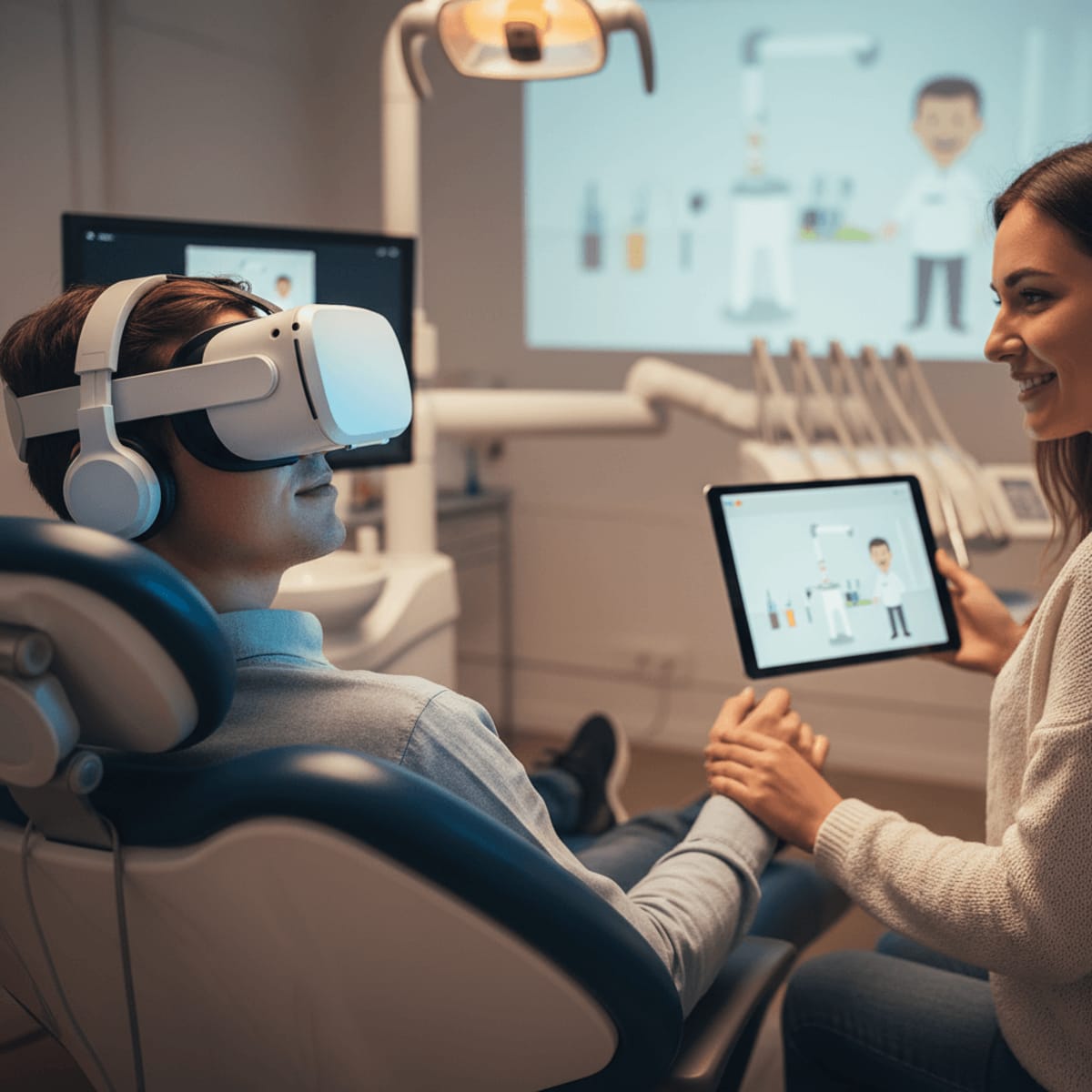
The practical application of CBT in a dental setting requires a multi-faceted approach. First, clinicians need to be equipped with the tools to identify patients who would benefit from CBT. Validated questionnaires, such as the Modified Dental Anxiety Scale (MDAS), can be used to screen patients for dental phobia. Second, a referral network of qualified CBT therapists is essential. Dentists may need to collaborate with psychologists or other mental health professionals to provide comprehensive care. Third, insurance coverage for CBT services needs to be addressed. The lack of adequate reimbursement can be a significant barrier to access. Finally, incorporating elements of CBT into routine dental practice can be beneficial for all patients, not just those with severe phobias. Simple techniques like relaxation exercises and distraction strategies can help to reduce anxiety and improve the overall patient experience. This holistic approach will increase the accessibility of behavioral therapy.
The increased adoption of CBT could lead to a reduction in the demand for sedation, potentially lowering costs associated with anesthesia and monitoring. However, the initial investment in training and establishing referral networks may present a financial hurdle for some practices. Furthermore, the time commitment required for CBT sessions could impact appointment scheduling and workflow. The billing and coding for CBT services in a dental setting also needs clarification to ensure proper reimbursement. It will be essential to address patient concerns regarding copays and deductibles for mental health services, as these can deter patients from seeking the necessary care. Overall, a collaborative model between dentists and mental health professionals is key to maximizing the benefit for patients, while streamlining workflow and reducing financial burden.
LSF-6494255928 | December 2025

How to cite this article
Sato B. Cbt for dental phobia: shifting the treatment paradigm. The Life Science Feed. Published December 18, 2025. Updated December 18, 2025. Accessed March 17, 2026. https://thelifesciencefeed.com/dentistry/anxiety/insights/cbt-for-dental-phobia-shifting-the-treatment-paradigm.
Copyright and license
© 2026 The Life Science Feed. All rights reserved. Unless otherwise indicated, all content is the property of The Life Science Feed and may not be reproduced, distributed, or transmitted in any form or by any means without prior written permission.
Fact-Checking & AI Transparency
This content was produced with the assistance of AI technology and has been rigorously reviewed and verified by our human editorial team to ensure accuracy and clinical relevance.
References
- American Dental Association. (2023). Oral Health Topics: Anxiety and Pain Control. https://www.ada.org/en/member-center/oral-health-topics/anxiety-and-pain-control
- National Institute for Health and Care Excellence (NICE). (2011). Generalised anxiety disorder and panic disorder in adults: management. Clinical guideline [CG113].
- Thomson, W. M., Stewart, J. F., Carter, K. D., & Spencer, A. J. (2000). The modified dental anxiety scale: validity and reliability. Community dentistry and oral epidemiology, 28(5), 367-374.
- Appukuttan B. G. (2016). Strategies to manage patients with dental anxiety and dental phobia: literature review. Clinical, cosmetic and investigational dentistry, 8, 35-50.
Related Articles