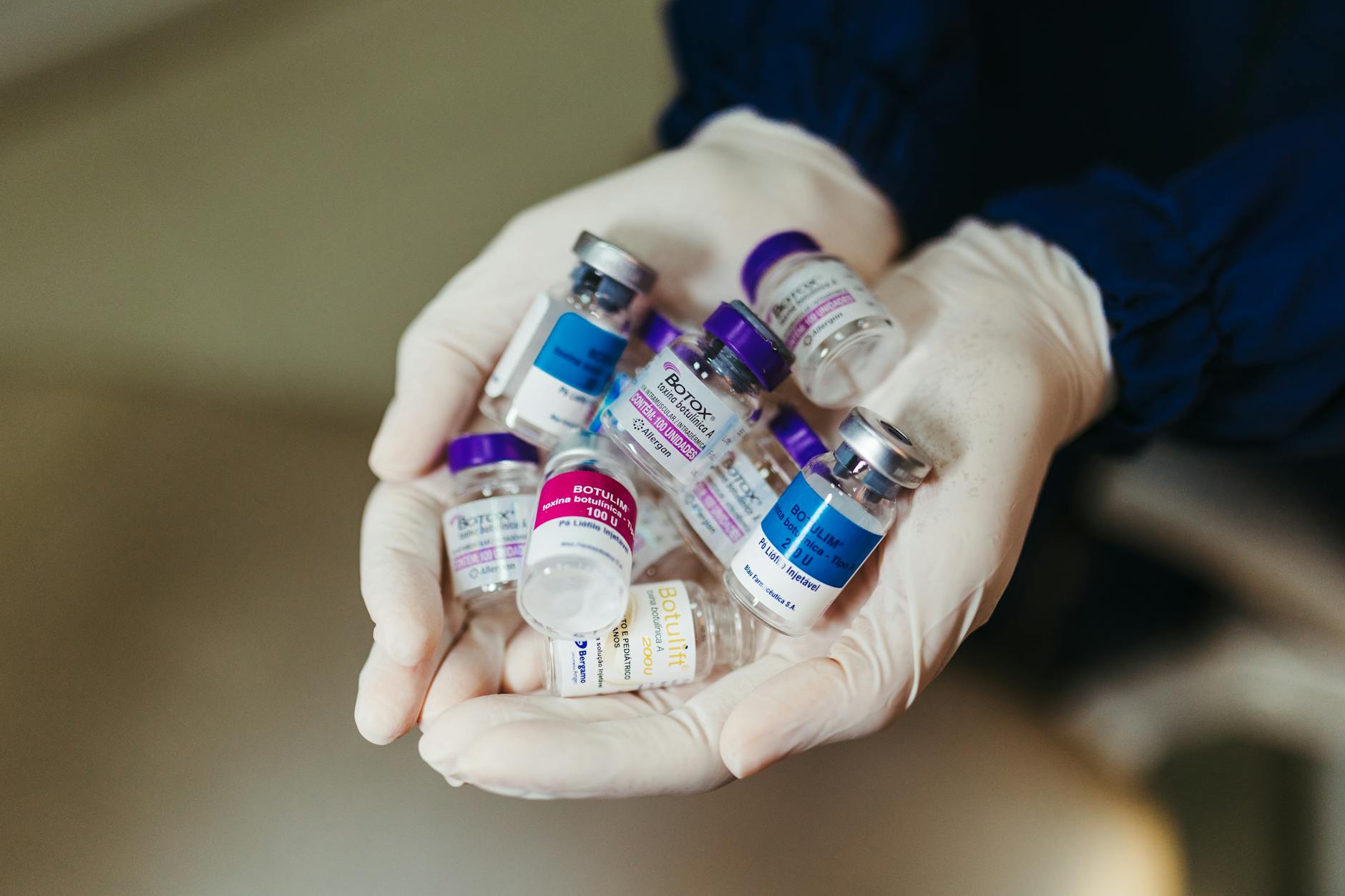

The aesthetic market for neuromodulators remains a lucrative, competitive space, with clinicians continually seeking therapies offering improved efficacy, duration, or safety profiles. Galderma's relabotulinumtoxinA, an investigational liquid formulation of botulinum toxin type A, aimed to carve out a niche in this crowded field. The FDA, however, has now issued a second Complete Response Letter (CRL) for the drug, effectively halting its approval process once more.
The aesthetic market for neuromodulators, primarily driven by botulinum toxin type A products, continues its steady expansion. Clinicians and patients alike seek formulations that offer predictable results, a rapid onset of action, and a sustained duration of effect. Galderma's relabotulinumtoxinA, a novel liquid formulation, entered development with the promise of addressing some of these desires, aiming to simplify preparation and potentially improve consistency compared to lyophilized products. The drug's journey to market has been fraught, however, culminating in a second Complete Response Letter from the US Food and Drug Administration. This latest rejection underscores persistent regulatory hurdles, specifically concerning manufacturing and quality control processes, rather than the clinical data itself.
RelabotulinumtoxinA is a highly purified botulinum toxin type A, developed as a ready-to-use liquid formulation. This eliminates the need for reconstitution, a step required for most currently available botulinum toxin products. The proposed indications included the temporary improvement of moderate to severe glabellar lines (frown lines) and lateral canthal lines (crow's feet). Galderma's New Drug Application (NDA) for relabotulinumtoxinA was supported by a comprehensive clinical program, including the READY-1 and READY-2 Phase III trials for glabellar lines, and the READY-3 trial for lateral canthal lines. These trials collectively enrolled over 1,900 participants across multiple sites, evaluating the drug's efficacy, safety, and duration of effect. The primary endpoint for efficacy in the glabellar line studies was the proportion of responders at Week 4, defined as a 2-point or greater improvement from baseline on both the investigator and patient Global Aesthetic Improvement Scale (GAIS).
Manufacturing Concerns Persist
The FDA's initial Complete Response Letter for relabotulinumtoxinA, issued in October 2023, cited deficiencies related to manufacturing processes. Galderma subsequently resubmitted the NDA, believing it had addressed the agency's concerns. But the second CRL, announced in June 2024, indicates that these issues remain unresolved. The agency has not raised concerns regarding the clinical safety or efficacy data generated from the extensive Phase III program. Instead, the focus remains squarely on the manufacturing facility and associated quality control systems, suggesting a systemic problem that requires significant remediation before the drug can be considered for approval.
In the READY-1 and READY-2 trials, relabotulinumtoxinA demonstrated robust efficacy for glabellar lines. In READY-1, a total of 691 patients were randomised to receive either 20U or 40U of relabotulinumtoxinA or placebo. At Week 4, 87% of patients receiving 20U and 95% of patients receiving 40U achieved the primary endpoint, compared to 1% for placebo (P<.001 for both doses vs. placebo). Similar results emerged from READY-2, which enrolled 670 patients. Here, 84% of patients in the 20U group and 94% in the 40U group met the primary endpoint at Week 4, versus 1% for placebo (P<.001 for both). The duration of effect, a key differentiator in the neuromodulator market, also appeared favorable. In READY-1, the median duration of effect for the 40U dose was 24 weeks, with some patients maintaining improvement for up to 36 weeks. The 20U dose showed a median duration of 16 weeks. These figures compare favorably to existing products, which typically offer 3-4 months of effect.
The READY-3 trial, which investigated relabotulinumtoxinA for lateral canthal lines, also reported positive outcomes. Patients treated with 20U of relabotulinumtoxinA achieved a 90% responder rate at Week 4, compared to 1% for placebo (P<.001). The median duration of effect for this indication was 20 weeks. Across all trials, the safety profile of relabotulinumtoxinA was consistent with other botulinum toxin products. The most common adverse events were injection site reactions, headache, and eyelid ptosis, all generally mild to moderate in severity and transient. No new or unexpected safety signals emerged from the large patient exposure.
But strong clinical data, however compelling, cannot overcome manufacturing deficiencies in the eyes of the FDA. The agency's stringent requirements for Good Manufacturing Practice (GMP) ensure product quality, consistency, and safety. A CRL focused on manufacturing typically means the FDA identified issues with facility controls, process validation, sterility assurance, or other aspects of production that could compromise the drug's integrity or potency. Until these issues are fully resolved and verified through re-inspection or additional documentation, the drug cannot proceed to approval. The specific nature of the deficiencies remains confidential between Galderma and the FDA, but the repeated rejection suggests a complex and perhaps deeply embedded problem within the production pipeline for relabotulinumtoxinA.
The repeated delays for relabotulinumtoxinA highlight the significant regulatory hurdles even well-established pharmaceutical companies face. Galderma, a major player in the dermatology space, has extensive experience navigating these processes. Still, the FDA's unwavering stance on manufacturing quality demonstrates its commitment to public safety over market expediency. The company has stated it will continue to work with the FDA to address the concerns. But the timeline for a potential resubmission and subsequent approval remains uncertain, leaving clinicians and patients waiting for a product that has shown clinical promise but cannot yet meet regulatory standards for production.
The FDA's second rejection of relabotulinumtoxinA is a clear signal that manufacturing integrity trumps clinical efficacy in the regulatory process. Clinicians should not interpret this as a judgment on the drug's performance in trials, which appeared robust, but rather as a failure of Galderma's production pipeline to meet stringent quality standards. This means the aesthetic market will not see a new liquid botulinum toxin formulation anytime soon, despite the potential convenience benefits it offered.
For patients, this simply means continued reliance on existing, approved botulinum toxin products. While relabotulinumtoxinA showed competitive duration and efficacy in trials, its absence from the market does not create an immediate unmet need, given the array of effective options already available. The delay does, however, postpone the potential for a ready-to-use liquid formulation, which could have streamlined clinic workflows.
Galderma now faces a significant challenge. Addressing manufacturing deficiencies often requires substantial capital investment and time, potentially involving facility upgrades, process revalidation, and extensive documentation. The company's ability to quickly resolve these issues will dictate if and when relabotulinumtoxinA can finally enter a market already dominated by established players like Allergan's Botox and Evolus's Jeuveau. The clinical data was compelling, but the manufacturing process proved to be the Achilles' heel.
- The Pivot The FDA's second rejection of relabotulinumtoxinA signals persistent manufacturing and quality control issues, not clinical efficacy.
- The Data Clinical trials demonstrated efficacy in glabellar lines, with a 95% responder rate at 1 month for 40U (P<.001).
- The Action Clinicians should continue to rely on currently approved botulinum toxin formulations, as relabotulinumtoxinA's market entry remains uncertain.
ART-2026-652
07/26
Cite This Article
Team E. Fda rejects galderma's relabotulinumtoxina for second time. The Life Science Feed. Published July 7, 2026. Updated July 7, 2026. Accessed July 7, 2026. https://thelifesciencefeed.com/dermatology/acne-vulgaris/news/fda-rejects-galdermas-relabotulinumtoxina-for-second-time.
Editorial & AI Standards
All content is researched from peer-reviewed, open-access sources: published trial data, clinical guidelines, and regulatory filings. AI tools are used solely to structure and summarise that evidence; no AI-generated conclusions appear without editor verification against the primary source.
Every article is reviewed by a named editor before publication. Source citations are listed in the References section. This content does not represent the views of any pharmaceutical company, medical device manufacturer, or healthcare provider.
Licence & Rights
© 2026 The Life Science Feed. All rights reserved. Unless otherwise indicated, all content is the property of The Life Science Feed and may not be reproduced, distributed, or transmitted in any form or by any means without prior written permission.
Medical Disclaimer
The information provided on The Life Science Feed is for educational and informational purposes only. It is not intended as a substitute for professional medical advice, diagnosis, or treatment. Always seek the advice of your physician or other qualified healthcare provider regarding any medical condition or treatment decision. Never disregard professional medical advice or delay in seeking it because of something you have read on this website.