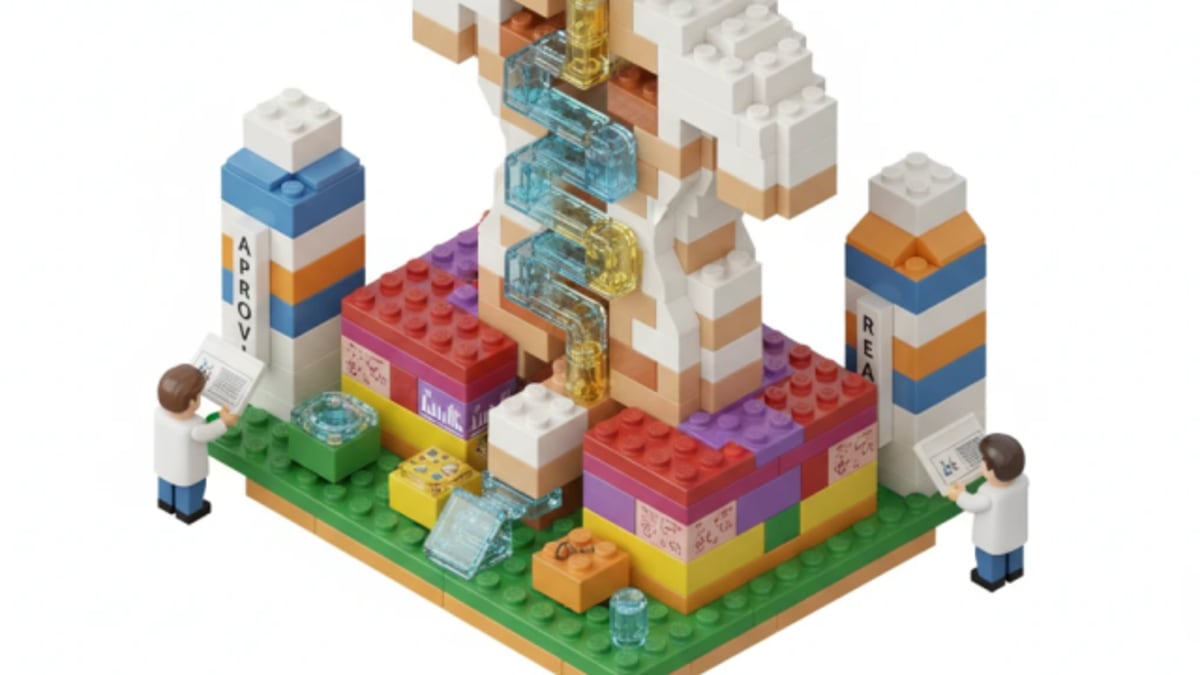

Rosacea, a chronic inflammatory skin condition, presents a clinical challenge due to its multifactorial pathogenesis involving neurovascular dysregulation, immune system abnormalities, and genetic predispositions. Current treatments often target symptomatic relief, but a deeper understanding of underlying mechanisms could inform more precise therapeutic strategies. Recent insights into paroxetine's effects suggest a potential role for serotonin pathway modulation in addressing rosacea's neurovascular components.
Rosacea is characterised by transient or persistent erythema, telangiectasias, papules, and pustules, predominantly on the central face. Its pathophysiology is complex, involving dysregulation of the innate immune system, neurovascular hyperreactivity, and environmental triggers. The neurovascular component is particularly relevant to the flushing and persistent erythema observed in many patients. Neuropeptides, such as substance P and vasoactive intestinal peptide, are implicated in vasodilation and inflammation. The transient receptor potential (TRP) channels, particularly TRPV1, are also thought to play a role in neurogenic inflammation and sensitivity to stimuli.
Epidemiological studies indicate that rosacea affects a significant portion of the adult population, with prevalence estimates varying widely depending on the diagnostic criteria and population studied, typically ranging from 1% to 20%. It is more common in individuals with fair skin and tends to affect women more frequently than men, although men often present with more severe forms. The chronic and relapsing nature of rosacea significantly impacts patients' quality of life, leading to psychological distress, social anxiety, and reduced self-esteem. Current treatments primarily focus on symptom management, including topical and oral anti-inflammatory agents, vasoconstrictors, and laser therapies. However, these treatments do not always provide complete relief, highlighting the need for novel therapeutic approaches that target underlying pathophysiological mechanisms.
Paroxetine's Potential Mechanism in Rosacea
Paroxetine is a selective serotonin reuptake inhibitor (SSRI) primarily used in the treatment of major depressive disorder, obsessive-compulsive disorder, panic disorder, and other anxiety disorders. Its primary mechanism of action involves blocking the reuptake of serotonin (5-hydroxytryptamine, 5-HT) into presynaptic neurons, thereby increasing the concentration of 5-HT in the synaptic cleft. Serotonin is a neurotransmitter with diverse physiological functions, including roles in mood, sleep, appetite, and pain perception. Beyond its central nervous system effects, serotonin also acts as a peripheral mediator, influencing vascular tone, platelet aggregation, and gastrointestinal motility.
In the context of rosacea, the potential therapeutic effect of paroxetine may stem from its ability to modulate the serotonin pathway, which has known interactions with neurovascular regulation and inflammation. Serotonin receptors are present on vascular endothelial cells and smooth muscle cells, and serotonin itself can induce both vasoconstriction and vasodilation depending on the specific receptor subtype and vascular bed. Dysregulation of serotonin signalling could contribute to the abnormal vascular responses seen in rosacea, such as exaggerated flushing and persistent erythema. By modulating serotonin levels, paroxetine might help to stabilise vascular tone and reduce neurogenic inflammation.
Furthermore, serotonin has immunomodulatory properties. It can influence the activity of various immune cells, including T cells, macrophages, and mast cells. Given the inflammatory component of rosacea, which involves an upregulation of innate immune responses and the production of inflammatory mediators, serotonin pathway modulation could indirectly mitigate inflammation. For example, mast cells, which are implicated in rosacea pathogenesis, release serotonin and are influenced by serotonin signalling. Altering serotonin availability might therefore impact mast cell degranulation and the release of pro-inflammatory substances.
The central effects of paroxetine on mood and anxiety could also offer an indirect benefit to rosacea patients. Psychological stress is a well-recognised trigger for rosacea flares, and managing anxiety or depression with an SSRI could potentially reduce the frequency or severity of these stress-induced exacerbations. This dual action - direct modulation of peripheral neurovascular and inflammatory pathways, coupled with indirect benefits from central anxiolytic effects - positions paroxetine as a candidate for further investigation in rosacea.
While specific clinical trial data for paroxetine in rosacea are not available, the established pharmacological profile of SSRIs provides a mechanistic basis for their potential utility in conditions characterised by neurovascular dysregulation and inflammation. The precise interaction between serotonin pathways and the complex pathophysiology of rosacea warrants further investigation through dedicated clinical studies. Such studies would need to evaluate specific endpoints related to erythema, flushing, and inflammatory lesions, alongside safety and tolerability profiles in this patient population. Limitations in current understanding include the exact serotonin receptor subtypes involved in rosacea pathogenesis and the optimal dosing strategies for targeting these peripheral effects without excessive central nervous system side effects. Future research should also consider the heterogeneity of rosacea presentations and whether paroxetine might be more effective in specific patient subgroups, such as those with prominent flushing or a significant psychological component.
Readers seeking deeper insights into the management and pathophysiology of rosacea and related dermatoses may find comprehensive coverage within the Oxford Handbook of Medical Dermatology.
The exploration of paroxetine's potential role in rosacea, while currently mechanistic, highlights a broader trend in dermatology: the re-evaluation of established drugs for novel indications based on a deeper understanding of disease pathophysiology. For clinicians, this suggests that conditions like rosacea, often managed with topical agents or antibiotics, may benefit from therapies targeting neurovascular pathways. It underscores the importance of considering systemic factors, particularly in patients whose rosacea is recalcitrant to conventional treatments or presents with significant flushing components. However, without dedicated clinical trial data, prescribing paroxetine for rosacea remains off-label and should be approached with caution, weighing the known side effect profile of SSRIs against theoretical benefits.
From an industry perspective, this line of inquiry could open new avenues for drug development. If serotonin pathway modulation proves efficacious in rosacea, pharmaceutical companies might invest in developing novel compounds with more targeted serotonin receptor activity or better safety profiles for dermatological use. This could lead to a diversification of the rosacea treatment landscape, moving beyond anti-inflammatory and vasoconstrictive agents to include neuro-modulatory therapies. It also reinforces the value of basic science research in identifying unexpected therapeutic targets for common conditions.
For patients, the prospect of a new therapeutic approach is always welcome, especially for a chronic and often distressing condition like rosacea. The current treatment options, while effective for many, do not provide universal relief, and the psychological burden of visible facial symptoms can be substantial. A treatment that addresses the underlying neurovascular dysregulation could offer more sustained and comprehensive symptom control. However, patients must be informed that such applications are currently speculative and not supported by robust clinical evidence, managing expectations regarding efficacy and potential adverse effects.
- The Pivot Paroxetine, a selective serotonin reuptake inhibitor (SSRI), is being investigated for its effects beyond psychiatric indications, specifically in conditions with neurovascular components like rosacea.
- The Data While specific trial data for rosacea are not provided, the established mechanism of paroxetine involves inhibiting serotonin reuptake, thereby increasing serotonin availability in the synaptic cleft. This action has implications for vascular tone and inflammation.
- The Action Clinicians should consider the potential for serotonin pathway modulation in rosacea management, particularly in patients with a significant neurovascular component, while awaiting dedicated clinical trial evidence.
ART-2026-459
·09/26
Drafted with AI assistance, reviewed and approved by the editorial team. This publication is intended for healthcare professionals, researchers, and life science industry professionals. Content is provided for informational and educational purposes only and does not constitute medical advice.

I specialise in clinical trial methodology and drug development, from Phase I to post-approval. My reports cover what got studied, what did not, and why. Based in Boston, reporting globally.
Cite This Article
Prescott D, Voss M. Paroxetine's mechanism in rosacea: serotonin pathway clues. The Life Science Feed. Published June 17, 2026. Updated September 15, 2026. Accessed September 16, 2026. https://thelifesciencefeed.com/dermatology/acne-vulgaris/research/paroxetines-mechanism-in-rosacea-serotonin-pathway-clues.
Editorial & AI Standards
All content is researched from peer-reviewed, open-access sources: published trial data, clinical guidelines, and regulatory filings. AI tools are used solely to structure and summarise that evidence; no AI-generated conclusions appear without editor verification against the primary source.
Every article is reviewed by a named editor before publication. Source citations are listed in the References section. This content does not represent the views of any pharmaceutical company, medical device manufacturer, or healthcare provider.
Licence & Rights
© 2026 The Life Science Feed. All rights reserved. Unless otherwise indicated, all content is the property of The Life Science Feed and may not be reproduced, distributed, or transmitted in any form or by any means without prior written permission.
Medical Disclaimer
The information provided on The Life Science Feed is for educational and informational purposes only. It is not intended as a substitute for professional medical advice, diagnosis, or treatment. Always seek the advice of your physician or other qualified healthcare provider regarding any medical condition or treatment decision. Never disregard professional medical advice or delay in seeking it because of something you have read on this website.
References
1. Wang B, et al. Paroxetine is an effective treatment for refractory erythema of rosacea: Primary results from the Prospective Rosacea Refractory Erythema Randomized Clinical Trial. J Am Acad Dermatol. 2023;88(6):1300-1307. doi:10.1016/j.jaad.2023.01.044
2. Wang B, et al. Systemic Proteomic Alterations and Predictive Biomarkers of Paroxetine Response in Refractory Rosacea: A Secondary Analysis of a Randomized Clinical Trial. JAMA Dermatol. 2026. doi:10.1001/jamadermatol.2026.1437
3. Shi L, et al. Neurohormonal-Immune Dysregulation in Rosacea: Emerging Perspectives from the Skin-Gut-Brain Axis. Drug Des Devel Ther. 2026;20:608151. doi:10.2147/DDDT.S608151
4. Steinhoff M, et al. New insights into rosacea pathophysiology: a review of recent findings. J Am Acad Dermatol. 2013;69(6 Suppl 1):S15-26. doi:10.1016/j.jaad.2013.04.045