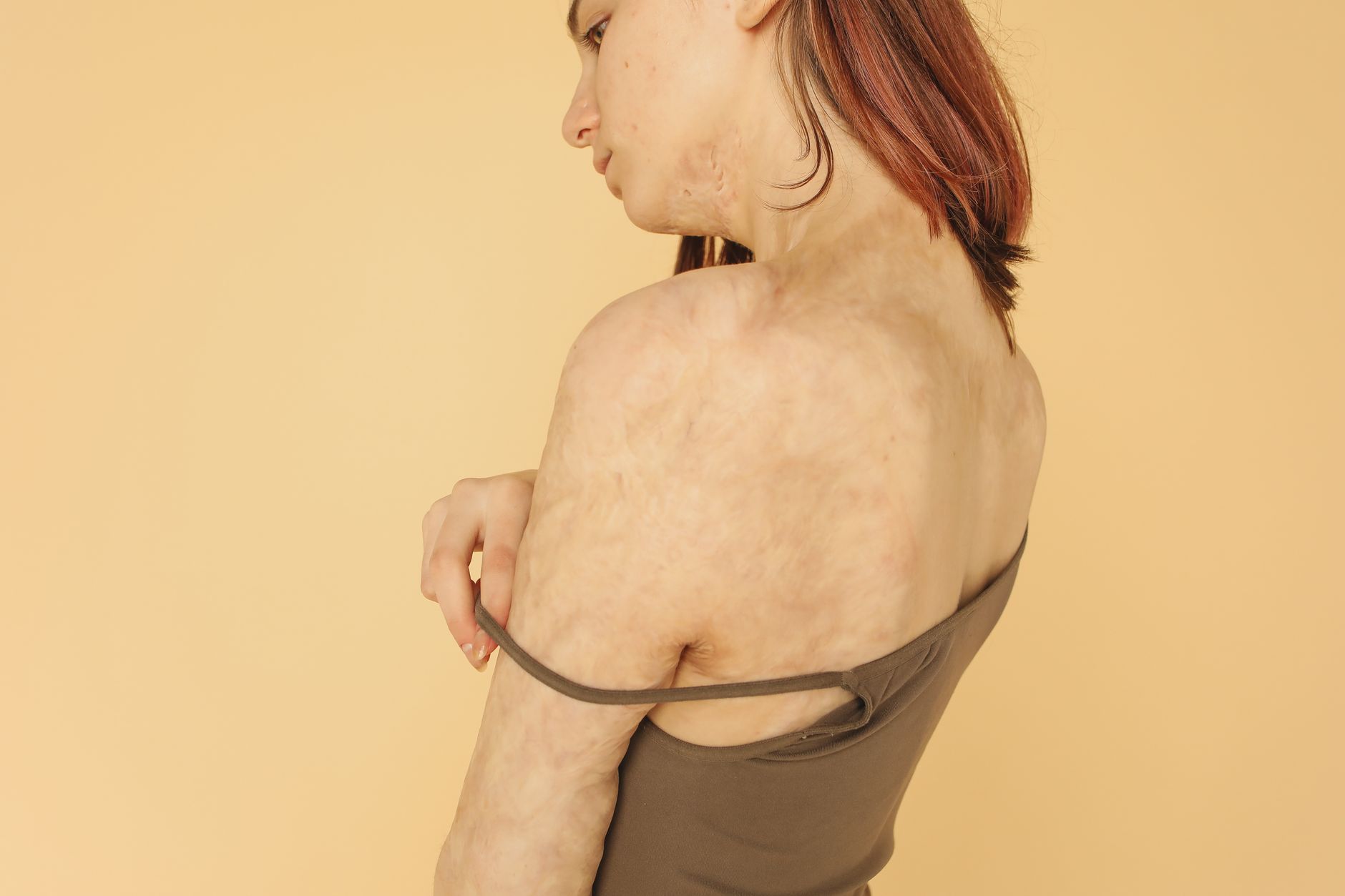

Eczema management has long relied on topical corticosteroids (TCS), but a growing patient movement and emerging research have forced a reckoning with topical steroid withdrawal (TSW). This distinct, iatrogenic syndrome presents a diagnostic challenge for clinicians, often mistaken for a severe flare of the original dermatosis. New research clarifies the pathology of TSW, distinguishing it from other skin conditions and identifying a potential therapeutic target.1,2
The debate surrounding topical steroid withdrawal (TSW) has intensified over the past few years, moving from patient advocacy forums into the medical literature and regulatory discussions. For many clinicians, the idea that prolonged topical corticosteroid use could induce a distinct, severe withdrawal syndrome, rather than simply exacerbating the original skin condition, has been difficult to accept. This skepticism often stems from a focus on overlapping cutaneous symptoms, which can obscure the syndromic nature of TSW.1
Patients experiencing TSW often report a constellation of symptoms far beyond typical eczema flares, including burning, stinging, intense itching, skin shedding, oedema, and systemic symptoms like fatigue and insomnia. These patient-reported experiences have historically been devalued or dismissed, contributing to diagnostic delays and patient distress. But, recent Delphi protocols have begun to solidify the clinical features and treatment options recognized by clinicians, moving towards a more standardized understanding of the condition.1
Dissecting the Controversy and Identifying Mechanisms
Myles and Ratley, in a 2026 review published in Frontiers in Medicine, systematically dissected the origins and persistence of TSW skepticism. They identified three primary errors contributing to the denial of TSW as a distinct entity. First, a narrow focus on skin pathology that overlaps with other dermopathies ignores the broader syndromic presentation of TSW. Second, there has been a systematic devaluation of patient-reported symptoms, which are central to the TSW experience. Third, a circular logic has asserted that studies into TSW cannot be conducted without first establishing diagnostic criteria, while simultaneously requiring studies to obtain those very criteria. This intellectual impasse has hindered progress and prolonged patient suffering.1
The authors emphasized the importance of recognizing TSW as a syndrome, a collection of signs and symptoms that occur together and characterize a particular abnormality or disease. This syndromic view allows for differentiation from other dermopathies, even those with similar cutaneous manifestations. For example, while severe atopic dermatitis can present with intense erythema and itching, TSW often includes a distinct burning sensation, oedema, and a characteristic 'red sleeve' appearance, particularly on the limbs, which are less common in typical eczema flares.1
Regulatory bodies have begun to acknowledge TSW, updating topical corticosteroid warning labels to include information about the condition. This shift reflects a growing consensus that TSW is a genuine concern requiring clinical attention and patient counseling. The updated labels aim to better inform patients about the risks associated with prolonged TCS use and to empower providers to offer more comprehensive guidance.1
Beyond clinical recognition, research has started to unravel the underlying mechanisms of TSW. Shobnam, Ratley, and Saksena, writing in the Journal of Investigative Dermatology in 2025, presented compelling evidence that TSW involves a targetable excess of mitochondrial NAD. This discovery moves the understanding of TSW beyond purely symptomatic description to a specific biochemical pathology. The authors' work represents a significant step forward in validating TSW as a distinct biological entity, rather than merely a psychological or psychosomatic phenomenon.2
The study by Shobnam and colleagues built on pilot data that elucidated the mechanisms of TSW pathology. Their research indicates that the dysregulation of mitochondrial NAD metabolism plays a central role in the inflammatory and systemic symptoms observed in TSW. This mechanistic insight provides a concrete biological basis for the syndrome, offering a potential avenue for targeted therapeutic interventions. Identifying an excess of mitochondrial NAD suggests that therapies aimed at modulating NAD levels or mitochondrial function could alleviate TSW symptoms.2
The implications of this mechanistic discovery are substantial. If TSW is indeed driven by an excess of mitochondrial NAD, then diagnostic biomarkers could be developed to confirm the condition, moving beyond purely clinical assessment. Furthermore, it opens the door for repurposing existing drugs or developing new compounds that specifically target this metabolic pathway. This could provide clinicians with tools to manage TSW more effectively, reducing the prolonged and often debilitating withdrawal period many patients endure.2
The current knowledge gaps surrounding TSW remain, but the recent research provides a clearer path forward. Future studies need to focus on developing robust diagnostic criteria that integrate both clinical features and potential biomarkers like mitochondrial NAD levels. Longitudinal studies are also necessary to track the natural history of TSW, identify risk factors for its development, and evaluate the efficacy of various treatment strategies. The goal is not only to recognize TSW but to provide evidence-based, trauma-informed care for affected patients.1,2
One of the persistent challenges in TSW research has been the heterogeneity of patient presentations and the lack of a universally accepted diagnostic definition. The circular logic described by Myles and Ratley has perpetuated this issue, making it difficult to design and execute rigorous clinical trials. But, the solidification of clinical features through Delphi protocols, coupled with mechanistic insights, provides a foundation for overcoming these methodological hurdles.1,2
The ability to contrast TSW with other dermopathies, especially those with similar cutaneous presentations, is paramount for accurate diagnosis. For instance, differentiating TSW from severe, recalcitrant atopic dermatitis requires careful consideration of the patient's history of TCS use, the pattern of symptom onset and progression after cessation, and the presence of systemic symptoms. TSW often presents with a rebound phenomenon, where symptoms are significantly worse than the original condition and spread to previously unaffected areas.1
Ultimately, the goal is to empower providers to better reassure patients for whom a TSW diagnosis is not appropriate, while simultaneously providing robust counseling on the risks of TCS for all patients. For those with TSW, the focus must shift to trauma-informed care, acknowledging the profound physical and psychological toll the condition takes. This involves validating patient experiences, offering empathetic support, and exploring emerging treatment options based on the evolving understanding of TSW pathology.1
For comprehensive background on medical dermatology, providing essential context for conditions like TSW, we suggest exploring the esteemed Oxford Handbook of Medical Dermatology.
The identification of TSW as a distinct, syndromic entity, now supported by mechanistic data on mitochondrial NAD excess, demands a fundamental shift in clinical practice. It is no longer acceptable to dismiss patient reports of severe, prolonged reactions post-TCS cessation as merely a flare of their original dermatosis. The evidence points to an iatrogenic condition requiring specific recognition.
Clinicians must integrate the updated understanding of TSW into their diagnostic algorithms. This means actively inquiring about the duration and potency of topical steroid use, observing for the characteristic syndromic features beyond simple skin inflammation, and validating patient experiences. The circular argument that diagnostic criteria are needed before studies can be done has been dismantled; the clinical features are sufficiently defined for recognition.
The discovery of mitochondrial NAD excess as a targetable mechanism in TSW by Shobnam and colleagues is a significant development. This provides a concrete biological basis for the syndrome, moving it beyond a purely clinical description. It suggests that future therapies could focus on modulating this pathway, potentially offering relief to patients currently navigating a difficult and often unsupported withdrawal process.
The regulatory updates to TCS warning labels are a step in the right direction, but their effectiveness hinges on clinician awareness and patient education. Providers must counsel patients thoroughly on the risks of prolonged or high-potency TCS use, ensuring informed consent. For patients diagnosed with TSW, trauma-informed care is not optional; it is essential for managing a condition that has often been met with skepticism and dismissal.
- The Pivot TSW is a distinct, syndromic entity, not just a severe flare of underlying dermatoses, now recognized by regulatory bodies.
- The Data TSW pathology involves an excess of mitochondrial NAD, offering a specific mechanistic target for intervention.
- The Action Clinicians must recognize the syndromic nature of TSW, differentiate it from other dermopathies, and counsel patients on TCS risks with trauma-informed care.
ART-2026-682
·10/26
Drafted with AI assistance, reviewed and approved by the editorial team. This publication is intended for healthcare professionals, researchers, and life science industry professionals. Content is provided for informational and educational purposes only and does not constitute medical advice.

I cover NHS policy, NICE guidance, and the gap between what the evidence says and what gets commissioned. I bring a health economics background to reporting on how health systems make decisions under uncertainty.
Cite This Article
Mistry D, Voss M. TSW controversy: mitochondrial NAD excess identified, diagnostic clarity emerges. The Life Science Feed. Published July 10, 2026. Updated October 5, 2026. Accessed October 8, 2026. https://thelifesciencefeed.com/dermatology/dermatitis-atopic/insights/tsw-controversy-mitochondrial-nad-excess-identified-diagnostic-clarity-emerges.
Editorial & AI Standards
All content is researched from peer-reviewed, open-access sources: published trial data, clinical guidelines, and regulatory filings. AI tools are used solely to structure and summarise that evidence; no AI-generated conclusions appear without editor verification against the primary source.
Every article is reviewed by a named editor before publication. Source citations are listed in the References section. This content does not represent the views of any pharmaceutical company, medical device manufacturer, or healthcare provider.
Licence & Rights
© 2026 The Life Science Feed. All rights reserved. Unless otherwise indicated, all content is the property of The Life Science Feed and may not be reproduced, distributed, or transmitted in any form or by any means without prior written permission.
Medical Disclaimer
The information provided on The Life Science Feed is for educational and informational purposes only. It is not intended as a substitute for professional medical advice, diagnosis, or treatment. Always seek the advice of your physician or other qualified healthcare provider regarding any medical condition or treatment decision. Never disregard professional medical advice or delay in seeking it because of something you have read on this website.
References
1. Myles IA, Ratley G. Topical steroid withdrawal: dissecting the controversy. Front Med (Lausanne). 2026;13:41924752. doi:10.3389/fmed.2026.1786331
2. Shobnam N, Ratley G, Saksena S. Topical Steroid Withdrawal Is a Targetable Excess of Mitochondrial NAD. J Invest Dermatol. 2025;145(2):40088241.