Managing type 2 diabetes has become an increasingly complex endeavor, with a burgeoning arsenal of pharmacological agents and sophisticated technological devices now available to clinicians. But the sheer volume of data and the allure of automation risk overshadowing the fundamental need for human connection and individualized care in a disease that demands constant patient engagement.
This tension between high-tech solutions and high-touch care formed the core of recent discussions with Diana Isaacs, PharmD, a clinical specialist and educator who received the American Diabetes Association's (ADA) Outstanding Educator in Diabetes Award. Isaacs argues that while continuous glucose monitors (CGMs) and automated insulin delivery (AID) systems offer unprecedented insights and control, their true potential is unlocked only when paired with empathetic guidance and a deep understanding of each patient's unique circumstances.
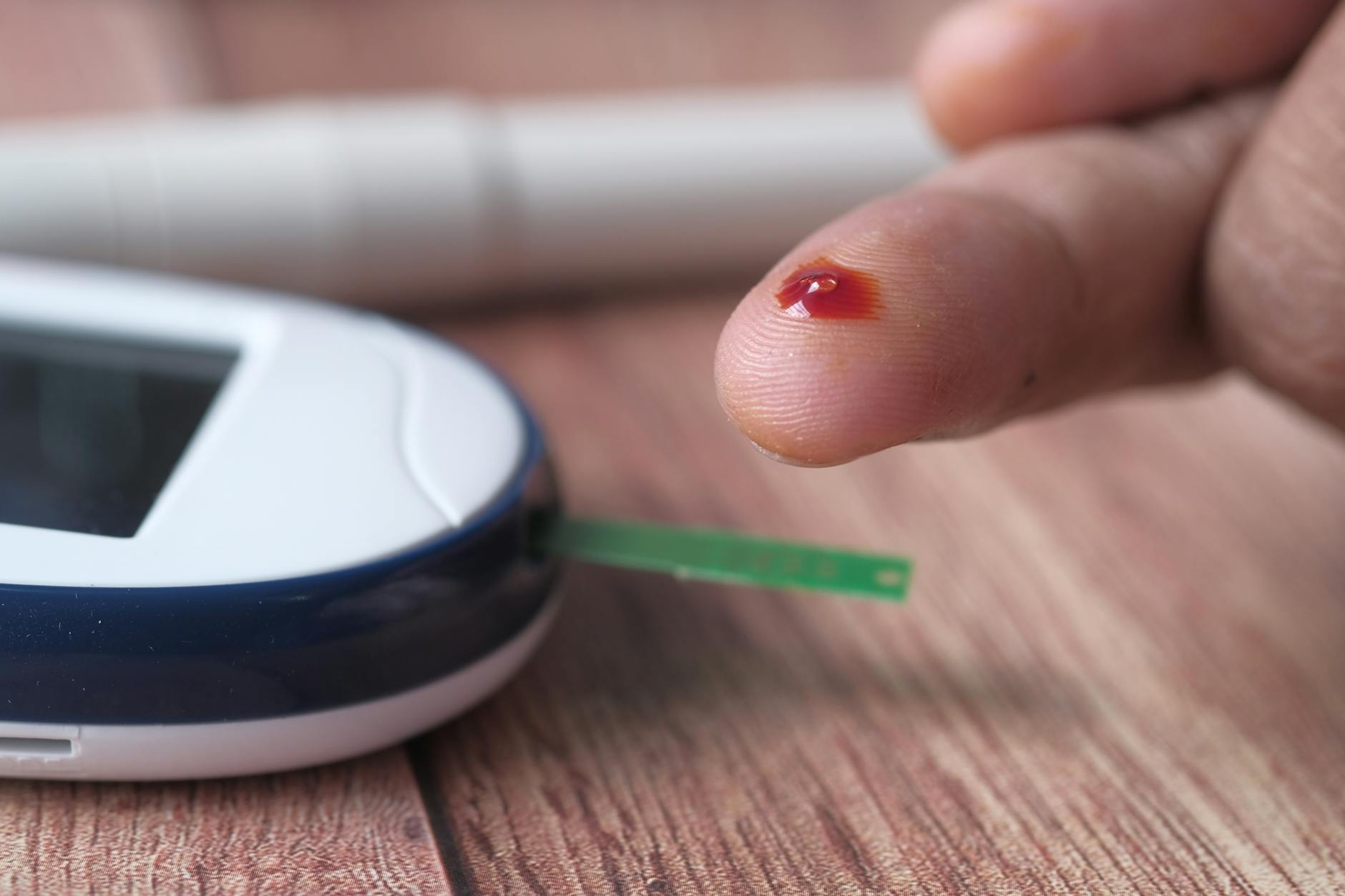
The diabetes care landscape has transformed dramatically over the past decade, moving from periodic finger-prick glucose checks to real-time, continuous monitoring. This shift, driven by technologies like continuous glucose monitors, offers patients and clinicians an unprecedented window into glucose fluctuations, dietary impacts, and exercise responses. But the data, while abundant, can overwhelm patients if not interpreted and contextualized by a skilled professional.
Isaacs, a prominent voice in diabetes education, champions a model where technology serves as an enabler for better conversations, not a replacement for them. She highlights that even the most advanced AID systems, which automate insulin delivery based on CGM readings, require patient understanding and engagement to be effective. Patients must still input meal carbohydrates, manage device alarms, and troubleshoot minor issues. Without adequate education and support, these sophisticated tools can become sources of frustration and non-adherence, rather than liberation.
Integrating Technology with Empathetic Care
The core of Isaacs' philosophy revolves around what she terms the 'human touch' in diabetes management. This involves active listening, understanding a patient's social determinants of health, and tailoring technology use to their lifestyle and literacy levels. For instance, prescribing a CGM to a patient who struggles with technology or lacks consistent internet access without addressing these barriers will likely result in suboptimal engagement and wasted resources. The device itself does not magically improve glucose control; the patient's interaction with it, guided by a clinician, does.
Consider the practical application of CGM data. A patient might see their glucose spike after a particular meal. A clinician's role extends beyond simply pointing out the spike. It involves exploring why that meal was chosen, discussing alternative options that fit the patient's cultural preferences and budget, and collaboratively setting achievable goals. This empathetic dialogue fosters trust and empowers the patient to make sustainable changes, rather than imposing a rigid, unsustainable regimen. This approach moves beyond simply interpreting numbers; it interprets lives.
The benefits of advanced technology are undeniable. CGMs have been shown to improve time in range (TIR), a critical metric reflecting the percentage of time glucose levels remain within a target range, typically 70-180 mg/dL. Studies have demonstrated that increased TIR correlates with reduced risk of microvascular complications. For patients with type 1 diabetes, AID systems have further refined glucose management, reducing hypoglycemic events and improving overall glycemic control. But these improvements are not automatic. They are mediated by how patients use the technology and how clinicians support that use.
Isaacs emphasizes the importance of shared decision-making. When a clinician presents a new technology, the conversation should not be a monologue about its features, but a dialogue about how it fits into the patient's daily life, their concerns, and their goals. This collaborative approach increases the likelihood of sustained adherence and better outcomes. For example, a patient might prioritize avoiding nocturnal hypoglycemia, while another might focus on reducing post-meal spikes to improve energy levels. Understanding these individual priorities allows the clinician to frame the technology's benefits in a personally relevant way.
The role of the diabetes educator, often a pharmacist or nurse, becomes particularly vital in this high-tech, high-touch model. These professionals are often the front line for patient training on devices, troubleshooting technical issues, and providing ongoing support. They translate complex data into actionable insights and help patients integrate technology into their daily routines. Isaacs points out that without this dedicated educational support, many patients, particularly those with lower health literacy or limited access to resources, will struggle to harness the full potential of their devices.
But the challenges extend beyond individual patient education. Healthcare systems themselves must adapt to support this integrated approach. This includes adequate reimbursement for diabetes education and device training, ensuring clinicians have sufficient time for patient consultations, and developing interdisciplinary teams that can address the multifaceted needs of patients with diabetes. The current model, often focused on brief physician visits, is ill-equipped to provide the sustained support required for optimal technology integration.
The rapid evolution of diabetes technology also presents a continuous learning curve for clinicians. Keeping abreast of new devices, software updates, and best practices requires ongoing professional development. Isaacs advocates for structured training programs for healthcare providers to ensure they are proficient in not only prescribing but also effectively supporting patients using these advanced tools. A clinician who cannot confidently explain how to use a CGM or troubleshoot an AID system will struggle to instill confidence in their patients.
The concept of 'alert fatigue' is another practical consideration. CGMs and AID systems generate numerous alerts and alarms, which, while intended to be helpful, can become overwhelming. Isaacs suggests that clinicians work with patients to customize alert settings, prioritizing critical alarms and minimizing unnecessary notifications. This personalization helps prevent patients from ignoring or disabling alerts altogether, a common issue that undermines the safety and efficacy of the devices.
The data generated by these devices also presents an opportunity for more proactive care. Instead of waiting for a quarterly HbA1c result, clinicians can review CGM data remotely, identify patterns, and intervene more quickly. This remote monitoring capability, however, requires robust telehealth infrastructure and clear protocols for data interpretation and patient communication. The 'human touch' in this context means using data to initiate timely, meaningful conversations, not just to generate reports.
The socioeconomic disparities in access to diabetes technology are also a critical concern. While CGMs and AID systems offer significant benefits, their cost and the need for consistent access to supplies can be prohibitive for many patients. Isaacs and other advocates stress the importance of policies that expand insurance coverage and reduce out-of-pocket expenses, ensuring that these life-changing technologies are accessible to all who can benefit, not just those with ample resources. Equity in access is a fundamental component of effective, patient-centered care.
Ultimately, the message from Isaacs is clear: technology is a powerful tool, but it is not a panacea. It augments, rather than replaces, the essential human elements of empathy, education, and individualized support in diabetes care. The future of diabetes management lies in a synergistic relationship between cutting-edge devices and compassionate, skilled clinicians who understand that behind every data point is a person navigating a chronic condition.
Clinicians must recognize that simply prescribing advanced diabetes technology does not guarantee improved patient outcomes. The efficacy of tools like continuous glucose monitors and automated insulin delivery systems hinges on robust patient education and ongoing, empathetic support.
The industry, particularly device manufacturers, should invest more in user-friendly interfaces and comprehensive training resources for both patients and healthcare providers. A device that is technically superior but difficult to integrate into daily life will see limited real-world benefit.
For patients, this means advocating for thorough training and open communication with their care teams about their experiences with technology. They should feel empowered to discuss challenges and seek personalized solutions, rather than passively accepting a one-size-fits-all approach.
Healthcare systems need to prioritize reimbursement for diabetes education and device support services. Without adequate funding for these 'human touch' components, the full potential of technological advancements in diabetes care will remain largely untapped, widening the gap between what is possible and what is routinely delivered.
- The Pivot Integrating advanced diabetes technology with a patient-centered, empathetic approach is critical for optimal outcomes, not just relying on devices.
- The Data While no specific trial data was discussed, the emphasis is on improving adherence and engagement, which indirectly impacts HbA1c and time in range.
- The Action Clinicians should prioritize patient education, active listening, and collaborative goal-setting when prescribing and managing diabetes technologies.
ART-2026-644
07/26
Cite This Article
Team E. Isaacs emphasizes 'human touch' in diabetes care beyond technology. The Life Science Feed. Published July 6, 2026. Updated July 6, 2026. Accessed July 6, 2026. https://thelifesciencefeed.com/endocrinology/diabetes-mellitus-type-2/insights/isaacs-emphasizes-human-touch-in-diabetes-care-beyond-technology.
Editorial & AI Standards
All content is researched from peer-reviewed, open-access sources: published trial data, clinical guidelines, and regulatory filings. AI tools are used solely to structure and summarise that evidence; no AI-generated conclusions appear without editor verification against the primary source.
Every article is reviewed by a named editor before publication. Source citations are listed in the References section. This content does not represent the views of any pharmaceutical company, medical device manufacturer, or healthcare provider.
Licence & Rights
© 2026 The Life Science Feed. All rights reserved. Unless otherwise indicated, all content is the property of The Life Science Feed and may not be reproduced, distributed, or transmitted in any form or by any means without prior written permission.
Medical Disclaimer
The information provided on The Life Science Feed is for educational and informational purposes only. It is not intended as a substitute for professional medical advice, diagnosis, or treatment. Always seek the advice of your physician or other qualified healthcare provider regarding any medical condition or treatment decision. Never disregard professional medical advice or delay in seeking it because of something you have read on this website.