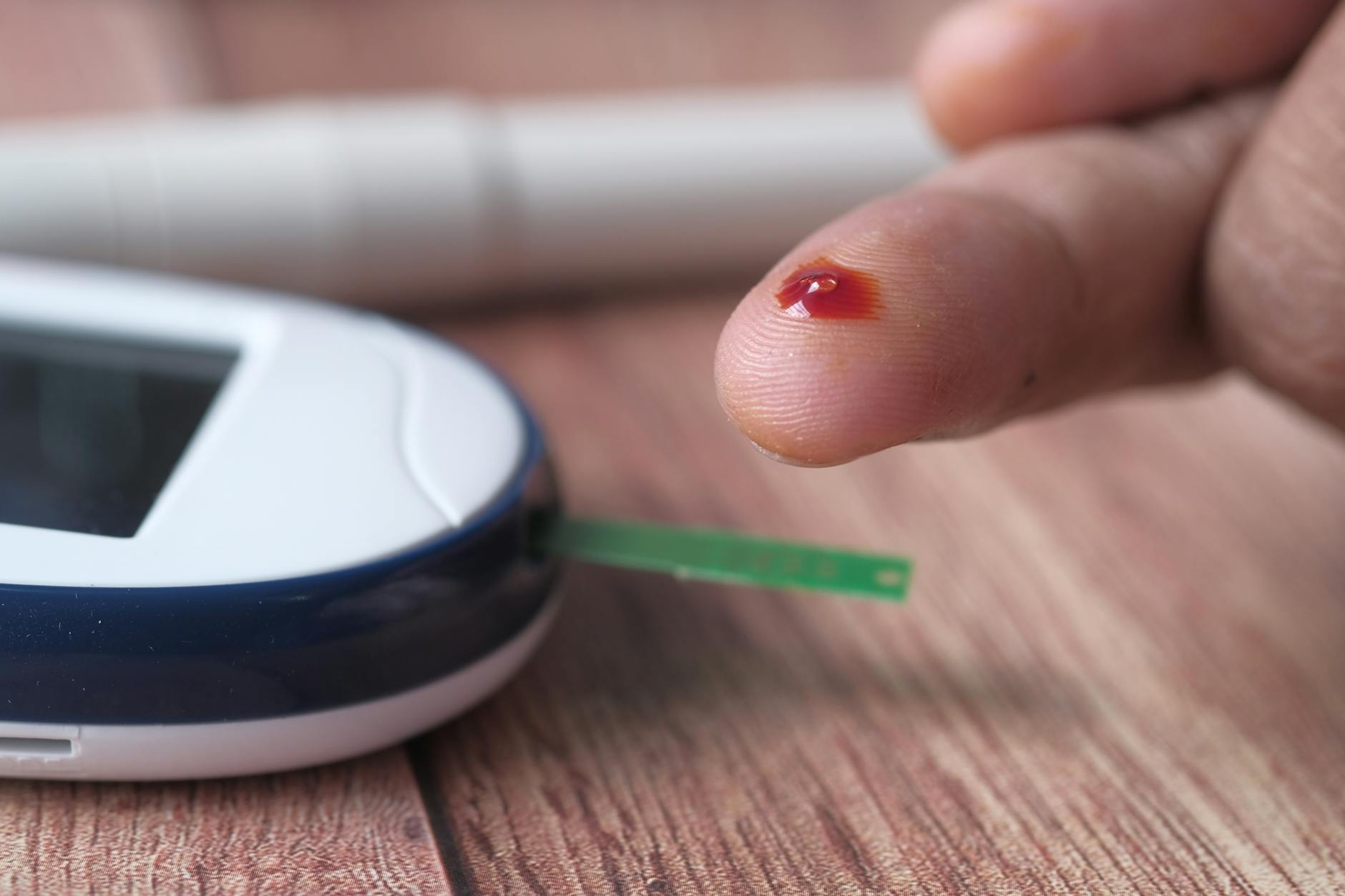

Managing type 1 and type 2 diabetes in children demands constant vigilance over blood glucose levels, a task traditionally reliant on frequent, often painful, fingerstick measurements. This burden significantly impacts quality of life for both children and their caregivers, often leading to suboptimal adherence and glycemic control. The recent FDA clearance of the first over-the-counter (OTC) continuous glucose monitor (CGM) for children marks a notable shift, promising broader access to real-time glucose data without a prescription.
Children with diabetes, particularly those with type 1, face a relentless daily regimen of glucose monitoring, insulin administration, and dietary adjustments. The traditional method of fingerstick blood glucose testing, while accurate, is invasive and provides only a snapshot of glucose levels at a specific moment. This approach often misses critical fluctuations, such as nocturnal hypoglycemia or post-meal hyperglycemia, which can have long-term health consequences. Continuous glucose monitoring systems have long offered a more comprehensive view, but their availability has been restricted by prescription requirements, creating access barriers for many families. This new OTC clearance aims to address that.
The device, the Dexcom Stelo Glucose Biosensor System, received its initial OTC clearance for adults aged 18 and older in March 2024. This latest expansion of the clearance now includes children aged 2 and older, making it the first CGM available without a prescription for this pediatric population. The system is designed for individuals with diabetes who do not use insulin, such as those with type 2 diabetes managed with oral medications or lifestyle interventions, or those with prediabetes. It provides real-time glucose readings every minute, transmitted via Bluetooth to a compatible smartphone app.
How the technology works
The Stelo system employs a small, disposable sensor inserted just under the skin, typically on the back of the upper arm or abdomen. A thin, flexible filament measures glucose in the interstitial fluid, which closely correlates with blood glucose levels. The sensor remains in place for up to 15 days, after which it is replaced. A transmitter, reusable for multiple sensors, sends the data wirelessly to the user's smartphone. The accompanying app displays current glucose levels, trend arrows indicating the direction and rate of glucose change, and a history of readings. This constant stream of data allows users and caregivers to identify patterns, understand the impact of food and activity, and make informed decisions about diabetes management.
The accuracy of CGM devices is typically assessed using the Mean Absolute Relative Difference (MARD), a statistical measure comparing CGM readings to reference blood glucose values. For the Stelo system, clinical studies demonstrated a MARD of 9.2% for children and 8.2% for adults. A lower MARD indicates higher accuracy, and these figures are generally considered acceptable for clinical use. The device also includes customizable alerts for high and low glucose levels, which can be particularly valuable for parents monitoring their children, even if the child does not use insulin. These alerts can help prevent severe hypo- or hyperglycemia, reducing the risk of acute complications.
Expanding access and the clinical implications
The primary benefit of OTC availability is the removal of the prescription barrier, potentially increasing access for families who might struggle with regular doctor visits or insurance coverage for prescription devices. This is especially relevant for children with type 2 diabetes, a growing population, and those with prediabetes, where early intervention and lifestyle modifications are crucial. The ability to purchase a CGM directly from a pharmacy or online store simplifies the process, making it more akin to buying a blood pressure monitor or a thermometer. But this convenience also introduces new considerations for clinicians, particularly regarding data interpretation and patient education.
The device is not intended for insulin dosing decisions, a critical distinction from prescription CGMs used by individuals on intensive insulin regimens. For those on insulin, precise glucose data is essential for calculating insulin doses, and these individuals typically require more advanced CGM features and closer medical supervision. The Stelo system's clearance for non-insulin users highlights its role as a tool for awareness and pattern recognition, rather than a direct therapeutic intervention. This distinction is important for clinicians to communicate clearly to families, preventing misuse or over-reliance for critical treatment decisions.
The integration of this technology into daily life for children and their families could lead to improved glycemic control by fostering greater awareness of dietary choices and physical activity. Parents can monitor their child's glucose trends throughout the day and night, gaining insights into how different foods, exercise, and even stress impact blood sugar. This continuous feedback loop can empower families to make proactive adjustments to their child's routine, potentially reducing the frequency of hyperglycemic excursions and improving overall time in range. For clinicians, this means more informed discussions during appointments, with families bringing a wealth of real-world glucose data to review. An Oxford Handbook of Paediatrics can be a useful reference for managing the broader aspects of pediatric diabetes.
Where it falls short
While the OTC availability is a step forward, several caveats exist. The device is not indicated for individuals on insulin, which means a significant portion of the pediatric diabetes population, particularly those with type 1 diabetes, will still require a prescription CGM. This limitation means the most vulnerable children, those at highest risk of acute complications from glucose fluctuations, do not benefit from the OTC pathway. The responsibility for interpreting the data and making appropriate lifestyle adjustments falls squarely on the user and their caregivers, without the immediate guidance of a healthcare professional. While the app provides trend information, it does not offer personalized medical advice or direct treatment recommendations. This necessitates robust patient education from clinicians, even for an OTC product.
The cost of the device, while not publicly disclosed at the time of clearance, will also be a factor. Without insurance coverage, which is typically associated with prescription devices, the out-of-pocket expense could still be a barrier for many families. The long-term impact on health equity remains to be seen; if the cost is prohibitive, the benefits of OTC access may not reach those who need it most. Furthermore, the potential for misinterpretation of data or inappropriate self-management decisions without professional oversight is a concern. Clinicians will need to proactively educate families on the appropriate use and limitations of OTC CGMs, ensuring that this new accessibility translates into genuine clinical benefit rather than confusion or harm. The next step for the field is to evaluate how this increased access impacts population-level glycemic control and healthcare resource utilization in the pediatric non-insulin-using diabetes community.
The FDA's decision to clear an OTC CGM for children, even with its specific indications, fundamentally shifts the landscape of pediatric diabetes management. Clinicians must now anticipate that families will arrive in their offices with self-generated glucose data, requiring a new level of guidance on interpretation and integration into existing care plans. This is not merely about reviewing numbers, but about empowering families to use this information constructively without overreacting to every fluctuation.
For the industry, this move signals a broader trend towards consumerization of medical devices. Companies will likely focus on user-friendly interfaces and robust educational resources to support independent use. But the challenge remains in balancing accessibility with the need for clinical oversight, particularly in a vulnerable population like children. The market for non-prescription health technology will only grow, and device manufacturers must ensure their products are not just available, but also safely and effectively used.
Patients and their families gain unprecedented access to real-time glucose insights, potentially reducing the psychological burden of diabetes management. The ability to monitor glucose without a prescription could foster greater engagement and adherence, especially for children with type 2 diabetes or prediabetes who might not have had access to such tools previously. But this convenience comes with the responsibility of understanding the device's limitations and knowing when to seek professional medical advice. The onus is now on both families and clinicians to navigate this new frontier effectively.
- The Pivot The FDA has cleared the first OTC continuous glucose monitor for children aged 2 and older, removing the prescription barrier for this technology.
- The Data The device provides real-time glucose readings every minute, with an MARD of 9.2% for children and 8.2% for adults, indicating high accuracy.
- The Action Clinicians should prepare to counsel families on the appropriate use of OTC CGMs, emphasizing data interpretation and integration into existing diabetes management plans.
ART-2026-887
07/26
Cite This Article
Team E, Voss M. Pediatric CGM OTC: how will you counsel families?. The Life Science Feed. Published July 22, 2026. Updated July 22, 2026. Accessed July 22, 2026. https://thelifesciencefeed.com/endocrinology/diabetes-mellitus-type-2/news/pediatric-cgm-otc-how-will-you-counsel-families.
Editorial & AI Standards
All content is researched from peer-reviewed, open-access sources: published trial data, clinical guidelines, and regulatory filings. AI tools are used solely to structure and summarise that evidence; no AI-generated conclusions appear without editor verification against the primary source.
Every article is reviewed by a named editor before publication. Source citations are listed in the References section. This content does not represent the views of any pharmaceutical company, medical device manufacturer, or healthcare provider.
Licence & Rights
© 2026 The Life Science Feed. All rights reserved. Unless otherwise indicated, all content is the property of The Life Science Feed and may not be reproduced, distributed, or transmitted in any form or by any means without prior written permission.
Medical Disclaimer
The information provided on The Life Science Feed is for educational and informational purposes only. It is not intended as a substitute for professional medical advice, diagnosis, or treatment. Always seek the advice of your physician or other qualified healthcare provider regarding any medical condition or treatment decision. Never disregard professional medical advice or delay in seeking it because of something you have read on this website.