
The dietary habits of elite athletes often capture public attention, particularly when they involve caloric intakes that appear astronomical to the average person. Erling Haaland, the prolific Manchester City striker, has garnered headlines for a reported 6,000-calorie daily diet, sparking widespread discussion about its health implications. This regimen, while seemingly tailored for peak athletic output, raises critical questions about its sustainability and potential risks outside the context of professional sport.
The human body requires energy, measured in calories, to perform all its functions, from basic metabolic processes to intense physical activity. For most adults, maintaining a healthy weight and energy balance involves consuming between 2,000 and 2,500 calories per day, depending on age, sex, and activity level. Professional athletes, particularly those in high-intensity sports like football, operate under entirely different physiological demands, necessitating significantly higher energy intake to support training, competition, and recovery.
Erling Haaland's reported 6,000-calorie diet exemplifies this extreme end of the spectrum. His regimen reportedly includes large quantities of protein, complex carbohydrates, and healthy fats, often sourced from organ meats, fish, and vegetables. The specific macronutrient breakdown, while not publicly detailed with scientific precision, likely prioritizes protein for muscle repair and growth, and carbohydrates for immediate and sustained energy during prolonged physical exertion. This approach is not arbitrary; it is a calculated strategy to meet the immense energy expenditure of a professional footballer who trains daily and competes multiple times a week.
The numbers behind elite performance
A professional footballer like Haaland can expend anywhere from 2,500 to 4,000 calories during a single match, depending on their position, playing style, and the intensity of the game. Daily training sessions, which often last several hours and include strength, conditioning, and tactical work, add another 1,500 to 2,500 calories to their expenditure. When factoring in basal metabolic rate (BMR), which accounts for the energy needed to sustain vital bodily functions at rest, the total daily caloric need can easily exceed 5,000 calories. Haaland's reported 6,000-calorie intake, therefore, aligns with the physiological demands of his profession, serving as fuel for performance and recovery rather than a surplus for weight gain.
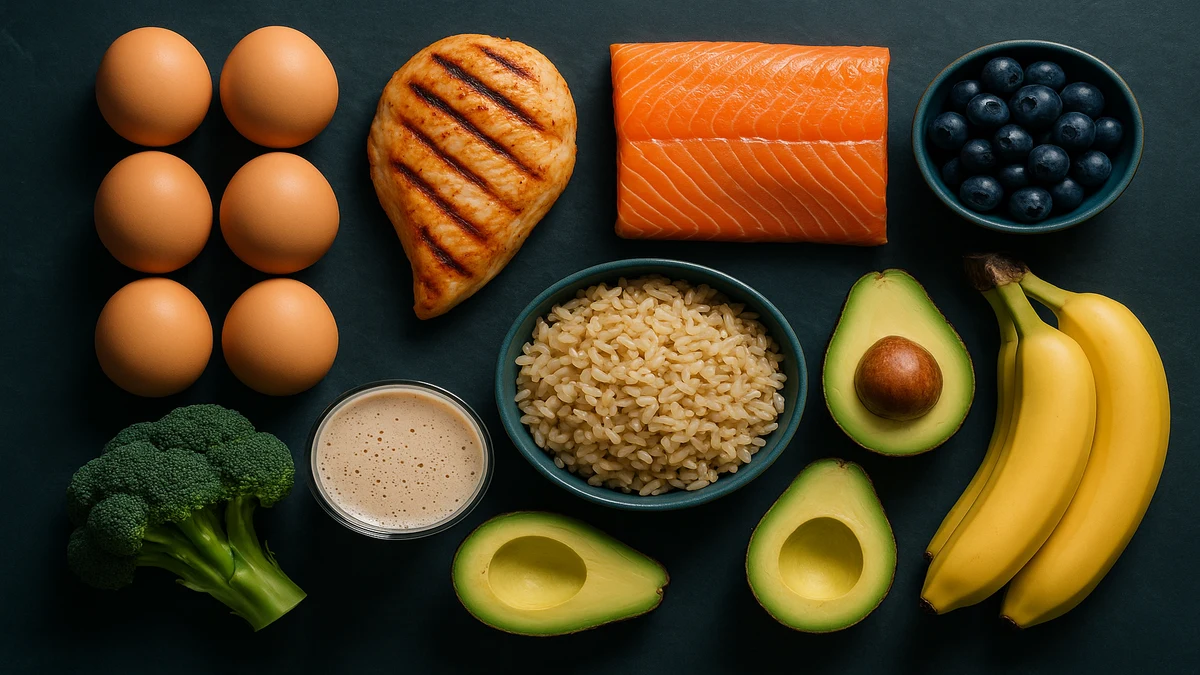
The composition of these calories is as critical as the quantity. Haaland's diet reportedly emphasizes nutrient-dense foods. For instance, consuming organ meats like liver and heart provides a rich source of iron, B vitamins, and coenzyme Q10, all vital for energy production and red blood cell function. Fatty fish, such as salmon, supply omega-3 fatty acids, which possess anti-inflammatory properties crucial for recovery from intense exercise and may support cardiovascular health. Complex carbohydrates from whole grains and vegetables ensure a steady supply of glucose, preventing energy crashes during prolonged activity.
But the general population does not engage in the same level of physical activity. A sedentary individual consuming 6,000 calories daily would rapidly accumulate excess body fat, leading to significant health risks. The average adult, for example, might burn only 200-300 calories during a moderate 30-minute walk. The disparity in energy expenditure means that a diet perfectly suited for an elite athlete becomes profoundly unhealthy for someone with a typical lifestyle. This distinction is paramount when considering the broader health implications of such a diet.
Long-term adherence to a high-calorie, high-nutrient diet, even for an athlete, requires careful monitoring. While the immediate benefits for performance are clear, potential risks exist. For instance, excessive protein intake, particularly from animal sources, can place a strain on renal function over many years. While healthy kidneys can typically manage high protein loads, individuals with pre-existing, undiagnosed renal impairment could face accelerated decline. The sheer volume of food required to reach 6,000 calories also demands a highly efficient digestive system, and any underlying gastrointestinal issues could be exacerbated.
The focus on specific foods, such as organ meats, also introduces considerations regarding nutrient toxicity. While beneficial in moderation, excessive consumption of certain fat-soluble vitamins, like Vitamin A, found abundantly in liver, can lead to hypervitaminosis. Similarly, high iron intake, if not balanced, could contribute to iron overload in genetically susceptible individuals. These are not immediate concerns for a healthy, monitored athlete, but they underscore the complexity of extreme dietary regimens.
Furthermore, the psychological aspect of maintaining such a strict and high-volume diet is often overlooked. Eating becomes a job, a necessary component of performance, rather than a purely social or pleasurable activity. This can lead to a rigid relationship with food, which, while functional for an athlete, could be detrimental for individuals without the same professional imperative. The mental discipline required to consistently consume such large quantities of specific foods is considerable.
The role of professional nutritionists and medical teams in managing an athlete's diet cannot be overstated. Haaland's diet is not self-prescribed; it is meticulously planned and adjusted based on his training load, recovery needs, and performance metrics. Blood tests regularly monitor nutrient levels, inflammatory markers, and organ function, allowing for immediate adjustments to prevent deficiencies or excesses. This level of personalized, data-driven dietary management is inaccessible to the general public and highlights why simply emulating an athlete's diet is ill-advised.
The media often sensationalizes these diets without providing the necessary context of extreme physical demands and professional medical oversight. This can lead to misconceptions among the public, who might mistakenly believe that such diets are universally beneficial for health or weight management. The reality is that a diet designed for a 194 cm, 88 kg professional footballer with an unparalleled training regimen is fundamentally different from what is appropriate for a typical adult. The underlying principle remains energy balance: calories in must match calories out to maintain a stable weight, or exceed them for growth, or fall short for weight loss. For Haaland, the 'calories out' is simply enormous.
The long-term health consequences for athletes maintaining such intense dietary and training regimens are an area of ongoing research. While acute benefits for performance are clear, the cumulative effect of years of high-stress physical activity and extreme caloric intake on cardiovascular health, joint integrity, and metabolic function is complex. Some studies suggest that elite athletes may have a lower incidence of certain chronic diseases, but others point to increased risks for specific conditions, such as arrhythmias in endurance athletes. The specific impact of Haaland's diet over decades remains an open question, but it is certainly not a template for general health.
Haaland's diet offers a stark reminder that dietary recommendations are not one-size-fits-all. Clinicians frequently encounter patients seeking advice based on celebrity diets, and this case provides a clear example of why context is everything. Recommending a 6,000-calorie diet to an average patient would be medically negligent, given the profound disparity in energy expenditure.
The focus should remain on individualized nutritional assessment, considering a patient's activity level, metabolic health, and specific health goals. While the nutrient density of Haaland's food choices is commendable, the sheer volume is the critical differentiator. Patients should understand that athletic performance diets are tools for a specific job, not general health templates.
This situation also highlights the need for clear communication about the role of professional medical and nutritional support in elite sports. Athletes like Haaland operate under constant medical supervision, with dietary adjustments made based on physiological data. This level of personalized care is simply not available to the general public, making direct emulation of such diets not only impractical but potentially harmful.
Ultimately, the takeaway for primary care is to reinforce the fundamentals: balanced macronutrient intake, a variety of nutrient-dense foods, and caloric intake matched to energy expenditure. The goal is health and longevity, not peak athletic performance for 90 minutes on a pitch. The two are often mutually exclusive at the extremes.
- The Pivot Haaland's diet highlights the extreme caloric and macronutrient demands of elite football, a stark contrast to general population needs.
- The Data A typical sedentary adult requires approximately 2,000-2,500 calories daily, making Haaland's intake more than double the average.
- The Action Clinicians should counsel patients against adopting such high-calorie diets without professional athletic demands and medical supervision, emphasizing individual metabolic needs.
ART-2026-747
07/26
Cite This Article
Team E. Haaland's 6,000-calorie diet: performance fuel or health risk?. The Life Science Feed. Published July 12, 2026. Updated July 12, 2026. Accessed July 12, 2026. https://thelifesciencefeed.com/endocrinology/obesity/insights/haalands-6000-calorie-diet-performance-fuel-or-health-risk.
Editorial & AI Standards
All content is researched from peer-reviewed, open-access sources: published trial data, clinical guidelines, and regulatory filings. AI tools are used solely to structure and summarise that evidence; no AI-generated conclusions appear without editor verification against the primary source.
Every article is reviewed by a named editor before publication. Source citations are listed in the References section. This content does not represent the views of any pharmaceutical company, medical device manufacturer, or healthcare provider.
Licence & Rights
© 2026 The Life Science Feed. All rights reserved. Unless otherwise indicated, all content is the property of The Life Science Feed and may not be reproduced, distributed, or transmitted in any form or by any means without prior written permission.
Medical Disclaimer
The information provided on The Life Science Feed is for educational and informational purposes only. It is not intended as a substitute for professional medical advice, diagnosis, or treatment. Always seek the advice of your physician or other qualified healthcare provider regarding any medical condition or treatment decision. Never disregard professional medical advice or delay in seeking it because of something you have read on this website.