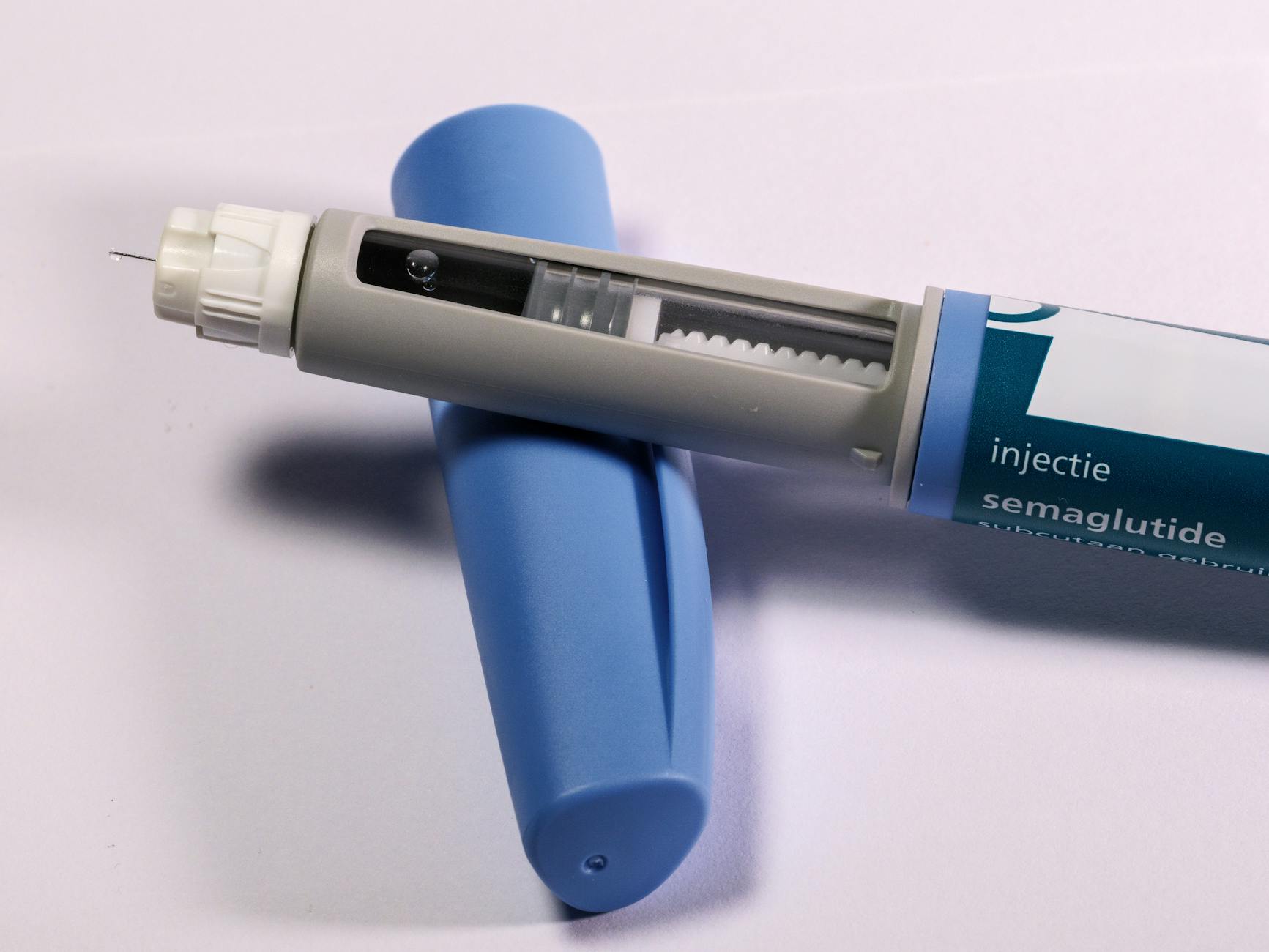

Obesity remains a pervasive and complex chronic disease, driving a cascade of comorbidities from type 2 diabetes to cardiovascular disease. For decades, clinicians have struggled with interventions that offer sustained, clinically meaningful weight loss beyond lifestyle modifications. The advent of glucagon-like peptide-1 (GLP-1) receptor agonists has offered a powerful new tool, but their long-term use and the consequences of discontinuation are now emerging as critical considerations.
The global burden of obesity has reached epidemic proportions, with more than one in eight people worldwide now living with the condition. This translates to over a billion individuals, a figure that has more than doubled since 1990 for adults and quadrupled for children and adolescents. The health consequences are profound, encompassing an increased risk of type 2 diabetes, hypertension, dyslipidemia, obstructive sleep apnea, certain cancers, and major adverse cardiovascular events. Traditional interventions, including dietary changes, increased physical activity, and bariatric surgery, have offered varying degrees of success, but sustained weight loss and maintenance remain a formidable challenge for many patients. The physiological mechanisms that drive weight regain after caloric restriction are robust, involving compensatory changes in appetite-regulating hormones and energy expenditure, making long-term success elusive for most.
GLP-1 receptor agonists, initially developed for type 2 diabetes management, have demonstrated a remarkable capacity for weight reduction, leading to their approval for obesity treatment. These agents mimic the action of endogenous GLP-1, a hormone released post-prandially that enhances glucose-dependent insulin secretion, suppresses glucagon secretion, slows gastric emptying, and promotes satiety through central nervous system effects. The weight-loss effect is primarily mediated by the latter two mechanisms, leading to reduced caloric intake. Semaglutide, for instance, has shown an average weight loss of 15% to 17% in clinical trials over 68 weeks, a magnitude previously only achievable with bariatric surgery. Liraglutide, another GLP-1 agonist, also demonstrated significant weight reduction, albeit generally less than semaglutide. These results have understandably generated considerable enthusiasm among patients and clinicians seeking effective pharmacotherapy for obesity.
The Rebound Effect: What Happens Off-Treatment
The efficacy of GLP-1 receptor agonists in inducing weight loss is well-established, but the critical question of weight maintenance after treatment cessation has now come into sharp focus. Clinical data consistently show that the weight-reducing effects of these agents are largely dependent on continuous administration. When patients discontinue GLP-1 therapy, a significant portion of the lost weight is typically regained, often within a relatively short period. For example, in a seminal trial investigating semaglutide, participants who discontinued the drug after 68 weeks regained approximately two-thirds of their lost weight within one year of stopping treatment. This translated to an average weight regain of 11.2% of their initial body weight, bringing them back close to their baseline weight. The study design involved a randomized, double-blind, placebo-controlled withdrawal phase, providing robust evidence for this rebound effect. The implications are clear: GLP-1 agonists are not a temporary fix but rather a chronic treatment for a chronic disease.
This phenomenon of weight regain is not unique to semaglutide; similar patterns have been observed with other GLP-1 receptor agonists. Liraglutide, when studied in a weight-management program, also showed that patients who ceased therapy experienced substantial weight regain. The underlying physiological mechanisms driving this regain are complex. Upon discontinuation, the pharmacological effects of GLP-1 agonism cease, leading to a reversal of the drug's impact on appetite regulation and gastric emptying. Patients often report an increase in appetite and a return of food cravings, making it challenging to maintain the reduced caloric intake that led to their initial weight loss. The body's inherent homeostatic mechanisms, which defend against weight loss, become unopposed, driving a return to a higher set point. This physiological rebound is a major hurdle for patients attempting to sustain their weight loss without ongoing pharmacological support.
The patient population in these trials typically consisted of adults with a body mass index (BMI) of 30 kg/m2 or greater, or 27 kg/m2 or greater with at least one weight-related comorbidity, excluding type 2 diabetes. This broad inclusion criterion means the findings are broadly applicable to a significant portion of the obesity population seen in general practice. The trials also often included intensive lifestyle intervention components alongside pharmacotherapy, meaning the weight regain observed occurred even in the context of continued behavioral support. This underscores the powerful physiological drive for weight regain that GLP-1 agonists effectively counteract while active, but which reasserts itself once the drug is withdrawn.
The economic implications of chronic GLP-1 therapy are substantial. These medications carry a high cost, and the prospect of lifelong treatment raises questions about affordability and access for healthcare systems and individual patients. If discontinuation leads to rapid weight regain, then the initial investment in weight loss may be largely negated, necessitating a re-evaluation of treatment paradigms. The discussion with patients must therefore shift from a temporary intervention to a long-term commitment, similar to managing hypertension or hyperlipidemia. This requires a frank conversation about the financial burden and the need for sustained adherence to maintain benefits.
The open-label extension phases of some trials, where patients could opt to continue treatment, provided further insights. Those who continued GLP-1 therapy generally maintained their weight loss or even achieved further modest reductions, reinforcing the chronic nature of the treatment. But the real-world scenario often involves patients discontinuing for various reasons, including side effects, cost, or a perception that they have achieved their goal and no longer need the medication. Common side effects, primarily gastrointestinal, such as nausea, vomiting, diarrhea, and constipation, can be bothersome for some patients, leading to discontinuation. While generally mild to moderate and transient, these adverse events can impact adherence, particularly in a chronic treatment setting.
The long-term safety profile of GLP-1 agonists beyond the typical 68-week to 2-year trial durations is still accumulating. While no major new safety signals have emerged, the sheer number of patients now on these medications means vigilance is paramount. Concerns regarding pancreatitis, gallbladder disease, and thyroid C-cell tumors (observed in rodent studies but not consistently in humans) remain part of the prescribing information and require ongoing monitoring. The potential for muscle mass loss alongside fat loss during rapid weight reduction is another area of ongoing research. While GLP-1 agonists primarily target fat mass, some lean mass reduction is inevitable with significant weight loss, and the long-term implications of this for sarcopenia and metabolic health require further investigation.
The challenge for clinicians now lies in managing patient expectations and developing sustainable treatment plans. Simply prescribing a GLP-1 agonist without a clear understanding of its chronic nature risks setting patients up for disappointment and a frustrating cycle of weight loss and regain. This new form of yo-yo dieting, driven by pharmacological withdrawal, could undermine patient trust and adherence to future obesity interventions. The conversation needs to shift towards obesity as a chronic, relapsing disease that often requires chronic management, much like other non-communicable diseases. This reframing is essential for both patients and healthcare providers to navigate the complexities of these powerful new therapies effectively.
The data on weight regain after GLP-1 agonist cessation presents a stark reality for clinicians: these are not short-term solutions. Prescribing these agents without a clear discussion about their chronic nature risks creating a new cycle of frustration for patients, akin to the historical struggles with diet-induced weight cycling. We must manage expectations upfront, emphasizing that the benefits largely persist only with continuous use.
This chronic treatment paradigm carries significant financial implications for both patients and healthcare systems. The high cost of GLP-1 agonists means access will remain a barrier for many, and the prospect of lifelong therapy necessitates careful consideration of affordability and reimbursement policies. It forces a re-evaluation of how obesity is funded and treated within national health services, moving it from episodic intervention to chronic disease management.
For the pharmaceutical industry, the weight regain phenomenon solidifies the market for long-term GLP-1 use, but it also places a greater onus on developing even more sustainable and cost-effective formulations. The focus should shift towards therapies that offer durable weight maintenance, potentially through combination approaches or novel mechanisms that address the physiological drivers of regain more comprehensively. The current situation demands a candid conversation with patients about the commitment required.
- The Pivot GLP-1 receptor agonists deliver substantial weight loss, but this effect is largely dependent on continuous administration.
- The Data Patients discontinuing GLP-1 agonists typically regain two-thirds of their lost weight within a year, often exceeding baseline.
- The Action Clinicians must counsel patients on the chronic nature of GLP-1 therapy and the high likelihood of weight regain if treatment stops.
ART-2026-858
07/26

I cover life sciences: drug approvals, trial readouts, regulatory decisions, and the AI reshaping clinical practice. Based in Greater London, contributing to The Life Science Feed since 2026.
Cite This Article
Voss M, Lopes W. Weight-loss jabs may create a new kind of yo-yo dieting. The Life Science Feed. Published July 20, 2026. Updated July 20, 2026. Accessed July 21, 2026. https://thelifesciencefeed.com/endocrinology/obesity/insights/weight-loss-jabs-may-create-a-new-kind-of-yo-yo-dieting.
Editorial & AI Standards
All content is researched from peer-reviewed, open-access sources: published trial data, clinical guidelines, and regulatory filings. AI tools are used solely to structure and summarise that evidence; no AI-generated conclusions appear without editor verification against the primary source.
Every article is reviewed by a named editor before publication. Source citations are listed in the References section. This content does not represent the views of any pharmaceutical company, medical device manufacturer, or healthcare provider.
Licence & Rights
© 2026 The Life Science Feed. All rights reserved. Unless otherwise indicated, all content is the property of The Life Science Feed and may not be reproduced, distributed, or transmitted in any form or by any means without prior written permission.
Medical Disclaimer
The information provided on The Life Science Feed is for educational and informational purposes only. It is not intended as a substitute for professional medical advice, diagnosis, or treatment. Always seek the advice of your physician or other qualified healthcare provider regarding any medical condition or treatment decision. Never disregard professional medical advice or delay in seeking it because of something you have read on this website.