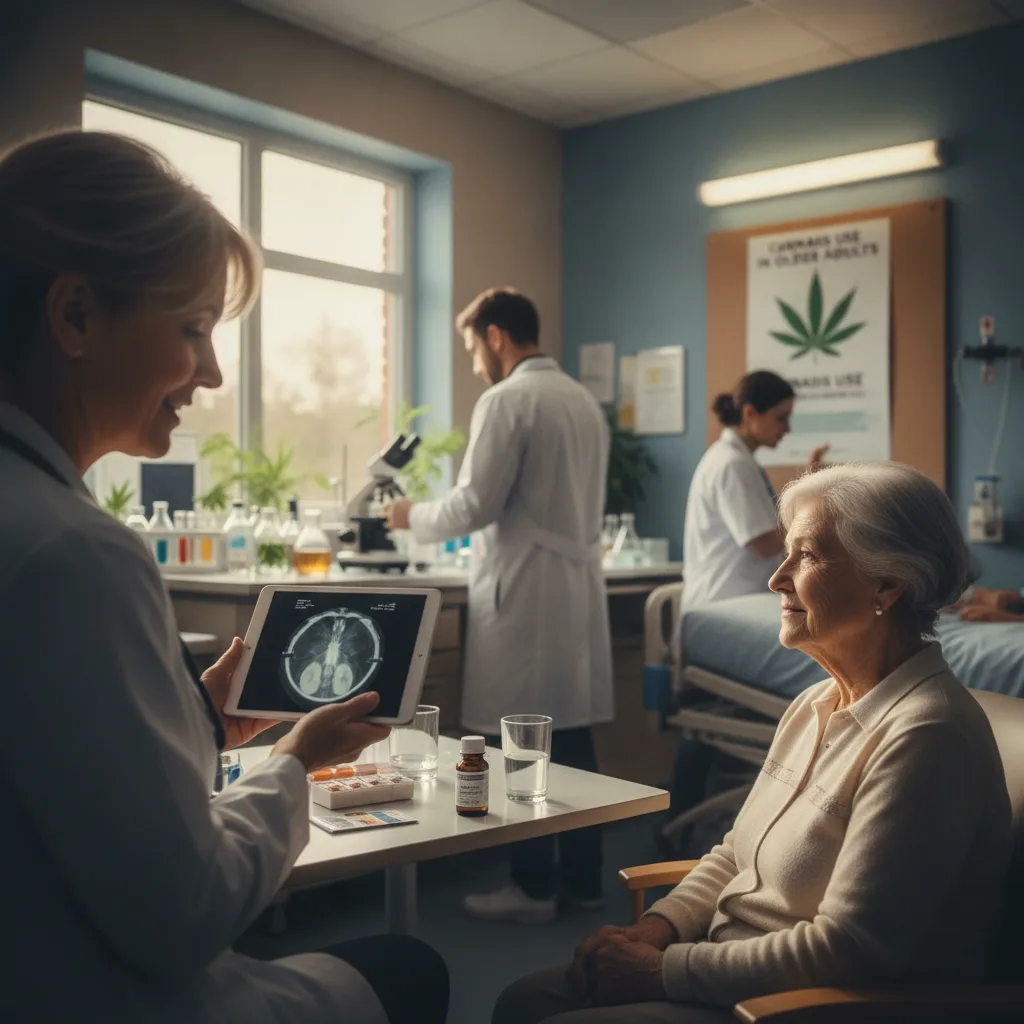

The image of cannabis use often conjures younger demographics, but a quiet shift is underway: grandparents are increasingly turning to cannabis for a range of ailments. This demographic change presents a clear challenge for general practitioners and specialists, who must now navigate a complex landscape of polypharmacy, altered pharmacokinetics, and a general lack of robust clinical trial data in this specific population.
Ignoring this trend is not an option. Instead, clinicians must proactively engage with older patients about their cannabis use, understanding the motivations, potential benefits, and significant risks, particularly drug-drug interactions and cognitive effects. The goal is harm reduction and safe integration, not outright prohibition.
Older adults, defined as those aged 65 and above, represent the fastest-growing demographic of cannabis users. This surge is not driven by recreational pursuits, but largely by a desire to manage chronic conditions such as neuropathic pain, insomnia, anxiety, and the side effects of conventional therapies. Many patients report dissatisfaction with traditional pharmaceutical options, citing inadequate efficacy or intolerable adverse effects, prompting them to explore alternative treatments. This shift means clinicians can no longer treat cannabis use as an outlier; it is becoming a common, if often undisclosed, part of their patients' self-care regimens.
The primary active compounds in cannabis, delta-9-tetrahydrocannabinol (THC) and cannabidiol (CBD), exert their effects through the endocannabinoid system, a complex network of receptors (CB1 and CB2) and endogenous ligands found throughout the central and peripheral nervous systems, as well as immune cells. THC is the primary psychoactive component, responsible for the euphoric effects, while CBD is non-intoxicating and has shown promise in modulating pain, inflammation, and anxiety. The ratio of these cannabinoids, along with the presence of other compounds like terpenes and flavonoids, dictates the overall effect of a particular cannabis product. Understanding these basic pharmacological distinctions is critical for guiding patients toward products that align with their therapeutic goals and risk profiles.
Navigating the pharmacology and risks
The pharmacokinetics of cannabis compounds are significantly altered in older adults. Age-related physiological changes, including decreased liver and kidney function, reduced metabolic capacity, and altered body composition (increased adipose tissue), can lead to higher and more prolonged plasma concentrations of cannabinoids, particularly THC. This means a standard dose for a younger adult could result in exaggerated effects and increased toxicity in an older patient. The half-life of THC, for instance, can be extended, leading to prolonged psychoactive effects and a greater risk of accumulation with repeated dosing. This altered pharmacokinetic profile underscores the need for cautious dosing and careful titration in this vulnerable population.
One of the most pressing concerns for clinicians is the potential for drug-drug interactions. Both THC and CBD are metabolised by the cytochrome P450 enzyme system, specifically CYP2C9, CYP2C19, and CYP3A4. Many commonly prescribed medications for older adults, including anticoagulants (e.g., warfarin), antiarrhythmics, benzodiazepines, antidepressants, and statins, are also metabolised by these same enzymes. Co-administration of cannabis can inhibit or induce these enzymes, leading to clinically significant alterations in drug levels. For example, cannabis can increase warfarin concentrations, elevating the risk of bleeding, or potentiate the sedative effects of benzodiazepines, increasing the risk of falls and cognitive impairment. A thorough medication reconciliation, including over-the-counter drugs and supplements, is therefore essential.
The central nervous system effects of cannabis also pose unique risks for older adults. THC can impair cognitive function, including memory, attention, and executive function, which are already susceptible to age-related decline or pre-existing neurological conditions. This impairment increases the risk of falls, motor vehicle accidents, and general functional decline. The risk of orthostatic hypotension, a common side effect of cannabis, is also amplified in older patients, contributing further to fall risk, especially in those already on antihypertensive medications. Clinicians must counsel patients on these risks, particularly regarding driving and operating machinery, and consider the patient's baseline cognitive status before recommending cannabis use.
Cardiovascular effects are another area of concern. THC can cause dose-dependent tachycardia and transient hypertension, followed by orthostatic hypotension. While these effects are generally mild in healthy younger individuals, they can be problematic for older adults with pre-existing cardiovascular disease, such as coronary artery disease, arrhythmias, or heart failure. The increased cardiac workload could precipitate angina or other adverse cardiac events. Patients with a history of myocardial infarction or unstable angina should be particularly cautious, and their clinicians should monitor them closely if cannabis use is initiated.
The choice of administration route significantly impacts the onset and duration of effects, which is particularly relevant for older adults. Inhalation (smoking or vaping) leads to rapid onset but shorter duration, making dose titration challenging and potentially exposing patients to respiratory irritants. Edibles, conversely, have a delayed onset (30 minutes to 2 hours) but a prolonged duration (4 to 8 hours), increasing the risk of accidental overdose due to impatience or misjudgment of effect. Topical preparations and transdermal patches offer localised effects with minimal systemic absorption, potentially reducing psychoactive and systemic side effects, making them a safer option for localised pain or inflammation. Sublingual tinctures or oils provide a more controlled absorption profile than edibles, with effects typically appearing within 15-45 minutes and lasting several hours, allowing for more precise dose titration.
Clinicians should also address the social and psychological aspects of cannabis use in older adults. Many older patients may feel stigma or shame, leading them to conceal their use from their doctors. Creating an open, non-judgmental environment is paramount to eliciting accurate information about cannabis use. Furthermore, while cannabis is often used to manage anxiety and depression, high doses of THC can paradoxically exacerbate these conditions or even induce psychosis in vulnerable individuals. Patients with a history of psychiatric disorders, particularly anxiety disorders or psychosis, require careful screening and monitoring.
Despite the growing prevalence of cannabis use in this population, robust, large-scale clinical trials specifically investigating the efficacy and safety of cannabis in older adults are notably scarce. Most of the available evidence comes from observational studies, small clinical trials, or extrapolations from younger adult populations. This lack of dedicated research means that much of the clinical guidance relies on expert consensus and cautious extrapolation, rather than definitive evidence. The heterogeneity of cannabis products, varying THC:CBD ratios, and diverse administration methods further complicate research efforts and make generalisation of findings difficult. This limitation means clinicians must proceed with an abundance of caution, prioritising patient safety and individualised care plans.
The open-label design of many observational studies is an obvious caveat. Patients who choose to use cannabis may have different baseline characteristics or expectations that influence reported outcomes, making it difficult to attribute improvements solely to cannabis. The absence of blinding in these studies introduces significant potential for placebo effects and reporting bias. Furthermore, many studies rely on self-reported cannabis use, which can be inaccurate or incomplete, particularly given the legal and social complexities surrounding cannabis in many regions. This data gap underscores the need for more rigorous, placebo-controlled trials in older adults.
The trial was not powered to detect differences in specific geriatric syndromes, such as frailty or polypharmacy, and that gap matters. While cannabis may offer symptomatic relief for pain or insomnia, its impact on broader functional outcomes or quality of life in frail older adults remains largely unexplored. Whether benefits extend to patients with advanced dementia or severe cognitive impairment, where the risks of psychoactive effects are particularly high, remains unclear. Future research must focus on these specific subpopulations and clinically meaningful endpoints beyond symptom scores.
The increasing adoption of cannabis by older adults demands a pragmatic shift in clinical practice. General practitioners and specialists can no longer afford to ignore or dismiss patient inquiries about cannabis; instead, they must become informed guides. This means understanding the basic pharmacology of cannabinoids, recognising the altered pharmacokinetics in older patients, and proactively screening for cannabis use during medication reviews.
The most immediate clinical implication is the imperative to manage drug-drug interactions. Given the extensive polypharmacy common in older adults, clinicians must be vigilant about cannabis's impact on CYP450 enzymes. Educating patients on the risks of combining cannabis with anticoagulants, sedatives, and other narrow therapeutic index drugs is not optional; it is a critical safety measure.
Clinicians should advise patients on safer administration methods, favouring non-inhalable routes like sublingual oils or topicals over smoking or edibles, particularly for those with respiratory or cardiovascular comorbidities. Starting with low doses and titrating slowly is paramount, always emphasising CBD-dominant products to minimise psychoactive effects and cognitive impairment. This cautious approach can mitigate many of the acute risks associated with cannabis use in this vulnerable population.
- The Pivot Cannabis use is rising among older adults, necessitating proactive clinical guidance rather than avoidance.
- The Data While specific trial data in this population is limited, observational studies show older adults use cannabis primarily for pain, sleep, and anxiety.
- The Action Clinicians should screen for cannabis use, discuss potential drug interactions, and advise on safer administration methods and product choices.
ART-2026-796
·10/26
Drafted with AI assistance, reviewed and approved by the editorial team. This publication is intended for healthcare professionals, researchers, and life science industry professionals. Content is provided for informational and educational purposes only and does not constitute medical advice.

I cover women's health, reproductive medicine, and the persistent gaps in how conditions that primarily affect women get studied and funded. The evidence base is thinner than it should be. I write about why.
Cite This Article
Mitchell S, Voss M. Cannabis use in older adults: doctors can guide safe practices. The Life Science Feed. Published July 17, 2026. Updated October 5, 2026. Accessed October 15, 2026. https://thelifesciencefeed.com/geriatrics/polypharmacy/practice/cannabis-use-in-older-adults-doctors-can-guide-safe-practices.
Editorial & AI Standards
All content is researched from peer-reviewed, open-access sources: published trial data, clinical guidelines, and regulatory filings. AI tools are used solely to structure and summarise that evidence; no AI-generated conclusions appear without editor verification against the primary source.
Every article is reviewed by a named editor before publication. Source citations are listed in the References section. This content does not represent the views of any pharmaceutical company, medical device manufacturer, or healthcare provider.
Licence & Rights
© 2026 The Life Science Feed. All rights reserved. Unless otherwise indicated, all content is the property of The Life Science Feed and may not be reproduced, distributed, or transmitted in any form or by any means without prior written permission.
Medical Disclaimer
The information provided on The Life Science Feed is for educational and informational purposes only. It is not intended as a substitute for professional medical advice, diagnosis, or treatment. Always seek the advice of your physician or other qualified healthcare provider regarding any medical condition or treatment decision. Never disregard professional medical advice or delay in seeking it because of something you have read on this website.
References
1. Smetana GW, et al. Should You Recommend Cannabinoids for This Patient With Painful Neuropathy? : Grand Rounds Discussion From Beth Israel Deaconess Medical Center. Ann Intern Med. 2021;174(2):237-246. doi:10.7326/M20-7945