
The allure of the beautiful game often overshadows its darker side, a growing concern for brain health. For decades, the repetitive impact of heading a football has been an integral part of the sport, a skill taught from youth. But a mounting body of evidence now challenges the long-held assumption that these impacts are benign, pointing instead to a clear association with long-term neurological damage.
Football, globally the most popular sport, involves frequent head contact with the ball, a manoeuvre known as heading. This practice, fundamental to offensive and defensive play, exposes players to subconcussive impacts, which, unlike symptomatic concussions, often go unrecognised. The cumulative effect of these seemingly minor impacts has become a central focus in sports neurology, particularly concerning the development of chronic traumatic encephalopathy (CTE) and other neurodegenerative conditions. The clinical dilemma for general practitioners and specialists alike is how to advise athletes, parents, and sporting bodies on participation given the evolving understanding of risk.
Early concerns about head injuries in football primarily focused on concussions, acute events with immediate, recognisable symptoms. But the current discourse extends beyond these acute injuries to the insidious effects of repetitive subconcussive impacts. These impacts, while not meeting the diagnostic criteria for concussion, can still induce microscopic damage to brain tissue, particularly white matter tracts, leading to a cascade of pathological changes over time. The patient population at highest risk includes professional players, who accumulate tens of thousands of headers over their careers, but also amateur players, especially those who begin playing at a young age when the brain is still developing.
The numbers behind the brain damage
Studies examining former professional footballers have consistently demonstrated an elevated risk of neurodegenerative diseases. One significant cohort study, for instance, found that former professional footballers had a 3.5-fold increased risk of dying from neurodegenerative disease compared to age-matched controls from the general population. This risk was not uniform across all conditions; specifically, the risk of motor neurone disease was elevated by 4.9 times, Alzheimer's disease by 5.0 times, and Parkinson's disease by 2.1 times. These are not minor increases; they represent a substantial burden on individuals and healthcare systems.
The mechanism behind this increased risk appears to involve the accumulation of tau protein pathology, a hallmark of CTE, and other neurofibrillary tangles. Post-mortem examinations of brains from former athletes, including footballers, have revealed CTE pathology in a significant proportion of cases, even in individuals who never reported a diagnosed concussion. This suggests that subconconcussive impacts, rather than just concussions, drive the pathology. The mechanical forces involved in heading a ball, particularly rotational forces, induce shear and strain on axons, disrupting cellular integrity and initiating neuroinflammatory processes. Over years, this chronic inflammation and cellular dysfunction contribute to neuronal loss and cognitive decline.
Cognitive function assessments in living former players further support these pathological findings. Cross-sectional studies comparing former footballers to non-contact sport athletes or controls often report deficits in executive function, memory, and processing speed. For example, one study using a battery of neuropsychological tests found that former professional footballers scored significantly lower on tests of verbal memory and psychomotor speed compared to controls. The differences were not always clinically profound in individual cases, but the aggregate effect across a cohort points to a consistent pattern of subtle but measurable cognitive impairment. These impairments can affect daily living, career progression, and quality of life, even before a formal diagnosis of dementia.
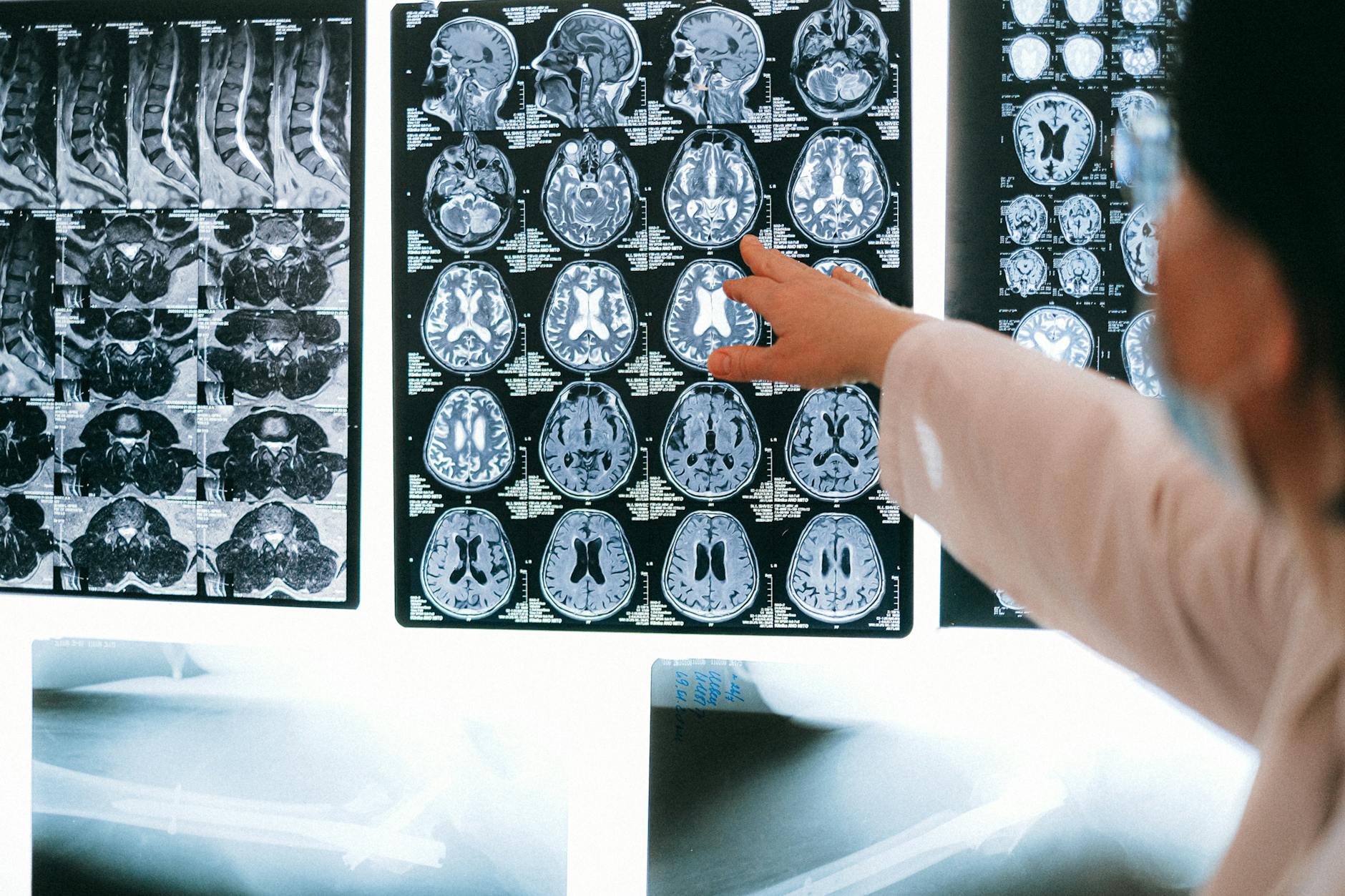
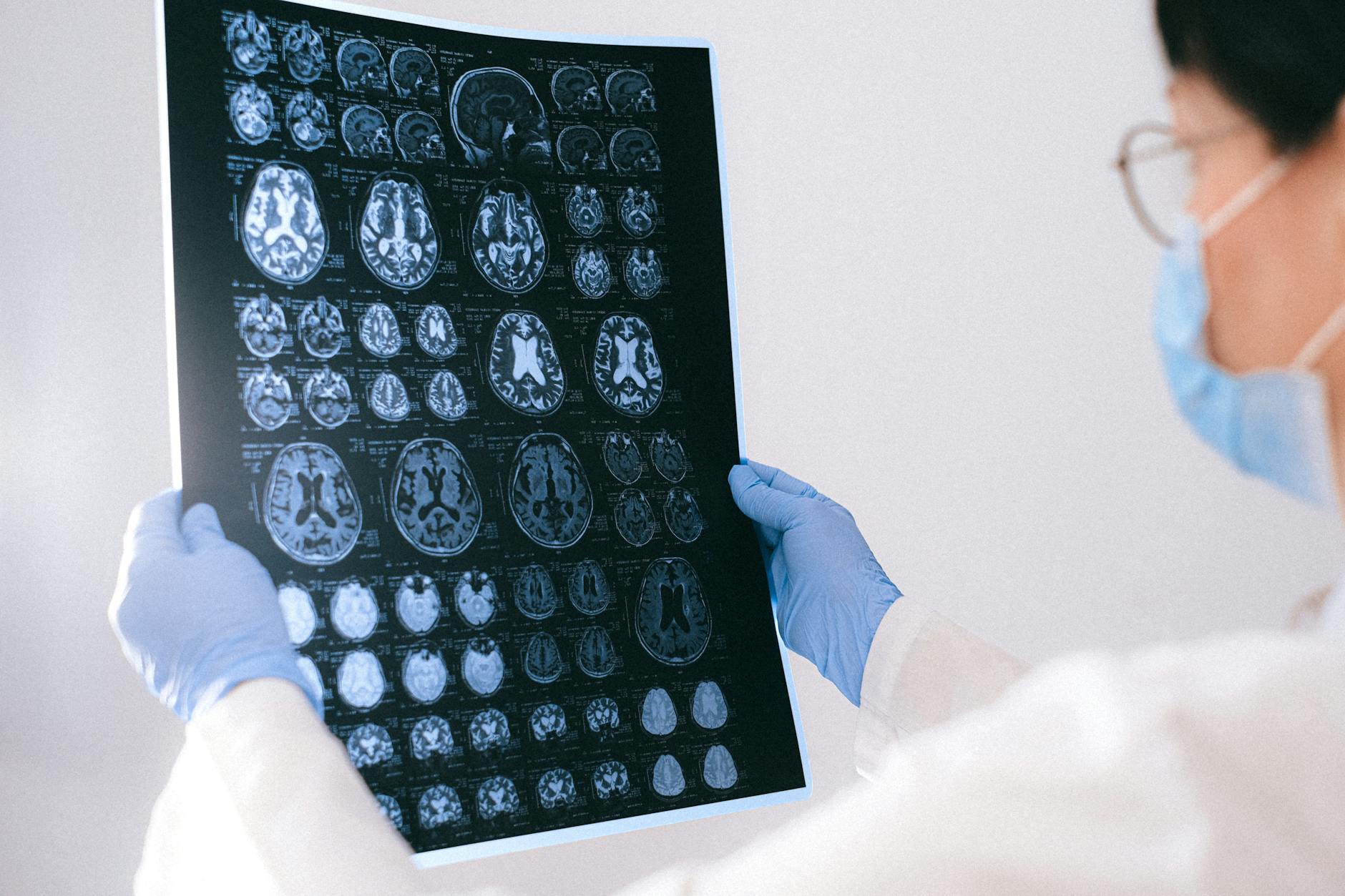
Neuroimaging studies provide objective evidence of structural brain changes. Diffusion tensor imaging (DTI), a technique sensitive to white matter integrity, has shown altered fractional anisotropy (FA) and mean diffusivity (MD) in specific brain regions of footballers with a history of heading. These changes are indicative of axonal damage and demyelination, particularly in frontal and temporal lobes, areas critical for executive function and memory. The extent of these microstructural changes often correlates with the number of headers accumulated over a player's career, establishing a dose-response relationship. For instance, players with higher heading exposure often exhibit lower FA values in the corpus callosum and superior longitudinal fasciculus, tracts essential for interhemispheric communication and cognitive processing.
The impact of heading is not limited to professional athletes. Research on amateur players, including adolescents, also raises concerns. While the cumulative exposure is lower, the developing brain of a young athlete may be more vulnerable to repetitive impacts. Studies in youth football have shown transient changes in neurophysiological markers, such as altered event-related potentials (ERPs), immediately following heading drills. These changes, though often resolving quickly, suggest that even in the short term, heading can disrupt normal brain function. The long-term implications of these transient changes in a developing brain remain a critical area of ongoing investigation, but the precautionary principle suggests limiting exposure.
One of the challenges in this field is the heterogeneity of heading exposure and individual susceptibility. Not every player who heads the ball develops neurodegenerative disease, and the precise threshold for risk remains undefined. Genetic factors, such as APOE ε4 allele status, may modulate individual risk, with carriers potentially being more vulnerable to the effects of head trauma. But even without specific genetic predispositions, the cumulative mechanical stress on brain tissue from repeated impacts is a significant independent risk factor. The force of impact from a headed ball can range from 20g to over 100g, depending on ball speed and player technique, with each impact contributing to the overall load.
The open-label nature of many observational studies is an obvious caveat; it is impossible to blind participants to their history of playing football. But the consistency of findings across different methodologies, including epidemiological studies, neuroimaging, and neuropathological examinations, strengthens the overall conclusion. The lack of a true control group for professional athletes, who by definition have unique exposure, also poses a challenge. But comparisons to general population cohorts or athletes from non-contact sports provide a reasonable proxy for baseline risk. The long latency period between exposure and disease onset, often decades, complicates prospective studies, necessitating reliance on retrospective data and careful cohort selection. Still, the evidence base is robust enough to warrant clinical action and policy changes.
The question of causality versus association is always present in observational research. But the biological plausibility, the dose-response relationships observed, and the specific neuropathological findings of CTE in former players collectively point towards a causal link. The unique nature of football heading, involving direct impact to the skull, distinguishes it from other forms of head trauma and warrants specific consideration. The ongoing debate about banning heading in youth football reflects the seriousness of these concerns, with some national associations already implementing restrictions for younger age groups. This proactive approach acknowledges the potential for irreversible harm and prioritises brain health over traditional skill development.
Clinicians must now integrate the growing evidence on football heading into their patient discussions, particularly with parents of young athletes. The casual dismissal of heading as a harmless part of the game is no longer tenable; the data on neurodegenerative risk is too compelling. We are not talking about isolated concussions, but the cumulative, insidious damage from subconcussive impacts that often go unnoticed.
For sporting bodies, the implications are clear: implement stricter guidelines on heading, especially for children and adolescents. Delaying the introduction of heading until later ages, or significantly limiting its frequency in training, represents a pragmatic step to mitigate long-term risk. The economic and cultural pressures to maintain traditional aspects of the sport must yield to the imperative of player safety.
Patients, particularly former professional players, should be counselled on their elevated risk for neurodegenerative conditions. Early recognition of cognitive changes, even subtle ones, can facilitate timely intervention and support. While there is no specific treatment for CTE, managing symptoms and planning for future care becomes crucial when a patient understands their risk profile.
The industry, from football manufacturers to club owners, also bears responsibility. Research into safer ball designs that reduce impact forces, or alternative training methods that minimise heading exposure, should be prioritised. Ignoring the science will only lead to further litigation and a decline in public trust, ultimately harming the sport itself.
- The Pivot Evidence increasingly links repetitive football heading to structural brain changes and cognitive deficits, moving beyond concussion alone.
- The Data Former professional footballers show a 3.5-fold increased risk of neurodegenerative disease compared to the general population.
- The Action Clinicians should counsel athletes, particularly youth, on the potential long-term neurological risks associated with repetitive head impacts in football.
ART-2026-856
07/26
Cite This Article
Team E, Voss M. Football headers linked to cognitive decline, neurodegeneration. The Life Science Feed. Published July 20, 2026. Updated July 20, 2026. Accessed July 21, 2026. https://thelifesciencefeed.com/neurology/alzheimer-disease/research/football-headers-linked-to-cognitive-decline-neurodegeneration.
Editorial & AI Standards
All content is researched from peer-reviewed, open-access sources: published trial data, clinical guidelines, and regulatory filings. AI tools are used solely to structure and summarise that evidence; no AI-generated conclusions appear without editor verification against the primary source.
Every article is reviewed by a named editor before publication. Source citations are listed in the References section. This content does not represent the views of any pharmaceutical company, medical device manufacturer, or healthcare provider.
Licence & Rights
© 2026 The Life Science Feed. All rights reserved. Unless otherwise indicated, all content is the property of The Life Science Feed and may not be reproduced, distributed, or transmitted in any form or by any means without prior written permission.
Medical Disclaimer
The information provided on The Life Science Feed is for educational and informational purposes only. It is not intended as a substitute for professional medical advice, diagnosis, or treatment. Always seek the advice of your physician or other qualified healthcare provider regarding any medical condition or treatment decision. Never disregard professional medical advice or delay in seeking it because of something you have read on this website.