
Hosted by Tom Reeves & Sophie Ward
Transcription
If I told you right now that, um, almost half of all dementia cases globally could just be intercepted and I mean, not by some billion dollar experimental infusion or, you know, some futuristic genetic editing.
CO-HOST: Right, something way more accessible.
Exactly, by actions and interventions that are available to us right now, you'd probably think I was exaggerating, you know, just to keep your attention.
CO-HOST: Well, it does sound like a stretch when you first hear it.
It really does. Like if you're listening to this while commuting or, uh, doing the dishes, you might even be rolling your eyes right now, just kind of bracing yourself for another generic lecture about eating kale and, you know, doing crossword puzzles.
CO-HOST: Great, the usual advice.
Yeah, but I promise you, this is not that. Today, we are absolutely tearing down the idea that cognitive decline is just a genetic lottery.
CO-HOST: Right.
Or, you know, some passive waiting game where you just cross your fingers.
CO-HOST: It's, I mean, it is arguably the most radical shift in neurological public health we have seen in our lifetimes.
Wow, really? Most radical.
CO-HOST: Absolutely. We are finally moving away from this era of diagnostic despair, where, you know, you get a diagnosis and you basically just wait for the storm to hit. We're moving into an era of aggressive, evidence-based biological management.
Okay, let's unpack this because the foundation for this shift is this truly monumental document. So, for our deep dive today, we are looking at the 2024 Lancet Commission on Dementia Prevention. Specifically, how it's synthesized in a recent medical review called Dementia Frontiers.
CO-HOST: And, uh, we really need to emphasize what the Lancet Commission actually is.
Right, because it is just one study, is it?
CO-HOST: No, not at all. It is the definitive authoritative consensus of the world's top neuroscientists, epidemiologists, and clinicians.
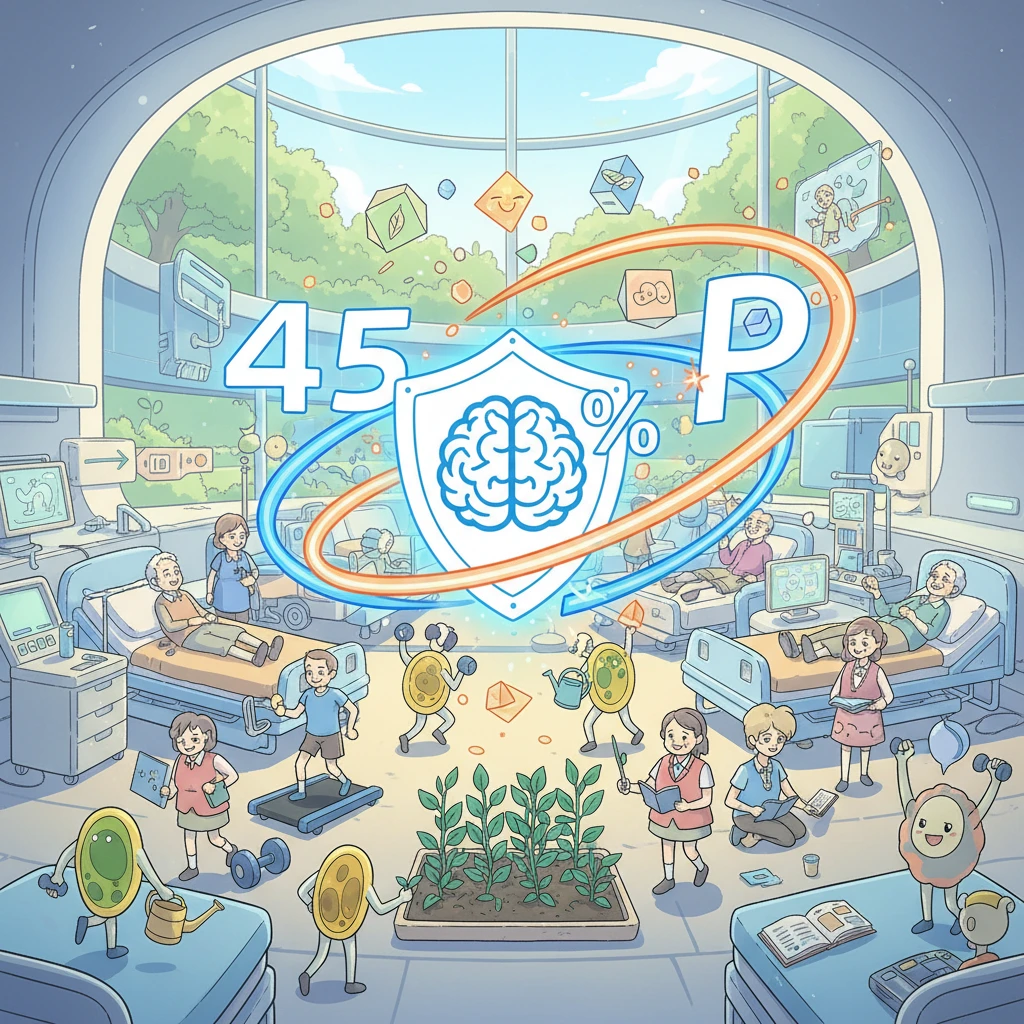
So, they basically locked themselves in a metaphorical room, looked at the totality of human data and emerged with this staggering statistic, 45%.
CO-HOST: Right, 45%.
Meaning 45% of all dementia cases are attributable to 14 modifiable risk factors.
CO-HOST: I really want to pause on that number for a second because, you know, we hear statistics all day long and they just, they lose their meaning.
They just become background noise.
CO-HOST: Exactly. But in a condition that devastates tens of millions of families and literally bankrupts healthcare systems globally, eliminating nearly half of the burden, that completely reshapes the trajectory of human aging.
It's massive. But, uh, I know you wanted to set a boundary here before we get too deep into the weeds.
CO-HOST: Yes, a very crucial boundary for you, the listener, right out of the gate. Because the goal of this deep dive is absolutely not to induce guilt.
Which is so easy to feel with this stuff.
CO-HOST: Right. When the medical community talks about lifestyle factors, it almost inevitably sounds like victim blaming.
Yeah, it feels punitive like, oh, you didn't do enough yoga, so this is your fault.
CO-HOST: Exactly, it sounds like you are being scolded for not running a triathlon or for eating a piece of cake. And that framework is medically useless.
So what's the actual goal here?
CO-HOST: This conversation is about empowering you with the actual structural mechanics of your brain. We are going to look at hard, randomized controlled trial data.
Things like, uh, Sprint Mind and the Finger trial, right?
CO-HOST: Yes. Finger, Achieve, all of them. To show you the cellular and structural realities of how your environment, your blood vessels, and even your senses literally dictate your cognitive reserve over a lifetime.
Okay, so let's start with the architecture of that 45%. Because the Lancet Commission has actually been updating this model for years, right?
CO-HOST: They have, it's an evolving science.
Like back in 2020, they pointed to 12 factors that accounted for 40% of the risk. But now, in the 2024 update, they've identified 14 distinct factors. And brought the number up to 45%.
CO-HOST: Right. And what's really vital is how they organize these factors.
Yeah, that's what I found so compelling in the source material. These aren't just things that happen to you when you turn 80. The commission maps these 14 factors chronologically like across an entire human lifespan.
CO-HOST: The timeline is honestly the most revealing part of the data. It forces us to realize that neurodegeneration is a decades long process.
Right.
CO-HOST: The very first factor actually occurs in early life, which the commission defines as childhood and adolescence. And that factor is low education.
Which honestly seems so counterintuitive to me. Like, how does the algebra class I struggled through at age 12 dictate whether I get dementia at 80? It just, it doesn't seem connected.
CO-HOST: It does seem strange at first glance, but it has everything to do with the physical construction of your neural network.
Okay, how so?
CO-HOST: So, formal education, particularly in early life, when the brain's neuroplasticity is at its absolute peak, it forces the brain to build incredibly dense, complex synaptic connections.
Like it's building a really complicated highway system.
CO-HOST: Exactly. It creates a massive redundancy in the neural pathways. So, decades later, if amyloid plaques or tau tangles begin to form and say, they damage a specific neural pathway,
A highly educated brain already has a detour built.
CO-HOST: Precisely. It can route the processing around the damage. We call this cognitive reserve.
Cognitive reserve. Okay, so it doesn't mean you magically don't get the pathology, right?
CO-HOST: No, the pathology might still be there. It means your brain can withstand a massive amount of that physical damage before you ever show clinical symptoms of memory loss.
That makes a lot of sense. Okay, so education builds the initial scaffolding. But then we cross into mid-life, and the source material highlights this as the absolute critical battleground.
CO-HOST: It is the window where you have the most leverage.
We're talking roughly ages 45 to 65 here. And the risk factors really cluster in this window. There's hypertension, obesity, hearing loss, traumatic brain injury, excessive alcohol consumption.
CO-HOST: Yeah.
And, uh, a newly added factor for 2024, which is elevated LDL cholesterol.
CO-HOST: And then, of course, the timeline shifts again as we move into later life, which is generally considered 65 and older.
Right. And what are the factors there?
CO-HOST: Here we see smoking, depression, physical inactivity, social isolation, diabetes, air pollution, and the second newly added factor for 2024, vision loss.
Looking at that whole list spanning a lifetime, I mean, it fundamentally changes how I view the genetic argument.
CO-HOST: In what way?
Well, people always say, you know, my grandmother had it, it's in my DNA, there's nothing I can do. But looking at this, it feels like genetics might just dictate the baseline vulnerability. I was trying to visualize this and tell me if this works.
CO-HOST: Go for it.
Instead of thinking of genetics as a concrete blueprint of a house where you're just stuck with whatever is drawn. What if we think of genetics as the geological fault lines underneath a city?
CO-HOST: Hm. Okay, I like where this is going.
Like, you might have a severe fault line in your DNA. You are at risk. But these 14 factors, they are the tectonic pressure. They are the structural integrity of your buildings. The early warning systems. You could live on a fault line your entire life and never experience a devastating earthquake if you manage the pressure and reinforce the infrastructure.
CO-HOST: That is, wow, that is a phenomenal way to conceptualize it.
Oh, good. I was hoping it wasn't too much of a stretch.
CO-HOST: No, it perfectly captures what neurologists call a life course multi-domain problem. And the crucial takeaway of a multi-domain problem is that it requires a multi-domain solution.
Right, so you can't just fix one thing and call it a day.
CO-HOST: Exactly. No single action on that 14-point list confers immunity. If you lower your cholesterol to perfect levels, but you are completely socially isolated and smoking a pack a day, the tectonic pressure is still building.
The fault line is going to slip.
CO-HOST: Right. The neuroprotection comes from the cumulative synergistic effect of addressing multiple variables simultaneously over decades.
And as you're listening, I want you to actively place yourself on this timeline. Think about what phase of life you are in right now because the locus of control is entirely yours. You are essentially the project manager of your own cognitive reserve.
CO-HOST: I love that phrase, project manager. It puts you in the driver's seat.
Exactly. But, um, as we dig into the midlife window, which the source material flags as the most overlooked phase, I was honestly stunned by what the data pinpointed as the single largest controllable risk factor.
CO-HOST: A lot of people are surprised by this.
Right, because it's not head trauma, it's not alcohol, it is midlife hypertension. High blood pressure in your 40s and 50s accounts for nearly 9% of all dementia cases globally.
CO-HOST: 9%. That is a staggering slice of the pie for a condition that we have historically viewed as a localized brain disease.
We always picture it's just a brain issue.
CO-HOST: We do. And we have to completely reorient our understanding here. Dementia is, in many very real ways, a vascular disease. It is an issue of perfusion.
Meaning how blood flows to the organ itself.
CO-HOST: Exactly. And the trial data that prove this is perhaps the most important clinical evidence in modern lifestyle medicine. We really have to talk about Sprint Mind.
Yes, let's slow down and really look at Sprint Mind because it upends everything we thought we knew about, you know, just waiting for a pharmaceutical miracle.
CO-HOST: So Sprint was originally this massive cardiovascular outcomes trial in the United States. It stands for systolic blood pressure intervention trial. And the architects of the trial asked a deceptively simple question.
Which was?
CO-HOST: For decades, we've told older adults that a systolic blood pressure, so that that's the top number on your reading of less than 140 is good enough. That was standard control.
Right, if you were at 135, your doctor was happy.
CO-HOST: Exactly, but they asked, what if we pushed it lower? What if we aggressively medicated people to get that top number below 120?
Okay, so they took adults with high cardiovascular risk and randomized them. Half get the standard control, aiming for below 140. And the other half get intensive control, pushed all the way below 120.
CO-HOST: Precisely. And Sprint Mind was the cognitive substudy attached to that. They wanted to know, is that aggressive blood pressure control actually protecting the brain from cognitive decline?
Now the results of this trial are fascinating, and they honestly require a bit of clinical literacy to interpret correctly. Because if you just read the top line summary, which happens a lot on the news, you might see that the primary outcome, which was a reduction in probable dementia, was technically null after 3.3 years.
CO-HOST: Which caused a ton of initial confusion and skepticism.
Right. People thought, oh, it didn't work.
CO-HOST: But you have to look at the trial mechanics. To develop full-blown, clinically diagnosable dementia takes time. Decades, usually.
And 3.3 years isn't nearly enough time.
CO-HOST: Exactly. In a brief 3.3-year follow-up window, the absolute number of people progressing all the way to end stage dementia was simply too low to reach statistical significance. The trial was basically underpowered for that specific extreme endpoint.
But the secondary outcome is where the earth shook. Because they also measured the incidence of mild cognitive impairment or MCI.
CO-HOST: Yes. And MCI is the critical transition zone.
That's when the memory loss is noticeable, right? Like it shows up on tests, but you can still manage your daily life.
CO-HOST: Exactly. You are still independent, but the decline is measurable. And for MCI, the intensive blood pressure control resulted in a massive 19% reduction.
Wow, 19%.
CO-HOST: Let the weight of that sink in. A 19% reduction in the onset of cognitive impairment. We have pharmaceutical companies spending billions of dollars, running trials for decades, trying to find complex synthetic molecules that might offer even a fraction of that benefit.
And here we achieved a clinically profound 19% reduction using dirt cheap, universally available blood pressure medications.
CO-HOST: Right. We didn't invent a new neurological mechanism. We just optimized the microvascular perfusion network.
Okay, here's where it gets really interesting for me. I want to understand the actual physical mechanics of this. Because why does a high number on a blood pressure cuff translate to memory loss?
CO-HOST: How are you picturing it before?
Well, I used to imagine it like a plumbing issue, like a pipe just bursting in the brain, you know, a stroke. But the source material talks about something much more insidious than a burst pipe. It focuses on white matter hyperintensities. Break that down for us.
CO-HOST: Yeah, we need to move away from the simple plumbing analogy because it's not just about a large pipe bursting. Think of the brain as a highly complex electrical grid.
Okay, an electrical grid.
CO-HOST: The gray matter on the outer surface of your brain, that's where the computers are, the processing centers. But the white matter deep inside the brain, that is the massive bundle of fiber optic cables connecting all those computers together so they can communicate.
And those fiber optic cables, they need a constant, uninterrupted supply of blood to stay alive, right?
CO-HOST: Exactly. They are fed by incredibly tiny, delicate microvessels. Now, when your blood pressure is consistently high, the blood isn't just flowing smoothly, it is forcefully tearing through those microvessels.
Like a turbulent river.
CO-HOST: Yes, a perfect analogy, a turbulent river effect. The sheer mechanical force shears the microscopic endothelial cells lining the vessels.
Oh, wow. So it's physically damaging the walls.
CO-HOST: Yes. This constant microtrauma triggers localized inflammation. The vessel walls thicken and stiffen to protect themselves from the intense pressure, which, ironically, narrows the opening.
Oh, I see. So the vessels get thicker to protect themselves, the opening gets smaller, and as a result, less blood gets through to the white matter.
CO-HOST: Yes. You start experiencing chronic, low-grade ischemia, which is basically oxygen deprivation. The white matter essentially begins to suffocate.
That is a terrifying image.
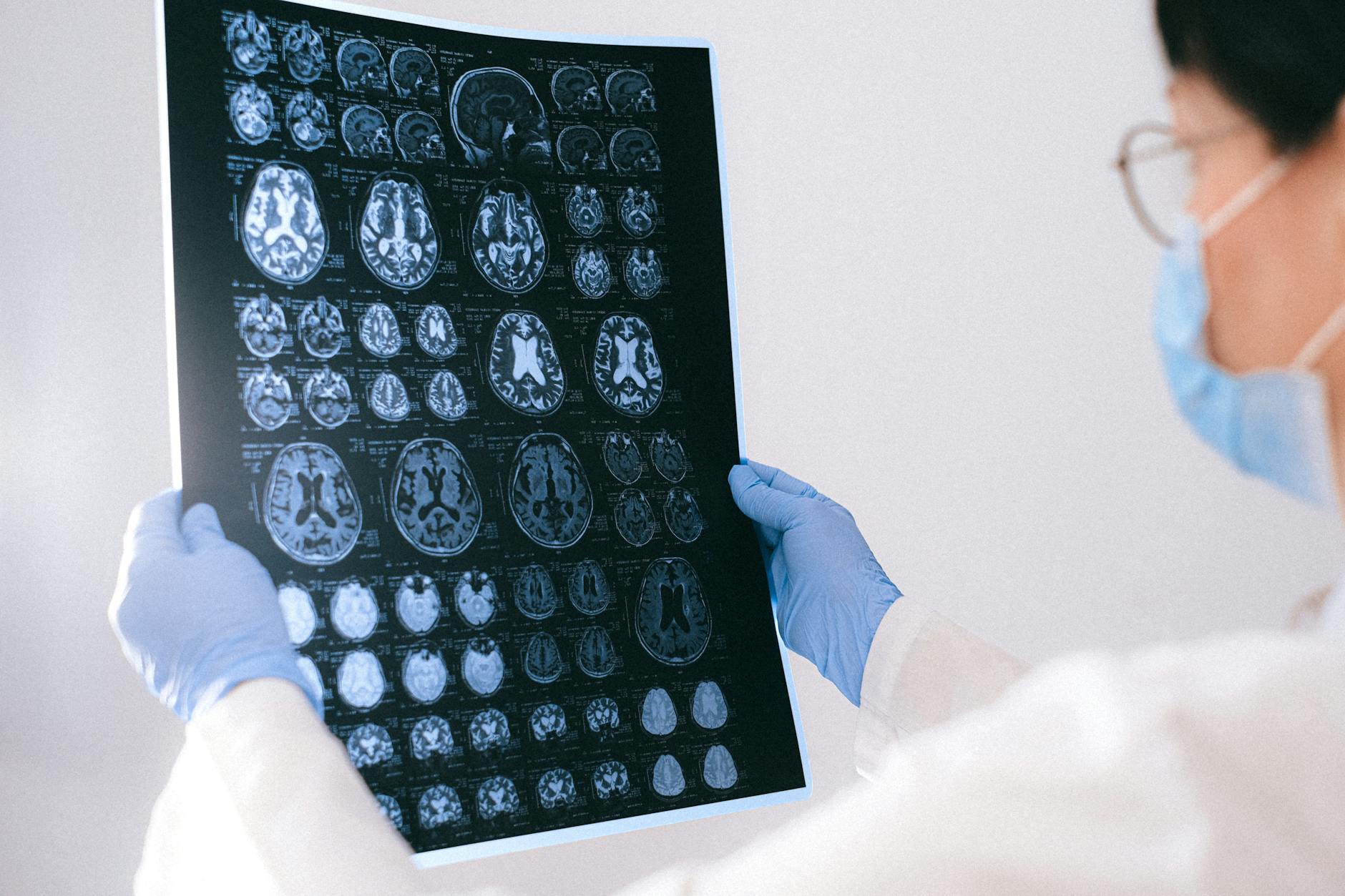
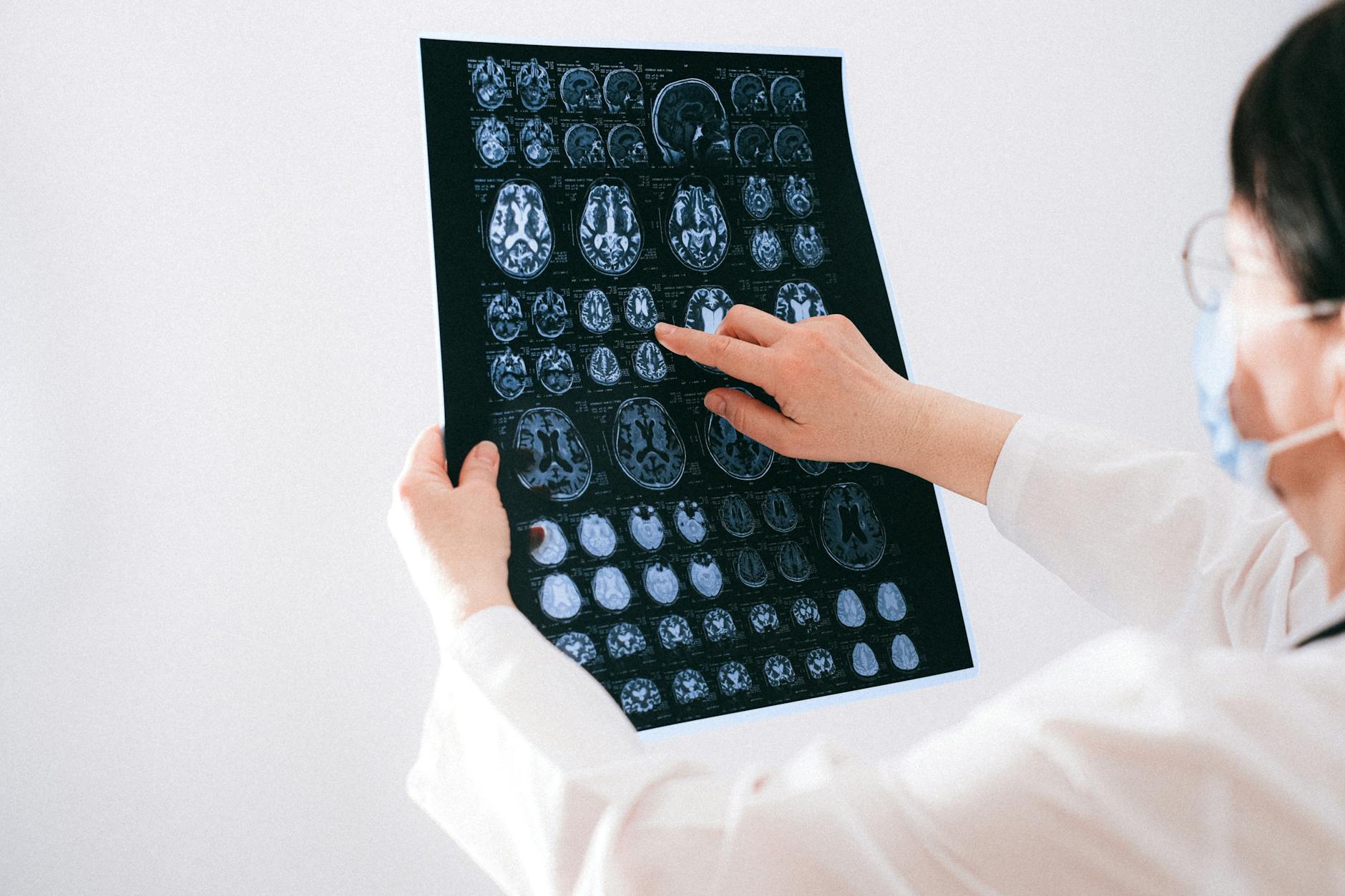
CO-HOST: It is. The protective myelin sheath around those fiber optic cables breaks down. And when neurologists put a patient in an MRI scanner, those areas of suffocated, scarred white matter show up as glowing, bright white spots.
Hence the clinical term, white matter hyperintensities.
CO-HOST: Exactly.
So when you look at an MRI and you see a brain peppered with these white spots, you are literally looking at a shredded electrical grid.
CO-HOST: Yes, you are.
The computers, the gray matter might be fine, but the cables connecting the memory center to the speech center are frayed. So processing speed slows down, word recall gets glitchy.
CO-HOST: Executive function stumbles, yes. That is exactly what you are seeing. And the Sprint Mind trial proved that by intensively lowering blood pressure, you significantly reduce the accumulation of those white matter lesions.
You are preserving the physical integrity of the electrical grid.
CO-HOST: Yes, you're preventing the fraying before it starts.
Which is incredible. But I know there's a massive caveat here, and I want to make sure we don't accidentally send a listener out to demand a blood pressure of 110 from their doctor, regardless of their age or situation.
CO-HOST: No, absolutely not. We have to be careful.
Because the source material is very clear about the risk-benefit ratio shifting dramatically as we age.
CO-HOST: This is vital to understand. Sprint enrolled a mixed-age population. And the intensive intervention pushing the pressure below 120, it actually caused a noticeable increase in adverse events for some groups.
Like what kind of events?
CO-HOST: We saw higher rates of hypotension, which is when blood pressure drops too low, causing syncope or fainting. There were also increased rates of acute kidney injury.
So if you take an 82-year-old who is a bit frail and aggressively lower their blood pressure, you aren't protecting their brain. You're causing them to get dizzy when they stand up, they fall, they shatter their hip.
CO-HOST: Or they end up on dialysis. The intervention becomes a severe hazard at that age. Treating hypertension in an 80-year-old who already has existing white matter damage has a very fragile risk-benefit profile.
Because you can't reverse the damage.
CO-HOST: Exactly. You cannot unscar that white matter. You cannot heal those hyperintensities once they form. The biological window of opportunity is midlife.
Between 45 and 65.
CO-HOST: Yes. Because in that window, your vessels are generally resilient enough to handle lower pressures without causing fainting. And crucially, you are acting before the permanent scarring occurs.
So if I wait until I'm 80 to fix my blood pressure, is the damage already done?
CO-HOST: In terms of prevention, largely, yes. The cognitive protection is greatest when intervention happens between 50 and 65.
So if I'm 55 and my doctor says my blood pressure is 135 over 85, and historically they might have said, ah, let's just watch it, this data says absolutely not. Do not just watch it, lower it now because the damage is compounding daily.
CO-HOST: That is the exact clinical translation. Aggressive management in midlife is the ultimate neuroprotective strategy. And, you know, the 2024 Lancet Commission reinforced this whole vascular focus by adding elevated midlife LDL cholesterol to the list.
Which is fascinating because statins, the drugs we use to lower LDL, they're handed out like candy for heart health. But you rarely hear a doctor say take this statin to protect your memory.
CO-HOST: Right, it's always pitched as cardiac protection. But the mechanistic link to the brain is becoming undeniable. It comes right back to that endothelial lining, the delicate inner wall of the microvessels we just discussed.
How does LDL affect that?
CO-HOST: High LDL cholesterol is directly toxic to the endothelium. It causes endothelial dysfunction, making the vessels stiff and unable to dilate when the brain needs a surge of blood flow.
Wow. So high blood pressure physically batters the vessels with turbulent force, and a high LDL cholesterol chemically degrades their elasticity.
CO-HOST: Exactly. It's a two-front war on the brain's blood supply. And while the trial data specifically linking statins to dementia prevention isn't quite as definitively mapped out as the blood pressure data yet, the biological rationale is ironclad.
You are managing your midlife lipids to guarantee that your white matter has the oxygen it needs to function when you are 80.
CO-HOST: That's the goal.
Okay. So we've established that preserving the microvascular network, fixing the plumbing, protecting the electrical cables, whatever analogy we use, that is step one. We have to defend the brain from damage.
CO-HOST: Correct.
But defense isn't enough, right? If we want to actually build cognitive reserve, we have to look at the living ecosystem of the body. How do we fuel and stimulate the brain to grow stronger?
CO-HOST: Now, this moves us from single factor defense into multi-domain intervention. And you really cannot discuss multi-domain intervention without dissecting the Finger trial. It is the gold standard of lifestyle neurology.
The Finger trial.
CO-HOST: Yeah.
Published in the Lancet in 2015. Every time I hear neurologists talk about this, they speak about it with this kind of reverence, like it's a holy text.
CO-HOST: Because it proved the impossible, honestly. Finger stands for the Finnish geriatric intervention study to prevent cognitive impairment and disability. And it was a massive undertaking.
What did they actually do?
CO-HOST: They screened a huge swath of the Finnish population and ultimately enrolled 1260 adults between the ages of 60 and 77.
And crucially, these weren't just random, perfectly healthy adults, right?
CO-HOST: Right. They used a specific screening tool called the KADE Dementia Risk Score.
Right. What exactly is a KADE score?
CO-HOST: KADE stands for cardiovascular risk factors, aging, and incidence of dementia. It's a validated clinical tool. It assigns points based on a patient's age, educational level, sex, systolic blood pressure, BMI, total cholesterol, and physical activity level.
So it's basically a snapshot of your tectonic pressure.
CO-HOST: Yes. And if your score is high, your statistical probability of developing dementia in the next 20 years is severely elevated.
So they intentionally recruited 12,260 older adults who were in the crosshairs. They were at high risk, but they did not yet have cognitive impairment.
CO-HOST: Right. And they split them into two groups. The control group got standard, generic health advice, you know, eat better, walk more, see you next year.
The usual spiel.
CO-HOST: Exactly. But the intervention group received something entirely unprecedented. They were enrolled in a highly structured, intensive two-year multi-domain program built on four distinct pillars.
Let's walk through those pillars because I want people to understand the sheer magnitude of what these participants actually did day in and day out. Pillar one was diet, but not just a simple handout, right?
CO-HOST: Yeah. No, it was intensive nutritional counseling based on the Nordic diet. Frequent one-on-one meetings with study nutritionists.
And what is the Nordic diet for those who don't know?
CO-HOST: It emphasizes high consumption of fish, particularly fatty fish rich in omega-3s, lots of root vegetables, berries, rapeseed oil, and whole grain cereals like oats and rye. It drastically limits saturated fats and processed sugars. It is designed to be highly anti-inflammatory.
Okay, so that's pillar one. Pillar two was physical exercise. And again, not just go for a walk. This was progressive, supervised aerobic and resistance training.
CO-HOST: Muscle strength training at a gym one to three times a week. Plus aerobic exercise walking, cycling, aquatic training, two to five times a week.
Wow, that's a lot.
CO-HOST: It is. And the intensity was constantly adjusted upward by physical therapists as the participants got stronger.
Pillar three was computerized cognitive training. And they didn't just give them a Sudoku book, did they?
CO-HOST: No, they had them doing specific, targeted software exercises designed by psychologists. These were meant to heavily strain their executive function and processing speed.
And finally, pillar four was rigorous vascular risk monitoring.
CO-HOST: Nurses constantly checking blood pressure, weight, and metabolic markers. And aggressively coordinating with the participant's primary care doctors to adjust medications in real time.
So they sustained this extreme level of intervention for two full years.
CO-HOST: Two years, yes.
And the results kind of defied the skeptics, right? At the end of the trial, the intervention group showed a 25% better overall performance on a comprehensive neuropsychological test battery compared to the control group.
CO-HOST: A 25% improvement across all cognitive domains is astonishing. But when you break down the specific subdomains, the numbers almost sound like a typo.
They really do. Like executive function, which is your brain's ability to plan a complex task, juggle multiple streams of information, and ignore distractions, that improved by 83% relative to the control group.
CO-HOST: And processing speed improved by an astounding 150% compared to the control group.
Let's talk about what processing speed actually means for a 75-year-old. Because 150% sounds abstract. What does that improvement actually look like in someone's living room?
CO-HOST: Processing speed is the bedrock of functional independence. It is simply the time it takes for your brain to perceive a stimulus, make sense of it, and execute a response.
Okay.
CO-HOST: If your processing speed is slow, holding a conversation at a dinner party becomes exhausting. Because by the time you've decoded what person A said, person B is already talking.
Oh, wow. I never thought about it like that.
CO-HOST: Or think about driving. It affects your ability to safely drive a car. Can you hit the brake the exact millisecond you see brake lights ahead? 150% improvement means these participants were sharper, faster, and vastly more capable of navigating a complex, fast-moving world.
So hearing those numbers, my immediate lazy human instinct kicks in.
CO-HOST: Of course.
I look at that massive four-pillar program and I think, okay, that's exhausting. I have a job, I have kids, I can't do supervised resistance training, nutritional counseling, and brain training. I want to cherry pick.
CO-HOST: Everyone wants to cherry pick.
I want to say, I'll just eat the salmon and the berries and I'll skip the gym. But the source material makes a point of explaining why dismantling the Finger protocol guarantees failure.
CO-HOST: What's fascinating here is that it is a critical behavioral trap. People naturally want the path of least resistance. But human biology just doesn't work that way. And we have other clinical trials that demonstrate exactly what happens when you isolate the variables.
Like the Mind Diet trial, right?
CO-HOST: Exactly. Take the Mind Diet.
The Mind Diet is essentially a hybrid of the Mediterranean diet and the DASH diet, right? Leafy greens, olive oil, nuts, very low red meat.
CO-HOST: Right. And huge amounts of observational data suggested people who ate this way had lower dementia rates. But when researchers finally ran a massive, rigorous randomized controlled trial where they just intervened with the Mind Diet alone without adding exercise or cognitive training, the trial was fundamentally null.
Whoa, wait, really? Diet alone did not significantly slow cognitive decline.
CO-HOST: Not in that trial population, no. Just eating the perfect diet didn't move the needle enough on its own.
But then contrast that with the Predimed Plus trial in Spain.
CO-HOST: Yes. In Predimed Plus, they took a Mediterranean diet intervention and paired it with a structured physical activity program. And that combined intervention did show significant cognitive benefits. This proves the concept of biological synergy.
Let me see if I can articulate the mechanism here, because this is where the puzzle pieces snap together for me. Tell me if I'm on the right track.
CO-HOST: Go ahead.
If I sit on my couch all day doing a computerized brain game, I am creating a demand. I am challenging the neural networks. But if my blood vessels are stiff from high LDL and my blood pressure is shearing my white matter and my diet is full of highly processed inflammatory fats, I haven't provided the biological supply to meet the demand.
CO-HOST: That is precisely it. The brain cannot forge new synaptic connections out of thin air. It requires massive metabolic resources.
So they have to work together.
CO-HOST: Yes. The physical exercise stimulates the microvascular network and triggers neurogenic growth factors. The diet provides the high quality lipid structures and anti-inflammatory molecules required to physically build the new cell membranes. Only when the physiological environment is primed can the cognitive training actually reshape the neural architecture. You have to fuel the machine, repair the pipes, and then run the software.
Fuel the machine, repair the pipes, run the software. I love that. Which makes total sense biologically, but it introduces a massive real-world problem.
CO-HOST: Access and resources.
Exactly. The Finger protocol works, but it is incredibly resource intensive. Most people cannot afford a personal trainer, a nutritionist, and a nurse monitoring their blood pressure every week.
CO-HOST: Which is why the next phase of this research is entirely focused on public health infrastructure. The scientific community recognized that Finger couldn't remain a boutique Finnish experiment, so they launched the Worldwide Fingers Network.
They're essentially trying to replicate and adapt this trial on every continent, right?
CO-HOST: Yes, exactly. There is the US Pointer trial in the United States, adapting the diet and exercise protocols to American populations and American palettes. There are parallel trials running in Latin America, Australia, Singapore, and China. We are waiting on a wave of data expected around 2026.
And the goal here isn't just to prove the science again. It's to figure out how to deliver it at scale. Because if US Pointer shows those same 83% and 150% improvements, it forces a reckoning for health insurance companies and governments.
CO-HOST: It absolutely does.
It means we have to stop just prescribing pills and start funding community-based multi-domain lifestyle programs. We have to redesign community centers.
CO-HOST: Exactly. It transitions dementia prevention from a private individual burden into a public health mandate.
All right. So we've covered the internal metabolism, protecting the vessels and fueling the cells. But the brain isn't a sealed computer in a dark room. It requires constant external data to remain active.
CO-HOST: Yes, our connection to the outside world.
And this brings us to a section of the Lancet Commission that completely subverted my expectations.
CO-HOST: Yes.
We have to talk about the sensory social bridge.
CO-HOST: This is an area of neurology that has just exploded in importance over the last five years. When we look at the 2024 Commission's attributable risk list, the second largest individual risk factor, right behind midlife hypertension, is hearing loss.
Untreated hearing loss accounts for roughly 7% of all dementia cases.
CO-HOST: 7%. That is a massive public health target. And the clinical trial data surrounding this is incredibly nuanced. We need to dissect the Achieve trial.
Achieve was published in the Lancet in 2023. And this was a massive, highly anticipated trial. They took 977 older adults. These participants had measurable hearing loss, but their cognition was totally intact at the start of the study.
CO-HOST: Right. They had normal memory for their age. And they randomized them into two arms. The intervention group received best-in-class audiological care.
So they weren't just handed a box with a hearing aid in it.
CO-HOST: No, they were evaluated by professionals, fitted with high quality hearing aids, and received ongoing support to ensure they actually used and adapted to the devices. The control group, on the other hand, received a generic successful aging health education program, but no hearing intervention.
And they followed these nearly 1000 people for three years, constantly measuring their cognitive function. And when the primary results were published, there was a collective gasp in the neurology community.
CO-HOST: A lot of disappointment initially.
Because the headline result for the overall trial was null. Giving these people hearing aids did not significantly slow their cognitive decline over three years compared to the education group.
CO-HOST: You can imagine the dismay. The observational data had been screaming that hearing loss causes dementia. But the overarching randomized trial failed to prove that fixing it protected the brain.
So did we just get it wrong?
CO-HOST: Well, this is why we don't just read headlines. You have to look at the pre-specified subgroup analysis, because it revealed a profound underlying truth about cognitive reserve.
Let's dig into that subgroup, because this completely shifts the narrative.
CO-HOST: The researchers divided the participants based on their baseline risk for cognitive decline. They essentially separated the healthy, low-risk participants from the highly vulnerable participants.
Who were the vulnerable ones?
CO-HOST: The vulnerable group was drawn from an ongoing observational study called Eric, and they had high KADE scores, meaning they had higher blood pressure, worse metabolic health, lower education.
Okay, and in that specific high-risk subgroup, the results were mind-blowing. In that group, the hearing intervention resulted in a massive 48% slowing of cognitive decline compared to the control group.
CO-HOST: A 48% reduction in the rate of decline. They essentially cut the speed of brain aging in half over three years just by restoring auditory input.
Okay, I have to stop and unpack this, because mechanistically it sounds like magic. Let me play devil's advocate for a second.
CO-HOST: Please do.
How does a mechanical failure in the inner ear, like my cochlea degrading, physically cause my brain's memory centers to atrophy? Hearing is just processing sound waves. How does the lack of sound waves cause dementia?
CO-HOST: It is a brilliant question. And it is the exact crux of the sensory cognitive link. The degradation of the ear itself doesn't secrete a toxin that damages the brain. The mechanism is entirely about how the brain reallocates its resources to compensate for the failing ear. We operate on two primary hypotheses here. The first is cognitive load.
Let's define cognitive load.
CO-HOST: When you have normal hearing, auditory processing is passive and automatic. You hear a sentence, your brain instantly maps the sounds to words, and you extract the meaning without even thinking about it.
Right, it just happens.
CO-HOST: But when you have untreated hearing loss, the signal arriving at the brain is degraded, it's muffled, it's fragmented, it's full of static.
So the brain has to act like a frantic autocorrect system.
CO-HOST: Exactly. The brain has to divert massive amounts of executive processing power just to guess the missing consonants, read the speaker's lips, and use context clues to piece together a single sentence. It takes intense conscious effort. The cognitive load skyrockets.
I'm glad that's not hurt memory.
CO-HOST: Because the brain only has so much processing power. Diverting those resources to auditory decoding means pulling resources away from memory consolidation. You literally don't have the bandwidth to hit save on the memory of the conversation because your brain maxed out its processor just trying to hear the words.
Oh, wow.
CO-HOST: Over years, this chronic reallocation of resources leads to structural atrophy in the memory centers.
Wow. So your brain is essentially cannibalizing its memory functions to keep the auditory translation software running.
CO-HOST: Right.
That is terrifying. But the source material outlined a second pathway too, which seems even more insidious because it happens outside the body.
CO-HOST: Yes. The behavioral shift, this is where sensory loss bridges directly into social isolation. Think about the day-to-day reality of someone with untreated hearing loss. Conversations in a busy restaurant become impossible.
Right, it's just a wall of noise.
CO-HOST: Family gatherings sound like overwhelming white noise. When someone asks you a question, you answer incorrectly because you misheard them and you feel embarrassed.
So what do you do?
CO-HOST: You stop going to the restaurant, you sit quietly in the corner at the family gathering, you slowly, incrementally retreat from the world.
You withdraw.
CO-HOST: And social withdrawal is catastrophic for the human brain. The Lancet Commission lists social isolation as a standalone risk factor, accounting for roughly 5% of dementia cases.
Why is social interaction so vital? I mean, I love a quiet evening alone, is that bad for my brain?
CO-HOST: No, a quiet evening is fine. Chronic isolation is toxic. From a neurological perspective, holding a dynamic conversation with another human being is one of the most complex computational tasks your brain can perform.
Really? Just talking?
CO-HOST: Think about it. You are simultaneously processing auditory data, visually tracking microexpressions on their face, predicting what they're going to say next, which is called predictive coding, accessing your own memory banks to formulate a response, and modulating your emotional tone. It is a full brain workout.
So when you lose your hearing and consequently withdraw from social interaction, you are basically putting your brain on bed rest. And just like a muscle on bed rest, it atrophies.
CO-HOST: Exactly. When you give that high-risk patient in the Achieve trial a hearing aid, you aren't just amplifying sound, you are lowering their cognitive load so they can remember again, and you are giving them the confidence to re-enter the social arena and get that neurological workout.
And this framework completely explains why the 2024 Commission added vision loss as a new risk factor. It operates on the exact same parallel pathway.
CO-HOST: Yes, very similar mechanics.
If you develop cataracts or macular degeneration and you don't get them corrected, you stop reading, you stop driving, you stop recognizing faces across a room, you disengage.
CO-HOST: The clinical takeaway here is arguably the most actionable in the entire report. We have normalized sensory decline as just an annoying part of getting older. You know, oh, grandpa just mumbles, turn the TV up.
Right. We treat it like a quirk.
CO-HOST: We have to stop viewing hearing aids and cataract surgeries as lifestyle conveniences. They are frontline neurological interventions.
So what does this all mean for you listening? If you have a parent or a spouse who is stubbornly refusing to get their hearing checked, you need to change your argument.
CO-HOST: Absolutely.
Stop telling them the TV's too loud. You have to sit them down and say, your untreated hearing loss is actively forcing your brain to cannibalize its memory centers. Getting this hearing aid is a medical necessity to protect your independence. It completely reframes the resistance.
CO-HOST: It's a conversation that changes lives. And once we've corrected the sensory input and allowed the patient to re-engage with the world, we have to look at the physical environment they are stepping into, how their body moves through space.
This brings us to physical activity, which has always been, you know, the golden child of lifestyle medicine. The observational data in the Lancet report is staggering. Highly active individuals have a 30 to 35% lower risk of developing dementia compared to sedentary people.
CO-HOST: That's a massive risk reduction.
But I want to get past the generic, exercise is good for blood flow argument. The source material highlights a specific molecular cascade. Let's talk about BDNF.
CO-HOST: BDNF stands for brain derived neurotrophic factor. For a long time, neuroscience operated under the dogma that you are born with a certain number of brain cells, and once they die, they are gone forever.
I definitely learned that in school.
CO-HOST: Most of us did. We now know that is categorically false. The brain retains the ability to generate entirely new neurons, a process called neurogenesis, particularly in a very specific region of the hippocampus called the dentate gyrus.
And the hippocampus is the literal epicenter of memory formation.
CO-HOST: Right. But neurogenesis doesn't just happen spontaneously at high rates. It requires a chemical catalyst. BDNF is that catalyst. It acts as a neurochemical architect. It upregulates the proteins required to build new dendritic spines and facilitates synaptic plasticity.
And how do we get more of this neurochemical architect?
CO-HOST: Sustained aerobic exercise. When you elevate your heart rate through sustained cardiovascular exertion, your muscles release proteins that cross the blood-brain barrier and trigger the expression of the BDNF gene.
You are literally biochemically commanding your hippocampus to grow.
CO-HOST: Yes. We have MRI studies showing that older adults who begin an aerobic exercise regimen measurably increase the physical volume of their hippocampus over a year.
They are bulking up their memory center like a bicep, that is incredible. But, maintaining our theme of rigorous scientific scrutiny, we have to look at when interventions fail. And the Exert trial is a perfect example of the complexities of translating biology into human reality.
CO-HOST: The Exert trial is a crucial piece of the puzzle, published in 2022. They took older adults who already had a clinical diagnosis of mild cognitive impairment, MCI. The disease process had already begun.
Okay, so a different population than Finger.
CO-HOST: Yes. They randomized them into two groups, an intensive, supervised aerobic exercise group, and a low-intensity stretching and balance control group. They followed them for 12 months.
And the results? Did the aerobic group stall their cognitive decline?
CO-HOST: No, both groups continued to decline at a statistically similar rate. The intensive aerobic exercise did not rescue their cognition.
Wait, if BDNF is this powerful neurochemical architect that grows the hippocampus, why did the trial fail? Did the BDNF just stop working?
CO-HOST: It didn't fail biology, it collided with reality. There are two major interpretations of the Exert trial. The first is incredibly practical, compliance.
Meaning they just didn't do the workouts.
CO-HOST: It is phenomenally difficult to get an older adult who is already experiencing cognitive decline, executive dysfunction, and apathy to consistently perform high-intensity aerobic exercise multiple days a week for a year. The dose of the exercise delivered in the real world was likely lower than the biological threshold required to generate massive amounts of BDNF.
Right. It's hard enough to get a perfectly healthy 30-year-old to go to the gym consistently.
CO-HOST: Exactly. But the second interpretation is more biologically profound. It's a concept called reverse causality, and it speaks to the biological window of opportunity. The theory is that by the time a patient has clinically observable MCI, the underlying neuropathology, the accumulation of amyloid and tau proteins, is already so advanced that it fundamentally impairs the brain's ability to respond to neurotrophic factors.
So the disease process essentially breaks the receptors that BDNF would normally use to trigger growth.
CO-HOST: Exactly, the ship has sailed.
Wow. So the clinical message isn't exercise doesn't work.
CO-HOST: Yeah.
The message is, do not wait for memory loss to start exercising.
CO-HOST: Precisely. It suggests that the biological window for aerobic exercise to build robust, protective cognitive reserve is earlier in the life course, midlife. You have to fill the reservoir with BDNF before the pathological drought begins.
And this leads us to the final and perhaps most challenging aspect of the Lancet Commission. We've spent this entire time talking about individual choices, diet, exercise, hearing aids. But the report makes it abundantly clear that dementia risk is deeply entangled with systemic environmental factors that individuals cannot simply choose to avoid.
CO-HOST: We are talking about the policy levers now.
Right. The source material highlights air pollution, specifically exposure to PM 2.5 particulate matter. It contributes about 3% to the total preventable risk.
CO-HOST: PM 2.5 refers to microscopic particles suspended in the air, usually from vehicle exhaust, industrial emissions, or wildfires. They are so small that when you inhale them, they bypass your respiratory defenses.
They don't just stay in the lungs.
CO-HOST: No, they enter the bloodstream and, more terrifyingly, they can travel directly up the olfactory nerve in your nose, bypassing the blood-brain barrier entirely, and deposit directly into the brain.
And once they are in the brain, they trigger severe neuroinflammation. The data shows that living in a highly polluted area increases your hazard ratio for dementia by roughly 1.5 compared to low exposure populations.
CO-HOST: Which brings us to a harsh reality, a doctor cannot write a prescription for clean air.
Exactly. And we have to confront the socioeconomic divide embedded in this 45% statistic. We can talk about Nordic diets and hearing aids all day, but if a patient lives in a highly polluted area and lacks community infrastructure, that 45% preventable fraction isn't equally accessible to them.
CO-HOST: It is a profound health equity crisis. Social isolation is heavily correlated with poverty. The first risk factor on the chronological list is early life education. That is a systemic resource.
So what do we do about that in a clinical setting?
CO-HOST: Well, there is a fascinating movement within primary care trying to bridge this gap, utilizing a mechanism called social prescribing.
What exactly does social prescribing look like in practice?
CO-HOST: Instead of a clinician just handing a socially isolated patient a pamphlet on depression, they utilize a link worker. The clinician formally prescribes a social intervention. They write a referral for the patient to join a specific community walking group, a local community garden, an art class, or a befriending service.
That is brilliant. It integrates community infrastructure directly into the medical treatment plan.
CO-HOST: Exactly. It recognizes that treating isolation is just as biologically necessary as treating hypertension.
Okay, we have covered an immense amount of scientific ground. We've gone from endothelial sheer stress to BDNF neurogenesis to PM 2.5 particles. As an expert, I want you to synthesize this into a concrete timeline. If I am a primary care physician or just a deeply invested patient, what is the clinical roadmap based on this 2024 Commission? How does this practically unfold across a lifespan?
CO-HOST: Let's build the roadmap. Phase one, midlife, ages 45 to 65. The objective here is aggressive biological risk reduction. The patient has no cognitive symptoms, but we are acting as if the disease is trying to take root.
We are building the fortress.
CO-HOST: Yes. We demand strict blood pressure control, aiming for a systolic below 120 or 130 if tolerated, to prevent white matter microtears. We enforce aggressive lipid management with statins to protect endothelial function. We actively manage weight to prevent insulin resistance, which is highly toxic to the brain, and we mandate regular aerobic exercise to maximize BDNF production.
Okay, phase two. Later life, ages 65 to 75.
CO-HOST: The strategy shifts to preservation and connection. We continue vascular management, but we back off the aggressive blood pressure targets slightly to prevent hypotensive falls.
We don't want them fainting.
CO-HOST: Right. And crucially, we introduce sensory and social screenings as mandatory vitals. We test hearing, we test vision. If they are failing, we correct them immediately to prevent cognitive load and withdrawal. We actively assess their social network and utilize social prescribing if they are isolated. We are ensuring the brain remains connected to external stimuli.
And finally, phase three. The memory clinic stage. Patients who are presenting with subjective cognitive complaints or verified mild cognitive impairment.
CO-HOST: Historically, this was the wait and see stage. The Lancet Commission dictates that passive observation is now clinical malpractice. This is the stage for aggressive comorbidity management. The pathology has begun, so every ounce of cognitive reserve must be protected. You manage their diabetes meticulously, you ensure they are sleeping, you treat any underlying depression, which is a massive accelerant of decline. You fight for every inch of neurological territory.
Now I have to ask the ultimate modern question. Everything we've discussed today is about lifestyle, environment, and basic metabolic management. But if you read the news, the entire neurology field is seemingly consumed by the arrival of disease modifying therapies.
CO-HOST: Ah, yes, the anti-amyloid era.
Right. We have these new anti-amyloid IV infusions, monoclonal antibodies that actually clear the physical plaques from the brain. They cost tens of thousands of dollars. How does everything we just outlined interact with these futuristic drugs? Does a $30,000 infusion render the Nordic diet obsolete?
CO-HOST: This is the most exciting synthesis in the field right now. If we connect this to the bigger picture, we are moving past the either or debate. Those new anti-amyloid therapies are a massive scientific breakthrough, but they are not a cure. The clinical trial data suggests they might slow the progression of cognitive decline by roughly 30 to 35% in highly selected ideal patients.
A 30 to 35% slowing of the disease.
CO-HOST: Yes. But recall our foundational statistic from the beginning of this deep dive. Addressing the 14 modifiable risk factors accounts for 45% of the attributable risk.
Wait, really? So optimizing your vascular system and your sensory inputs actually targets a larger potential fraction of the disease than clearing the amyloid plaques themselves.
CO-HOST: Exactly. Which means they're entirely complementary. Think of the brain as a sinking ship. The amyloid plaques are the holes in the hull letting the water in. The anti-amyloid drugs plug some of those holes. They slow the sinking by 30%.
Okay, I see.
CO-HOST: But the lifestyle interventions, the vascular protection, the BDNF neurogenesis, the cognitive reserve, that is the massive water pump actively bailing the water out and reinforcing the ship's frame. If you just plug the holes, but the ship's frame is rotten from hypertension and isolation, it still sinks.
That is an incredible analogy.
CO-HOST: The future of dementia care is combining pharmacological disease modification to slow the pathology with aggressive multi-domain prevention to maximize resilience.
That is a really hopeful, empowering vision. It democratizes the fight against cognitive decline. It means that every clinical encounter, a routine eye exam, a quick blood pressure check at a free clinic, or simply engaging an elderly neighbor in a complex conversation, these are all high stakes, neurologically protective interventions.
CO-HOST: It puts the power back into the hands of primary care providers, community organizers, and most importantly, the patients themselves.
We have covered a staggering amount of ground today. We started by reimagining our genetics, not as a predetermined fate, but as geological fault lines that we can manage by reducing tectonic pressure. We explored how midlife blood pressure acts as a turbulent river, shearing the brain's electrical cables, and how simply lowering that pressure can cut cognitive impairment by 19%.
CO-HOST: A huge takeaway.
We dissected the sheer synergistic magic of the Finger trial, proving that combining diet, exercise and cognitive training can boost processing speed by 150%. And we fundamentally reframed hearing loss, not as an ear problem, but as a crisis of cognitive load and social isolation.
CO-HOST: And as we close, I want to reiterate, knowledge isolated in a deep dive like this is useless. We have laid out the biology, the mechanisms, and the clinical roadmaps. I urge you to look at your own timeline, identify the factors you can influence today because the biological window is open right now.
You are the project manager of your cognitive reserve. But before we officially sign off, I want to leave you with one final, slightly provocative thought to mull over. Something that builds on everything we've learned, but pushes it just a little bit further.
CO-HOST: I love a good provocative thought.
We have spent decades and billions upon billions of dollars viewing dementia fundamentally as a localized, isolated brain malfunction. We treated the brain like a broken part in a machine, hoping we could isolate a single rogue molecule in a sterile lab and design a single magic pill to fix it.
CO-HOST: Right.
But when you look at the Finger trial, when you look at the sheer biological requirement for multi-domain interventions, you really have to wonder, is the human brain actually designed to require a complex, interconnected ecosystem of movement, community, healthy blood vessels, and rich sensory input simply to survive?
CO-HOST: Hmm, that's a profound question.
What if the ultimate cure for our mind isn't going to be found in an IV bag? What if the soaring rates of cognitive decline are actually a biological mismatch between the ancient requirements of our neurological hardware and the isolated, sedentary, highly processed modern world we've built? If 45% of cognitive decline is rooted in how we live, maybe the disease isn't just in our biology. Maybe the disease is in our lifestyle.
CO-HOST: That is definitely something to think about.
Thank you so much for joining us on this deep dive. Take care of your brain, protect your vascular system, stay connected to the people around you, and we will catch you on the next one.
More from: Dementia Frontiers Deep Dive Series

The Amyloid Hypothesis, Finally Validated?
After two decades of high-profile failures, lecanemab and donanemab have produced the first positive phase 3 trials in Alzheimer's disease. We examine the CLARITY-AD and TRAILBLAZER-ALZ 2 data, the clinical meaningfulness debate, and what the approvals actually mean at the bedside.
Why New Alzheimer's Drugs Make Brains Bleed?
ARIA (amyloid-related imaging abnormalities) affects up to 24% of patients on anti-amyloid therapy. APOE4 genotyping, MRI monitoring protocols, severity-graded management, and the anticoagulation dilemma: a practical guide to navigating the risk.
Targeting Tau Inflammation And Alzheimer's Metabolism
Amyloid clearance is only one part of the Alzheimer's story. Why tau remains the closer correlate of cognitive decline, what the TREM2 biology tells us about microglia, what the GLP-1 signal means, and how platform trials are moving toward multi-target combination therapy.
ART-2026-349
·08/26
Drafted with AI assistance, reviewed and approved by the editorial team. This publication is intended for healthcare professionals, researchers, and life science industry professionals. Content is provided for informational and educational purposes only and does not constitute medical advice.
Infectious disease, epidemiology, and global health equity. I have covered outbreaks from Ebola to COVID-19 to mpox. The stories I am most drawn to are where the science is clear and the response is slow.
Cite This Podcast
Reeves T, Ward S. Preventing 45 percent of dementia cases. The Life Science Feed. Published June 11, 2026. Updated August 3, 2026. Accessed September 10, 2026. https://thelifesciencefeed.com/neurology/alzheimer-disease/research/preventing-45-percent-of-dementia-cases.
Editorial & AI Standards
All content is researched from peer-reviewed, open-access sources: published trial data, clinical guidelines, and regulatory filings. AI tools are used solely to structure and summarise that evidence; no AI-generated conclusions appear without editor verification against the primary source.
Every article is reviewed by a named editor before publication. Source citations are listed in the References section. This content does not represent the views of any pharmaceutical company, medical device manufacturer, or healthcare provider.
Licence & Rights
© 2026 The Life Science Feed. All rights reserved. Unless otherwise indicated, all content is the property of The Life Science Feed and may not be reproduced, distributed, or transmitted in any form or by any means without prior written permission.
Podcast Disclaimer
This podcast is produced for educational and informational purposes only. The conversation between hosts represents a discussion of published clinical evidence and is not intended as clinical advice, a substitute for professional medical judgment, or a recommendation for any specific treatment. Healthcare professionals should rely on their own clinical training, current guidelines, and individual patient assessment when making treatment decisions. The views expressed are those of the hosts and do not constitute endorsement of any specific therapy, product, or manufacturer.
References
Collaborators GBDRF. Global burden of 87 risk factors in 204 countries and territories, 1990–2019: a systematic analysis. Lancet. 2020;396(10258):1223–1249.
Erickson KI et al. Exercise training increases size of hippocampus and improves memory. Proc Natl Acad Sci USA. 2011;108(7):3017–3022.
Kivimäki M et al. Physical inactivity, cardiometabolic disease, and risk of dementia: an individual-participant meta-analysis. BMJ. 2019;365:l1495.
Lefferts WK et al. Effect of Aerobic Exercise on Cognition in Older Adults with Mild Cognitive Impairment (EXERT): a randomised controlled trial. Lancet. 2022.
Lin FR et al. Hearing Intervention versus Health Education Control to Reduce Cognitive Decline in Older Adults with Hearing Loss in the USA (ACHIEVE): a multicentre, randomised controlled trial. Lancet. 2023;402(10404):786–797. doi:10.4295/audiology.66.280
Livingston G et al. Dementia prevention, intervention, and care: 2024 report of the Lancet standing Commission. Lancet. 2024;404(10452):572–628.
Morris MC et al. MIND diet associated with reduced incidence of Alzheimer's disease. Alzheimers Dement. 2015;11(9):1007–1014.
Ngandu T et al. A 2 year multidomain intervention of diet, exercise, cognitive training, and vascular risk monitoring versus control to prevent cognitive decline in at-risk elderly people (FINGER): a randomised controlled trial. Lancet. 2015;385(9984):2255–2263. doi:10.3410/f.725390655.793534399
Sindi S et al. The CAIDE Dementia Risk Score: a review of its utility and relevance. Expert Rev Neurother. 2015;15(11):1263–1275.
SPRINT MIND Investigators for the SPRINT Research Group. Effect of Intensive vs Standard Blood Pressure Control on Probable Dementia: A Randomized Clinical Trial. JAMA. 2019;321(6):553–561. doi:10.1016/j.jalz.2018.07.005