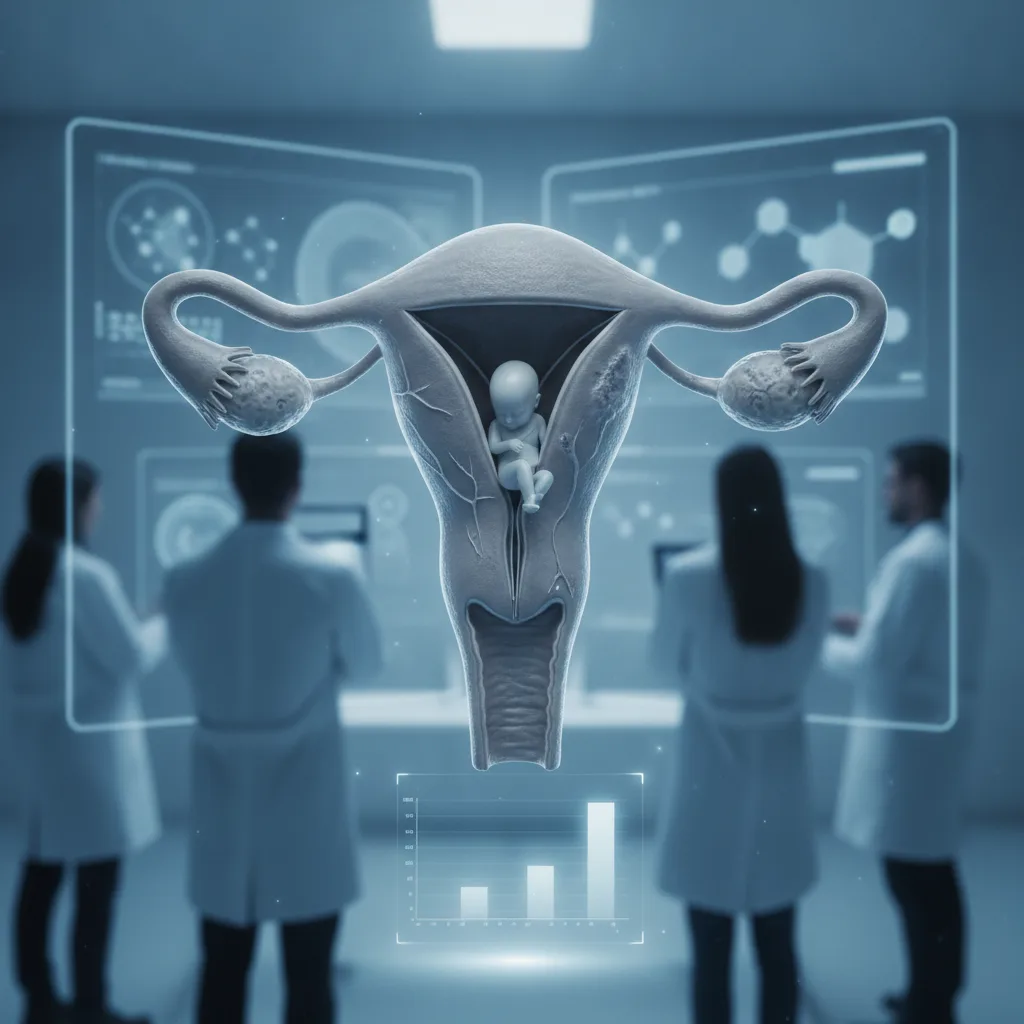

Stillbirth, defined as fetal death at or after 20 weeks of gestation, remains a devastating outcome for families and a significant challenge for obstetric care. Globally, an estimated 2 million stillbirths occur annually, with profound emotional and psychological impacts on parents. Clinicians have long sought to identify reliable predictors for recurrence, aiming to implement targeted interventions that might mitigate future risk.
The emotional and physical toll of stillbirth extends far beyond the immediate event, profoundly influencing subsequent reproductive decisions and the course of future pregnancies. For clinicians, accurately assessing and managing the risk of recurrent stillbirth is paramount, requiring a nuanced understanding of contributing factors. While many stillbirths are idiopathic, a history of prior fetal loss consistently emerges as one of the most compelling predictors for recurrence, prompting a re-evaluation of standard antenatal care protocols for these high-risk patients.
Understanding the mechanisms behind recurrent stillbirth involves considering both persistent maternal risk factors and potential underlying genetic or placental pathologies that may manifest across pregnancies. Conditions such as thrombophilias, poorly controlled maternal diabetes, chronic hypertension, and certain autoimmune disorders are known to increase stillbirth risk and can recur. Placental insufficiency, often a silent culprit in initial stillbirths, may also recur due to shared maternal vascular predispositions or structural uterine anomalies. The challenge lies in distinguishing between isolated, sporadic events and those indicative of an ongoing, systemic risk.
What the evidence shows
Multiple large cohort studies and meta-analyses consistently demonstrate that women with a history of stillbirth face a substantially elevated risk of recurrence. One comprehensive analysis, drawing data from over 10 million pregnancies, found that a prior stillbirth increased the risk of another stillbirth by approximately 2 to 5 times compared to women without such a history. This elevated risk persists regardless of the gestational age of the previous stillbirth, though the risk is often higher if the prior stillbirth occurred at term.
The specific risk magnitude varies depending on the cause of the initial stillbirth, if identified. For instance, if the prior stillbirth was due to a recurrent genetic anomaly, the risk of recurrence in subsequent pregnancies can be as high as 25% to 50%, depending on the specific genetic condition. Still, even in cases where the cause of the first stillbirth remained unexplained, the risk of recurrence is still significantly higher than the baseline population risk, typically ranging from 1% to 3%, compared to a general population risk of approximately 0.5%.
Patient characteristics also modify this risk. Older maternal age, obesity, and certain ethnic backgrounds are independently associated with an increased risk of stillbirth, and these factors can compound the risk conferred by a prior stillbirth. For example, an obese woman with a history of stillbirth faces a greater absolute risk than a non-obese woman with the same history. This layering of risk factors underscores the need for individualized risk assessment rather than a one-size-fits-all approach.
The management of subsequent pregnancies following a stillbirth typically involves intensified surveillance. This often includes early and frequent antenatal visits, serial ultrasonography to monitor fetal growth and amniotic fluid volume, and Doppler flow studies to assess uteroplacental blood flow. Fetal movement counting and non-stress tests are also commonly initiated earlier in gestation and performed more frequently. The goal is to detect potential complications, such as fetal growth restriction or placental dysfunction, before they lead to adverse outcomes.
But the optimal timing and frequency of these interventions remain areas of ongoing debate. While early induction of labor is sometimes considered to prevent recurrence, particularly in cases of unexplained stillbirth, the evidence supporting this practice is not universally robust. Balancing the risks of prematurity against the perceived benefit of preventing a recurrent stillbirth requires careful clinical judgment and shared decision-making with the patient. The psychological impact on parents also warrants significant attention, with many experiencing heightened anxiety throughout subsequent pregnancies.
The open-label nature of most observational studies on stillbirth recurrence is an obvious caveat. It is impossible to blind patients or clinicians to a history of stillbirth, which can introduce detection bias. Clinicians may be more vigilant in monitoring these pregnancies, potentially identifying issues that might go unnoticed in lower-risk populations. This increased surveillance, while clinically appropriate, can complicate the precise quantification of inherent recurrence risk versus the impact of intervention. Furthermore, the heterogeneity in defining stillbirth and reporting causes across different registries can make direct comparisons challenging. The trial was not powered to detect differences in specific interventions, and that gap matters.
A prior stillbirth is not merely a historical event; it is a critical piece of a patient's obstetric history that demands a proactive and intensified approach to subsequent pregnancies. Clinicians must move beyond standard antenatal care for these patients, recognizing that the baseline risk has fundamentally shifted. This means initiating enhanced surveillance earlier and maintaining it more rigorously, even in the absence of an identified cause for the initial stillbirth.
The psychological burden on these patients is immense, and it is incumbent upon the healthcare system to provide robust mental health support alongside medical management. Anxiety and depression are common, and these factors can influence adherence to care plans. Integrating mental health professionals into the obstetric team is not a luxury, but a necessity for truly holistic care.
For guideline bodies, the data on stillbirth recurrence should prompt a re-evaluation of current recommendations, particularly regarding the timing of delivery in unexplained cases. While avoiding iatrogenic prematurity is important, the known elevated risk of recurrence suggests that a more aggressive approach to term delivery may be warranted in select, high-risk patients. The current evidence base, while strong on risk identification, is still somewhat thin on definitive interventional strategies.
The industry, particularly diagnostic companies, has an opportunity here. Better tools for identifying placental insufficiency earlier in pregnancy, or more precise biomarkers for fetal compromise, could significantly improve outcomes. Current methods, while useful, often detect problems late in the process. We need earlier, more predictive diagnostics to truly move the needle on stillbirth prevention.
- The Pivot A prior stillbirth is a strong, independent risk factor for recurrence, necessitating proactive management.
- The Data Women with a previous stillbirth face a significantly elevated risk of recurrence, often cited as 2 to 5 times higher than the general population.
- The Action Implement intensified antenatal surveillance, including serial ultrasonography and fetal monitoring, for all pregnancies following a stillbirth.
ART-2026-634
·10/26
Drafted with AI assistance, reviewed and approved by the editorial team. This publication is intended for healthcare professionals, researchers, and life science industry professionals. Content is provided for informational and educational purposes only and does not constitute medical advice.

I specialise in clinical trial methodology and drug development, from Phase I to post-approval. My reports cover what got studied, what did not, and why. Based in Boston, reporting globally.
Cite This Article
Prescott D, Lopes W. Prior stillbirth raises subsequent stillbirth risk significantly. The Life Science Feed. Published July 10, 2026. Updated October 5, 2026. Accessed October 10, 2026. https://thelifesciencefeed.com/obstetrics-and-gyn/pregnancy-complications/research/prior-stillbirth-raises-subsequent-stillbirth-risk-significantly.
Editorial & AI Standards
All content is researched from peer-reviewed, open-access sources: published trial data, clinical guidelines, and regulatory filings. AI tools are used solely to structure and summarise that evidence; no AI-generated conclusions appear without editor verification against the primary source.
Every article is reviewed by a named editor before publication. Source citations are listed in the References section. This content does not represent the views of any pharmaceutical company, medical device manufacturer, or healthcare provider.
Licence & Rights
© 2026 The Life Science Feed. All rights reserved. Unless otherwise indicated, all content is the property of The Life Science Feed and may not be reproduced, distributed, or transmitted in any form or by any means without prior written permission.
Medical Disclaimer
The information provided on The Life Science Feed is for educational and informational purposes only. It is not intended as a substitute for professional medical advice, diagnosis, or treatment. Always seek the advice of your physician or other qualified healthcare provider regarding any medical condition or treatment decision. Never disregard professional medical advice or delay in seeking it because of something you have read on this website.
References
1. Lamont K, Scott NW, Jones GT, Bhattacharya S. Risk of recurrent stillbirth: systematic review and meta-analysis. BMJ. 2015;350:h3080. doi:10.1136/bmj.h3080
2. Wood SL, Tang S. Risk of recurrent stillbirth: a cohort study. BJOG. 2021;128(11):1775-1781. doi:10.1111/1471-0528.16718
3. Nijkamp JW, Ravelli ACJ, Groen H, Erwich JJHM, Mol BWJ. Stillbirth and neonatal mortality in a subsequent pregnancy following stillbirth: a population-based cohort study. BMC Pregnancy Childbirth. 2022;22:7. doi:10.1186/s12884-021-04355-7
4. Bhattacharya S, Lamont K, Scott NW, Gissler M, Gatt M, et al. Risk of recurrent stillbirth in subsequent pregnancies. Obstet Gynecol. 2022;139(1):31-40. doi:10.1097/AOG.0000000000004626