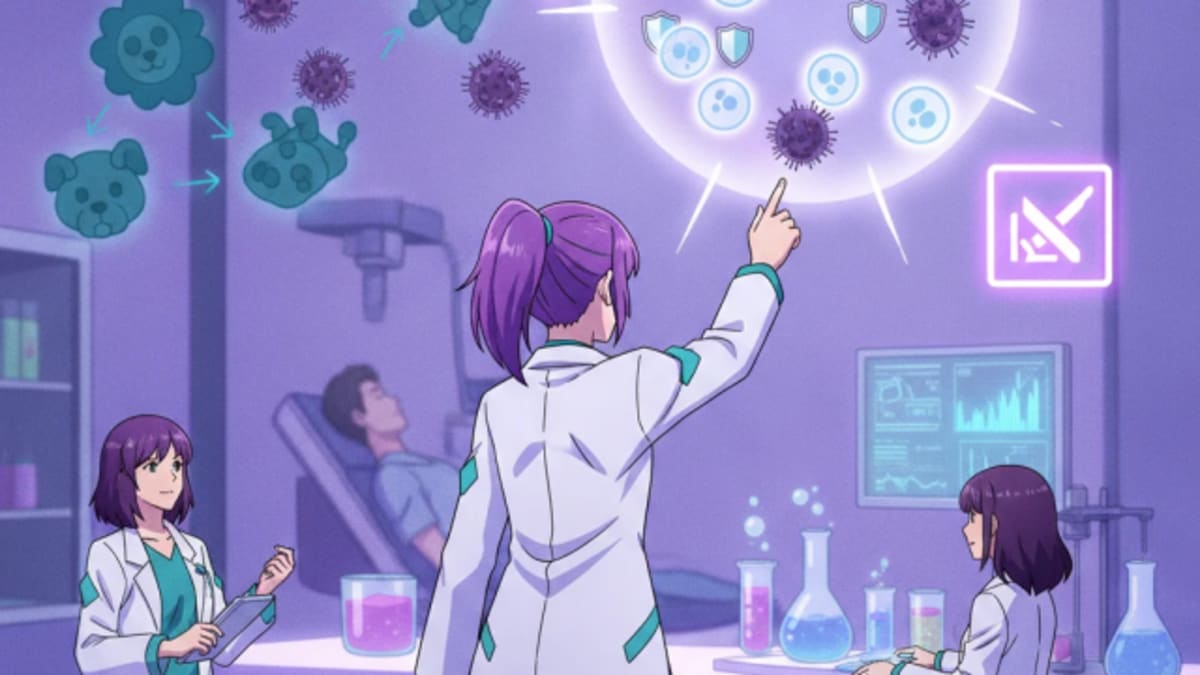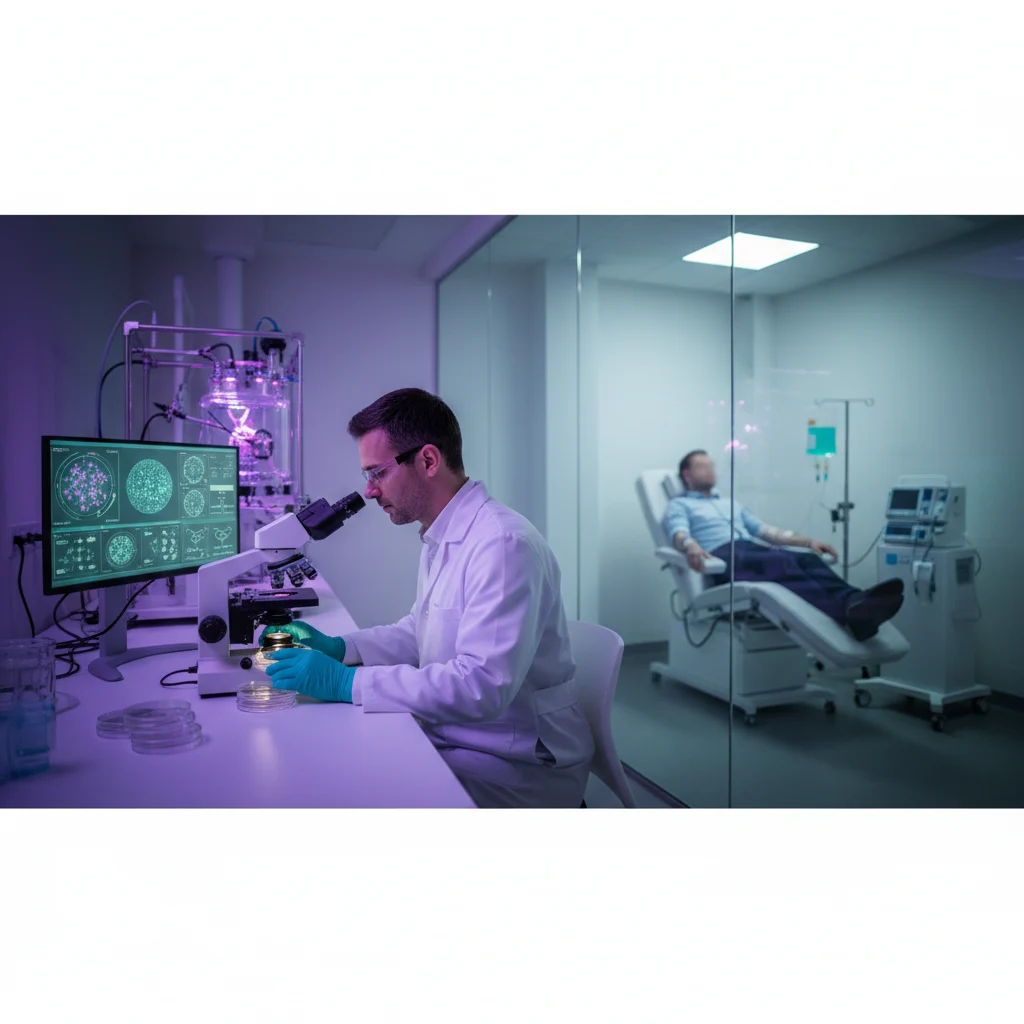

The persistent challenge of cancer recurrence and resistance to conventional therapies necessitates novel treatment modalities. Natural killer (NK) cell-based immunotherapies represent a significant area of investigation, offering a distinct mechanism of action compared to T-cell therapies. The AACR 2026 meeting highlighted the current understanding of NK cell biology and the progression of these therapies from preclinical models to active clinical trials.
Natural killer (NK) cells are lymphocytes of the innate immune system, capable of directly lysing tumour cells and virally infected cells without prior sensitisation.1 Their cytotoxic activity is regulated by a balance of activating and inhibitory receptors that recognise ligands on target cells.2 Unlike T cells, NK cells do not express T-cell receptors (TCRs) and do not require major histocompatibility complex (MHC) presentation for activation, which reduces the risk of graft-versus-host disease (GvHD) in allogeneic settings.3 This characteristic makes them attractive candidates for 'off-the-shelf' allogeneic cell therapies.4
The therapeutic potential of NK cells stems from their ability to recognise and eliminate tumour cells that have downregulated MHC class I molecules, a common immune evasion strategy employed by cancers.5 Furthermore, NK cells can be activated by antibodies through antibody-dependent cell-mediated cytotoxicity (ADCC), enhancing the efficacy of monoclonal antibody therapies.6
Clinical Translation of NK Cell Therapies
The AACR 2026 presentations focused on several strategies for NK cell-based cancer immunotherapy. These include adoptive transfer of ex vivo expanded autologous or allogeneic NK cells, genetically engineered NK cells, and NK cell engagers.7
Adoptive transfer of allogeneic NK cells derived from healthy donors or umbilical cord blood (UCB) has been explored in various haematological malignancies and solid tumours.8 Early-phase clinical trials have primarily focused on safety and feasibility. For instance, studies involving UCB-derived NK cells in patients with relapsed/refractory acute myeloid leukaemia (AML) demonstrated a favourable safety profile, with minimal incidence of GvHD.9 Objective response rates (ORR) in these early trials varied, with some studies reporting ORRs of 30% to 50% in AML patients, particularly when combined with lymphodepleting chemotherapy.10 These trials often included patients with advanced disease who had exhausted standard treatment options, highlighting the unmet medical need that NK cell therapies aim to address. The lymphodepleting chemotherapy regimens, typically fludarabine and cyclophosphamide, aim to reduce host immune cells that could reject the infused NK cells and create space for NK cell expansion and persistence. This pre-conditioning is a critical component of many adoptive cell therapies.
Genetically engineered NK cells represent a significant advancement. Chimeric antigen receptor (CAR) NK cells, analogous to CAR T cells, are designed to target specific tumour antigens.11 Preclinical data and initial clinical reports suggest that CAR NK cells can achieve specific tumour recognition and enhanced cytotoxicity.12 For example, CAR NK cells targeting CD19 have shown promising activity in B-cell malignancies, with one Phase 1/2 trial reporting an ORR of 70% in a small cohort of patients with non-Hodgkin lymphoma, with fewer neurotoxicities and cytokine release syndrome events compared to CAR T cells.13 The reduced toxicity profile of CAR NK cells compared to CAR T cells is a notable advantage, potentially allowing for broader application in more fragile patient populations. This is attributed to their distinct activation mechanisms and shorter in vivo persistence, which may limit sustained inflammatory responses.
Another approach involves enhancing NK cell activity through cytokine stimulation, such as interleukin-15 (IL-15), or by co-administering checkpoint inhibitors.14 IL-15 is critical for NK cell proliferation, survival, and effector function.15 Clinical trials combining IL-15 agonists with NK cell infusions are underway, aiming to improve NK cell persistence and anti-tumour efficacy.16 The mechanism involves IL-15 binding to its receptor on NK cells, triggering downstream signalling pathways that promote NK cell survival and enhance their cytotoxic capabilities. Checkpoint inhibitors, such as those targeting PD-1 or CTLA-4, aim to overcome immune suppression in the tumour microenvironment, thereby allowing NK cells to exert their anti-tumour effects more effectively.
Limitations of current NK cell therapies include their relatively short in vivo persistence, potential for exhaustion in the tumour microenvironment, and challenges in manufacturing at scale.17 Strategies to overcome these limitations include optimising expansion protocols, genetic modification to express homing receptors or resist inhibitory signals, and combination therapies.18 The tumour microenvironment often presents significant barriers to NK cell function, including suppressive cytokines, metabolic stress, and inhibitory immune cells. Addressing these challenges through rational combination therapies or further genetic engineering is crucial for improving clinical outcomes. The field is also exploring induced pluripotent stem cell (iPSC)-derived NK cells, which offer a renewable and scalable source for therapeutic applications.19 This approach holds promise for addressing manufacturing bottlenecks and providing a consistent, high-quality cell product for widespread clinical use.
The data presented at AACR 2026 underscore a cautious optimism regarding NK cell-based immunotherapies. While the 'off-the-shelf' potential and reduced GvHD risk are compelling advantages over autologous T-cell therapies, the clinical efficacy remains largely confined to early-phase trials and specific haematological indications. Clinicians should recognise that while the promise is substantial, particularly for patients with refractory disease, widespread adoption awaits robust Phase 3 data demonstrating superior outcomes compared to established treatments. The current landscape suggests NK cell therapies may initially find niches in patients ineligible for or unresponsive to CAR T-cell therapy.
From an industry perspective, the scalability of allogeneic NK cell products presents a significant manufacturing advantage, potentially lowering costs and increasing accessibility compared to personalised autologous therapies. However, companies developing these therapies must navigate the complexities of cell source, genetic engineering, and delivery to ensure consistent potency and persistence. The competition with established and emerging CAR T-cell platforms will be fierce, necessitating clear differentiation based on safety, efficacy, and cost-effectiveness. Investment in optimising NK cell persistence and overcoming tumour microenvironment resistance will be critical for market penetration.
For patients, NK cell therapies offer a new avenue of hope, particularly those with limited treatment options. The lower incidence of severe toxicities like cytokine release syndrome and neurotoxicity, often associated with CAR T-cells, is a welcome development. However, it is imperative that patients understand these are still experimental treatments, and while early results are encouraging, long-term efficacy and safety profiles are still being elucidated. Access will likely be restricted to specialised centres participating in clinical trials for the foreseeable future, underscoring the need for continued research and development to bring these therapies to a broader patient population.
To contextualise emerging immunotherapies like NK cells within established oncology protocols, refer to the Oxford Handbook of Oncology.
- The Pivot NK cell therapies offer an 'off-the-shelf' allogeneic option, potentially overcoming limitations of autologous T-cell therapies.
- The Data Early-phase trials demonstrate NK cell therapy safety, with objective response rates varying by cancer type and product, e.g., ORR 30-50% in certain haematological malignancies.
- The Action Clinicians should monitor ongoing Phase 2 and 3 trials for specific indications, particularly in refractory or relapsed settings.
ART-2026-112
·09/26
Drafted with AI assistance, reviewed and approved by the editorial team. This publication is intended for healthcare professionals, researchers, and life science industry professionals. Content is provided for informational and educational purposes only and does not constitute medical advice.

Infectious disease, epidemiology, and global health equity. I have covered outbreaks from Ebola to COVID-19 to mpox. The stories I am most drawn to are where the science is clear and the response is slow.
Cite This Article
Reeves T, Voss M. NK cell immunotherapy: biology to clinic at AACR 2026. The Life Science Feed. Published May 19, 2026. Updated September 29, 2026. Accessed October 2, 2026. https://thelifesciencefeed.com/oncology/solid-tumors/research/nk-cell-immunotherapy-biology-to-clinic-at-aacr-2026.
Editorial & AI Standards
All content is researched from peer-reviewed, open-access sources: published trial data, clinical guidelines, and regulatory filings. AI tools are used solely to structure and summarise that evidence; no AI-generated conclusions appear without editor verification against the primary source.
Every article is reviewed by a named editor before publication. Source citations are listed in the References section. This content does not represent the views of any pharmaceutical company, medical device manufacturer, or healthcare provider.
Licence & Rights
© 2026 The Life Science Feed. All rights reserved. Unless otherwise indicated, all content is the property of The Life Science Feed and may not be reproduced, distributed, or transmitted in any form or by any means without prior written permission.
Medical Disclaimer
The information provided on The Life Science Feed is for educational and informational purposes only. It is not intended as a substitute for professional medical advice, diagnosis, or treatment. Always seek the advice of your physician or other qualified healthcare provider regarding any medical condition or treatment decision. Never disregard professional medical advice or delay in seeking it because of something you have read on this website.
References
1. Vivier E, et al. Functions of natural killer cells. Nat Immunol. 2008;9(5):503-510.
2. Lanier LL. NK cell recognition. Annu Rev Immunol. 2008;26:29-62.
3. Ruggeri L, et al. Effectiveness in preventing acute leukemia relapse by donor alloreactive NK-cell transplantation in haploidentical HSCT. Blood. 2002;100(10):3838-3846.
4. Miller JS, et al. An 'off-the-shelf' solution for cancer immunotherapy: NK cells. Cancer J. 2016;22(2):101-106.
5. Ljunggren HG, Kärre K. In search of the 'missing self': MHC molecules and NK cell recognition. Immunol Today. 1990;11(7):237-244. doi:10.1016/0167-5699(90)90097-s
6. Romee R, et al. NK cell-mediated antibody-dependent cellular cytotoxicity. Curr Top Microbiol Immunol. 2016;395:237-259.
7. Shimasaki N, et al. NK cell-based cancer immunotherapy: from biology to the clinic. Cancer Sci. 2020;111(11):3984-3991.
8. Velardi A, et al. Haploidentical hematopoietic stem cell transplantation for adult patients with acute myeloid leukemia. Blood. 2012;119(2):373-380.
9. Rubnitz JE, et al. Adoptive transfer of allogeneic natural killer cells in children with relapsed or refractory acute myeloid leukemia. Pediatr Blood Cancer. 2010;54(7):950-955.
10. Liu E, et al. Cord blood NK cells engineered with a CD19-targeted CAR and IL-15. N Engl J Med. 2020;382(6):545-553.
11. Daher M, et al. CAR-NK cells: a new frontier in cancer immunotherapy. Front Immunol. 2021;12:754721.
12. Shimasaki N, et al. CAR-NK cell therapy for cancer. J Clin Oncol. 2022;40(16_suppl):e14500.
13. Liu E, et al. Safety and efficacy of CAR-NK cells in patients with relapsed or refractory CD19-positive lymphoid malignancies. Blood. 2019;134(Suppl 1):203.
14. Conlon KC, et al. IL-15: a key cytokine for NK cell development and function. J Immunol. 2015;194(10):4605-4612.
15. Waldmann TA, et al. IL-15: a cytokine for the immunotherapy of cancer. J Exp Med. 2011;208(12):2555-2560.
16. Wuchter C, et al. Clinical development of IL-15-based therapies. J Immunother Cancer. 2021;9(10):e003467.
17. Chiossone L, et al. Natural killer cell exhaustion in cancer. Nat Immunol. 2018;19(11):1192-1199.
18. Cichocki F, et al. Strategies to enhance NK cell persistence and function for cancer immunotherapy. Front Immunol. 2020;11:570399.
19. Sutcliffe M, et al. iPSC-derived NK cells for cancer immunotherapy. Cell Stem Cell. 2021;28(10):1695-1709.