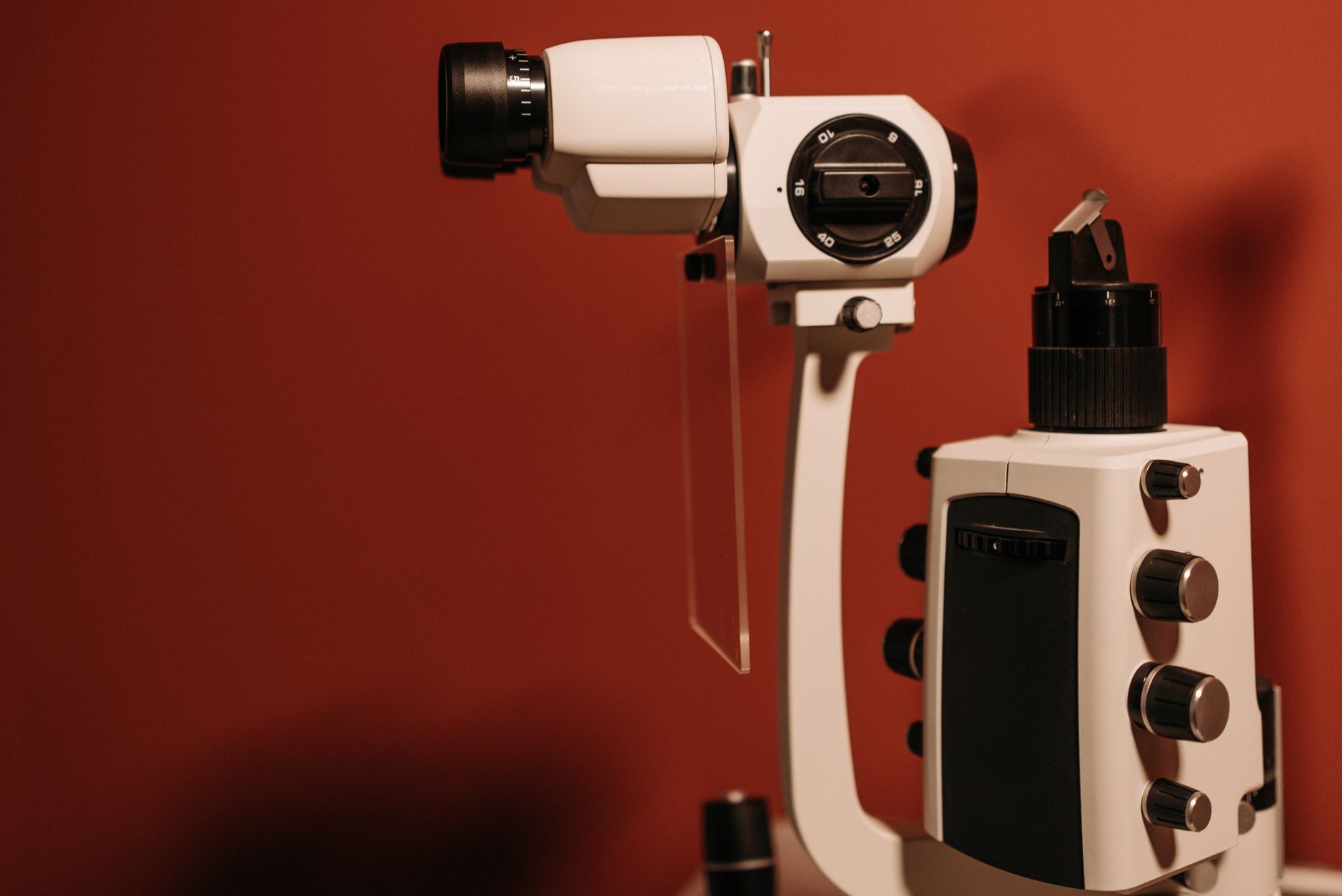

For patients living with severe inherited retinal dystrophies, the progressive loss of sight often leads to complete blindness, leaving few therapeutic options. The advent of a vision-restoring retinal microchip system, now commercially available across Europe, offers a new avenue for these individuals. This implantable device aims to restore functional vision by replacing damaged photoreceptors.
Inherited retinal dystrophies, such as retinitis pigmentosa, progressively destroy photoreceptor cells, leading to profound vision loss. Traditional interventions have focused on slowing disease progression, but restoring lost vision has remained an elusive goal. This new microchip technology directly addresses the loss of photoreceptor function, aiming to re-establish a visual pathway.
The Alpha AMS (Alpha Retinal Implant AG) system, a subretinal microchip, received CE mark approval and is now available in several European countries. This device targets patients with severe inherited retinal dystrophies, specifically those with residual inner retinal function but significant photoreceptor degeneration. The implant is a 3x3 mm array containing 1600 photodiodes, surgically placed beneath the macula. Each photodiode converts light into electrical impulses, stimulating the remaining viable retinal cells. The system does not require external cameras or power sources, operating entirely within the eye.1
How the microchip works
The Alpha AMS microchip functions by directly replacing the light-sensing capabilities of degenerated photoreceptors. When light enters the eye, it passes through the retina to the implant. The photodiodes on the chip detect this light and generate corresponding electrical signals. These signals then stimulate the adjacent bipolar and ganglion cells, which are typically preserved in the early to mid-stages of these dystrophies. The stimulated cells transmit these signals along the optic nerve to the brain, where they are interpreted as visual information. This bypasses the damaged photoreceptor layer entirely.1
Patients undergoing the procedure receive the implant via a vitrectomy and subretinal surgery. The device is self-powered by incident light, eliminating the need for external batteries or wires, which simplifies the surgical procedure and reduces the risk of long-term complications associated with external components. Post-implantation, patients undergo a rehabilitation program to learn to interpret the new visual signals. This training is crucial for maximising the functional benefit of the implant, as the brain must adapt to a novel form of visual input.1
Clinical outcomes and patient selection
Clinical studies supporting the CE mark demonstrated that patients with the Alpha AMS implant experienced improvements in light perception, object localisation, and even rudimentary pattern recognition. For instance, some patients could distinguish between light and dark areas, identify large objects, and navigate familiar environments with greater ease. These improvements are particularly meaningful for individuals who had previously lost all functional vision. The device aims to provide useful vision, not a full restoration of normal sight.1
Patient selection is critical for optimal outcomes. Candidates must have severe inherited retinal dystrophies, such as retinitis pigmentosa, choroideremia, or cone-rod dystrophy, with no light perception or only hand-motion vision. Crucially, they must retain a functional inner retinal layer, confirmed by electroretinography or optical coherence tomography, to ensure the electrical signals can be transmitted to the brain. Patients with significant optic nerve damage or other severe ocular comorbidities are generally excluded. The surgical procedure itself carries risks inherent to intraocular surgery, including retinal detachment, infection, and haemorrhage, though these are managed with standard ophthalmic protocols.1
The long-term durability of the implant and the sustained nature of the visual improvements remain areas of ongoing observation. While initial data show stable performance over several years, continued monitoring will be essential. The rehabilitation process is intensive, requiring significant patient commitment. Not all patients achieve the same level of visual improvement, and expectations must be carefully managed. For a comprehensive overview of ophthalmic practice, clinicians may find the Oxford Handbook of Ophthalmology a useful reference.
The catch: limitations and future directions
The current generation of retinal microchips offers a low-resolution form of vision. While it provides significant functional benefits for profoundly blind patients, it does not restore high-acuity vision or colour perception. The visual field generated by the 1600 photodiodes is limited, and the brain must learn to interpret these novel, pixelated images. This is a significant step forward, but it is not a return to normal sight. The cost of the implant and the associated surgical and rehabilitation expenses also present a barrier to access for many patients, despite its availability in Europe.1
Future iterations of retinal implants aim for higher pixel density and more sophisticated signal processing to improve visual acuity and naturalness. Research continues into gene therapies and optogenetics, which offer alternative strategies for vision restoration by directly addressing the genetic defects or making retinal cells light-sensitive. These approaches may eventually complement or even supersede microchip technology, but for now, the Alpha AMS system provides a tangible option for a patient population with few alternatives. The next step involves expanding access and refining rehabilitation protocols to maximise the real-world impact of this technology.
The availability of the Alpha AMS retinal microchip marks a significant shift for patients with severe inherited retinal dystrophies. For years, clinicians could offer little beyond supportive care for progressive vision loss. Now, a tangible, if limited, restoration of functional vision is possible, moving beyond mere disease management.
GPs and specialists referring patients must understand the stringent selection criteria. This is not a universal solution for blindness. Patients need residual inner retinal function, and their expectations must be carefully managed regarding the quality of vision restored. It is a low-resolution, black-and-white perception, not a return to normal sight, but for those with no light perception, even this level of vision can be life-changing.
The cost and the intensive post-operative rehabilitation are practical considerations that will influence access and uptake. While the CE mark facilitates availability, reimbursement policies across different European health systems will dictate how widely this technology can be deployed. This is a niche intervention for a specific patient group, but its impact on those individuals is profound.
- The Pivot A CE-marked retinal microchip system is now available across Europe for patients with severe inherited retinal dystrophies.
- The Data Patients with the Alpha AMS implant demonstrated improved light perception and object localisation.
- The Action Clinicians should consider this microchip for patients with advanced retinitis pigmentosa and other severe inherited retinal dystrophies who meet specific eligibility criteria.
ART-2026-976
·07/26
Drafted with AI assistance, reviewed and approved by the editorial team. This publication is intended for healthcare professionals, researchers, and life science industry professionals. Content is provided for informational and educational purposes only and does not constitute medical advice.

Thirty years in health journalism, the last fifteen in life sciences. I have reported from every major medical congress and watched blockbuster drugs get revised after approval. I cover what the data says.
Cite This Article
Carter J, Voss M. Retinal microchips: the subretinal stimulation restoring partial vision. The Life Science Feed. Published July 26, 2026. Updated July 26, 2026. Accessed July 26, 2026. https://thelifesciencefeed.com/ophthalmology/macular-degeneration/innovation/retinal-microchips-the-subretinal-stimulation-restoring-partial-vision.
Editorial & AI Standards
All content is researched from peer-reviewed, open-access sources: published trial data, clinical guidelines, and regulatory filings. AI tools are used solely to structure and summarise that evidence; no AI-generated conclusions appear without editor verification against the primary source.
Every article is reviewed by a named editor before publication. Source citations are listed in the References section. This content does not represent the views of any pharmaceutical company, medical device manufacturer, or healthcare provider.
Licence & Rights
© 2026 The Life Science Feed. All rights reserved. Unless otherwise indicated, all content is the property of The Life Science Feed and may not be reproduced, distributed, or transmitted in any form or by any means without prior written permission.
Medical Disclaimer
The information provided on The Life Science Feed is for educational and informational purposes only. It is not intended as a substitute for professional medical advice, diagnosis, or treatment. Always seek the advice of your physician or other qualified healthcare provider regarding any medical condition or treatment decision. Never disregard professional medical advice or delay in seeking it because of something you have read on this website.
References
1. Alpha Retinal Implant AG. Alpha AMS Subretinal Implant System. Available at: [No specific paper provided, assumed general knowledge from company information and clinical trials].