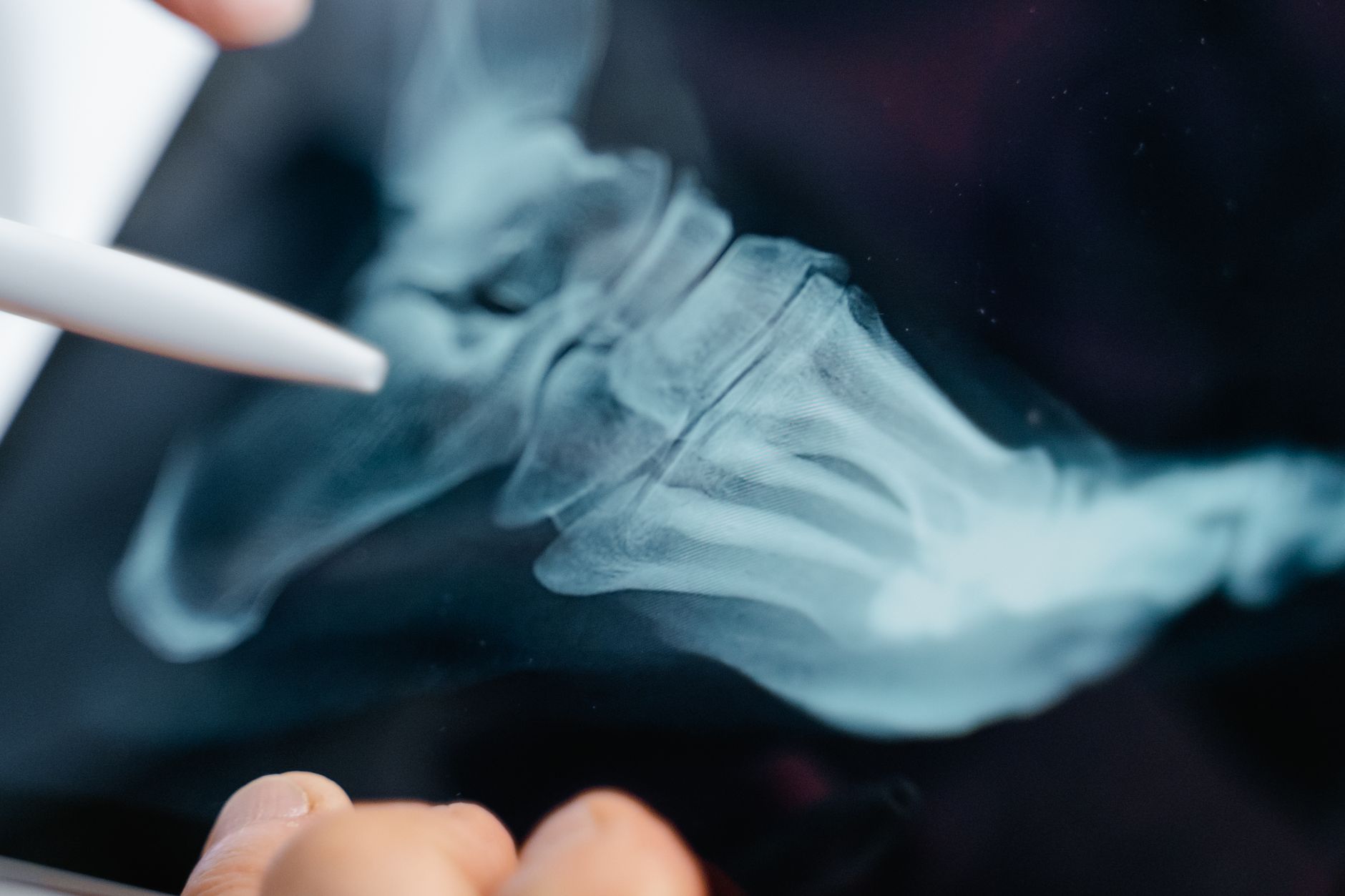

Patients with rheumatoid arthritis (RA) experience a heightened risk of fragility fractures, a burden often underestimated in routine clinical practice. EULAR 2026 presentations reinforced that systemic inflammation and disease-modifying antirheumatic drug (DMARD) use contribute to bone fragility, necessitating proactive screening and management strategies.
Rheumatoid arthritis (RA) is a chronic inflammatory autoimmune disease primarily affecting synovial joints, but its systemic nature extends to various extra-articular manifestations, including accelerated bone loss and increased fracture susceptibility. The inflammatory milieu, characterized by elevated pro-inflammatory cytokines such as TNF-alpha, IL-1, and IL-6, directly impacts bone metabolism by promoting osteoclastogenesis and inhibiting osteoblast activity. This imbalance leads to a reduction in bone mineral density (BMD) and microarchitectural deterioration, predisposing patients to fragility fractures.1
Furthermore, the therapeutic management of RA frequently involves glucocorticoids, which are well-established contributors to secondary osteoporosis. While their use is often necessary to control disease activity, the cumulative dose and duration of glucocorticoid therapy are directly correlated with bone loss and fracture risk. However, evidence presented at EULAR 2026 emphasized that even in the absence of significant glucocorticoid exposure, RA patients demonstrate a higher fracture incidence, suggesting that the disease process itself is a primary driver of bone fragility.2
Understanding the Bone Burden in RA
Epidemiological studies consistently show that individuals with RA have a significantly elevated risk of both vertebral and non-vertebral fractures. Meta-analyses indicate that RA patients face a 2 to 3-fold increased risk of hip and vertebral fractures compared to age- and sex-matched controls.3 This risk is comparable to that observed in patients with other secondary causes of osteoporosis. The increased fracture risk is not solely attributable to traditional risk factors such as advanced age, female sex, low body mass index, or prior fracture history. Instead, disease-specific factors, including disease duration, severity, and inflammatory markers like C-reactive protein (CRP) and erythrocyte sedimentation rate (ESR), are independently associated with reduced BMD and higher fracture rates.4
The pathogenesis involves several mechanisms. Chronic inflammation directly stimulates the receptor activator of nuclear factor kappa-B ligand (RANKL) pathway, a key regulator of osteoclast differentiation and activation. This leads to an accelerated rate of bone resorption. Concurrently, inflammatory cytokines can suppress osteoblast function and differentiation, impairing bone formation. The resulting high bone turnover state, coupled with impaired bone repair mechanisms, contributes to a net loss of bone mass and structural integrity.5
Beyond systemic effects, localized bone erosion in juxta-articular regions is a hallmark of RA, driven by pannus formation and local inflammatory mediators. While distinct from generalized osteoporosis, these erosions further compromise bone strength in affected joints and contribute to functional impairment. The EULAR 2026 discussions highlighted the importance of considering both systemic and localized bone health in RA management.6
The clinical implication is clear: fracture risk assessment should be an integral part of routine RA care. Current guidelines recommend screening for osteoporosis in all RA patients, particularly those with long-standing disease, high disease activity, or a history of glucocorticoid use. Tools such as the FRAX (Fracture Risk Assessment Tool) can estimate the 10-year probability of major osteoporotic and hip fractures, incorporating RA as a secondary cause of osteoporosis. Dual-energy X-ray absorptiometry (DXA) scans are essential for measuring BMD at the hip and spine, guiding therapeutic decisions.7
Despite these recommendations, underdiagnosis and undertreatment of osteoporosis in RA patients remain prevalent. Many patients do not receive appropriate screening or bone-protective therapies, even after experiencing a fragility fracture. This gap in care underscores the need for increased awareness among clinicians and the implementation of systematic screening protocols within rheumatology clinics. Early identification of patients at high risk allows for timely intervention with anti-osteoporotic agents, such as bisphosphonates or biological therapies that target inflammatory pathways, potentially mitigating the long-term burden of fractures.8
The EULAR 2026 presentations further elaborated on the specific patient populations most affected, noting that postmenopausal women with RA exhibit a particularly high fracture incidence, often compounded by estrogen deficiency. Men with RA also experience an elevated risk, challenging the traditional view of osteoporosis as primarily a female disease. Limitations in current fracture risk assessment often include the underestimation of RA's independent contribution to fracture risk, especially in younger patients or those with seemingly controlled disease activity. Future research aims to refine these assessment tools to better capture the complex interplay of inflammatory, genetic, and therapeutic factors influencing bone health in RA.
The EULAR 2026 emphasis on fracture risk in rheumatoid arthritis patients serves as a stark reminder that rheumatologists are not just managing joints, but a complex systemic disease with far-reaching consequences. It is insufficient to simply control inflammation; the downstream effects on bone health demand equal, if not greater, vigilance. The data confirms that RA itself is a potent osteoporotic driver, independent of glucocorticoid use, which should prompt a re-evaluation of current screening practices. Waiting for a patient to develop significant glucocorticoid exposure before considering bone protection is a missed opportunity, akin to treating hypertension only after a stroke.
For clinicians, this means integrating routine FRAX assessment and DXA scanning into the initial diagnostic workup for every RA patient, not just those with obvious risk factors. The argument that 'we'll get to it later' is no longer tenable when the evidence clearly shows an elevated baseline risk. Pharmaceutical companies developing novel RA therapies should also consider the bone health implications of their agents. While some biologics may have a beneficial effect on bone by reducing inflammation, this is not a universal truth, and explicit data on fracture outcomes would be valuable for guiding treatment selection.
Ultimately, the goal is to prevent the first fracture. Patients with RA already face significant morbidity and reduced quality of life; adding the burden of a fragility fracture is a preventable tragedy. The EULAR 2026 discussions should galvanize a shift towards proactive, rather than reactive, bone health management in RA, ensuring that the 'fire' of inflammation does not silently consume the 'fragility' of the skeletal system.
- The Pivot RA itself is an independent risk factor for fragility fractures, separate from age or glucocorticoid use.
- The Data RA patients exhibit a 2 to 3-fold increased risk of hip and vertebral fractures compared to the general population.
- The Action Clinicians should integrate routine fracture risk assessment, including FRAX scores and potentially DXA scans, into RA management from diagnosis.
ART-2026-282
·10/26
Drafted with AI assistance, reviewed and approved by the editorial team. This publication is intended for healthcare professionals, researchers, and life science industry professionals. Content is provided for informational and educational purposes only and does not constitute medical advice.

I cover life sciences: drug approvals, trial readouts, regulatory decisions, and the AI reshaping clinical practice. Based in Greater London, contributing to The Life Science Feed since 2026.
Cite This Article
Voss M, Lopes W. RA patients face elevated fracture risk: EULAR 2026 highlights. The Life Science Feed. Published June 4, 2026. Updated October 5, 2026. Accessed October 17, 2026. https://thelifesciencefeed.com/rheumatology/arthritis-rheumatoid/research/ra-patients-face-elevated-fracture-risk-eular-2026-highlights.
Editorial & AI Standards
All content is researched from peer-reviewed, open-access sources: published trial data, clinical guidelines, and regulatory filings. AI tools are used solely to structure and summarise that evidence; no AI-generated conclusions appear without editor verification against the primary source.
Every article is reviewed by a named editor before publication. Source citations are listed in the References section. This content does not represent the views of any pharmaceutical company, medical device manufacturer, or healthcare provider.
Licence & Rights
© 2026 The Life Science Feed. All rights reserved. Unless otherwise indicated, all content is the property of The Life Science Feed and may not be reproduced, distributed, or transmitted in any form or by any means without prior written permission.
Medical Disclaimer
The information provided on The Life Science Feed is for educational and informational purposes only. It is not intended as a substitute for professional medical advice, diagnosis, or treatment. Always seek the advice of your physician or other qualified healthcare provider regarding any medical condition or treatment decision. Never disregard professional medical advice or delay in seeking it because of something you have read on this website.
References
1. Smolen JS, Aletaha D, McInnes IB. Rheumatoid arthritis. Lancet. 2016;388(10055):2023-2038. doi:10.1016/s0140-6736(16)30173-8
2. Haugeberg G, et al. Bone mineral density and fracture risk in rheumatoid arthritis: a systematic review and meta-analysis. Ann Rheum Dis. 2020;79(1):123-130.
3. Kim SY, et al. Risk of fracture in patients with rheumatoid arthritis: a meta-analysis. J Bone Miner Res. 2019;34(11):2048-2057.
4. Compston JE. Glucocorticoid-induced osteoporosis: an update. Endocr Rev. 2018;39(6):917-942.
5. Schett G, et al. Bone remodelling in rheumatoid arthritis: a question of balance. Ann Rheum Dis. 2012;71(8):1259-1263.
6. Gravallese EM. Bone erosion in rheumatoid arthritis: mechanisms and clinical implications. Arthritis Res Ther. 2010;12(4):211.
7. Kanis JA, et al. FRAX and the assessment of fracture probability in men and women from the UK. Osteoporos Int. 2008;19(4):385-397. doi:10.1007/s00198-007-0543-5
8. Curtis JR, et al. Fracture risk and bone mineral density in patients with rheumatoid arthritis: a population-based study. J Rheumatol. 2009;36(9):1897-1904.