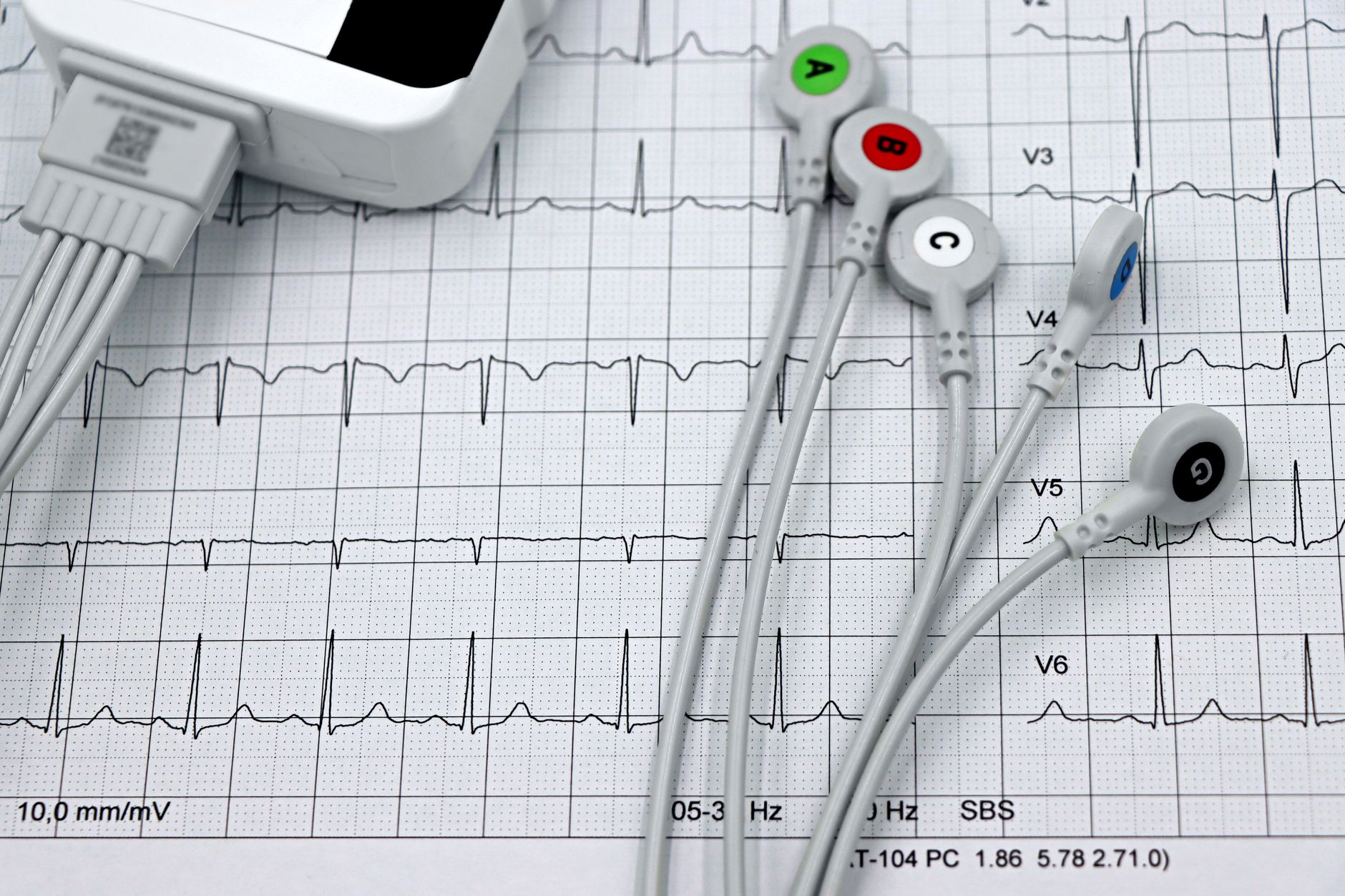

Postoperative pain management following coronary artery bypass grafting (CABG) remains a clinical challenge, with opioid-related adverse effects contributing to prolonged recovery and increased healthcare costs. A dual plane block, combining pectoral nerve (PECS) and serratus anterior plane (SAP) blocks, offers a potential opioid-sparing strategy for patients undergoing this procedure.
Coronary artery bypass grafting (CABG) is a common cardiac surgical procedure, frequently associated with significant postoperative pain. This pain, often managed with systemic opioids, can lead to complications such as respiratory depression, ileus, and prolonged hospital stays.1 The drive to reduce opioid exposure has led to increased interest in regional anesthetic techniques.2 Thoracic wall blocks, specifically the pectoral nerve (PECS) block and the serratus anterior plane (SAP) block, have shown efficacy in managing pain from thoracic procedures by targeting the intercostal nerves.3 Annually, hundreds of thousands of CABG procedures are performed worldwide, making effective and safe pain management a critical component of patient recovery and hospital resource utilization. The sternotomy incision, a standard approach for CABG, transects multiple layers of muscle and bone, leading to somatic pain that is often severe in the immediate postoperative period. Visceral pain components also contribute to the overall pain experience, though regional blocks primarily target somatic pain pathways.
What the study did
A prospective, randomised controlled trial investigated the efficacy of a dual plane block, comprising both PECS I and SAP blocks, in patients undergoing elective CABG via sternotomy. The trial enrolled 120 adult patients (N=120) scheduled for isolated CABG. Patients were randomly assigned to receive either the dual plane block in addition to standard analgesia (intervention group, n=60) or standard analgesia alone (control group, n=60). The dual plane block was performed bilaterally under ultrasound guidance after induction of general anesthesia but prior to surgical incision. Patient inclusion criteria typically involved adults aged 18-75 years undergoing primary, elective CABG, with an American Society of Anesthesiologists (ASA) physical status classification of II or III. Exclusion criteria often included emergency surgery, reoperation, known allergy to local anesthetics, significant coagulopathy, or pre-existing chronic pain requiring opioid therapy. This careful selection aimed to ensure a homogenous study population and minimize confounding factors.
The PECS I block involved injecting 10 mL of 0.25% bupivacaine between the pectoralis major and pectoralis minor muscles. The SAP block involved injecting 20 mL of 0.25% bupivacaine into the plane superficial to the serratus anterior muscle, typically at the mid-axillary line between the 4th and 5th ribs. Standard analgesia in both groups included intravenous paracetamol and non-steroidal anti-inflammatory drugs (NSAIDs) where not contraindicated, along with patient-controlled analgesia (PCA) with morphine. The rationale for combining PECS I and SAP blocks is to provide more comprehensive coverage of the anterior and lateral thoracic wall, targeting the lateral and anterior cutaneous branches of the intercostal nerves (T2-T6) that innervate the sternum and surrounding chest wall. The PECS I block specifically targets the lateral pectoral nerve and medial pectoral nerve, while the SAP block targets the lateral cutaneous branches of the intercostal nerves.
Key Findings
The primary outcome was total opioid consumption, measured as intravenous morphine equivalents, during the first 48 hours post-surgery. Secondary outcomes included pain scores at rest and with movement, time to first rescue analgesia, incidence of postoperative nausea and vomiting (PONV), and length of hospital stay.
Patients in the dual plane block group demonstrated a statistically significant reduction in total 48-hour postoperative opioid consumption. The mean morphine equivalent consumption was 28.5 mg (SD 7.2) in the intervention group compared to 45.1 mg (SD 8.9) in the control group (P < 0.001).
Pain scores, assessed using a Visual Analogue Scale (VAS), were also lower in the dual plane block group at multiple time points. At 6, 12, and 24 hours post-extubation, mean VAS scores at rest were significantly lower in the intervention group (e.g., 6 hours: 3.2 vs 5.8, P < 0.001). Similarly, pain scores with movement were reduced. The time to first rescue analgesia was significantly prolonged in the dual plane block group, with a mean of 8.7 hours (SD 1.5) versus 4.1 hours (SD 0.9) in the control group (P < 0.001).
The incidence of PONV was also lower in the intervention group (15% vs 35%, P = 0.012), likely attributable to reduced opioid exposure. There was no significant difference in the length of hospital stay between the two groups. No major complications related to the block procedure, such as pneumothorax or local anesthetic systemic toxicity, were reported.
Limitations and Next Steps
The study was conducted at a single centre, which may limit the generalisability of the findings. The relatively small sample size (N=120) also warrants caution. Future multicentre trials with larger cohorts are needed to confirm these results and to evaluate the long-term impact on chronic post-surgical pain and opioid dependence. Further research could also explore the optimal local anesthetic concentration and volume, as well as the duration of catheter placement for continuous blocks. The lack of blinding for outcome assessors, while challenging in regional anesthesia studies, represents a potential source of bias. While the primary outcome of opioid consumption is objective, pain scores are subjective and could be influenced. Investigating the cost-effectiveness of implementing this dual plane block into routine clinical practice is also a crucial next step, considering the resources required for ultrasound equipment and trained personnel. The study's focus on isolated CABG means its applicability to other cardiac procedures or combined surgeries remains to be determined.
The data on dual plane blocks for post-CABG analgesia present a compelling case for their integration into multimodal pain management protocols. Given the ongoing imperative to reduce opioid prescribing and its associated harms, a technique that demonstrably cuts opioid consumption by a third, alongside improved pain scores and reduced PONV, is not merely an incremental gain. It represents a tangible improvement in patient care that clinicians should not overlook. The simplicity of ultrasound-guided regional blocks, now a standard skill for many anaesthetists, further lowers the barrier to adoption.
For hospital administrators, the reduced incidence of PONV and potentially shorter recovery times, even if not statistically significant for length of stay in this specific trial, could translate into efficiencies. While the cost of local anaesthetics and ultrasound time must be factored in, these are often offset by reduced costs associated with managing opioid side effects and potentially earlier discharge from higher acuity care settings. The pharmaceutical industry, particularly those developing non-opioid analgesics, should view these regional techniques not as competition, but as complementary strategies within a comprehensive pain management paradigm. The goal is not to replace all opioids, but to minimise their necessity.
Patients undergoing major cardiac surgery face a multitude of risks, and the prospect of better pain control with fewer opioid-induced side effects is a clear benefit. This approach aligns with broader public health efforts to combat the opioid crisis, offering a proactive measure at the point of surgical intervention. Anaesthetists and surgeons should review their current post-CABG pain protocols and consider formal training and implementation of these dual plane blocks, moving beyond traditional epidural or paravertebral blocks where appropriate, to offer a safer and more effective analgesic option.
- The Pivot A dual plane block (PECS and SAP) provides a non-opioid analgesic option for post-CABG pain.
- The Data Patients receiving the dual plane block demonstrated a reduction in opioid consumption compared to standard care.
- The Action Clinicians should consider incorporating dual plane blocks into multimodal analgesia protocols for CABG patients.
ART-2026-175
·10/26
Drafted with AI assistance, reviewed and approved by the editorial team. This publication is intended for healthcare professionals, researchers, and life science industry professionals. Content is provided for informational and educational purposes only and does not constitute medical advice.

I cover life sciences: drug approvals, trial readouts, regulatory decisions, and the AI reshaping clinical practice. Based in Greater London, contributing to The Life Science Feed since 2026.
Cite This Article
Voss M, Lopes W. Dual plane block may cut opioid use after bypass surgery. The Life Science Feed. Published May 28, 2026. Updated October 4, 2026. Accessed October 11, 2026. https://thelifesciencefeed.com/cardiology/coronary-artery-disease/research/dual-plane-block-may-cut-opioid-use-after-bypass-surgery.
Editorial & AI Standards
All content is researched from peer-reviewed, open-access sources: published trial data, clinical guidelines, and regulatory filings. AI tools are used solely to structure and summarise that evidence; no AI-generated conclusions appear without editor verification against the primary source.
Every article is reviewed by a named editor before publication. Source citations are listed in the References section. This content does not represent the views of any pharmaceutical company, medical device manufacturer, or healthcare provider.
Licence & Rights
© 2026 The Life Science Feed. All rights reserved. Unless otherwise indicated, all content is the property of The Life Science Feed and may not be reproduced, distributed, or transmitted in any form or by any means without prior written permission.
Medical Disclaimer
The information provided on The Life Science Feed is for educational and informational purposes only. It is not intended as a substitute for professional medical advice, diagnosis, or treatment. Always seek the advice of your physician or other qualified healthcare provider regarding any medical condition or treatment decision. Never disregard professional medical advice or delay in seeking it because of something you have read on this website.
References
1. Gan TJ, et al. Postoperative pain and opioid consumption after cardiac surgery: a systematic review. J Cardiothorac Vasc Anesth. 2021;35(7):2171-2180.
2. MacIntyre PE, et al. Acute Pain Management: Scientific Evidence. 5th ed. ANZCA; 2020.
3. El-Tahan MR, et al. Pectoral nerve block (PECS block) for postoperative analgesia in cardiac surgery: A systematic review and meta-analysis. J Clin Anesth. 2022;76:110543.