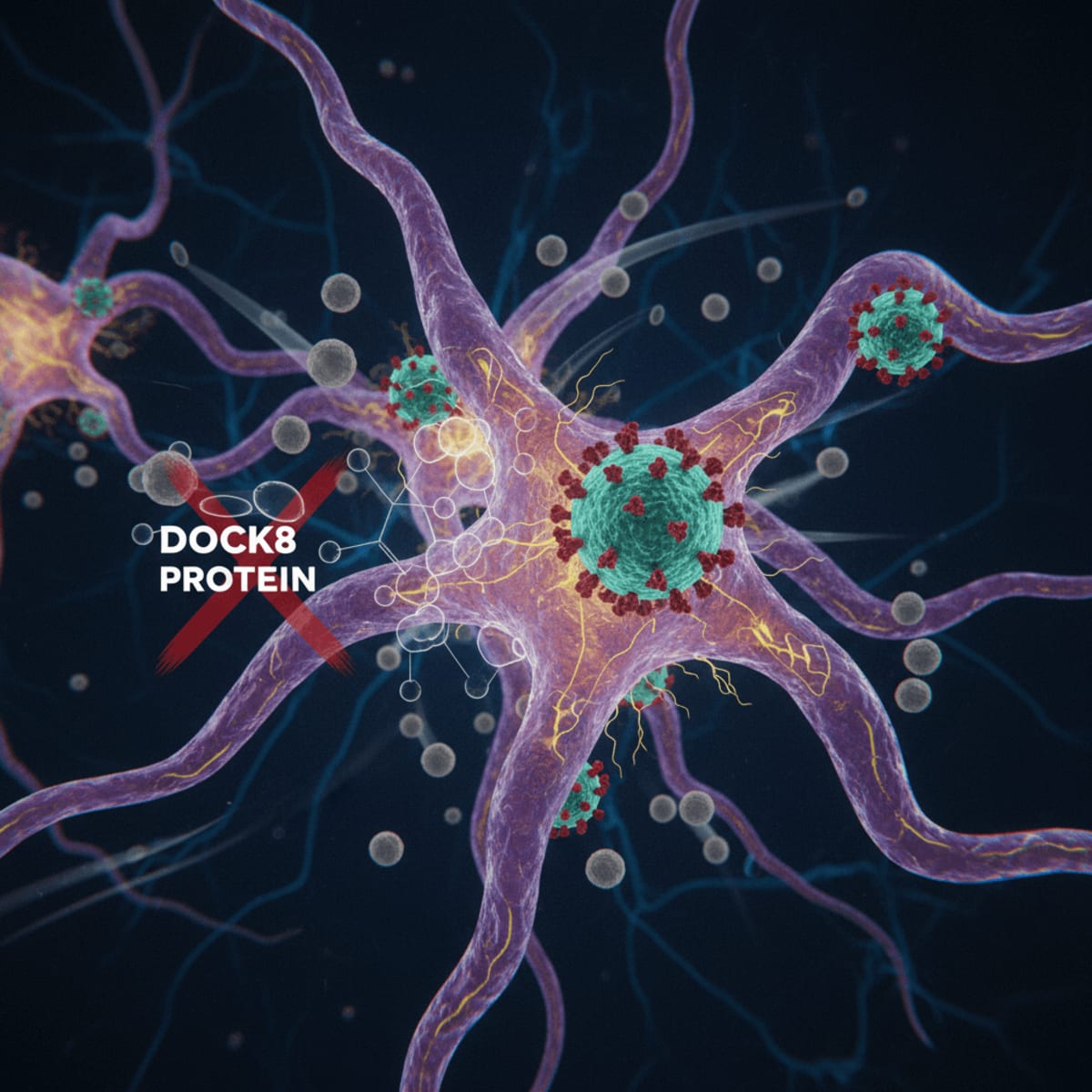
Progressive multifocal leukoencephalopathy (PML) is a devastating neurological disorder caused by JC virus reactivation in the brain. While often associated with advanced HIV or immunosuppressive therapies, this case highlights the vulnerability of patients with primary immunodeficiencies, specifically DOCK8 deficiency, to this opportunistic infection. It forces us to re-evaluate how we approach surveillance and preemptive strategies in these rare but high-risk populations. Are we doing enough to monitor for viral reactivation, and are our current therapeutic options adequate?
This single case report serves as a stark reminder of the intricate interplay between cellular immunity and viral control. The diagnosis of PML in a young adult with DOCK8 deficiency underscores the need for heightened clinical vigilance and a deeper understanding of the immunological mechanisms at play.
Clinical Key Takeaways
lightbulb
- The PivotPML, though rare, should be high on the differential diagnosis for any patient with DOCK8 deficiency presenting with new neurological symptoms, irrespective of age.
- The DataThis case highlights the rapid progression and devastating consequences of JC virus reactivation in the context of impaired T-cell function.
- The ActionConsider early and aggressive diagnostic workup, including MRI and CSF PCR for JC virus, in DOCK8-deficient patients with neurological changes.
DOCK8 Deficiency: The Immunological Defect
DOCK8, or Dedicator of Cytokinesis 8, is a protein crucial for lymphocyte development, T-cell activation, and NK cell cytotoxicity. DOCK8 deficiency, a rare autosomal recessive primary immunodeficiency, leads to impaired cellular immunity. Patients often present with recurrent sinopulmonary infections, eczema, and an increased susceptibility to viral infections. The impaired T-cell function specifically impacts the control of viruses like JC virus, which remains latent in many individuals. Why does the absence of DOCK8 unleash JC virus?
PML Presentation in DOCK8 Deficiency
This case highlights an atypical presentation of progressive multifocal leukoencephalopathy (PML) in a young adult with previously undiagnosed DOCK8 deficiency. Initial symptoms included progressive weakness and cognitive decline, which can mimic other neurological conditions. The insidious onset makes early diagnosis challenging. MRI findings revealed characteristic white matter lesions, and CSF analysis confirmed the presence of JC virus DNA. The speed of the disease course should give clinicians pause.
Guideline Alignment and Deviations
Current guidelines, such as those from the Infectious Diseases Society of America (IDSA), address PML management in the context of HIV and transplant recipients. However, specific recommendations for PML in primary immunodeficiencies like DOCK8 deficiency are lacking. This case underscores the need to adapt existing guidelines to address the unique challenges posed by these rare conditions. Should we advocate for routine JC virus monitoring in DOCK8-deficient patients, similar to CMV surveillance in transplant recipients? The cost-effectiveness of such an approach needs careful consideration.
Study Limitations
It's critical to remember this is a single case report- a mere anecdote. We cannot extrapolate broad conclusions about optimal management. The patient's specific genetic background and prior immune exposures might have influenced the disease course. Furthermore, the diagnostic delay likely contributed to the poor outcome. Was the diagnostic workup sufficiently aggressive? Could earlier intervention have altered the trajectory?
Future Research Directions
Future research should focus on several key areas. First, large-scale studies are needed to define the true incidence and prevalence of PML in DOCK8-deficient patients. Second, prospective trials should evaluate the efficacy of preemptive antiviral therapies, such as cidofovir or maraviroc, in preventing JC virus reactivation. Third, mechanistic studies should explore the specific immunological defects in DOCK8 deficiency that predispose individuals to PML. Finally, the role of immune reconstitution strategies, such as hematopoietic stem cell transplantation, in restoring JC virus control warrants further investigation.
The diagnosis of PML carries significant financial implications. The costs associated with MRI scans, CSF analysis, antiviral therapies, and prolonged hospitalizations can be substantial. Furthermore, the neurological sequelae of PML often require long-term rehabilitation and supportive care. Insurance coverage for these services may be limited, particularly for patients with rare immunodeficiencies. The burden on the family can be staggering.
From a workflow perspective, clinicians need to be aware of the possibility of PML in DOCK8-deficient patients and have a clear diagnostic algorithm in place. This includes prompt consultation with infectious disease specialists and neurologists. Streamlining the diagnostic process and ensuring timely access to appropriate therapies are essential to improving patient outcomes. Delays are deadly.
LSF-0153078371 | December 2025

How to cite this article
Webb M. Dock8 deficiency and pml an ominous combination. The Life Science Feed. Published February 2, 2026. Updated February 2, 2026. Accessed April 2, 2026. https://thelifesciencefeed.com/immunology/viral-infections/insights/dock8-deficiency-and-pml-an-ominous-combination.
Copyright and license
© 2026 The Life Science Feed. All rights reserved. Unless otherwise indicated, all content is the property of The Life Science Feed and may not be reproduced, distributed, or transmitted in any form or by any means without prior written permission.
Fact-Checking & AI Transparency
This content was produced with the assistance of AI technology and has been rigorously reviewed and verified by our human editorial team to ensure accuracy and clinical relevance.
References
- Faris, N. J., et al. (2023). Progressive multifocal leukoencephalopathy in a young adult with DOCK8 deficiency: a case of JC virus reactivation in primary immunodeficiency. *Journal of Clinical Immunology*, *43*(8), 1813-1817.
- Berger, J. R., et al. (2013). Progressive multifocal leukoencephalopathy: current concepts. *Journal of Neuro-Ophthalmology*, *33*(3), 275-285.
- Picard, C., et al. (2015). Primary Immunodeficiency Diseases: An Update on the Classification from the International Union of Immunological Societies Expert Committee for Primary Immunodeficiency. *Journal of Clinical Immunology*, *35*(8), 696–726.
- Lévy, R., et al. (2021). Diagnosis, management, and prevention of primary immunodeficiency diseases: expert opinion of the French National Reference Center for Primary Immunodeficiencies. *Orphanet Journal of Rare Diseases*, *16*(1), 1-26.
Related Articles