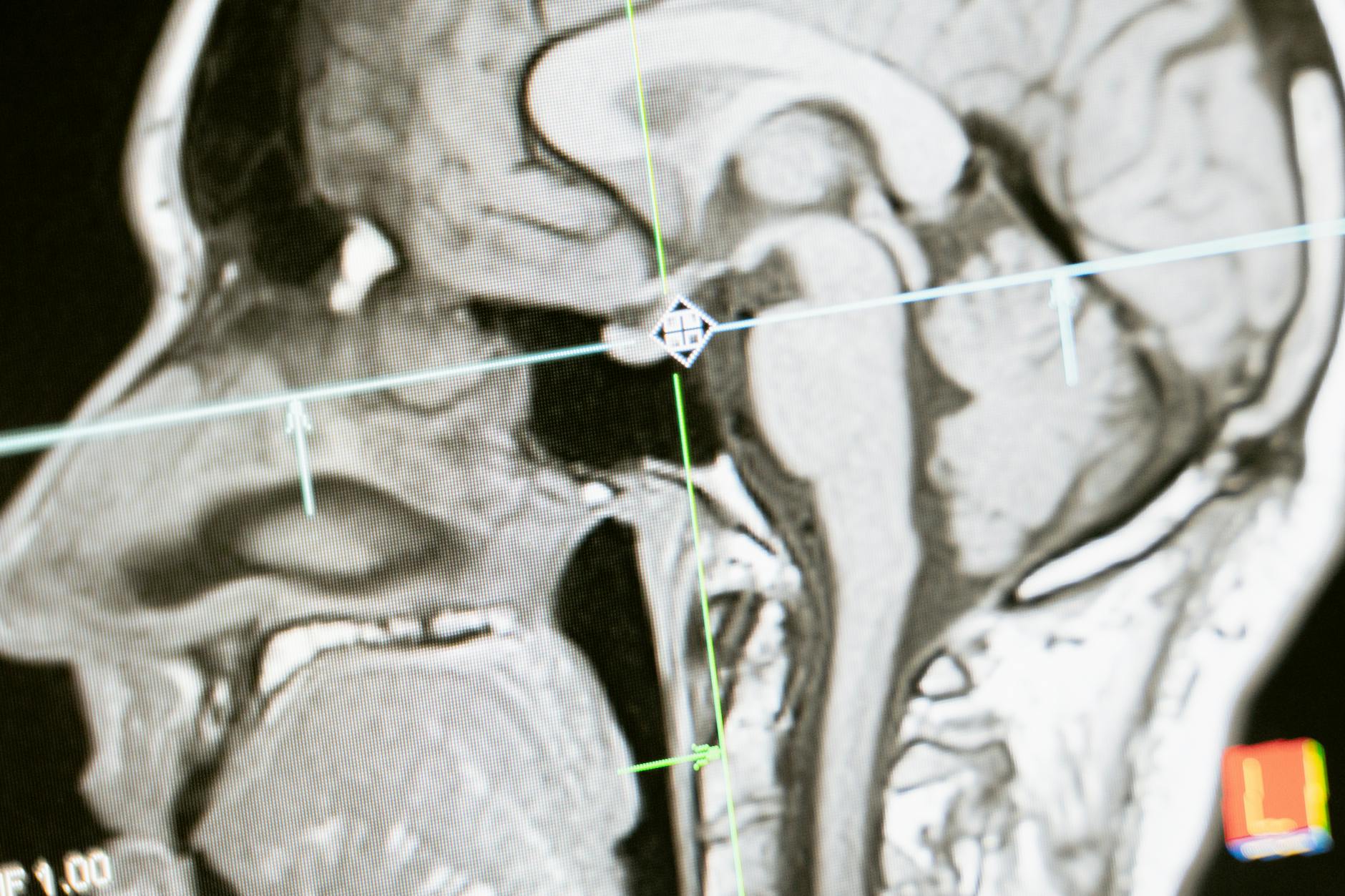

For clinicians managing Alzheimer's disease, the persistent challenge lies in therapies that meaningfully alter the trajectory of cognitive decline. While amyloid-beta pathology is a hallmark of the disease, its direct relationship to clinical benefit from amyloid-targeting agents remains a critical question. Current evidence indicates that these therapies achieve amyloid plaque reduction, but their impact on cognitive function is consistently modest, raising questions about their practical utility in patient care.
Alzheimer's disease, a progressive neurodegenerative disorder, is pathologically characterised by the accumulation of amyloid-beta plaques and neurofibrillary tangles. The amyloid cascade hypothesis posits that amyloid-beta deposition is an early and central event in the disease pathogenesis, driving downstream neurodegeneration and cognitive impairment.1 This hypothesis has guided therapeutic development for decades, leading to the investigation of numerous agents designed to reduce amyloid-beta burden in the brain.2
Early therapeutic strategies focused on inhibiting amyloid-beta production or enhancing its clearance. While preclinical models often demonstrated promising results, translating these into clinically meaningful outcomes in human trials has proven challenging.3 Many initial compounds failed in late-stage clinical trials due to lack of efficacy or unacceptable side effects.4
Amyloid-Targeting Monoclonal Antibodies
More recently, monoclonal antibodies targeting various forms of amyloid-beta have shown success in reducing brain amyloid plaque levels. Lecanemab, for example, demonstrated a significant reduction in amyloid plaques as measured by PET imaging.5 In a phase 3 trial involving 1,795 patients with early Alzheimer's disease, lecanemab slowed cognitive and functional decline by 27% compared to placebo over 18 months, as assessed by the Clinical Dementia Rating-Sum of Boxes (CDR-SB) score (difference of -0.45, 95% CI -0.67 to -0.23, p<0.001).5 This trial enrolled participants with mild cognitive impairment (MCI) or mild dementia due to Alzheimer's disease, confirmed by amyloid pathology. The primary endpoint was the change from baseline in the CDR-SB score, a comprehensive scale that assesses six domains of cognitive and functional performance.
Similarly, donanemab, another amyloid-beta targeting antibody, also achieved substantial amyloid plaque clearance. In a trial of 1,736 patients with early symptomatic Alzheimer's disease, donanemab slowed clinical decline by 35% on the CDR-SB scale in patients with intermediate tau levels (difference of -0.60, 95% CI -0.98 to -0.22, P=0.002) over 18 months.6 For the overall population, the slowing of decline was 22%.6 This study also targeted individuals with early symptomatic Alzheimer's disease, defined as MCI or mild dementia, with confirmed amyloid and tau pathology. The differential efficacy observed based on baseline tau levels suggests that the stage of tau pathology may influence treatment response.
Aducanumab, the first amyloid-beta targeting antibody to receive accelerated approval, also showed amyloid plaque reduction. However, its clinical efficacy data were less consistent, with one phase 3 trial showing a modest benefit on the CDR-SB and another showing no benefit.7 The initial approval was based primarily on amyloid reduction as a surrogate endpoint, with subsequent confirmatory trials required.7
Despite achieving amyloid plaque reduction, these therapies are associated with adverse events, notably amyloid-related imaging abnormalities (ARIA), which can manifest as ARIA-E (edema or effusions) or ARIA-H (haemorrhage or hemosiderin deposition).5-7 The incidence of ARIA-E with lecanemab was 12.6% and ARIA-H was 17.3%.5 For donanemab, ARIA-E occurred in 24.0% of participants and ARIA-H in 31.4%.6 These events, while often asymptomatic, can be serious and require careful monitoring, particularly in patients with APOE ε4 allele homozygosity, who are at higher risk.8 The mechanism of ARIA is not fully understood but is thought to involve amyloid deposition in cerebral blood vessels, leading to increased vascular fragility and permeability. Regular MRI monitoring is therefore a critical component of the treatment regimen.
The observed cognitive benefits, while statistically significant, are generally considered modest. The mean difference in CDR-SB scores, typically ranging from 0.45 to 0.60 points over 18 months, represents a slowing of decline rather than an improvement or stabilisation.5,6 The clinical meaningfulness of such changes for individual patients and their families remains a subject of ongoing debate among neurologists and geriatricians.9 Factors such as baseline disease severity, APOE ε4 status, and the presence of co-pathologies may influence individual responses to treatment.10 The current therapies are administered intravenously, requiring regular infusions, which adds to the burden on patients and healthcare systems. The high prevalence of Alzheimer's disease, affecting millions globally, underscores the need for effective and accessible treatments.
The current evidence base indicates that while amyloid-beta targeting therapies can reduce amyloid plaque burden, their impact on cognitive decline is limited. The substantial costs, administration burden, and potential for adverse events necessitate a careful risk-benefit assessment for each patient. Future research is needed to identify patient subgroups most likely to benefit, to explore combination therapies, and to develop agents targeting other pathological pathways in Alzheimer's disease.
The ongoing discussion surrounding amyloid-targeting therapies for Alzheimer's disease highlights a persistent disconnect between biomarker modification and tangible patient benefit. While the pharmaceutical industry has successfully developed agents like lecanemab and donanemab that demonstrably clear amyloid plaques, the resulting cognitive improvements are consistently modest. Clinicians are now tasked with communicating a 20-30% slowing of decline over 18 months, often measured by scales that may not fully capture the lived experience of patients and caregivers. This places a significant burden on shared decision-making, particularly given the substantial financial outlay and the need for regular intravenous infusions and MRI monitoring for ARIA. The current landscape forces a pragmatic assessment: are we treating a biomarker or truly improving quality of life?
The regulatory pathway, particularly the accelerated approval route, has also contributed to this complex situation. Approvals based on surrogate endpoints, such as amyloid reduction, place the onus on post-marketing studies to confirm clinical benefit. This approach, while intended to expedite access to therapies for serious conditions, can lead to situations where drugs are available but their real-world impact is still being debated. Payers, including Medicare in the United States, have rightly scrutinised the cost-effectiveness of these therapies, often imposing strict coverage criteria that further complicate access for eligible patients. The high price tags, running into tens of thousands of dollars annually, raise questions about healthcare resource allocation when the clinical gains are incremental.
For patients and their families, the promise of a disease-modifying therapy for Alzheimer's is immense, yet the reality presented by current amyloid-targeting agents is one of tempered expectations. While any slowing of decline is welcome, the trade-offs involving frequent medical visits, potential side effects like ARIA, and the emotional and financial strain must be carefully weighed. It underscores the critical need for continued research into diverse therapeutic targets beyond amyloid, including tau pathology, neuroinflammation, and synaptic dysfunction, to deliver more robust and clinically meaningful interventions for this devastating disease. Until then, clinicians must remain vigilant in their assessment of evidence and transparent in their discussions with patients about what these therapies can realistically achieve.
- The Pivot Amyloid-beta reduction is achievable, but this does not consistently translate to substantial cognitive improvement.
- The Data Cognitive benefits from amyloid-targeting agents typically show a slowing of decline by approximately 20-30% on global cognitive scales over 18 months.
- The Action Clinicians should counsel patients on the modest cognitive benefits, potential for adverse events, and the significant financial burden associated with current amyloid-targeting therapies.
ART-2026-219
·10/26
Drafted with AI assistance, reviewed and approved by the editorial team. This publication is intended for healthcare professionals, researchers, and life science industry professionals. Content is provided for informational and educational purposes only and does not constitute medical advice.

I write about AI in healthcare: the validation studies, the deployment failures, and the regulatory questions without answers yet. Based in San Francisco, close to where the technology is built.
Cite This Article
Chen L, Lopes W. Amyloid therapies show limited cognitive benefit in alzheimer's. The Life Science Feed. Published May 31, 2026. Updated October 6, 2026. Accessed October 14, 2026. https://thelifesciencefeed.com/neurology/alzheimer-disease/news/amyloid-therapies-limited-cognitive-benefit-alzheimers.
Editorial & AI Standards
All content is researched from peer-reviewed, open-access sources: published trial data, clinical guidelines, and regulatory filings. AI tools are used solely to structure and summarise that evidence; no AI-generated conclusions appear without editor verification against the primary source.
Every article is reviewed by a named editor before publication. Source citations are listed in the References section. This content does not represent the views of any pharmaceutical company, medical device manufacturer, or healthcare provider.
Licence & Rights
© 2026 The Life Science Feed. All rights reserved. Unless otherwise indicated, all content is the property of The Life Science Feed and may not be reproduced, distributed, or transmitted in any form or by any means without prior written permission.
Medical Disclaimer
The information provided on The Life Science Feed is for educational and informational purposes only. It is not intended as a substitute for professional medical advice, diagnosis, or treatment. Always seek the advice of your physician or other qualified healthcare provider regarding any medical condition or treatment decision. Never disregard professional medical advice or delay in seeking it because of something you have read on this website.
References
1. Selkoe DJ, Hardy J. The amyloid hypothesis of Alzheimer's disease at 25 years. EMBO Mol Med. 2016;8(6):595-608. doi:10.15252/emmm.201606210
2. Karran E, Mercken M, De Strooper B. The amyloid cascade hypothesis for Alzheimer's disease: an appraisal for the development of therapeutics. Nat Rev Drug Discov. 2011;10(9):698-712.
3. Panza F, Lozupone M, Logroscino G, Daniele A. A critical appraisal of amyloid-beta-targeting therapies for Alzheimer's disease. Nat Rev Neurol. 2019;15(2):73-88. doi:10.1038/s41582-018-0116-6
4. Gauthier S, et al. Alzheimer's disease: it's time to rethink the amyloid cascade hypothesis. J Alzheimers Dis. 2016;49(3):575-582. 5. van Dyck CH, et al. Lecanemab in Early Alzheimer's Disease. N Engl J Med. 2023;388(1):9-21.
6. Sims JR, et al. Donanemab in Early Symptomatic Alzheimer Disease: The TRAILBLAZER-ALZ 2 Randomized Clinical Trial. JAMA. 2023;330(17):1720-1730.
7. Budd Haeberlein S, et al. Two Randomized Phase 3 Studies of Aducanumab in Early Alzheimer's Disease. J Prev Alzheimers Dis. 2022;9(2):197-210.
8. Sperling RA, et al. Amyloid-Related Imaging Abnormalities in Alzheimer's Disease Clinical Trials. Alzheimers Dement. 2011;7(4):367-385.
9. Cummings J. The Road to New Treatments for Alzheimer's Disease. Neuron. 2023;111(16):2481-2484.
10. Jack CR Jr, et al. NIA-AA Research Framework: Toward a biological definition of Alzheimer's disease. Alzheimers Dement. 2018;14(4):535-562.
11. Hampel H, et al. The amyloid-beta pathway in Alzheimer's disease: a review of the current evidence. Mol Psychiatry. 2021;26(10):5487-5507.






