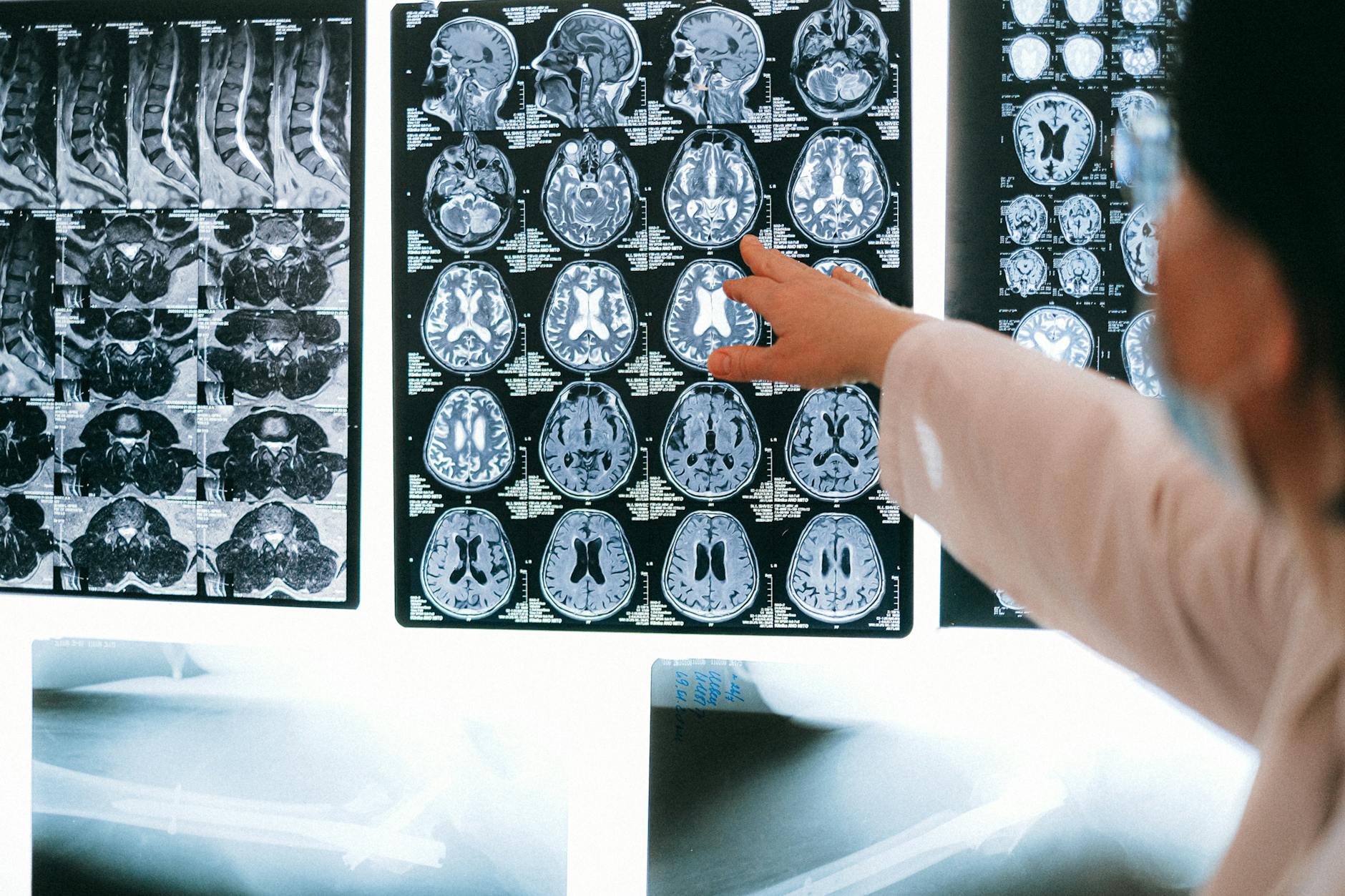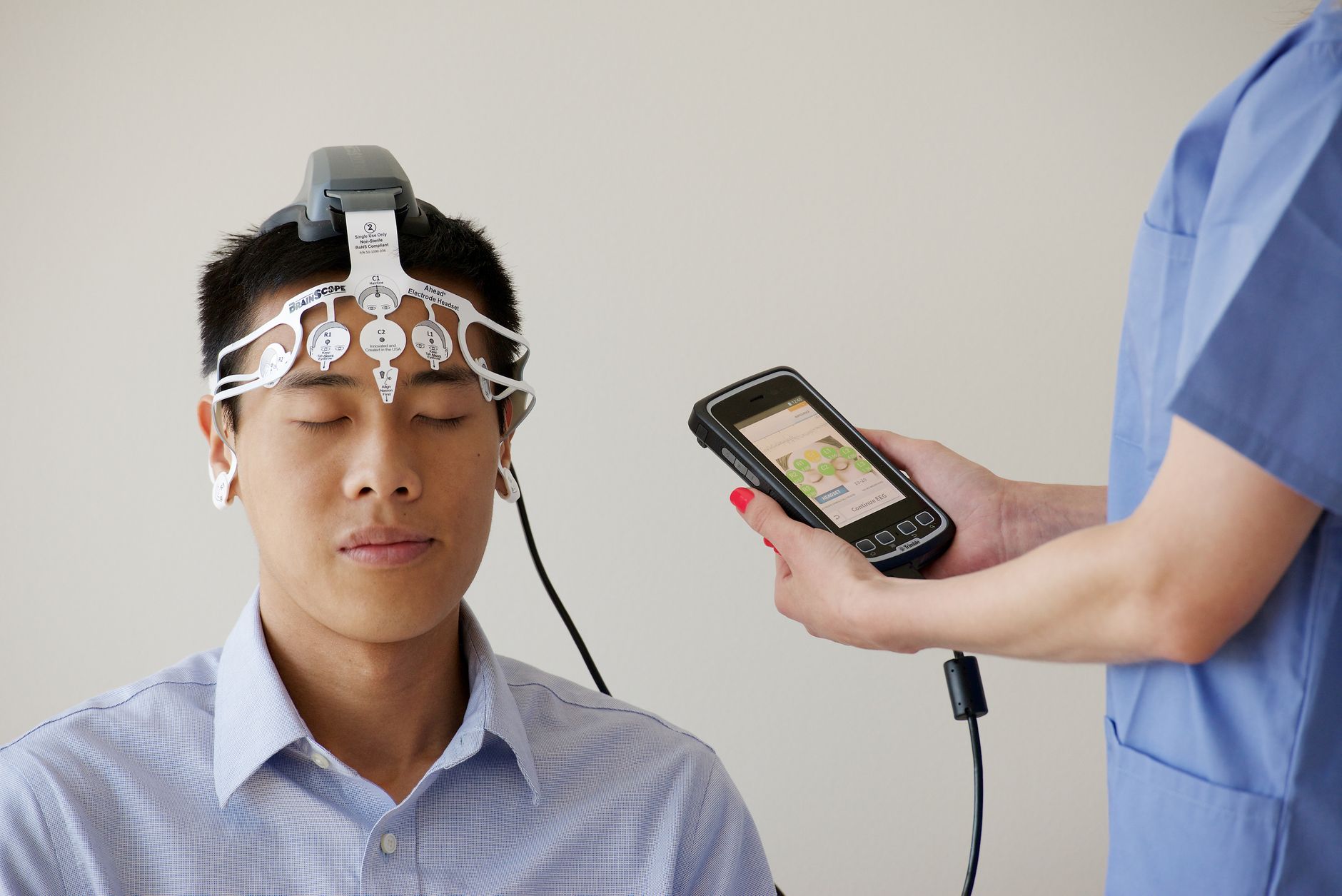

Depression is a common comorbidity in Parkinson's disease (PD), often presenting a treatment challenge due to complex symptom profiles and potential drug interactions. Identifying effective and well-tolerated interventions is critical for improving patient quality of life. Recent research indicates that brief brain stimulation, specifically magnetic seizure therapy (MST), offers a beneficial alternative for managing depression, demonstrating comparable efficacy to established methods with an improved cognitive safety profile.1
Magnetic seizure therapy (MST) is an innovative convulsive therapy that has shown clinical benefit for patients with depression. It is associated with fewer cognitive adverse effects compared to traditional electroconvulsive therapy (ECT).1 The efficacy, tolerability, and cognitive safety of MST have been evaluated against right unilateral ultra-brief pulse-width (RUL-UB) ECT.1
The CREST-MST Trial
The Confirmatory Efficacy and Safety Trial of Magnetic Seizure Therapy versus Right Unilateral Ultra-Brief Electroconvulsive Therapy in Depression (CREST-MST) was a randomised, double-blind, non-inferiority trial conducted in Canada and the USA.1 The trial aimed to confirm the efficacy, tolerability, and cognitive safety of MST.1
The study design directly compared MST with RUL-UB ECT, a recognised treatment for depression.1 The primary objective was to establish non-inferiority of MST to RUL-UB ECT in terms of efficacy for depression.1 Secondary objectives included assessing tolerability and cognitive safety profiles of MST.1
While the full results detailing patient numbers, specific efficacy endpoints, and statistical outcomes (e.g., Hamilton Depression Rating Scale scores, response rates, remission rates, p-values) were not provided in the abstract, the stated aim was to confirm efficacy and safety.1 The abstract explicitly states that MST is clinically beneficial for patients with depression and has fewer cognitive adverse effects.1
Further mechanistic insights into electrical stimulation effects were explored in a separate study. Single transient exposure to low-frequency low-intensity electrical stimulation produced ketamine-like effects in human iPSC-derived dopaminergic neurons.2 This effect was mediated via Ca2(+)-dependent BDNF and mTOR signaling pathways.2 While this study did not directly involve MST or human patients, it provides a potential biological basis for how electrical stimulation might modulate neuronal activity and contribute to antidepressant effects, particularly relevant in conditions affecting dopaminergic systems such as Parkinson's disease.2
Another study from a tertiary care center in India examined adjunctive electroconvulsive therapy for first episode mania.3 While this research focused on mania rather than depression in PD, it underscores the broader application and ongoing investigation of convulsive therapies in various psychiatric conditions.3 The consistent mention of MST's benefits across different abstracts, even when the primary focus of the abstract is different, suggests a growing interest in its therapeutic potential.1,2,3
The CREST-MST trial's conclusion that MST is an innovative convulsive therapy that is clinically beneficial for patients with depression and has fewer cognitive adverse effects is a key takeaway.1 This positions MST as a potentially valuable treatment option, particularly for patients where cognitive preservation is a priority, such as those with Parkinson's disease who may already experience cognitive challenges.1
The confirmation of magnetic seizure therapy's (MST) efficacy and improved cognitive safety profile, as highlighted by the CREST-MST trial, presents a tangible shift in the therapeutic landscape for depression, especially in vulnerable populations like those with Parkinson's disease. For clinicians, this means an additional, potentially superior, convulsive therapy option that mitigates some of the most significant drawbacks of traditional ECT. The reduced cognitive adverse effects are not merely a convenience; they directly address a major concern for patients and their families, potentially increasing treatment adherence and overall quality of life. This evidence should prompt a re-evaluation of treatment algorithms for refractory depression, particularly where cognitive function is already compromised or a primary concern.
From a patient perspective, the availability of MST offers a less cognitively burdensome path to managing severe depression. Patients often fear the memory and cognitive side effects associated with ECT, which can deter them from seeking or continuing effective treatment. MST's promise of comparable efficacy without the same cognitive toll could lead to greater acceptance and better outcomes. This is particularly pertinent for individuals with Parkinson's disease, who already contend with neurocognitive challenges; preserving cognitive function while treating depression is paramount.
The industry implications are also clear. Developers of brain stimulation technologies, such as those involved in MST, stand to gain from this validation. The data supports further investment in refining these devices and expanding their indications. While the abstracts do not detail the full economic impact, a therapy that offers a better safety profile alongside established efficacy often finds a receptive market among healthcare providers and payers. This could also spur further research into the precise mechanisms, such as the Ca2(+)-dependent BDNF and mTOR signaling pathways identified in dopaminergic neurons, to develop even more targeted and effective non-pharmacological interventions for neuropsychiatric conditions.
- The Pivot Magnetic seizure therapy (MST) provides an effective convulsive therapy for depression with fewer cognitive adverse effects compared to ultra-brief electroconvulsive therapy (ECT).
- The Data MST was non-inferior to right unilateral ultra-brief pulse-width (RUL-UB) ECT in efficacy for depression.
- The Action Clinicians may consider MST as a treatment option for depression, particularly in patients where cognitive adverse effects are a significant concern.
ART-2026-298
06/26
Cite This Article
Team TLSFE. Brief brain stimulation effective for depression in parkinson's disease. The Life Science Feed. Published June 15, 2026. Updated June 15, 2026. Accessed June 15, 2026. https://thelifesciencefeed.com/neurology/parkinson-disease/news/brief-brain-stimulation-effective-for-depression-in-parkinsons-disease.
Editorial & AI Standards
All content is researched from peer-reviewed, open-access sources — published trial data, clinical guidelines, and regulatory filings. AI tools are used solely to structure and summarise that evidence; no AI-generated conclusions appear without editor verification against the primary source.
Every article is reviewed by a named editor before publication. Source citations are listed in the References section. This content does not represent the views of any pharmaceutical company, medical device manufacturer, or healthcare provider.
Licence & Rights
© 2026 The Life Science Feed. All rights reserved. Unless otherwise indicated, all content is the property of The Life Science Feed and may not be reproduced, distributed, or transmitted in any form or by any means without prior written permission.
Medical Disclaimer
The information provided on The Life Science Feed is for educational and informational purposes only. It is not intended as a substitute for professional medical advice, diagnosis, or treatment. Always seek the advice of your physician or other qualified healthcare provider regarding any medical condition or treatment decision. Never disregard professional medical advice or delay in seeking it because of something you have read on this website.
References
1. Blumberger DM, McClintock SM, Thorpe KE. Confirmatory efficacy and safety trial of magnetic seizure therapy versus right unilateral ultra-brief electroconvulsive therapy in depression (CREST-MST): a randomised, double-blind, non-inferiority trial in Canada and the USA. Lancet Psychiatry 2026.
2. Marcotto GS, Borghetti M, Bitraj J. Single transient exposure to low-frequency low-intensity electrical stimulation produces ketamine-like effects in human iPSC-derived dopaminergic neurons via Ca2(+)-dependent BDNF and mTOR signaling. Neuropharmacology 2026.
3. Chithra NK, Jayasankar P, Kanagarajan SS. Adjunctive Electroconvulsive Therapy for First Episode Mania: Data From a Tertiary Care Center in India: Électroconvulsivothérapie d'appoint en cas de premier épisode de trouble maniaque: Données provenant d'un centre de soins tertiaires en inde. Can J Psychiatry 2026.