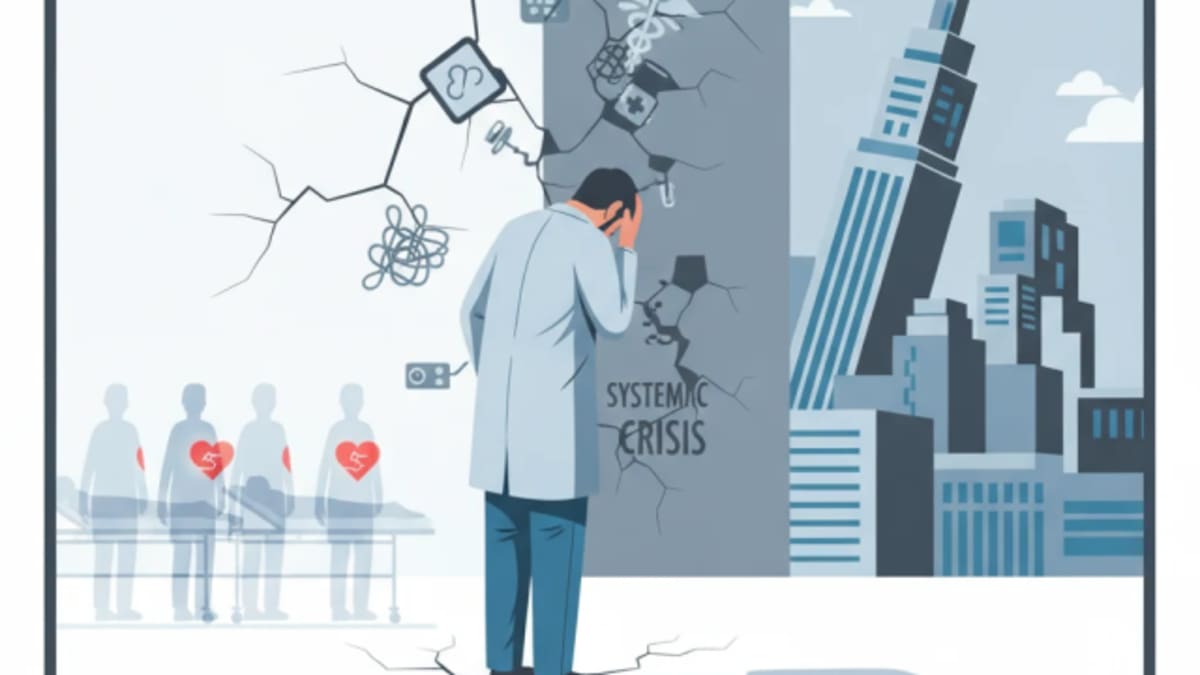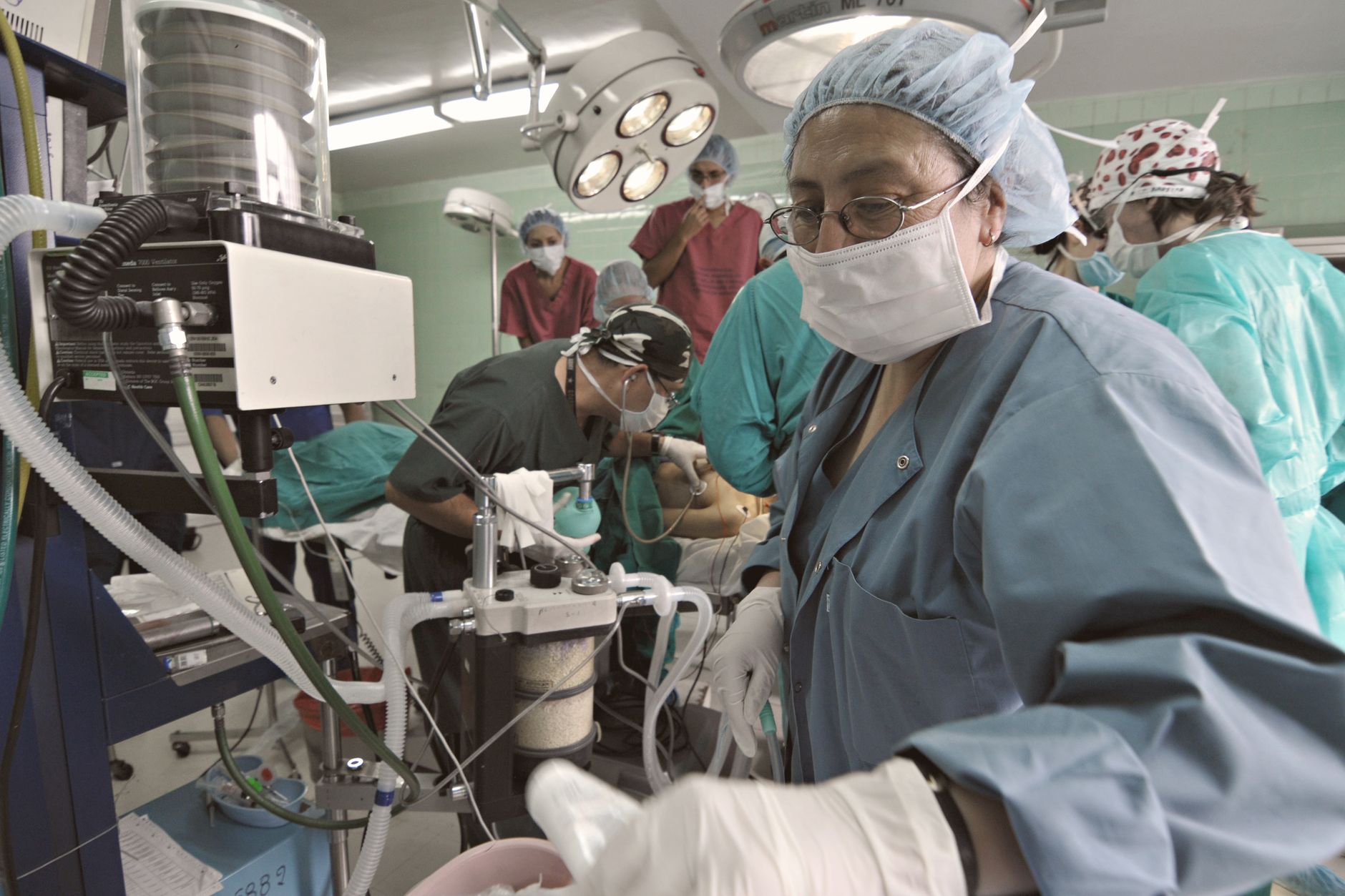

Full neurological recovery in a patient with severe hypothermic cardiac arrest complicated by severe coagulopathy, after prolonged extracorporeal cardiopulmonary resuscitation (ECPR), upends conventional thinking. This single case challenges the premature termination of resuscitation efforts in these complex scenarios.
Managing cardiac arrest usually means quick action with chest compressions, defibrillation, and advanced cardiac life support (ACLS). But severe hypothermia changes the game. It can trigger cardiac arrest, yet it also protects the brain by slowing metabolism, potentially extending the window for a successful resuscitation. This protective effect upends standard algorithms.
American Heart Association (AHA) and European Resuscitation Council (ERC) guidelines recognize the special considerations for hypothermic cardiac arrest. They push for active rewarming and hold off on ending resuscitation until a patient hits at least 32°C. Still, these guidelines fall short on managing the complex bleeding issues that often plague ECPR rewarming, leaving doctors scrambling with rapidly worsening coagulation and overt bleeding. It's a tough spot. Severe accidental hypothermia with cardiac arrest is uncommon, but the death rate stays high, often topping 50%. Better strategies are desperately needed.
A patient with severe hypothermic cardiac arrest had major bleeding during ECPR rewarming. Even with prolonged cardiac arrest, deep hypothermia, and severe coagulopathy - factors usually tied to bad neurological results - the patient achieved full neurological recovery. This defies expectations. Are our current treatment assumptions too grim?
The patient's core temperature hit 26°C after long cold exposure. ECPR started, but serious bleeding required massive blood product transfusions. Even so, the medical team stuck with rewarming and aggressive coagulation management, leading to success. Tenacity and careful blood product handling were critical here, not just ECPR itself. The ECPR circuit itself can contribute to coagulopathy through platelet activation and consumption, further exacerbating the challenges posed by hypothermia-induced coagulopathy. It's a complex interplay.
Guidelines offer a framework for hypothermic cardiac arrest, but they often miss the practical realities of managing bleeding during ECPR. The 2020 AHA guidelines for CPR and ECC suggest ECPR in some hypothermic cardiac arrest cases, but they lack specifics for coagulation management. This gap forces clinicians to lean on their own judgment and varying institutional protocols. That's a problem.
More specific, evidence-based guidelines are needed for managing coagulopathy during ECPR rewarming. These should cover optimal blood product use, the role of thromboelastography (TEG) or rotational thromboelastometry (ROTEM) in guiding transfusions, and handling specific bleeding issues. The case reminds us that rigid adherence to generic algorithms can hurt unique patients. Understanding hypothermia's specific effects on the coagulation cascade, including enzyme activity and platelet function, is vital for developing targeted interventions. This is critical for patient outcomes.
The single case report is the obvious caveat. While it offers valuable insights, these can't be generalized to every patient with hypothermic cardiac arrest and hemorrhagic complications. The patient's unique traits, quick ECPR, and aggressive coagulation management all likely contributed to the positive outcome. It's impossible to know if another approach would have worked, or if the patient would have recovered anyway. This is a single data point.
We also lack detailed info on the patient's prior medical conditions and medications. Those could have shaped the patient's response to hypothermia and ECPR rewarming. The case also skips long-term outcomes, like cognitive function and quality of life. Was this patient truly restored, or left with subtle deficits? We simply don't know. The next step: prospective registries and multi-center studies to get solid data on patient populations undergoing ECPR for hypothermic cardiac arrest, particularly those with significant coagulopathy.
Such research should focus on developing standardized protocols for coagulation management, including the optimal timing and dosage of blood products, the utility of point-of-care coagulation testing, and the role of novel hemostatic agents. Furthermore, investigating the specific mechanisms by which hypothermia impacts coagulation in the context of ECPR could lead to targeted pharmacological interventions. This case, despite its limitations, underscores the potential for favorable neurological outcomes even in extreme circumstances, challenging current perceptions of futility and advocating for a more nuanced, individualized approach to resuscitation in severe hypothermic cardiac arrest.
The ethical implications of prolonged resuscitation in these complex scenarios also warrant further discussion. Balancing the potential for recovery against the burden of intensive care and resource utilization requires careful consideration by clinicians, ethics committees, and healthcare systems. Clearer guidelines, informed by robust evidence, would assist in these difficult decision-making processes, ensuring that patients receive appropriate and effective care without unnecessary prolongation of suffering or misallocation of resources.
Clinicians might be pulling the plug too soon on severely hypothermic cardiac arrest patients. This case suggests that prolonged ECPR, even with severe coagulopathy and significant bleeding, can lead to full neurological recovery. It's a direct challenge to current norms.
Current guidelines offer little specific direction on managing complex bleeding during ECPR rewarming. This gap forces individual judgment, leading to inconsistent care. A unified, evidence-based approach is clearly needed.
The emphasis shifts from strictly adhering to temperature cutoffs to persistent, meticulous management of both rewarming and coagulation. This demands a higher level of vigilance and resource allocation. It's a resource-intensive strategy, but the potential payoff is a life.
lightbulb
- The PivotProlonged resuscitation efforts may be warranted in severely hypothermic patients undergoing ECPR, even in the presence of significant hemorrhagic complications.
- The DataThe case report describes a patient with a core temperature of 26°C who achieved full neurological recovery after ECPR and aggressive management of coagulopathy.
- The ActionImplement a comprehensive coagulation management protocol during and after ECPR rewarming, including frequent monitoring of coagulation parameters and targeted administration of blood products.
ART-2025-11
·10/26
Drafted with AI assistance, reviewed and approved by the editorial team. This publication is intended for healthcare professionals, researchers, and life science industry professionals. Content is provided for informational and educational purposes only and does not constitute medical advice.

Thirty years in health journalism, the last fifteen in life sciences. I have reported from every major medical congress and watched blockbuster drugs get revised after approval. I cover what the data says.
Cite This Article
Carter J, Voss M. ECPR rewarming: a case for prolonged resuscitation?. The Life Science Feed. Published December 1, 2025. Updated October 6, 2026. Accessed October 16, 2026. https://thelifesciencefeed.com/critical-care/cardiac-arrest/case/ecpr-rewarming-a-case-for-prolonged-resuscitation.
Editorial & AI Standards
All content is researched from peer-reviewed, open-access sources: published trial data, clinical guidelines, and regulatory filings. AI tools are used solely to structure and summarise that evidence; no AI-generated conclusions appear without editor verification against the primary source.
Every article is reviewed by a named editor before publication. Source citations are listed in the References section. This content does not represent the views of any pharmaceutical company, medical device manufacturer, or healthcare provider.
Licence & Rights
© 2026 The Life Science Feed. All rights reserved. Unless otherwise indicated, all content is the property of The Life Science Feed and may not be reproduced, distributed, or transmitted in any form or by any means without prior written permission.
Medical Disclaimer
The information provided on The Life Science Feed is for educational and informational purposes only. It is not intended as a substitute for professional medical advice, diagnosis, or treatment. Always seek the advice of your physician or other qualified healthcare provider regarding any medical condition or treatment decision. Never disregard professional medical advice or delay in seeking it because of something you have read on this website.
References
- Arrich, J., Holzer, M., Herkner, H., Mullner, M. (2016). Hypothermia for neuroprotection in adults after cardiopulmonary resuscitation. Cochrane Database of Systematic Reviews, (2), CD004128.
- Truhlar, A., Deakin, C. D., Soar, J., Khalifa, G. E., Alfonzo, N., Bierens, J. J., ... & Nolan, J. P. (2015). European Resuscitation Council Guidelines for Resuscitation 2015: Section 4. Cardiac arrest in special circumstances. Resuscitation, 95, 148-201.
- Lavonas, E. J., Drennan, I. R., Gabrielli, A., Heffner, A. C., Hoyte, C. O., Jauch, E. C., ... & Donnino, M. W. (2015). Part 10: Special circumstances of resuscitation: 2015 American Heart Association Guidelines Update for Cardiopulmonary Resuscitation and Emergency Cardiovascular Care. Circulation, 132(18 Suppl 2), S501-S518.