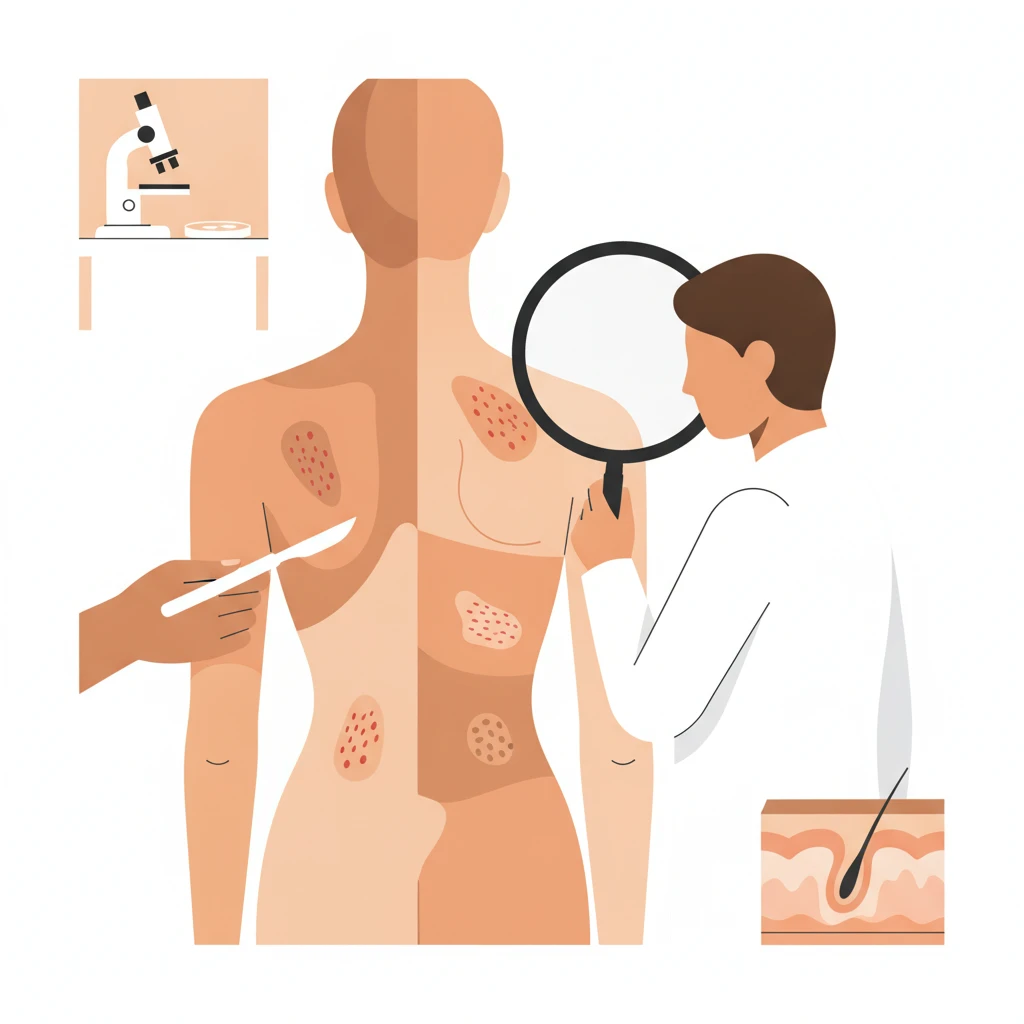

The dermatological manifestations in individuals with Down syndrome (DS) are diverse and often require specialized attention beyond routine primary care. GPs and specialists must recognize the characteristic skin conditions associated with DS to ensure timely diagnosis and appropriate management, thereby improving patient quality of life.
Individuals with Down syndrome (trisomy 21) exhibit a higher prevalence and distinct presentation of various dermatological conditions compared to the general population. These conditions are often linked to genetic factors, immune dysregulation, and altered skin barrier function inherent to DS. Recognition of these specific dermatoses is essential for primary care physicians and specialists to facilitate appropriate management and referral pathways.
Xerosis, or dry skin, is one of the most common dermatological findings in individuals with DS, affecting an estimated 50% to 75% of patients. This condition often leads to pruritus and can predispose to secondary infections if not adequately managed. Palmoplantar keratoderma, characterized by thickening of the skin on the palms and soles, is also frequently observed, with prevalence rates reported between 10% and 30%. This can range from mild hyperkeratosis to severe fissuring, impacting mobility and daily activities. Seborrheic dermatitis, presenting as erythematous, scaly patches, particularly on the scalp, face, and intertriginous areas, affects approximately 30% to 50% of individuals with DS. Its chronic nature often necessitates ongoing topical treatment.
Common Dermatological Manifestations and Management
Beyond these highly prevalent conditions, other dermatoses warrant specific consideration. Atopic dermatitis, while common in the general pediatric population, can present with increased severity and persistence in individuals with DS, potentially due to immune dysregulation. Folliculitis and other bacterial skin infections are also more common, possibly linked to impaired immune responses and compromised skin barrier function. Viral infections, particularly molluscum contagiosum and warts (verrucae vulgaris), tend to be more widespread and recalcitrant to treatment in this population, often requiring more aggressive or prolonged therapeutic approaches.
Alopecia areata, an autoimmune condition causing patchy hair loss, has a higher incidence in individuals with DS, with some studies reporting prevalence rates up to 10%, significantly higher than the general population. This association underscores the autoimmune predisposition in DS. Elastosis perforans serpiginosa, a rare connective tissue disorder characterized by papules with central umbilication, is also disproportionately represented in individuals with DS. While rare, its presence should prompt consideration in the differential diagnosis of unusual skin lesions in this patient group.
The underlying mechanisms contributing to these dermatological challenges in individuals with Down syndrome are complex and multifactorial. The extra copy of chromosome 21 leads to overexpression of several genes, impacting various physiological processes. For instance, genes involved in immune function, such as those related to interferon signaling, are overexpressed, contributing to the immune dysregulation observed. This can manifest as both increased susceptibility to infections and a higher incidence of autoimmune conditions like alopecia areata. Furthermore, alterations in collagen and elastin synthesis, potentially influenced by chromosome 21 genes, may contribute to connective tissue disorders and skin fragility. The skin barrier itself may be compromised due to changes in lipid composition or epidermal differentiation, exacerbating conditions like xerosis and increasing vulnerability to environmental irritants and pathogens.
The management of these conditions often involves standard dermatological treatments but may require modifications due to patient cooperation, cognitive abilities, and potential drug interactions. For xerosis, regular application of emollients and moisturizers is fundamental. Seborrheic dermatitis typically responds to topical antifungals and corticosteroids. Warts and molluscum contagiosum may necessitate cryotherapy, topical retinoids, or other destructive methods, often requiring multiple treatment sessions. For alopecia areata, topical or intralesional corticosteroids may be considered, though response can vary. Given the chronic nature and potential for complications, a proactive approach to skin care and early intervention are paramount.
When considering treatment strategies, it is also important to acknowledge the potential for communication challenges and sensory sensitivities in some individuals with DS. These factors can influence adherence to topical treatments or tolerance of in-office procedures. Therefore, a patient-centered approach, involving caregivers and utilizing clear, simple instructions, is often most effective. The long-term nature of many of these conditions also necessitates ongoing monitoring and adjustment of treatment regimens. For example, chronic xerosis requires consistent moisturizing, and seborrheic dermatitis may flare periodically, requiring re-initiation of active treatment. Early identification of skin changes and prompt intervention can prevent progression to more severe forms, reduce discomfort, and improve overall quality of life for individuals with Down syndrome. Regular skin examinations by primary care providers are crucial for early detection of these conditions. Referral to a dermatologist is indicated for persistent, severe, or atypical dermatoses, as well as for conditions requiring specialized diagnostic or therapeutic interventions. Collaborative care between GPs, dermatologists, and other specialists can optimize outcomes for individuals with Down syndrome.
For a comprehensive overview of dermatological conditions and management strategies, readers may consult the Oxford Handbook of Medical Dermatology.
The elevated prevalence and unique presentation of dermatological conditions in individuals with Down syndrome present a clear mandate for clinicians. It is insufficient to treat these as incidental findings; they are integral to the syndrome's phenotype and demand specific attention. GPs must move beyond a reactive approach to skin complaints, integrating proactive skin assessments into routine check-ups for patients with DS. This means not just looking for obvious rashes, but actively screening for xerosis, palmoplantar keratoderma, and the often-overlooked signs of immune-mediated conditions like alopecia areata.
For dermatologists, this patient population represents a specialized area of practice. The increased incidence of conditions like elastosis perforans serpiginosa, while rare, highlights the need for a heightened index of suspicion. Furthermore, the management of common conditions such as warts and molluscum contagiosum can be more challenging due to patient factors and the recalcitrant nature of these infections in DS. This necessitates adapting standard treatment protocols and potentially exploring more persistent or combination therapies. The industry should recognize this unmet need, perhaps by supporting research into formulations or delivery methods that are more amenable to this patient group, or by developing educational resources tailored for caregivers and clinicians.
Ultimately, the goal is to improve the quality of life for individuals with Down syndrome, where chronic skin conditions can significantly impact comfort, social interaction, and overall well-being. A failure to address these dermatological issues effectively is a failure to provide comprehensive care. This is not merely about aesthetics; it is about managing chronic disease that can lead to pain, itching, infection, and social stigma. The medical community must ensure that individuals with Down syndrome receive the same standard of specialized dermatological care as any other patient with complex needs.
- The Pivot Down syndrome is associated with a distinct spectrum of dermatological conditions requiring proactive management.
- The Data Xerosis, palmoplantar keratoderma, and seborrheic dermatitis are highly prevalent, affecting a significant proportion of individuals with DS.
- The Action Clinicians should conduct regular skin examinations in patients with DS and refer to dermatology for persistent or complex conditions.
ART-2026-535
·09/26
Drafted with AI assistance, reviewed and approved by the editorial team. This publication is intended for healthcare professionals, researchers, and life science industry professionals. Content is provided for informational and educational purposes only and does not constitute medical advice.

Science writer covering the frontier between basic research and clinical practice. I am interested in the moment a mechanism becomes a therapy, and everything that can go wrong in between.
Cite This Article
Aldrich M, Lopes W. Down syndrome: skin conditions demand dermatologists’ attention. The Life Science Feed. Published June 21, 2026. Updated September 12, 2026. Accessed September 19, 2026. https://thelifesciencefeed.com/dermatology/skin-diseases-bacterial/insights/down-syndrome-skin-conditions-demand-dermatologists-attention.
Editorial & AI Standards
All content is researched from peer-reviewed, open-access sources: published trial data, clinical guidelines, and regulatory filings. AI tools are used solely to structure and summarise that evidence; no AI-generated conclusions appear without editor verification against the primary source.
Every article is reviewed by a named editor before publication. Source citations are listed in the References section. This content does not represent the views of any pharmaceutical company, medical device manufacturer, or healthcare provider.
Licence & Rights
© 2026 The Life Science Feed. All rights reserved. Unless otherwise indicated, all content is the property of The Life Science Feed and may not be reproduced, distributed, or transmitted in any form or by any means without prior written permission.
Medical Disclaimer
The information provided on The Life Science Feed is for educational and informational purposes only. It is not intended as a substitute for professional medical advice, diagnosis, or treatment. Always seek the advice of your physician or other qualified healthcare provider regarding any medical condition or treatment decision. Never disregard professional medical advice or delay in seeking it because of something you have read on this website.
References
1. Rakasiwi T, Ryan C, Stein A, et al. Dermatologic Conditions in Down Syndrome: A Multi-Site Retrospective Review of International Classification of Diseases Codes. Pediatr Dermatol. 2024;41(6):1047-1052. doi:10.1111/pde.15757
2. Wentworth AB, Hand JL, Davis DM, Tollefson MM. Skin concerns in patients with trisomy 21 (Down syndrome): A Mayo Clinic 22-year retrospective review. Pediatr Dermatol. 2021;38(Suppl 2):73-78. doi:10.1111/pde.14764
3. Rork JF, McCormack L, Lal K, Wiss K, Belazarian L. Dermatologic conditions in Down syndrome: A single-center retrospective chart review. Pediatr Dermatol. 2020;37(5):811-816. doi:10.1111/pde.14214
4. Ryan C, Vellody K, Belazarian L, Rork JF. Dermatologic conditions in Down syndrome. Pediatr Dermatol. 2021;38(Suppl 2):49-57. doi:10.1111/pde.14731
5. Daneshpazhooh M, Nazemi TM, Bigdeloo L, Yoosefi M. Mucocutaneous findings in 100 children with Down syndrome. Pediatr Dermatol. 2007;24(3):317-320. doi:10.1111/j.1525-1470.2007.00412.x