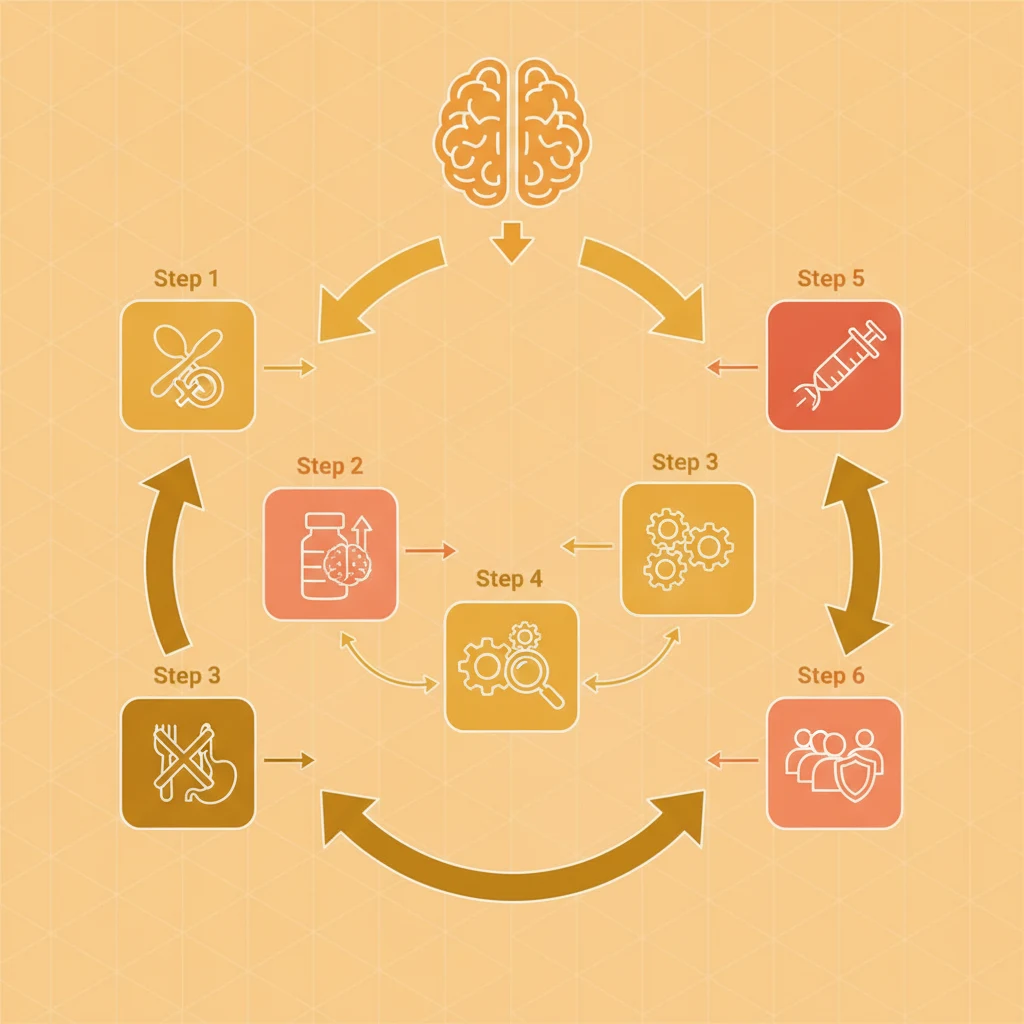

Managing hyperphagia in Prader-Willi Syndrome (PWS) presents a significant clinical dilemma due to its profound impact on patient health and caregiver burden. Current therapeutic approaches often fall short, underscoring the need for improved understanding and novel interventions. Clinician and caregiver voices at endo 2026 provided essential insights into the practical realities and aspirations for treatment.
Prader-Willi Syndrome is a complex genetic disorder characterized by hypotonia, developmental delay, and a distinctive pattern of endocrine abnormalities. A hallmark feature is hyperphagia, an insatiable appetite that typically emerges in early childhood and persists throughout life. This relentless drive to eat leads to severe obesity and associated comorbidities, including type 2 diabetes, cardiovascular disease, and respiratory issues, significantly reducing life expectancy and quality of life. The management of hyperphagia in PWS is challenging, requiring constant food restriction and supervision, which places immense stress on families and caregivers. Current interventions largely focus on environmental control and behavioral modifications, with limited pharmacological options demonstrating sustained efficacy.
Clinician and Caregiver Perspectives on Hyperphagia Management
Discussions at endo 2026 highlighted the critical gap between current treatment capabilities and the needs of individuals with PWS and their families. Clinicians emphasized the difficulty in achieving meaningful reductions in hyperphagia and its associated behaviors, even with intensive support. They noted that while some patients respond to structured dietary plans and behavioral therapies, the underlying drive for food often remains strong, leading to persistent challenges. The consensus among endocrinologists and pediatricians was that existing pharmacological treatments, when used, primarily target secondary symptoms or comorbidities rather than the core hyperphagia itself. For example, some agents may reduce appetite generally, but do not specifically address the unique neurobiological mechanisms driving hyperphagia in PWS.
Caregiver perspectives provided a stark illustration of the daily struggle. Many caregivers reported spending over 8 hours per day actively managing food access and preventing food-seeking behaviors. They described a constant vigilance that impacts family dynamics, social activities, and mental health. A significant concern raised was the lack of treatments that provide substantial, sustained relief from hyperphagia. Surveys presented indicated that fewer than 10% of caregivers felt that current interventions adequately controlled their child's hyperphagia, with many reporting only transient or minimal improvements in food-related anxiety and behaviors. The emotional toll on caregivers was frequently cited, with high rates of reported stress, anxiety, and depression. The desire for therapies that could fundamentally alter the drive for food, rather than merely manage its consequences, was a recurring theme.
The discussions also touched upon the diagnostic journey and the importance of early intervention. While genetic testing confirms PWS, the recognition and management of hyperphagia often evolve over time. Clinicians underscored the need for a multidisciplinary approach involving endocrinologists, nutritionists, behavioral therapists, and genetic counselors. However, access to these specialized services remains uneven. Both clinicians and caregivers expressed a strong desire for novel therapeutic agents that could target the specific neuroendocrine pathways implicated in PWS hyperphagia, such as those involving oxytocin, ghrelin, or other satiety signals. The current landscape of investigational therapies offers some promise, but the bar for clinical meaningfulness, as defined by both clinicians and caregivers, is high: treatments must demonstrate a clear, measurable reduction in food-seeking behaviors and associated distress, alongside an acceptable safety profile.
The prevalence of Prader-Willi Syndrome is estimated to be between 1 in 15,000 and 1 in 25,000 live births, making it a rare disease. However, the profound impact of hyperphagia on affected individuals and their families necessitates focused research and development efforts. The genetic basis of PWS involves the loss of function of specific genes on chromosome 15, typically inherited from the father. This genetic anomaly disrupts the function of the hypothalamus, a brain region critical for regulating appetite, satiety, and metabolism. The resulting neurobiological dysregulation is believed to underpin the relentless hyperphagia and other endocrine abnormalities observed in PWS patients. Understanding these underlying mechanisms is crucial for developing targeted therapies that can address the root cause of the insatiable hunger, rather than merely managing its symptoms. Current research often focuses on modulating pathways related to appetite regulation, such as those involving neuropeptide Y, pro-opiomelanocortin, and various gut hormones. The complexity of these interconnected systems presents a significant challenge for drug development.
Limitations in current treatment approaches extend beyond efficacy to include issues of accessibility and long-term adherence. Even when effective behavioral strategies are identified, their consistent application requires substantial resources and unwavering commitment from caregivers, which can be unsustainable over decades. Furthermore, the heterogeneity of PWS presentation, even within the same genetic subtype, means that a "one-size-fits-all" pharmacological solution is unlikely. Future research needs to consider patient stratification based on specific genetic deletions or epigenetic modifications that might influence treatment response. The methodology for assessing treatment efficacy in clinical trials for hyperphagia in PWS also requires refinement. Beyond simple weight loss, endpoints must include reductions in food-seeking behaviors, improvements in quality of life for both patients and caregivers, and a decrease in food-related anxiety. These patient-reported and caregiver-reported outcomes are critical for capturing the true clinical benefit of any new intervention.
The endo 2026 discussions underscore a persistent and profound unmet need in the management of hyperphagia in Prader-Willi Syndrome. It is clear that current strategies, while essential, are insufficient to alleviate the daily burden on patients and caregivers. The industry must recognize that incremental improvements in appetite suppression are unlikely to be transformative. What is required are therapies that fundamentally alter the neurobiological drive for food, moving beyond general anti-obesity mechanisms to target the specific pathophysiology of PWS. Companies developing new agents should prioritize endpoints that reflect meaningful changes in caregiver burden and patient quality of life, not just weight reduction.
For clinicians, these insights reinforce the necessity of a holistic approach. While awaiting more effective pharmacological interventions, optimizing behavioral strategies and providing robust psychological support for families remains paramount. The data presented by caregivers, indicating that fewer than 10% find current interventions satisfactory, should serve as a stark reminder that our current toolkit is inadequate. This necessitates a proactive engagement with families to manage expectations and to advocate for access to specialized multidisciplinary teams, even if such teams are scarce.
The dialogue also highlights the importance of patient and caregiver voices in shaping clinical trial design and regulatory pathways. Future research must incorporate their perspectives to ensure that new treatments address the most impactful aspects of the disease. Without therapies that genuinely mitigate the relentless hyperphagia, individuals with PWS will continue to face severe health risks, and their families will endure an extraordinary level of caregiving intensity. The challenge is not merely to reduce caloric intake, but to restore a degree of normalcy to lives dominated by food.
- The Pivot A consensus emerged on the necessity for treatments that address both the physiological and behavioral components of hyperphagia in PWS.
- The Data Caregivers reported that existing interventions often provide only partial relief, with less than 10% achieving satisfactory control of food-seeking behaviors.
- The Action Clinicians should integrate comprehensive behavioral strategies with emerging pharmacological options, recognizing the multifaceted nature of hyperphagia in PWS.
ART-2026-404
·09/26
Drafted with AI assistance and checked by automated style rules. Not individually read by an editor. This publication is intended for healthcare professionals, researchers, and life science industry professionals. Content is provided for informational and educational purposes only and does not constitute medical advice.

Infectious disease, epidemiology, and global health equity. I have covered outbreaks from Ebola to COVID-19 to mpox. The stories I am most drawn to are where the science is clear and the response is slow.
Cite This Article
Reeves T, Voss M. Defining hyperphagia treatment possibilities in prader-willi syndrome. The Life Science Feed. Published June 14, 2026. Updated September 16, 2026. Accessed October 27, 2026. https://thelifesciencefeed.com/endocrinology/pituitary-diseases/insights/defining-hyperphagia-treatment-possibilities-in-prader-willi-syndrome.
Editorial & AI Standards
Content is drafted with AI tools from peer-reviewed, open-access sources such as published trial data, clinical guidelines, and regulatory filings. This article is checked by automated style rules but is not individually read by an editor, so check the cited source before relying on a figure.
Source citations are listed in the References section. This content does not represent the views of any pharmaceutical company, medical device manufacturer, or healthcare provider.
Licence & Rights
© 2026 The Life Science Feed. All rights reserved. Unless otherwise indicated, all content is the property of The Life Science Feed and may not be reproduced, distributed, or transmitted in any form or by any means without prior written permission.
Medical Disclaimer
The information provided on The Life Science Feed is for educational and informational purposes only. It is not intended as a substitute for professional medical advice, diagnosis, or treatment. Always seek the advice of your physician or other qualified healthcare provider regarding any medical condition or treatment decision. Never disregard professional medical advice or delay in seeking it because of something you have read on this website.
References
1. Butler MG, et al. Prader-Willi Syndrome - Clinical Genetics, Diagnosis and Treatment Approaches: An Update. Curr Pediatr Rev. 2019;15(4):207-244. doi:10.2174/1573396315666190716120925
2. Butler MG, et al. Prader-Willi Syndrome: Clinical Genetics and Diagnostic Aspects with Treatment Approaches. Curr Pediatr Rev. 2016;12(2):136-66. doi:10.2174/1573396312666151123115250
3. Tan Q, et al. Current and emerging therapies for managing hyperphagia and obesity in Prader-Willi syndrome: A narrative review. Obes Rev. 2020;21(5):e12992. doi:10.1111/obr.12992
4. Mahmoud R, et al. Clinical Trials in Prader-Willi Syndrome: A Review. Int J Mol Sci. 2023;24(3). doi:10.3390/ijms24032150
5. Goldman VE, et al. Anti-Obesity Medication Use in Children and Adolescents with Prader-Willi Syndrome: Case Review and Literature Search. J Clin Med. 2021;10(19). doi:10.3390/jcm10194540
6. Miller JL, et al. Diazoxide choline extended-release tablet in people with Prader-Willi syndrome: results from long-term open-label study. Obesity (Silver Spring). 2024;32(2):252-261. doi:10.1002/oby.23928
7. Diene G, et al. Liraglutide for Weight Management in Children and Adolescents With Prader-Willi Syndrome and Obesity. J Clin Endocrinol Metab. 2022;108(1):4-12. doi:10.1210/clinem/dgac549
8. Castellano JM, et al. New Avenues for Pharmacological Management of Hyperphagia and Associated Behavioral Disorders in Prader-Willi Syndrome. J Clin Endocrinol Metab. 2023;108(9):e895-e896. doi:10.1210/clinem/dgad131
9. Wevrick R. Disentangling ingestive behavior-related phenotypes in Prader-Willi syndrome: Integrating information from nonclinical studies and clinical trials to better understand the pathophysiology of hyperphagia and obesity. Physiol Behav. 2020;219:112864. doi:10.1016/j.physbeh.2020.112864
10. Tauber M, et al. Prader-Willi syndrome: A model for understanding the ghrelin system. J Neuroendocrinol. 2019;31(7):e12728. doi:10.1111/jne.12728
11. Tauber M, et al. Prader-Willi syndrome as a model of human hyperphagia. Front Horm Res. 2014;42:93-106. doi:10.1159/000358317